Webb Telescope makes 'invaluable discovery' solving mysteries of Moon formation from distant worlds
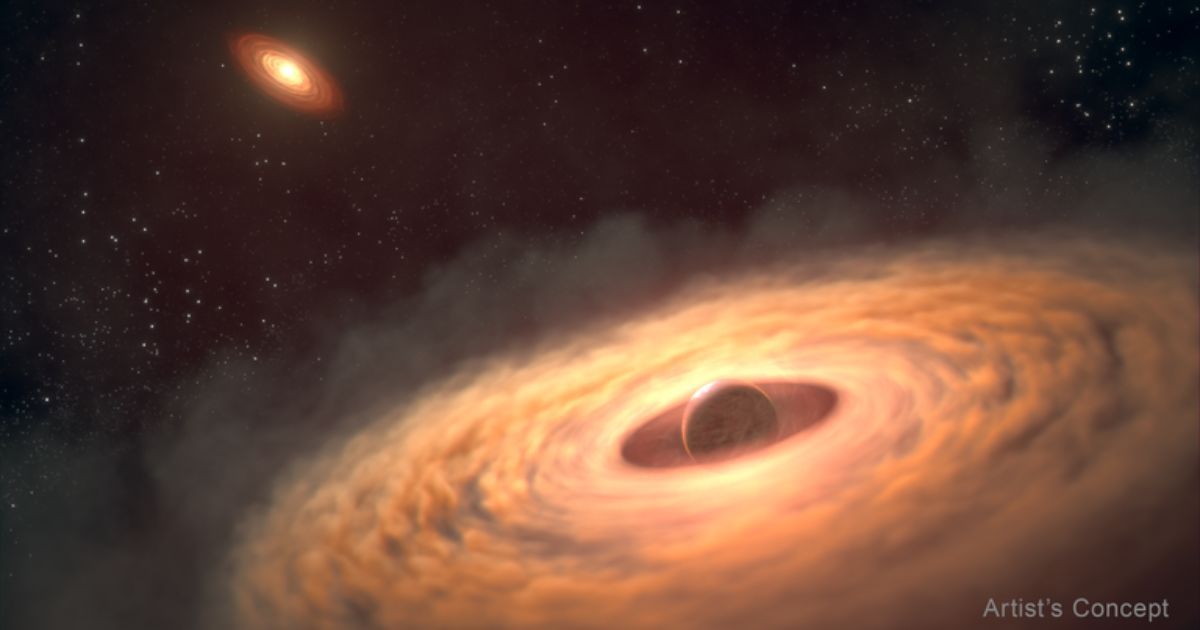
The James Webb Space Telescope (JWST) has achieved a major first, providing detailed, direct measurements of a potential moon-birthing disk surrounding a massive exoplanet. The discovery offers an unprecedented look at the construction phases of distant planetary systems, a process previously only hypothesized, according to NASA.
Webb provided the first direct measurements of the potential for moon-formation in a carbon-rich disk encircling a giant exoplanet, which is itself orbiting a young red dwarf star. https://t.co/fXRuo1mhns pic.twitter.com/HmNsM4SsGI
— NASA Webb Telescope (@NASAWebb) September 29, 2025
The study, published in The Astrophysical Journal Letters, centers on the distant world CT Cha b, located 625 light-years away. Webb's data reveals a vast, carbon-rich disk encircling the planet, which scientists are calling a "construction yard" for moons. While the telescope did not detect any fully-formed moons, the data is critical for understanding how these satellites, which likely outnumber planets across the galaxy and could harbor life, come into existence.
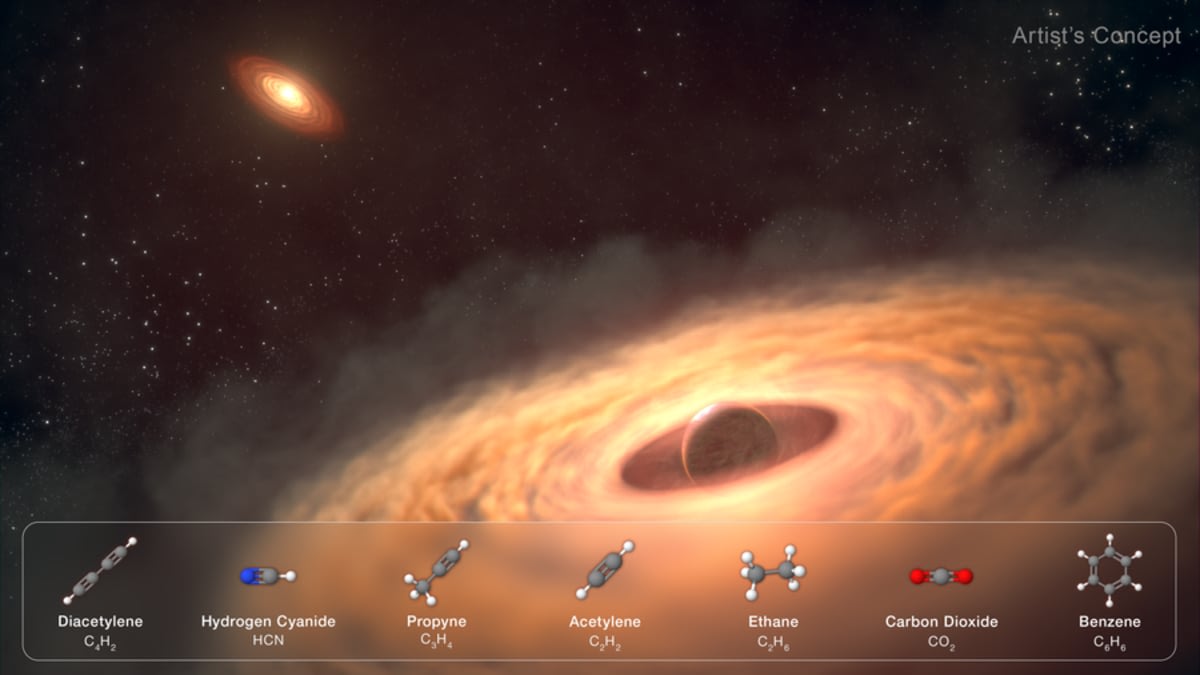
The youthful system, orbiting a star only 2 million years old, presented a significant challenge. The faint signature of the planet's disk had to be meticulously separated from the glare of its host star. Using Webb's Mid-Infrared Instrument (MIRI), researchers successfully dissected the starlight, leading to a surprising chemical revelation. The team, led by Gabriele Cugno of the University of Zürich, identified seven different carbon-bearing molecules within the planet's disk, including acetylene (C2H2) and benzene (C6H6). This finding is in stark contrast to the chemistry observed in the main disk surrounding the central star, where water was detected but no carbon could be found.
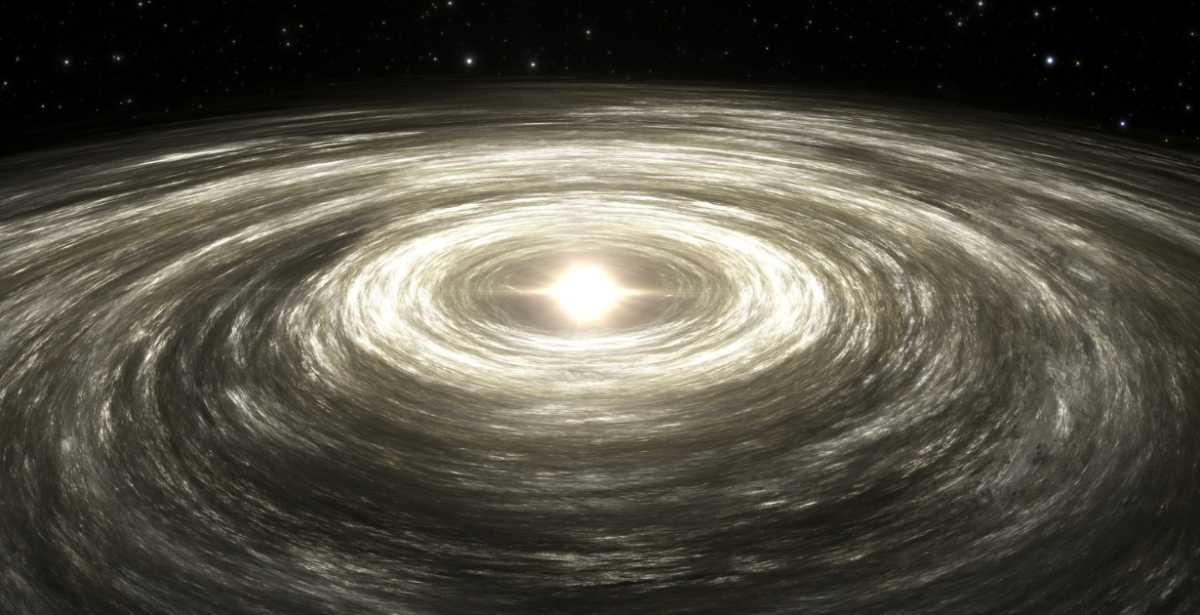
"We're not just witnessing moon formation — we're also witnessing this planet’s formation,” commented co-lead author Sierra Grant of the Carnegie Institution for Science. "Webb’s data is invaluable for making comparisons to our solar system's birth over 4 billion years ago." This research offers the first observational evidence to confirm long-held theories about the formation of moons, such as Jupiter's massive Galilean satellites. Those moons are believed to have condensed out of a similar circumplanetary disk billions of years ago.

"We need to look at other systems that are still under construction," said Cugno. "Webb allows us to witness the drama of moon formation and investigate these questions observationally for the first time.” The discovered circumplanetary disk is massive and distinct, situated 46 billion miles from the larger accretion disk around the star, confirming it is an independent satellite-forming environment. Scientists plan to use Webb for a broader survey of similar objects in the coming year, hoping to uncover the full diversity of these crucial moon-forming zones.
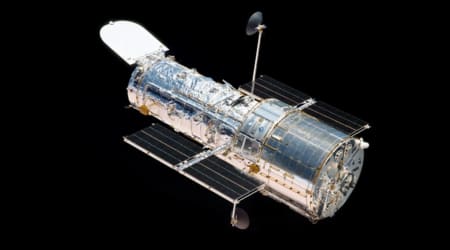
The Webb telescope's impact extends beyond young planetary systems; the agency has also used it to resolve a long-standing mystery first raised by the Hubble Space Telescope over 20 years ago. In 2003, Hubble found evidence of a massive planet orbiting a star nearly as ancient as the universe itself, per NASA. This discovery was deeply puzzling. Stars that old typically possess only trace amounts of heavier elements—the very materials required for planets to form. How could such a giant planet, bigger than Jupiter, have grown in a material-poor environment and within the early universe's tight timeframe?
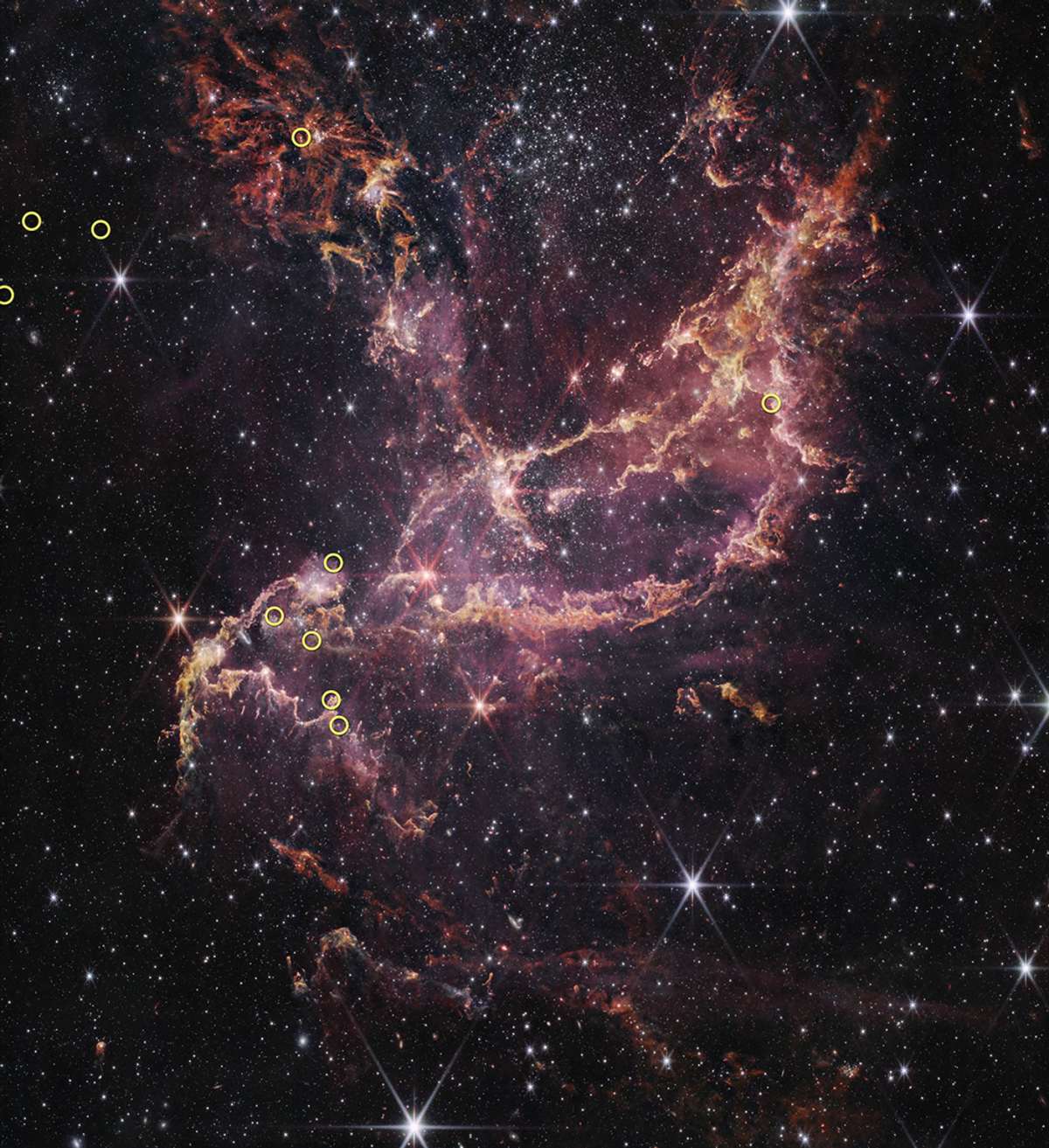
Webb has now provided the answer. Researchers turned the telescope toward a nearby galaxy whose chemical composition is similar to the universe in its infancy, specifically lacking heavy elements. They found that stars in this environment not only possess planet-forming disks, but that these disks are significantly more durable and long-lived than the disks seen around young stars in our own Milky Way.
More on Starlust
Protoplanetary disks are not so flat after all, suggests compelling evidence from ALMA
6 mind-blowing cosmic surprises from NASA’s James Webb Telescope in its first three years