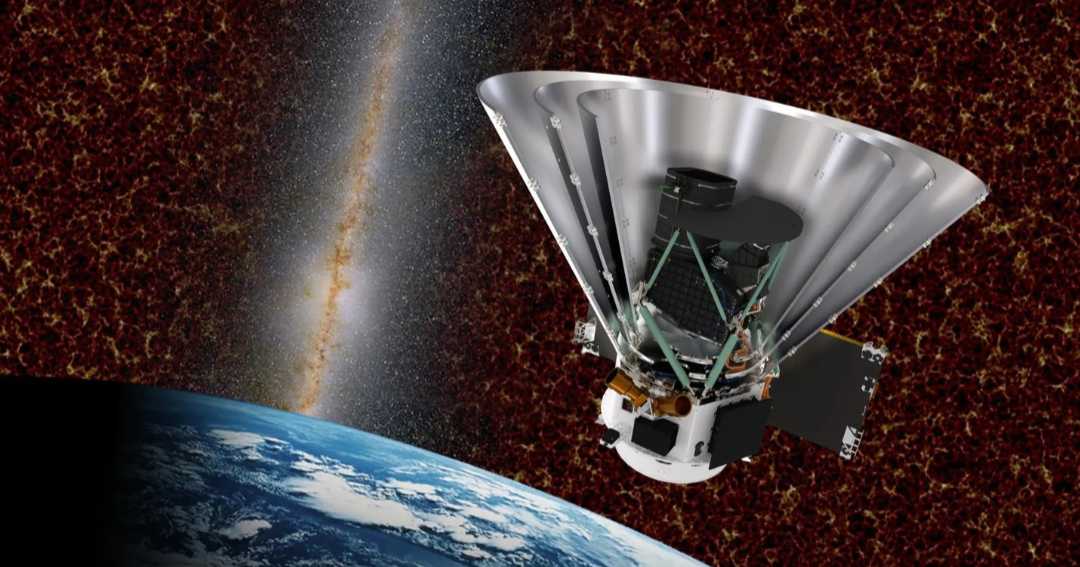
Researchers discover giant starless planets capable of forming their own systems
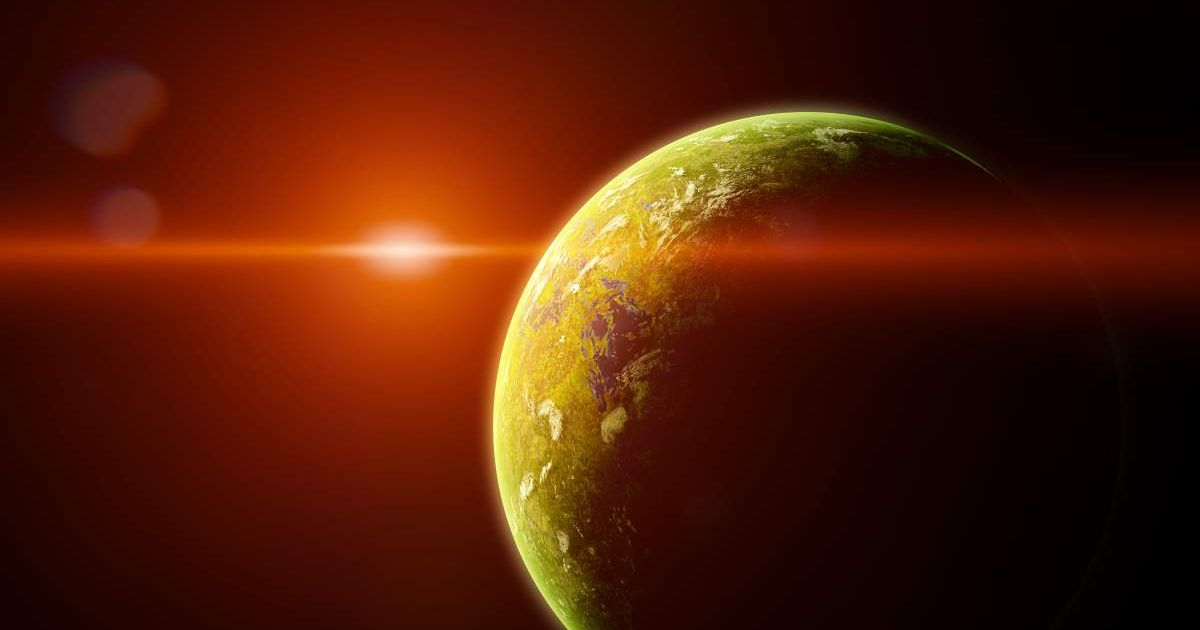
A new study by the researchers at the University of St Andrews reveals that some giant, free-floating planets may be able to form their own planetary systems without the presence of a star. Published on the arXiv preprint server, the research uses observations from the James Webb Space Telescope (JWST) to investigate isolated celestial objects with masses five to ten times that of Jupiter, as per the university.
Giant free-floating planets may form their own planetary systems, according to new research from the School of Physics and Astronomy. 🪐🌕🔭
— University of St Andrews (@univofstandrews) July 31, 2025
Read more... 👇https://t.co/B2JoKmqBey#EverToExcel
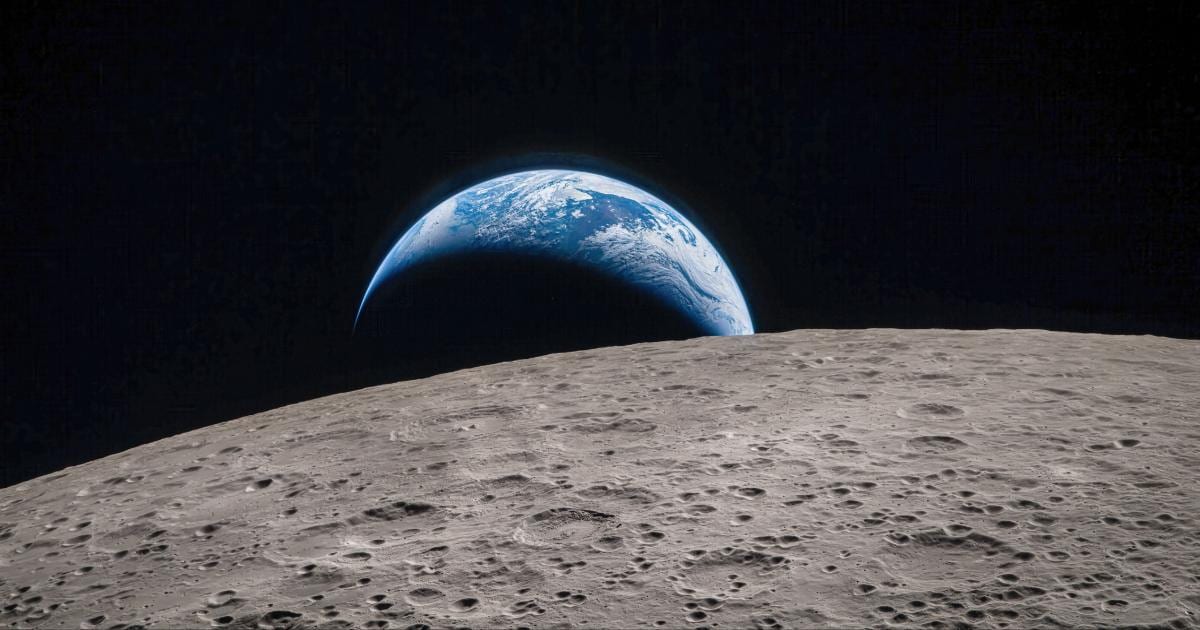
*Image is AI generated pic.twitter.com/yZ695CWQ09
These objects, which are not in orbit around a star, are particularly challenging to study because they are very dim and emit most of their radiation in the infrared spectrum. Scientists theorize that these free-floating planets are the lowest-mass objects formed from the collapse of large gas clouds, much like stars, but they do not accumulate enough mass to begin fusion reactions in their cores. It's also possible they may have formed around a star and were later ejected from their original systems.
Using the JWST's highly sensitive infrared instruments, the research team, including collaborators from the US, Italy, Ireland, England, and Portugal, analyzed 8 of these objects from August to October 2024. Their detailed observations confirmed that the objects' masses were similar to Jupiter's. Six of the eight objects showed an excess of infrared emission, a signature of warm dust disks, the very structures where planets are born.

Even more significant was the detection of silicate grains within these disks. The observations showed clear evidence of dust growth and crystallization, which are the initial stages of forming rocky planets. While silicate emission has been found around stars and brown dwarfs before, this is the first time it has been detected around objects with a planetary mass.
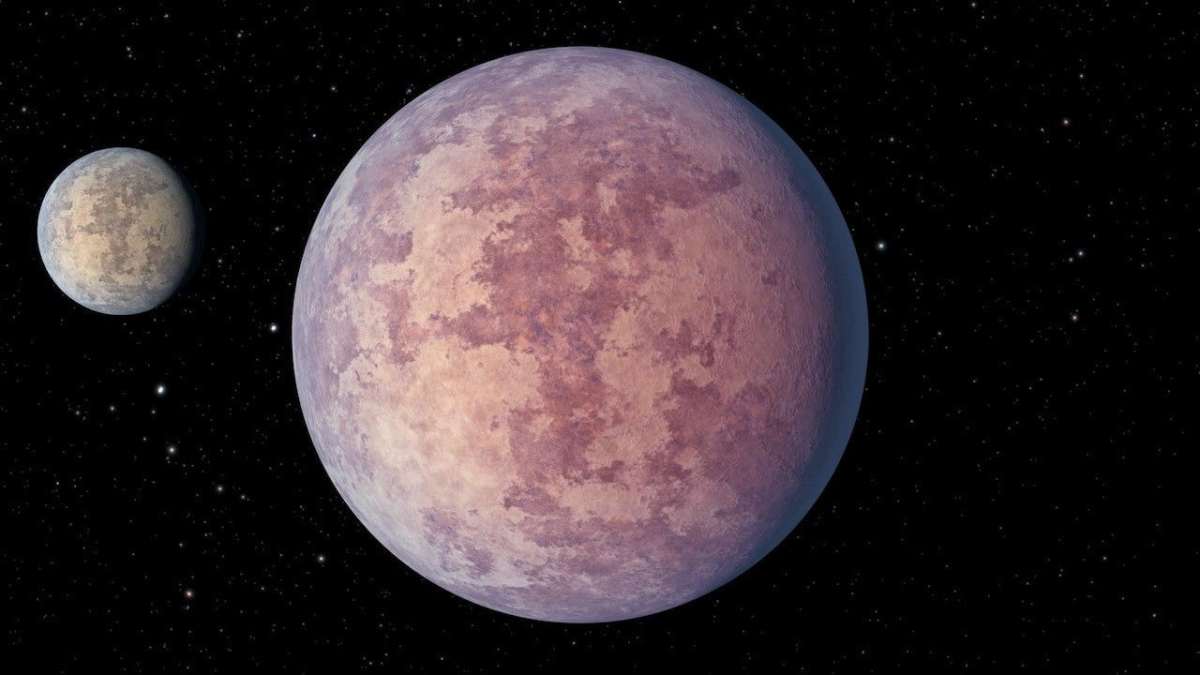
This work builds on a previous study that showed these disks can last for several million years, which gives plenty of time for planets to form. "These studies show that objects with masses comparable to those of giant planets have the potential to form their own miniature planetary systems," said Dr Aleks Scholz, the project's Principal Investigator. He also noted that such systems could be scaled-down versions of our solar system, just 100 miles smaller in mass and size. Dr Belinda Damian, the lead author, added, “These discoveries show that the building blocks for forming planets can be found even around objects that are barely larger than Jupiter and drifting alone in space. This means that the formation of planetary systems is not exclusive to stars but might also work around lonely starless worlds.”
The latest findings build on a decade of research into these mysterious worlds. In 2011, a joint Japan-New Zealand survey, including a NASA-funded team member, announced the discovery of a new class of free-floating planets. These Jupiter-sized worlds were found wandering through the darkness of space, far from any star. The survey, which scanned the center of the Milky Way galaxy in 2006 and 2007, provided evidence for up to ten of these "orphan planets," located between 10,000 and 20,000 light-years from Earth.
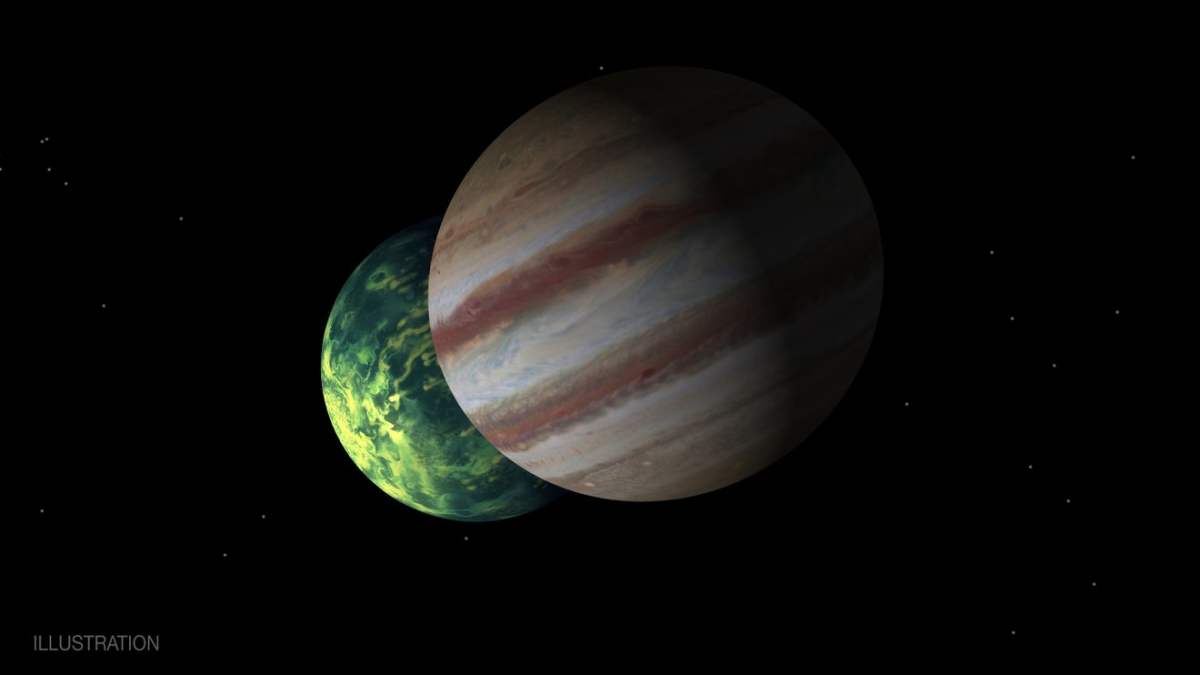
A the time, astronomers theorized that these lone planets were likely ejected from their developing solar systems, a notion that continues to be a leading theory for their existence. This earlier discovery paved the way for the groundbreaking observations from the JWST, which are now revealing that these isolated worlds may be far more complex than originally thought.