Astronomers discover the most massive 'binary star system' ever observed in our galaxy
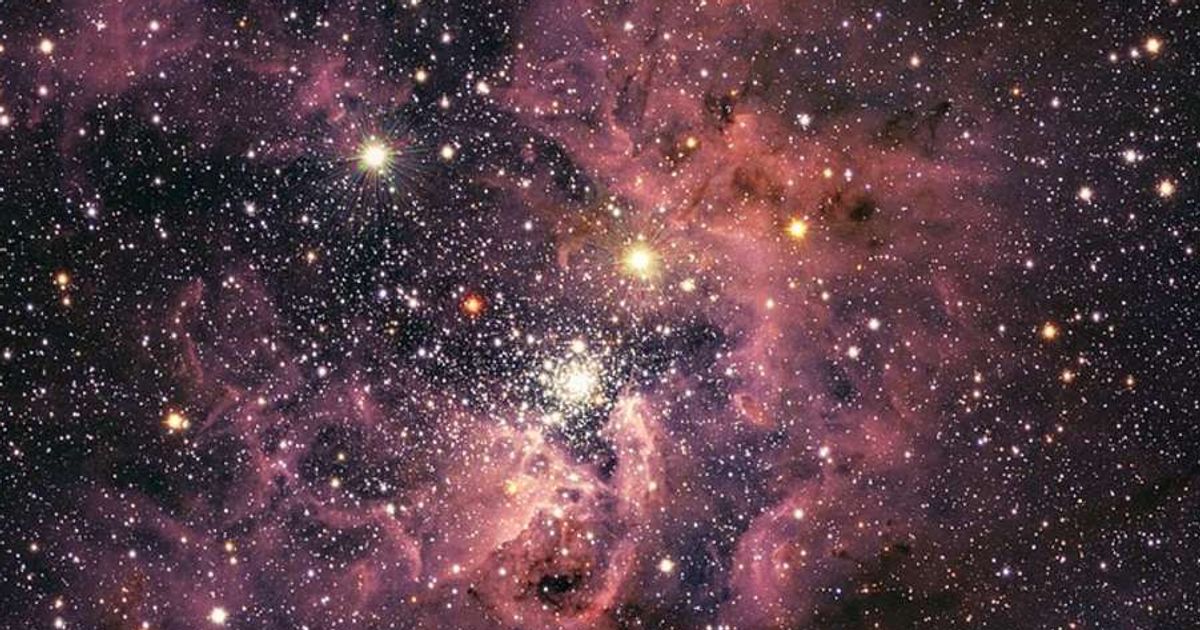
Astronomers have precisely measured the most massive binary star system ever directly observed in our galaxy, using a combination of new and previously unreleased data from the Hubble Space Telescope. A team led by Dr. Phil Massey of Lowell Observatory identified the colossal pair, known as NGC 3603-A1, located within one of the Milky Way’s most vibrant star-forming regions, approximately 25,000 light-years away. The findings are slated for publication in The Astrophysical Journal, according to Lowell Observatory.
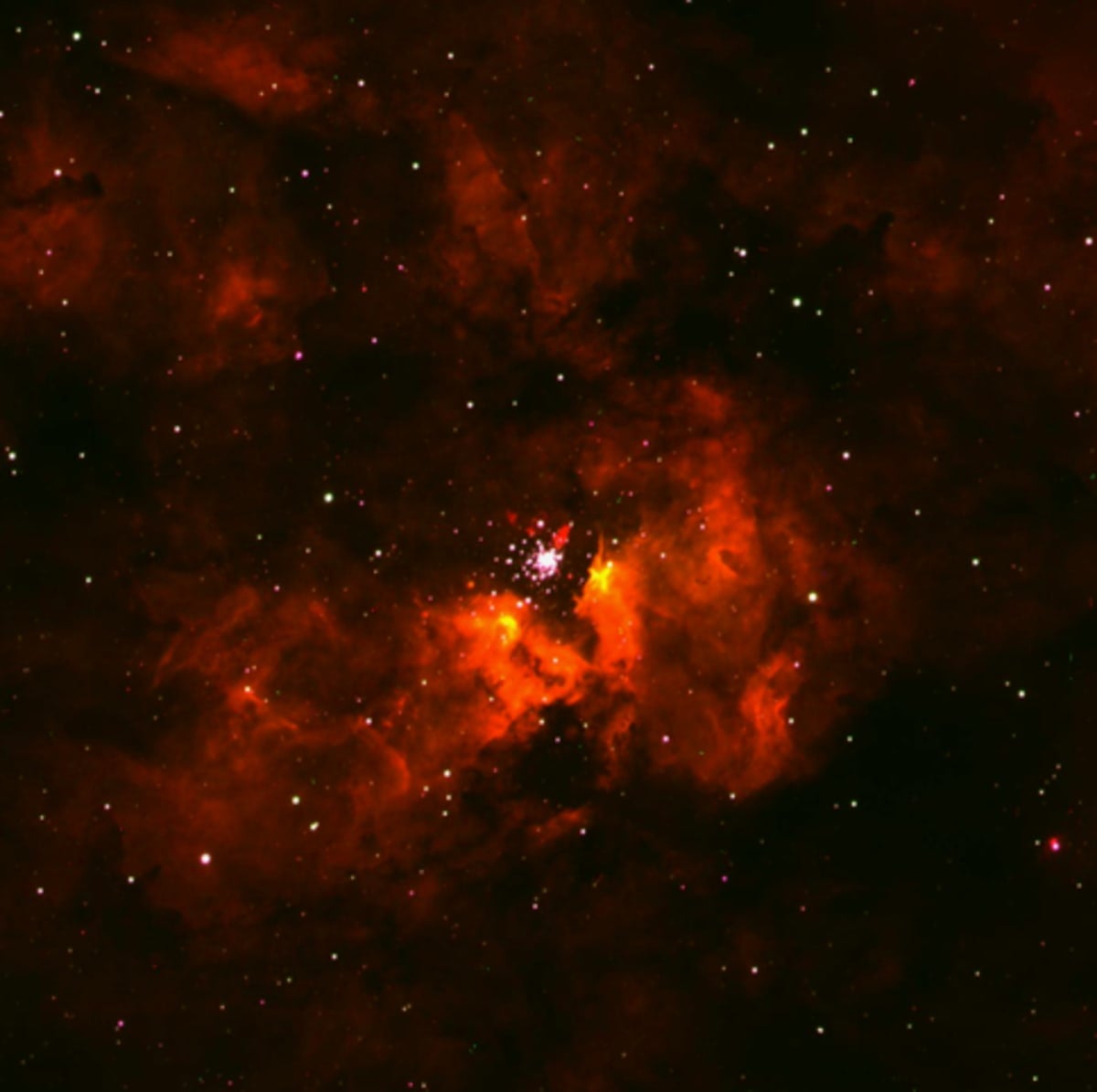
The system is made up of two stars, one with 93 times the mass of our Sun and the other with 70 times its mass, that complete an orbit around each other every 3.8 days. Although they are young, these stars are so luminous and powerful that they cause intense winds and blast radiation, giving them the appearance of a special class of stars called Wolf-Rayet stars. Wolf-Rayet stars are massive, aging stars that have shed their outer layers, but the stars in NGC 3603-A1 are still in their youth. This discovery provides new insight into the evolution and eventual fate of massive stars, according to Massey. “These stars are among the heaviest we’ve ever measured directly in our Milky Galaxy, and they help us understand how massive stars live, evolve, and eventually die.”
The breakthrough was made possible when Sarah Bodansky, then an undergraduate student, was analyzing archival Hubble data. She identified a key spectral feature that had been missed by previous researchers, which provided the crucial information needed to precisely measure the stars' mass. "Without this discovery, the project would have languished," Massey noted. One of the most intriguing findings from the study is evidence that the smaller star has been stealing mass from its larger companion. This type of interaction is a critical process in stellar evolution and could shed light on how these stars might one day collapse into black holes or create the gravitational waves that were first detected in 2015.
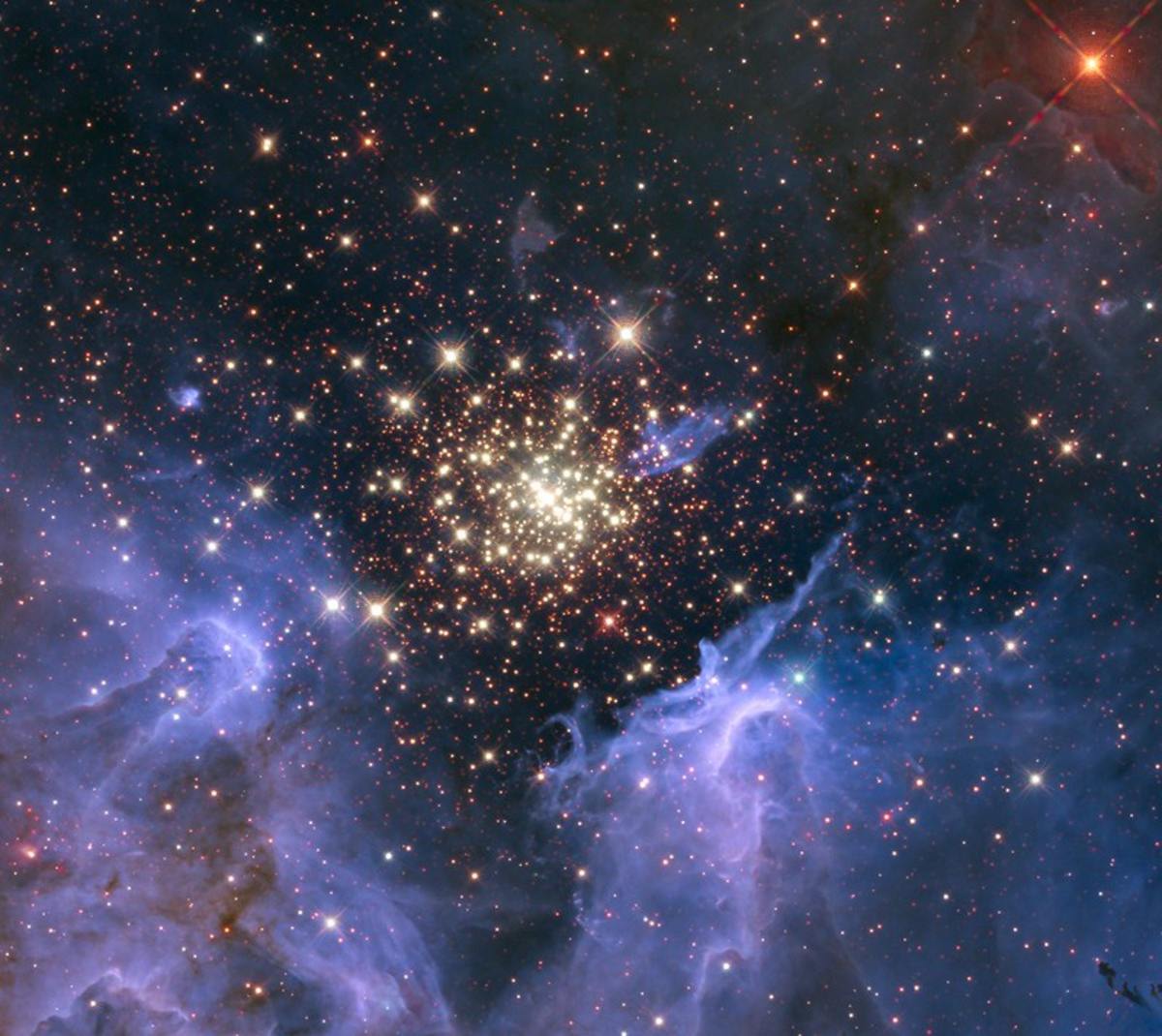
This discovery of NGC 3603-A1 is part of a much broader story about the diversity of binary star systems. These stellar pairs are common throughout the galaxy and come in a vast array of configurations, as per NASA. Some can consist of a massive star and a much smaller one, while others might feature one star that has evolved into a red giant or supergiant while its companion remains stable. These systems can even host planets that orbit both stars, a cosmic phenomenon made famous by the fictional planet Tatooine.
Scientifically, these systems are invaluable. When a pair of stars eclipses each other from our perspective on Earth, astronomers can measure changes in their combined light to determine their precise masses, diameters, and orbits. This allows for a deeper understanding of their properties and evolution. The study of binary systems also extends to the dramatic collision of neutron stars, which are thought to forge heavy elements like gold, platinum, and iodine. These mergers are also a major source of gravitational waves, the ripples in space-time that astronomers are now using to probe the universe in entirely new ways. The discovery of NGC 3603-A1 adds a vital piece to this ongoing cosmic puzzle.
More on Starlust
Citizen astronomers discover more than 10,000 eclipsing binary star systems with NASA's help
Astronomers finally uncover how 'double hot Jupiters' form in distant star systems
Astronomers unexpectedly capture a planet's birth within the swirling disk of a young star