Watch: SpaceX launches 21 military satellites for U.S. Space Force after a five-day delay
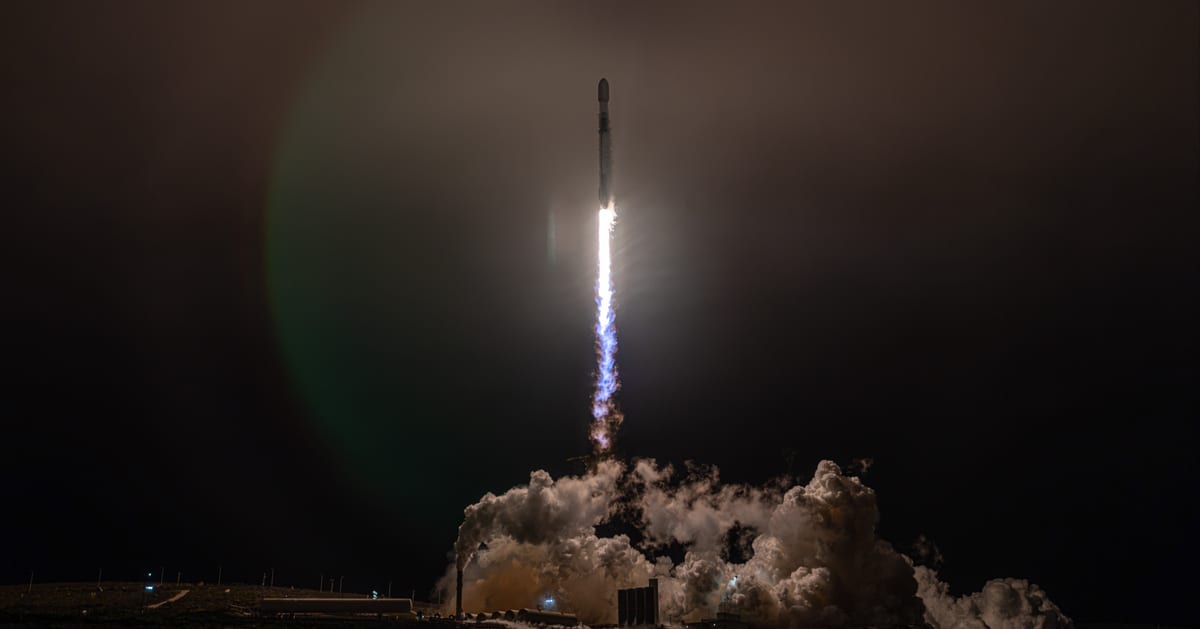
After a five-day delay, SpaceX launched a new set of satellites for the U.S. military on October 10 using its Falcon 9 rocket. On board were 21 “data transport” satellites for the U.S. Space Force’s Space Development Agency (SDA), which is building a network in low Earth orbit. SpaceX had first tried to launch the mission on Monday, October 5, 2026. But the rocket aborted that attempt during the final minute of the countdown, which SpaceX said was due to “some off-nominal data on Stage Two”.
Liftoff! https://t.co/U1JgK60VXM
— SpaceX (@SpaceX) October 10, 2026
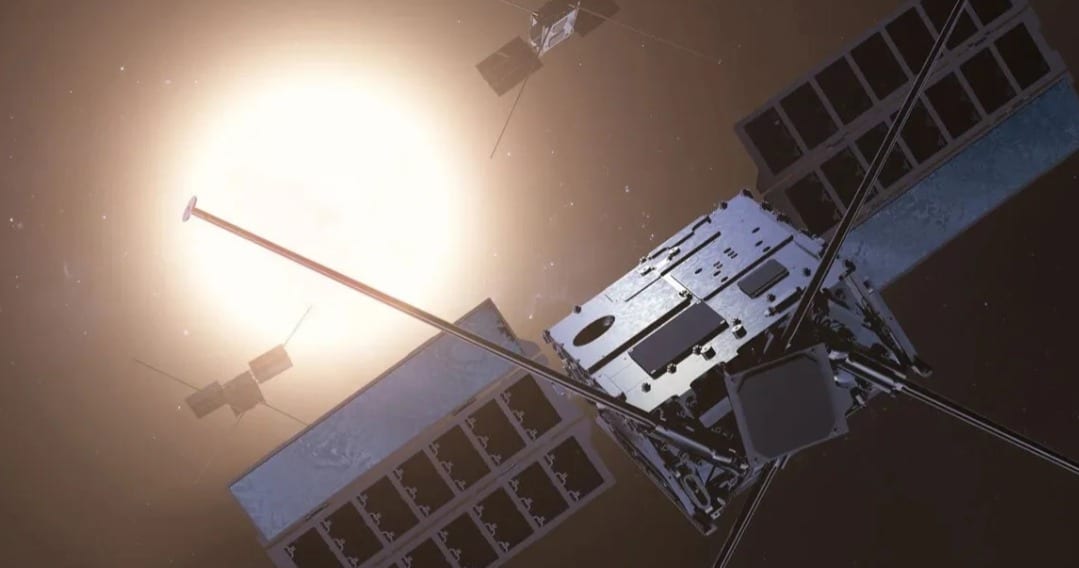
According to SpaceX, the second attempt went smoothly. The rocket’s first stage returned to Vandenberg and landed a little over seven minutes after liftoff. SpaceX ended its webcast shortly after touchdown at the SDA’s request, so viewers did not see the satellites deploy. Northrop Grumman shared that the 21 spacecraft “will provide secure, resilient, low-latency communications and data transport in low Earth orbit,” and they will help connect warfighters with missile-tracking satellites.
Watch Falcon 9 launch the @SemperCitiusSDA’s fourth Tranche 1 data transport mission to low-Earth orbit https://t.co/YbfQf7vHp7
— SpaceX (@SpaceX) October 10, 2026
What are these satellites meant to do?
The satellites belong to the SDA’s Proliferated Warfighter Space Architecture (PWSA). SpaceX describes it as “a mesh network of optically connected satellites in low Earth orbit [LEO] that enable global military tactical communications and missile warning, indication and tracking capabilities.”
Falcon 9 launches the @SemperCitiusSDA's fourth Tranche 1 data transport mission to low-Earth orbit https://t.co/GLPsYDC5E0
— SpaceX (@SpaceX) October 10, 2026
Missile-tracking satellites, meanwhile, generally track for the heat that missiles give off during flight. This was the fourth of nine launches SpaceX will fly for Tranche 1, which the SDA calls its “initial warfighting capability tranche.” Once complete, it will have 154 operational satellites, out of which 126 will be for data transport and 28 for missile tracking. Four missile-defense test satellites will carry a “higher fidelity” infrared sensor than the tracking versions, SDA officials wrote. So far, 84 of the 126 data-transport satellites have launched, all on Falcon 9 rockets from Vandenberg.
What’s next for SpaceX?
Tranche 1 is only the beginning, if all goes according to plan. In a fact sheet, SDA officials wrote, “SDA leverages spiral development to deploy and proliferate new capability into a new generation of the PWSA every two years, called a ‘tranche,’ to continually increase capability used by the warfighter.” The agency aims to keep upgrading the network every two years.
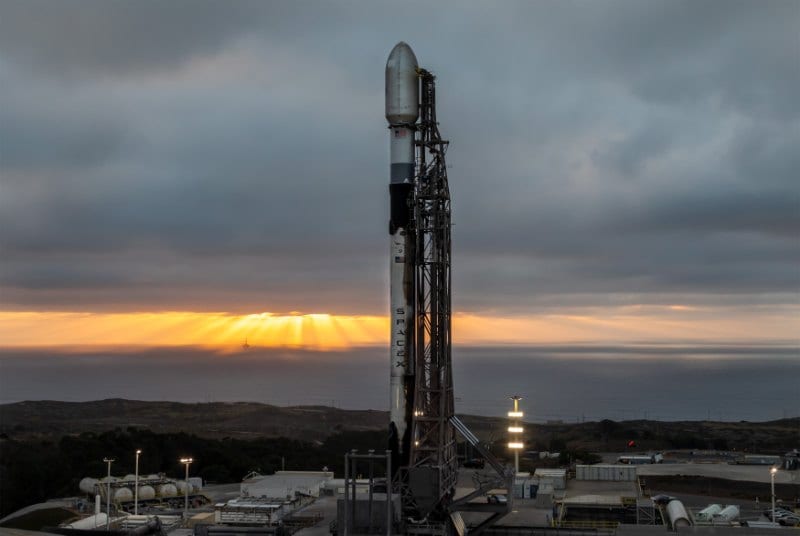
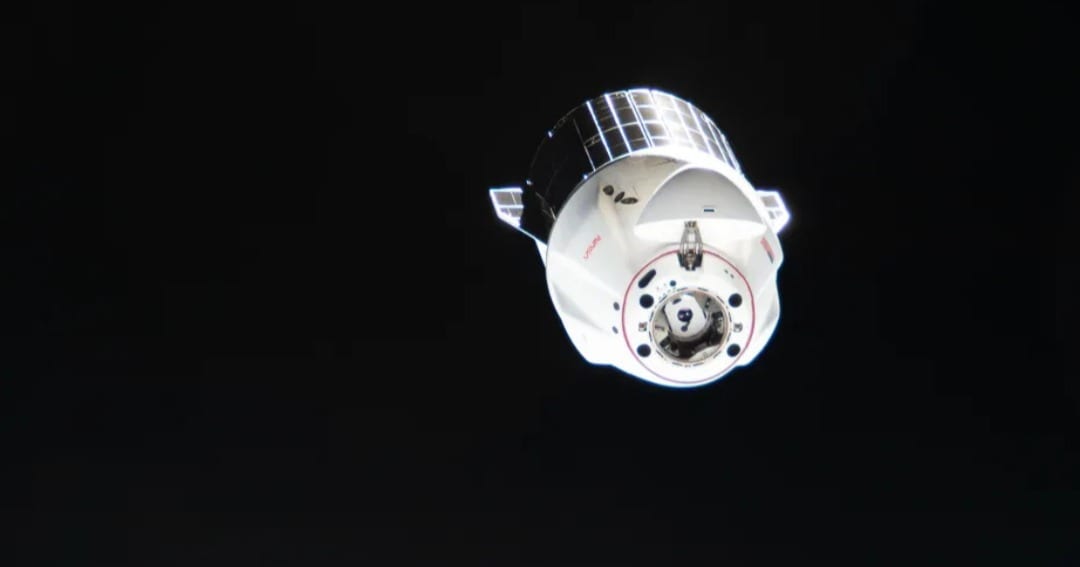
SpaceX will conduct nine launches in total to assemble Tranche 1. This one was the company’s 111th Falcon 9 flight of the year, and more than 70% have supported Starlink, its broadband megaconstellation of more than 11,000 satellites. Earlier, NASA’s Crew-12 returned from the ISS via SpaceX Falcon 9 on October 8 after 237 days away. Before that, Crew-13 launched on October 1 on a trip that NASA said was “the fastest by a U.S. spacecraft in space station history.”