SpaceX targets October 8 for Falcon 9 launch of SDA’s fourth Tranche 1 data transport mission after delay
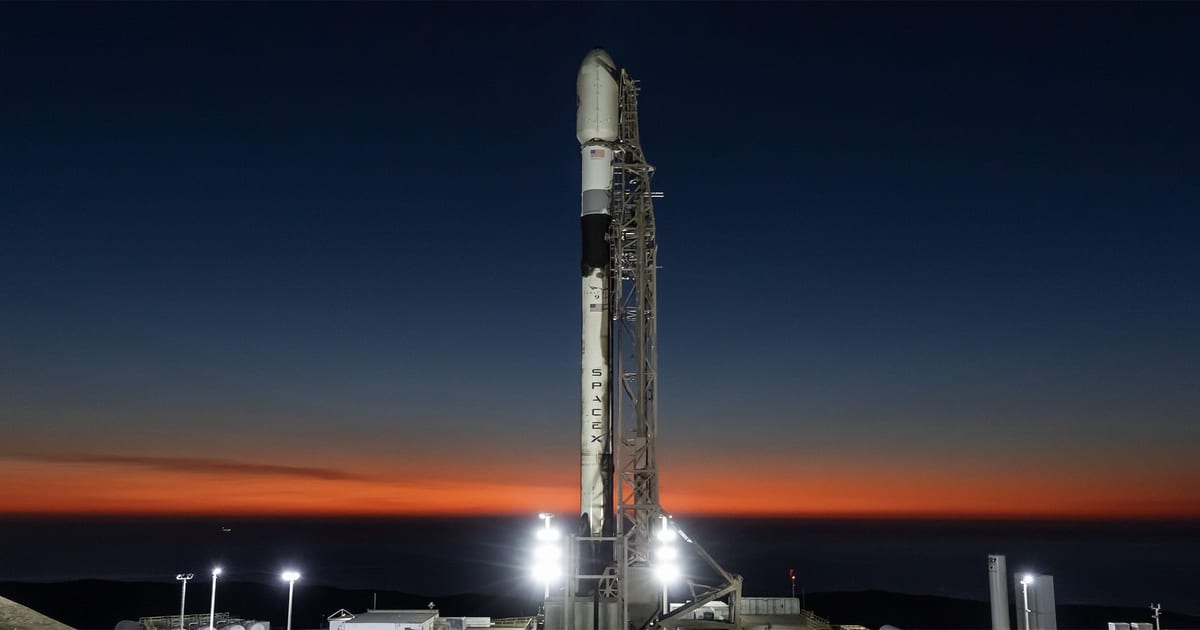
SpaceX has set a new date for the launch of the Space Development Agency’s (SDA) fourth Tranche 1 data transport mission. Now planned for 12:54 am PDT on October 8, 2026, the launch was originally scheduled for the early hours of Monday, but a last-minute scrub forced a postponement. During its terminal countdown, the abort call-out came 58 seconds before liftoff of the Falcon 9 rocket from Space Launch Complex 4 East (SLC-4E) at Vandenberg Space Force Base in California. Thursday's launch is to be the fourth of nine Tranche 1 missions by the SDA, which is recognized as a "constructive disruptor" for space acquisition created by the U.S. Department of Defense.
Now targeting Thursday, October 8 for Falcon 9’s launch of the @SemperCitiusSDA’s fourth Tranche 1 data transport mission → https://t.co/wz4JbJVy1b
— SpaceX (@SpaceX) October 6, 2026
The mission is meant to enable the SDA’s Proliferated Warfighter Space Architecture (PWSA). This will manifest as a large network of satellites in low Earth orbit that will allow communications to occur globally, providing the U.S. military with a way to disseminate tactical information. This can include missile warning, indication, and tracking capabilities. Such proliferated satellite constellations have been highlighted by some of the top brass of the U.S. military during recent revelations about the deployment of space weapons, including one which is called the Air Moving Target Indication constellation. This constellation is designed to track and target airborne threats from around the world.
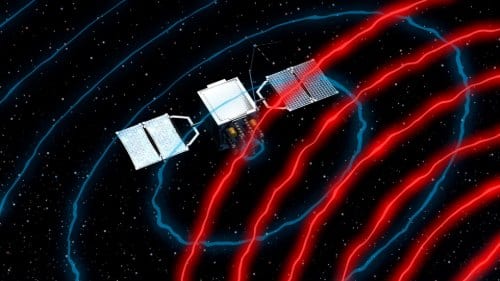
Such missions are part of a broader push by the U.S. Space Force to bolster defenses and deter adversaries. Danger is perceived to come from a number of different types of space threats which could possibly destroy important components of the American defense architecture. The SDA, which was created in 2019 and reports to the USSF, will see 21 data transport satellites deployed along a fourth distinct trajectory around the Earth.
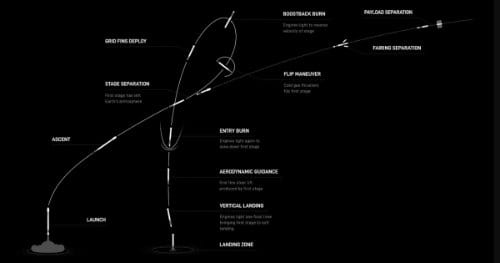
From SpaceX's perspective, this will be the sixth flight for the first-stage booster that will help put the SDA satellites into orbit. The booster has flown as part of a previous SDA mission as well, and after Thursday's launch, it will return to Landing Zone 4 (LZ-4) at Vandenberg Space Force Base. SpaceX has not divulged the reason for the scrub on Tuesday morning, although teams did confirm that the rocket has remained in good health along with all of its components and payload. Should similar issues arise on Thursday as well, a second launch window will also open at 12:47 am PDT the following day. The Elon Musk-owned company has also warned that, due to the Falcon 9 launch, residents of Santa Barbara, San Luis Obispo, and Ventura counties along the Californian coast may hear a couple of sonic booms depending on the weather.