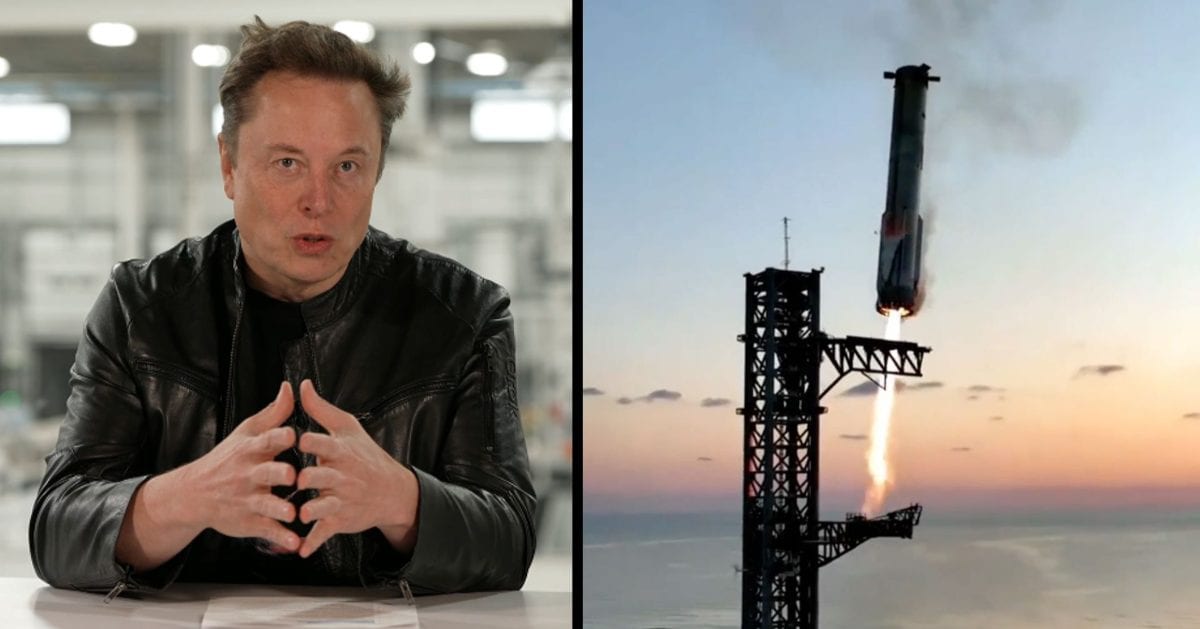
Watch: SpaceX launches NASA's Crew-13 on a record-fast trip to the ISS; Falcon 9 booster nails landing
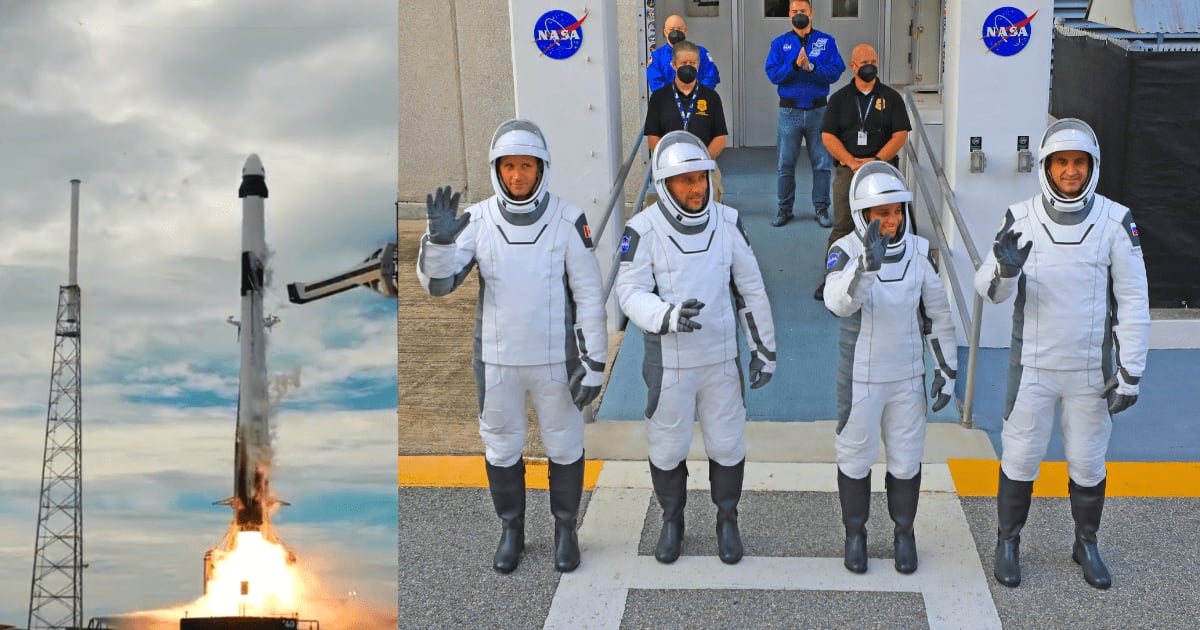
Godspeed Crew-13! Four astronauts are now on their way to the International Space Station (ISS) for NASA's Crew-13 mission. The launch took place today (October 1) as SpaceX's Falcon 9 rocket lifted off on schedule at 11:10 a.m. EDT (1510 GMT) from Space Launch Complex 40, Florida. According to NASA, the trip is expected to take a total of 7 hours and 50 minutes, which would make it "the fastest by a U.S. spacecraft in space station history."
And Crew-13 is off to the International @Space_Station! https://t.co/f5GR7wpHkU
— NASA's Johnson Space Center (@NASAJohnson) October 1, 2026
Shortly after liftoff, the rocket's first stage separated, and the second stage ignited as planned to carry Crew-13 toward orbit. The Falcon 9 booster then landed at Cape Canaveral Space Force Station. Docking with the ISS is now expected at 7:00 pm EDT, and the hatch is scheduled to open at 8:45 pm EDT. October 01 also marks NASA’s 68th birthday, which the space agency celebrated with this launch to the ISS.
Mission Control: locked in for launch.@NASA's @SpaceX Crew‑13 is now orbiting Earth after this morning’s liftoff, and Houston is locked in as Dragon continues its journey toward docking to the International @Space_Station. Teams in the Christopher C. Kraft Jr. Mission Control… pic.twitter.com/L134uio031
— NASA's Johnson Space Center (@NASAJohnson) October 1, 2026
Key highlights of the SpaceX Crew-13 launch
Four astronauts and cosmonauts make up Crew-13. NASA’s Jessica Watkins will command the spacecraft, with Luke Delaney serving as pilot, while Joshua Kutryk of the Canadian Space Agency and Roscosmos’ Sergey Teteryatnikov will join as mission specialists. Those who are keeping an eye on this event can watch it live as SpaceX will stream the launch on its website, X (@SpaceX), as well as via NASA's official channels. The live coverage will now begin again at 5:20 p.m. EDT.
What will the crew do aboard the ISS?
Crew-13 is the 13th crew rotation flight that SpaceX has flown to the station under NASA's Commercial Crew Office. Once the crew is aboard the ISS, they will join the station's Expedition 75 crew for a long-duration stay. Dana Weigel, manager of NASA’s Low Earth Orbit Program, explained, "During the mission, the crew will help researchers treat heart disease and Parkinson's disease by studying human stem-cell derived tissues that can help improve medicine, disease modeling, and pharmaceutical testing," she said. These activities will help NASA better prepare for future missions to the Moon and beyond.

What’s next for this mission?
Crew Dragon will now separate from the rocket’s second stage and then start a series of phasing burns. These burns will gradually raise the spacecraft’s orbit so it can rendezvous with the ISS. And once Dragon is within range, it will communicate with the station and line up for docking. After docking, the vestibule between the two spacecraft will be pressurized, and the hatch will finally open. This will mark the end of the launch, and the crew will be welcomed aboard the ISS by the Expedition 75 crew.
The welcome crew is ready! 🙌 https://t.co/8EDwQ8o45I
— NASA's Johnson Space Center (@NASAJohnson) October 1, 2026
Before the liftoff, Watkins thanked the team by saying, "On behalf of Luke, Josh, Sergey, and myself, thank you to the dedicated teams at NASA, SpaceX, CSA, and Roscosmos, who come together every day to make the impossible look easy, the extraordinary look routine, and the future of exploration look bright," she said. "To our families and friends, we wouldn't be here today without your love, support, and sacrifice. Human spaceflight is truly a team sport, and it is an honor and a privilege to represent all of you who have contributed to the success of this mission. With gratitude and grace, Crew-13 is ready to fly."
More on Starlust:
3 rockets, 2 coasts, 13 hours: SpaceX attempts rare launch marathon today
Starship Flight 14 in photos: See how SpaceX executed the first orbital test of its giant rocket