Watch: Splashdown! NASA's Crew-12 astronauts return to Earth after 237 days in space
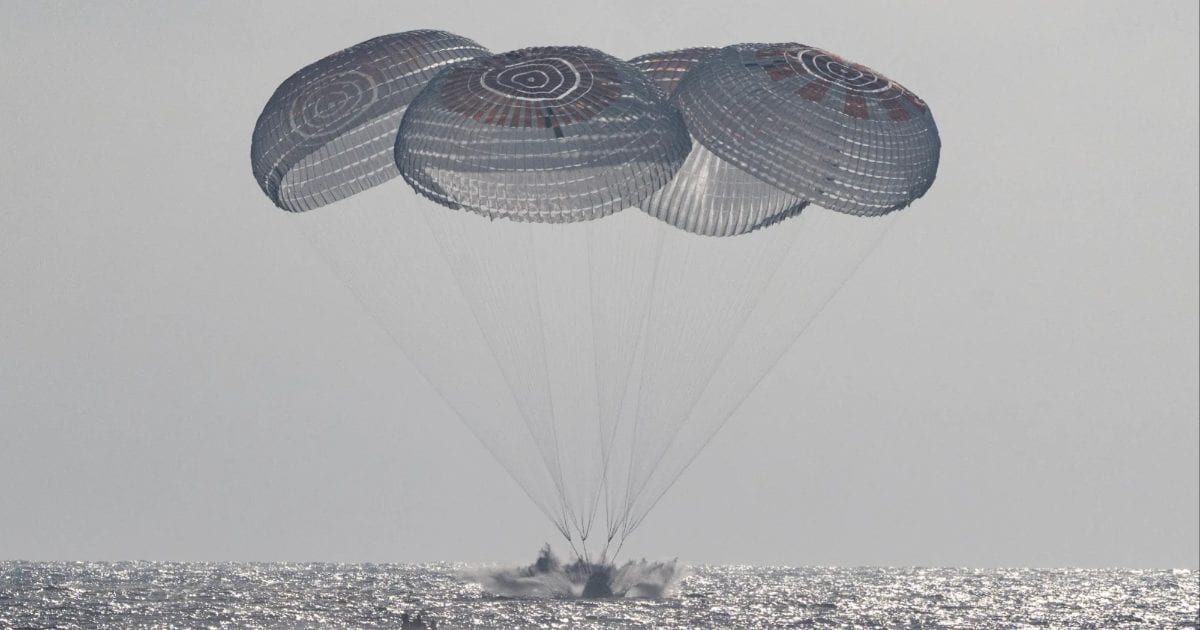
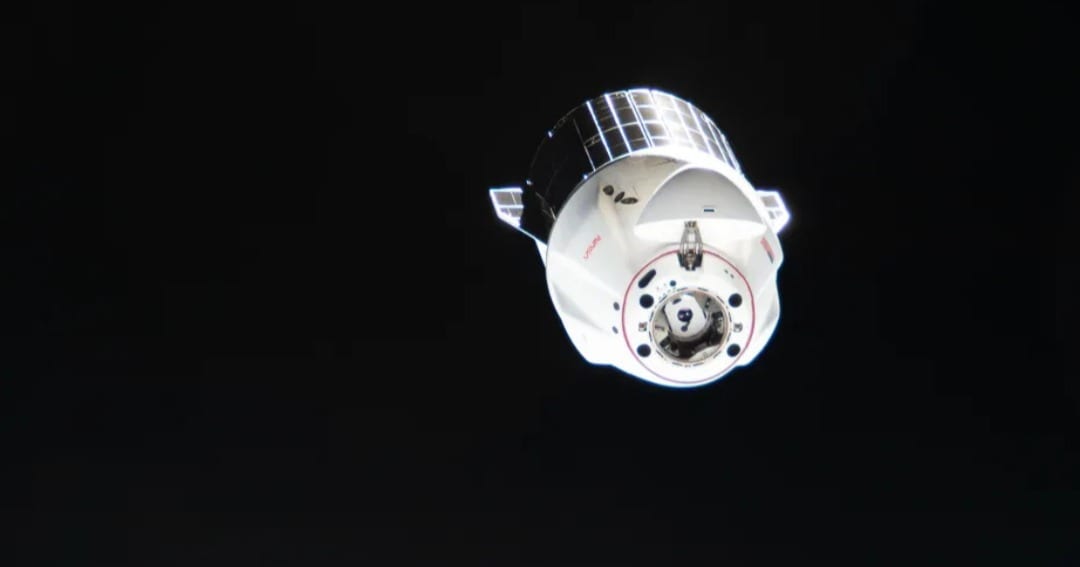
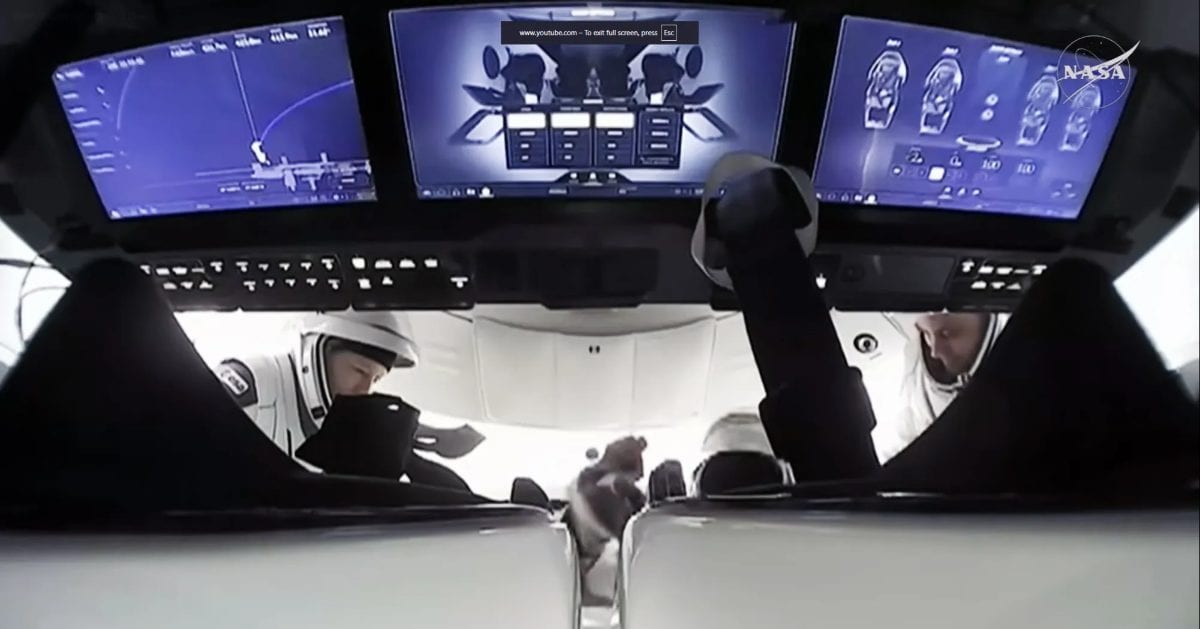
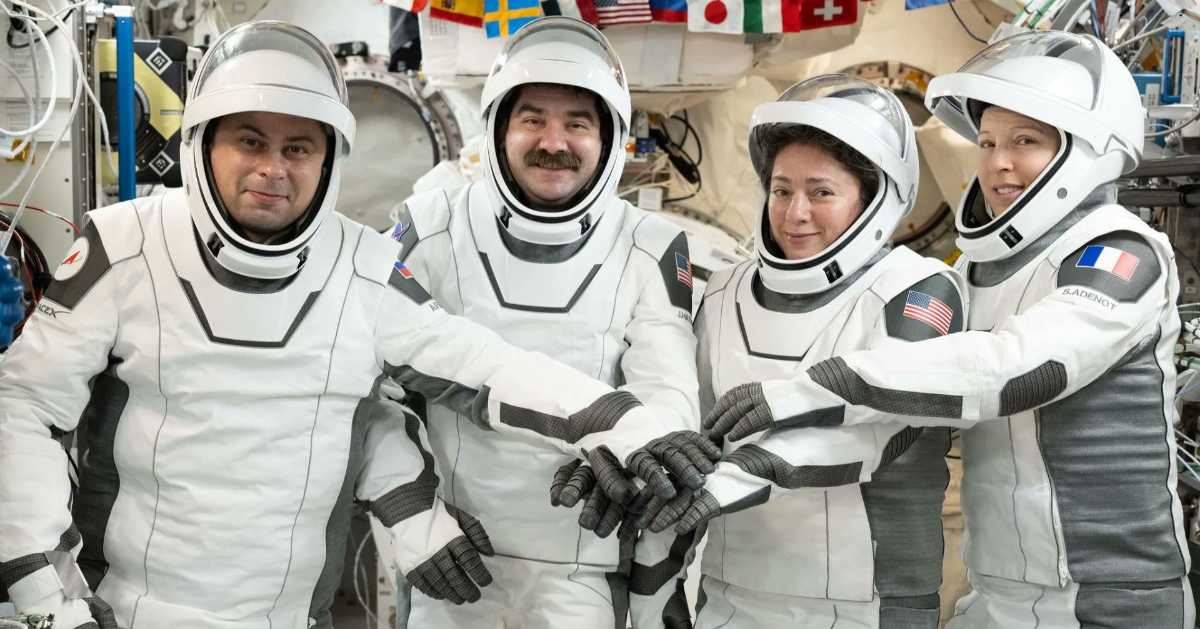
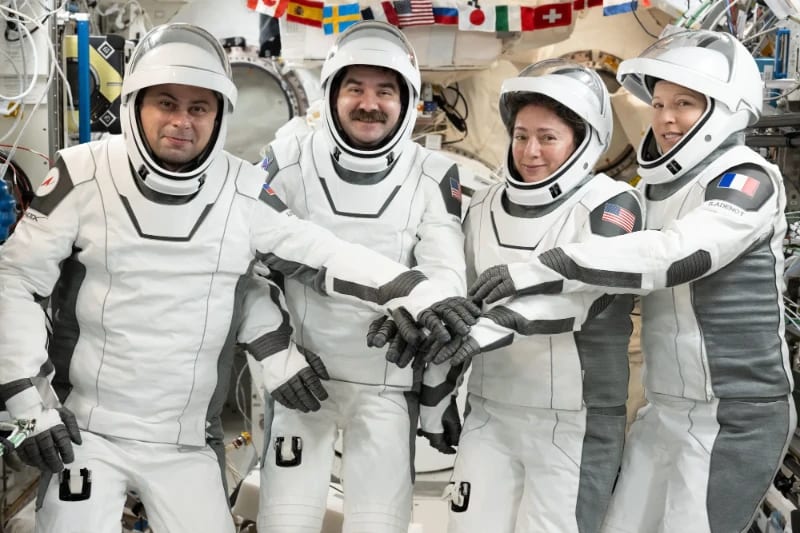
Welcome home, Crew-12! On October 8, four astronauts from NASA's SpaceX Crew-12 mission successfully returned from the International Space Station (ISS) after spending 237 days away from Earth. Their Crew Dragon capsule, named Freedom, touched down at 11:34 a.m. EDT. The crew that made the journey back home included NASA's Jessica Meir and Jack Hathaway, Sophie Adenot of the European Space Agency (ESA), and Andrey Fedyaev of Roscosmos.
Splashdown of Dragon confirmed! https://t.co/P2o7A3Gytf
— SpaceX (@SpaceX) October 8, 2026
As per NASA, everything went smoothly, and the splashdown happened as planned. The recovery crew used two fast boats to secure the capsule and check the area before moving in for a closer approach. After this, the astronauts were extracted aboard the ship. At a press conference afterward, Bill Spetch, deputy manager of commercial for NASA's Low Earth Orbit Program, said, "The crew is doing well. They were all smiles exiting the capsule."
LIVE: After 237 days and 100 million miles in orbit, Crew-12 is returning to Earth. Watch with us as they splash down in the Pacific at 11:34am ET (1534 UTC). https://t.co/KIUJKUAQJy
— NASA (@NASA) October 8, 2026
During this mission, Sophie Adenot spent a total of 237 days in space without a break, which is the longest continuous stay ever by an ESA astronaut. Also, on August 18, she became the first French woman to walk in space. Over the next two weeks, she completed two more spacewalks, and one of them was with Meir. That outing was only the sixth spacewalk in station history carried out entirely by women. Over the course of the mission, Jessica Meir took part in four spacewalks, making it seven in total throughout her career. That ranks her third among women at NASA, behind former astronauts Peggy Whitson and Suni Williams.
There she is! ESA astronaut Sophie Adenot is helped out of Dragon Freedom and takes her first breaths of fresh air after nearly eight months in space. 🌍 We’re so happy to see you, @Soph_astro! #εpsilon https://t.co/OwFFV2QV3i
— Human Spaceflight (@esaspaceflight) October 8, 2026
What did Crew-12 do aboard the ISS?
Commenting on the mission, Dana Weigel, manager of NASA's Low Earth Orbit Program at Johnson Space Center, said in an official statement, "NASA's activities supporting the International Space Station — transporting crew, conducting impactful research, and maintaining critical national assets — enable the science, engineering, and risk‑reduction needed for future missions across the solar system. We're grateful for the dedication across the human spaceflight team that makes this possible, and we're thrilled to welcome Jessica, Jack, Sophie, and Andrey home."
Dragon Freedom is safely aboard Shannon, securely resting in what the teams call the “Dragon nest”. ✅ The spacecraft will now be moved into position for the side hatch to be opened and the Crew-12 astronauts to be helped out one by one. #εpsilon https://t.co/EPL2syo94v
— Human Spaceflight (@esaspaceflight) October 8, 2026
The crew also stayed busy with their research projects. Their work included testing stem cell production for cell-based therapies and showing that IV fluids can be made on demand for future missions. NASA says this research will help prepare for human exploration of the Moon and Mars.
What comes next?
After standard medical screenings, the crew will fly to shore and then return to Johnson Space Center in Houston. The crew will then begin a 45-day postflight conditioning process, which will help their bodies readjust to life with gravity. They will also discuss the mission at a news conference at 3:30 p.m. EDT on Thursday, October 15, 2026. Their replacements, the four-person Crew-13, reached the station on October 1 in less than eight hours after launch, making it the quickest trip ever by an American spacecraft.