Watch: SpaceX's Falcon Heavy rocket successfully launches NROL-97, its first classified mission for U.S. government
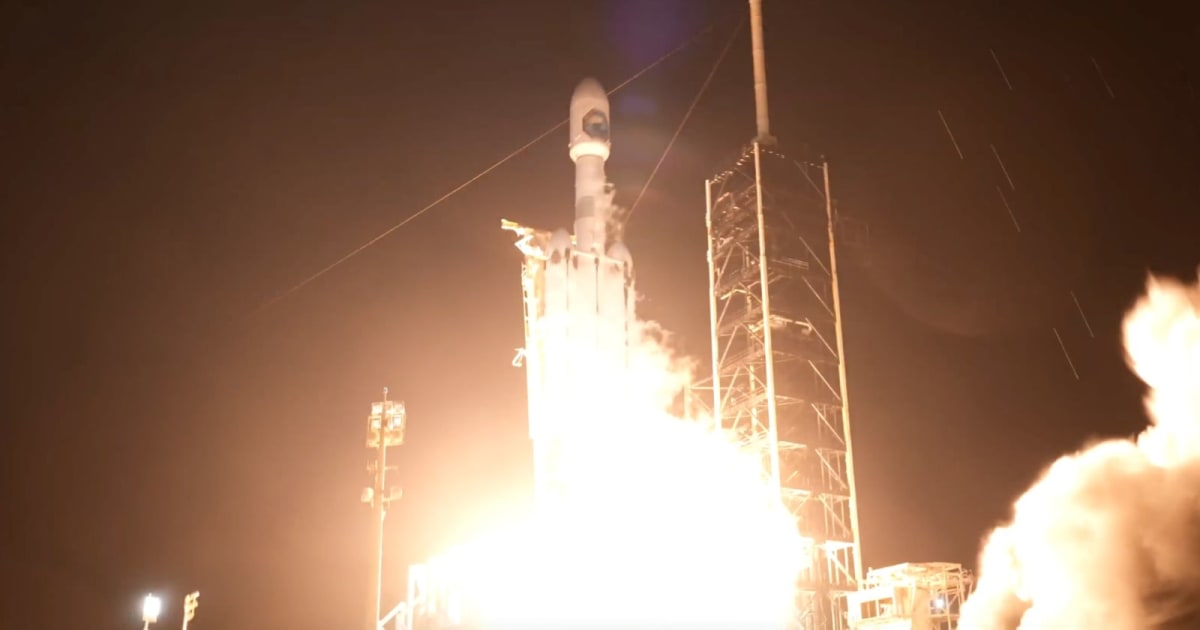
SpaceX on Friday launched its third mission within a span of 13 hours, sending a classified payload to low-Earth orbit for the National Reconnaissance Office (NRO) and the U.S. Space Force’s Space Systems Command. The mission named NROL-97 lifted off atop the Falcon Heavy rocket at 11:53 pm EDT from Launch Complex 39A (LC-39A) at NASA’s Kennedy Space Center in Florida, marking its third mission of 2026. It was also the vehicle's 14th launch from pad 39A.
Falcon Heavy lifts off from pad 39A in Florida for the 14th time! pic.twitter.com/uuZLKNTdD7
— SpaceX (@SpaceX) October 2, 2026
About eight minutes later, the two side boosters of the rocket touched down at SpaceX’s Landing Zones 1 and 2 (LZ-1 and LZ-2) at Florida’s Cape Canaveral Space Force Station. According to SpaceX, this mission marked the second and fourth flight for the side boosters which previously launched the GOES-U, Viasat-3 F3, and Roman Space Telescope missions.
Falcon Heavy’s side boosters land on LZ-1 and LZ-2 pic.twitter.com/dBPcNeggFx
— SpaceX (@SpaceX) October 2, 2026
Interestingly, the NROL-97 is the first mission SpaceX has launched for NRO on the Falcon Heavy. The previous 22 missions were launched over the last nine years on the Falcon 9 rocket. Neither SpaceX nor the NRO have released details of the payload launched on this mission or the altitude it will deployed at due to its classified nature. SpaceX even ended the livestream shortly after the booster landing, sharing no status on the Falcon Heavy’s upper stage that will deploy the payload.
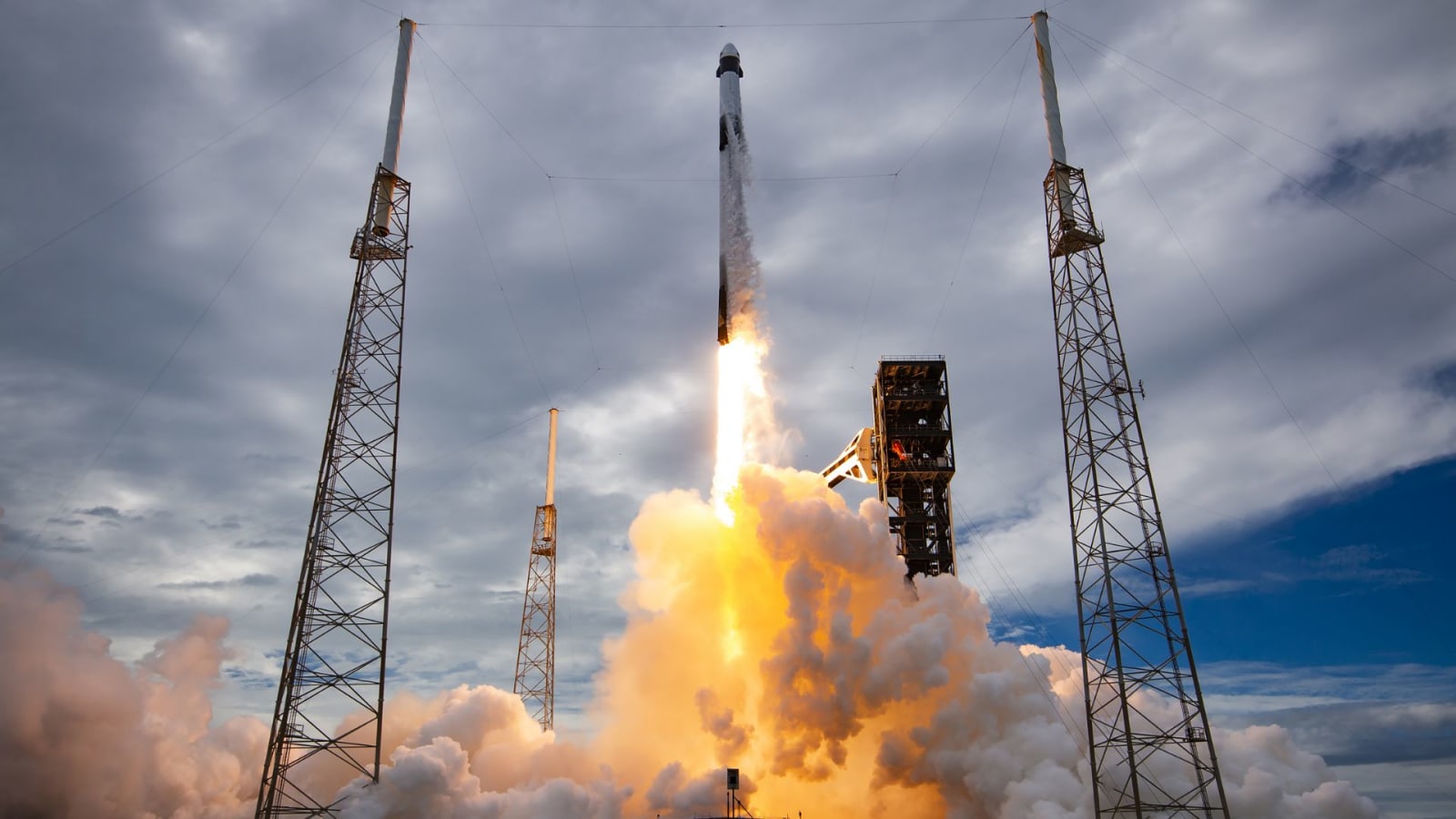
Prior to the NROL-97, SpaceX launched two other missions all within a span of 13 hours. The first was NASA’s Crew-13 which lifted off from Cape Canaveral at 11:10 am EDT with four astronauts on a Falcon 9 rocket. The Dragon spacecraft they rode docked with the station just 7 hours and 55 minutes later, making it the fastest trip by a US vehicle in history. It was the third flight of the first stage booster supporting this mission which has previously flown the Crew-12 and one Starlink mission. The spacecraft, on the other hand, was a refurbished one which was used for the Crew-4 mission in April 2022.
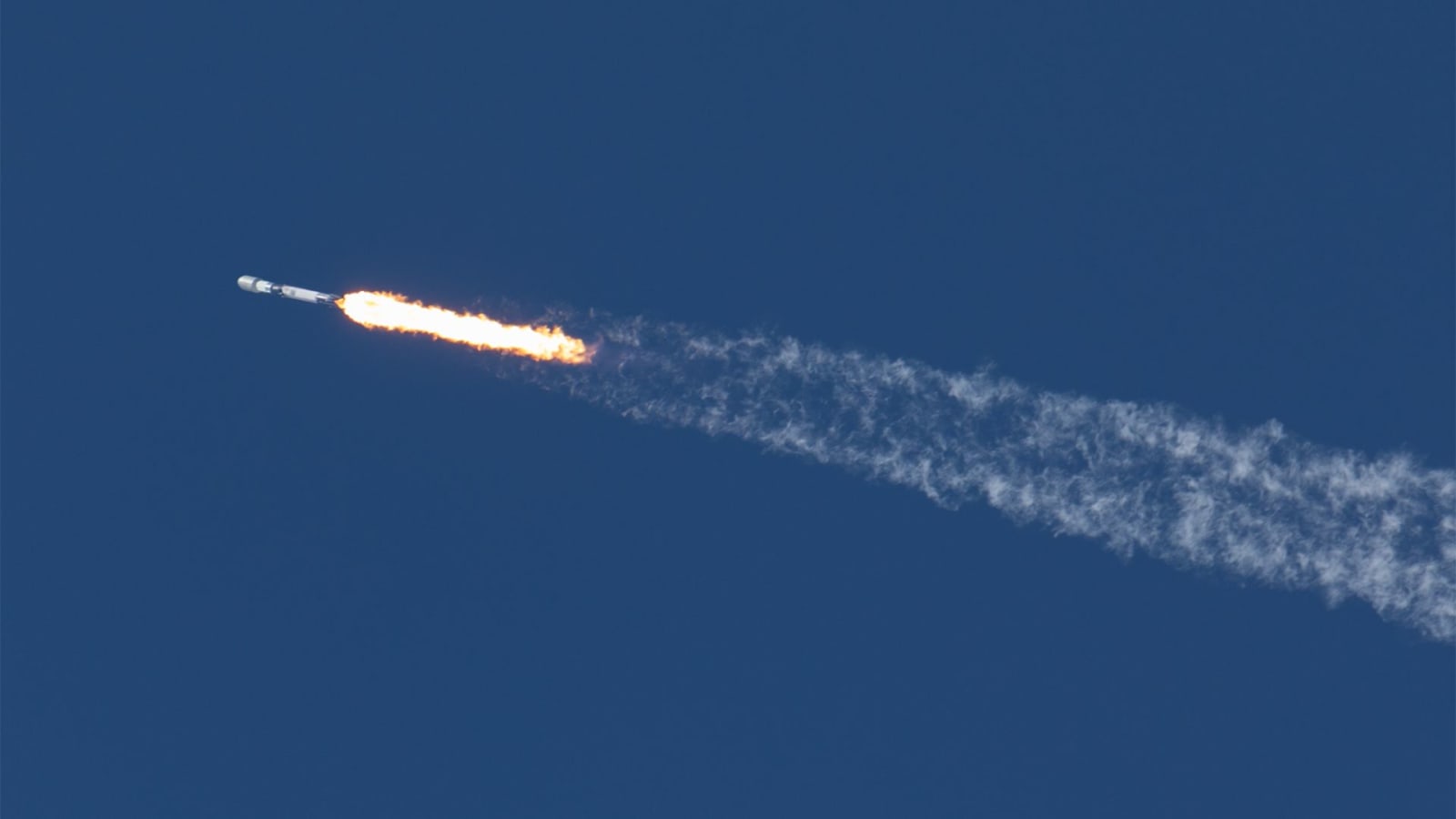
The second launch of the day was the Transporter-18 rideshare mission which lifted off at 2:32 pm EDT from the Vandenberg Space Force Base in California on a Falcon 9 rocket. It had a total of 130 payloads including an early test version for Google's Project Suncatcher aimed at operating an Artificial Intelligence (AI) constellation in space. The booster supporting this mission completed its 25th flight after launching USSF-62, OneWeb Launch 20, NROL-145 and 21 Starlink missions. In 2021, SpaceX had set the record of launching 143 payloads on a single rocket during the Transporter-1 mission.
More on Starlust
Starship Flight 14 in photos: See how SpaceX executed the first orbital test of its giant rocket