Webb Telescope illuminates hidden black holes feasting on stars in dusty cosmic corners
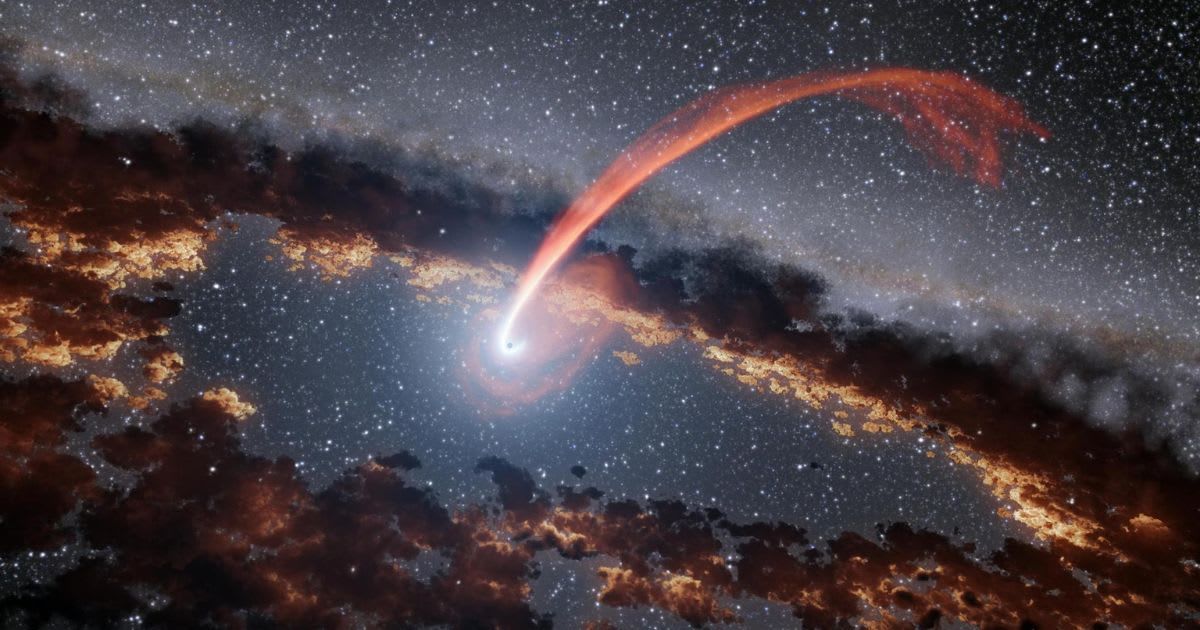
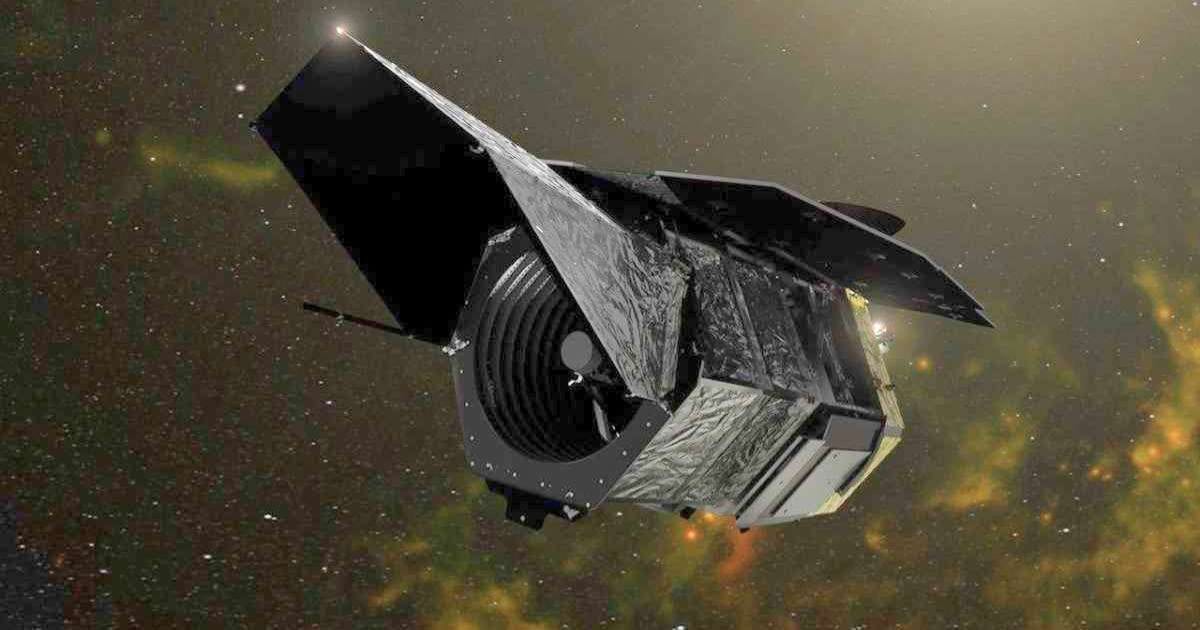
The James Webb Space Telescope (JWST) has provided an unprecedented look into galaxies veiled by cosmic dust, uncovering definitive evidence of black holes feasting on stars. This marks a significant development in understanding elusive "tidal disruption events" (TDEs), where stars are torn apart by a galaxy's central black hole. A team of astronomers from MIT, Columbia University, and other institutions utilized the JWST's infrared capabilities to penetrate the obscuring dust that has historically hidden these dramatic cosmic occurrences. Their findings, published in Astrophysical Journal Letters, confirm several TDEs previously unobservable by conventional X-ray and optical telescopes, according to the Massachusetts Institute of Technology.
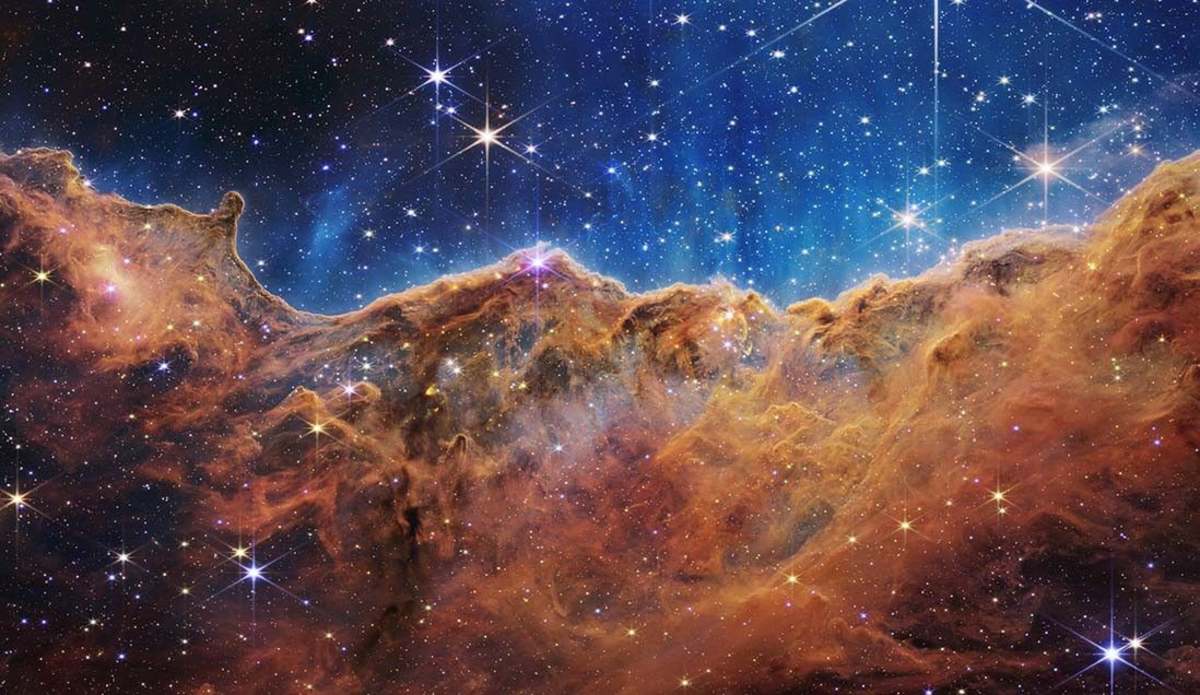
Scientists have documented approximately 100 TDEs since the 1990s, primarily in less dusty galaxies, observed as fleeting bursts of X-ray or optical light. However, recent research from MIT indicated a far greater number of these star-shredding events might be concealed within dust-laden galaxies, as the intense light from a TDE can heat surrounding dust, generating a distinct infrared signal. The JWST, recognized as a powerful infrared detector, was deployed to scrutinize four dusty galaxies suspected of hosting TDEs. Within these cosmic veils, the telescope detected undeniable signatures of black hole recreation, the process by which stellar debris spirals and ultimately plunges into a black hole. Crucially, the observed patterns were markedly different from the dust environments surrounding continuously active galactic nuclei, where black holes constantly draw in surrounding material.

These observations conclusively confirm that TDEs occurred in all four galaxies. Furthermore, the researchers conclude that these events were initiated by dormant black holes, which remained largely inactive until a star strayed too close. “These are the first JWST observations of tidal disruption events, and they look nothing like what we’ve ever seen before,” stated lead author Megan Masterson, a graduate student in MIT’s Kavli Institute for Astrophysics and Space Research. “We’ve learned these are indeed powered by black hole accretion, and they don’t look like environments around normal active black holes. The fact that we’re now able to study what that dormant black hole environment actually looks like is an exciting aspect.”
The study highlights JWST's capacity in unveiling and meticulously studying these otherwise hidden TDEs, offering new insights into the fundamental distinctions between the environments of active and dormant black holes. This research, building upon prior work utilizing NASA's NEOWISE mission, employed a sophisticated algorithm to identify infrared "transients," brief surges of infrared activity in otherwise quiet galaxies, indicative of a black hole's sudden awakening and consumption of a star.
Masterson emphasized the JWST's enhanced sensitivity, likening it to seeing the full spectrum of light compared to the limited "red or blue" vision offered by less advanced instruments. The team specifically sought an infrared peak uniquely generated by black hole recreation, a process that can ionize neon atoms, causing them to emit infrared radiation at a specific wavelength detectable by JWST. “There’s nothing else in the universe that can excite this gas to these energies, except for black hole accretion,” Masterson explained, as mentioned by the outlet.
The four signals investigated include the closest TDE discovered to date (approximately 130 million light-years away), a TDE also exhibiting an X-ray burst, a signal potentially from gas rapidly orbiting a central black hole, and a signal previously mistaken for a supernova. “These four signals were as close as we could get to a sure thing,” Masterson noted. “But the JWST data helped us say definitively these are bona fide TDEs.” Masterson and her collaborators plan to utilize NEOWISE, JWST, and other infrared telescopes to uncover many more previously hidden TDEs. They anticipate that a sufficient number of detections will allow TDEs to serve as crucial probes into black hole properties, such as their mass and spin, based on how much of a star is shredded and the speed at which its debris is accreted.