The next era of lunar exploration: Upcoming Moon missions to watch in 2026 and beyond
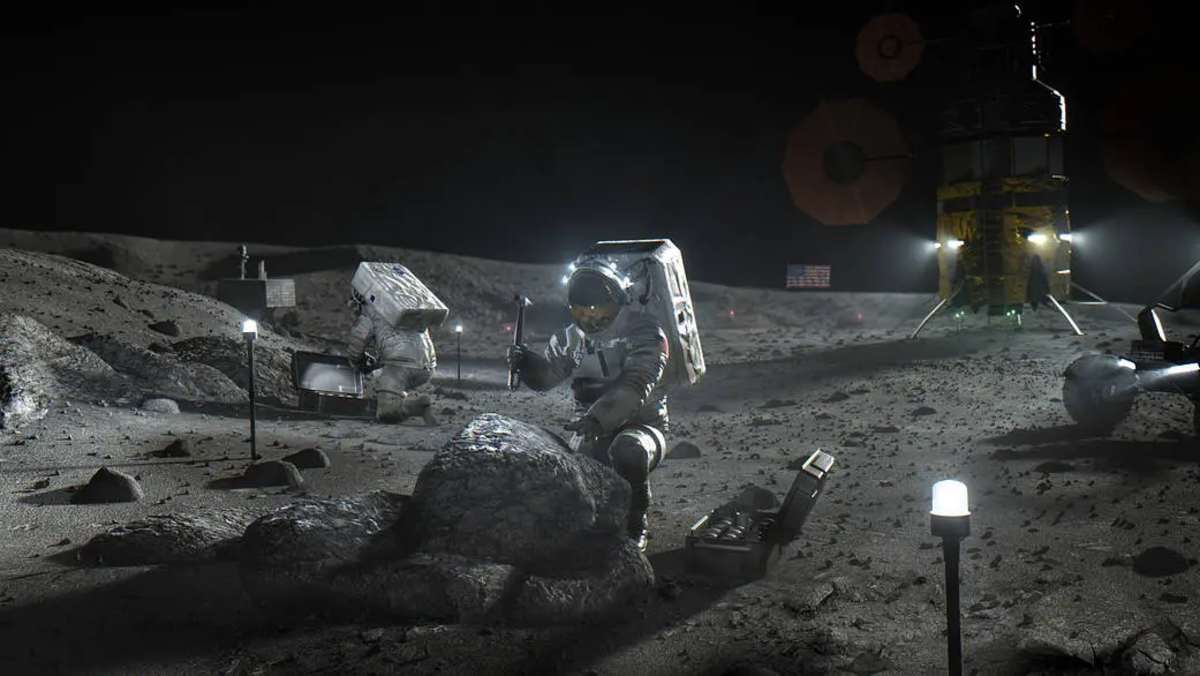
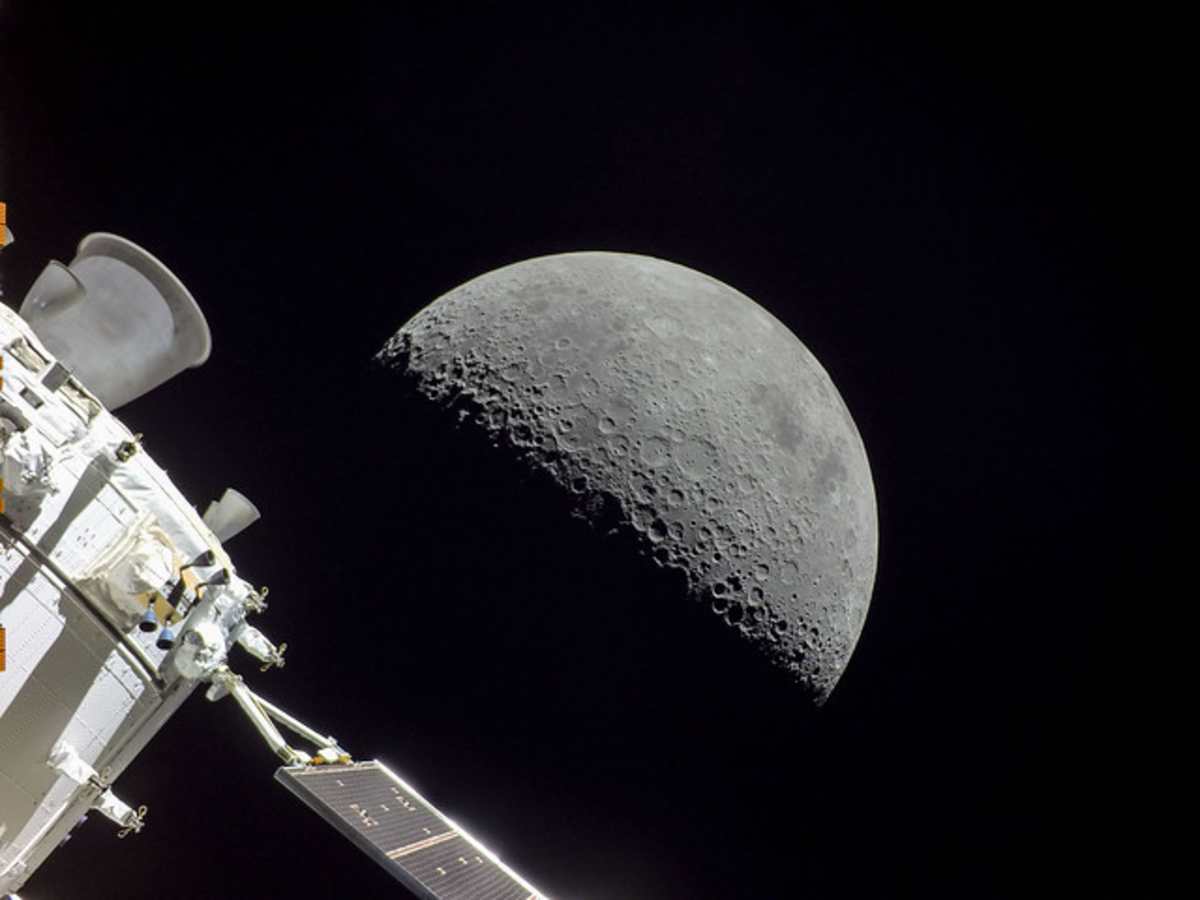
Every year on July 20, the world celebrates International Moon Day to commemorate the historic landing of Apollo 11 astronauts on the lunar surface. It was on this day in 1969 that NASA astronauts Neil Armstrong and Edwin 'Buzz' Aldrin walked on the Moon and inspired generations after them. Now that the Moon is in focus again after Artemis II, which launched in April 2026, a slew of uncrewed and manned global missions are in the pipeline to understand our closest celestial neighbor better, harness its resources, and even build a sustained human presence there. This diverse set of missions ranges from NASA-backed commercial lunar landers that are set to fly to the lunar South Pole later this year to spacecraft from China and India, which will also further their respective countries' lunar exploration goals.
The era of private space exploration
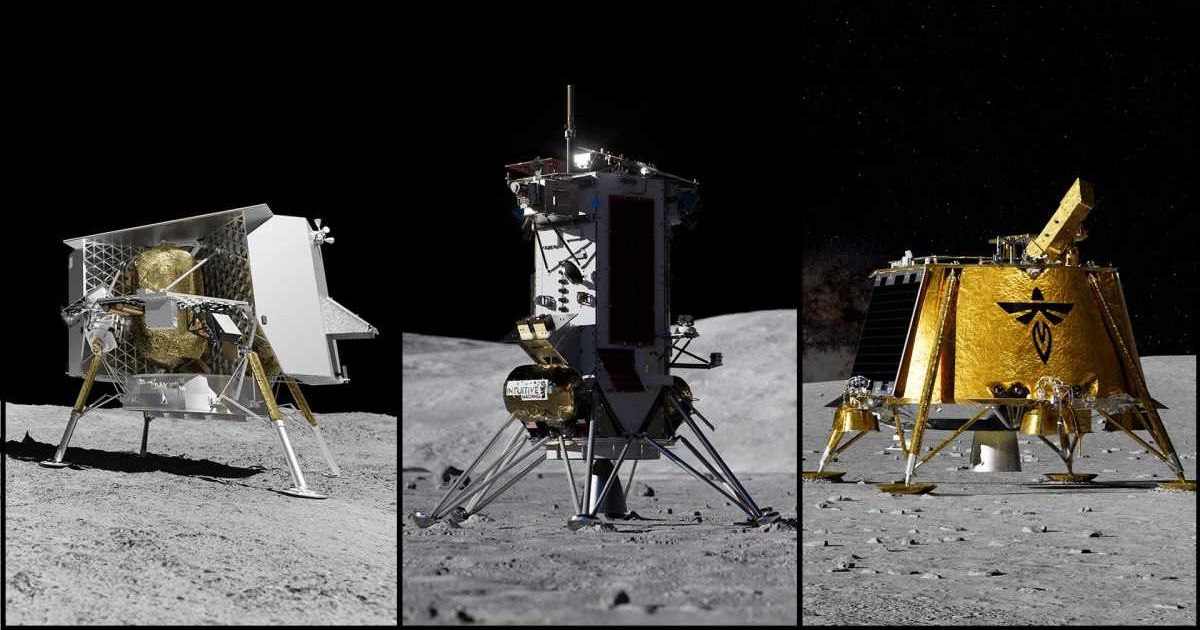
In order to save costs and ensure faster turnaround time, NASA has been funding private companies under the Commercial Lunar Payload Services (CLPS) initiative, which encourages commercial landers to carry its payloads to the Moon. Presently, firms like Blue Origin, Intuitive Machines, Astrobotic, and Firefly Aerospace are the major contractors that are preparing their landers to deliver science payloads and test technologies that will support the Artemis campaign—NASA's plan to return astronauts to the Moon and ultimately establish a $30 billion base through a three-phase approach.

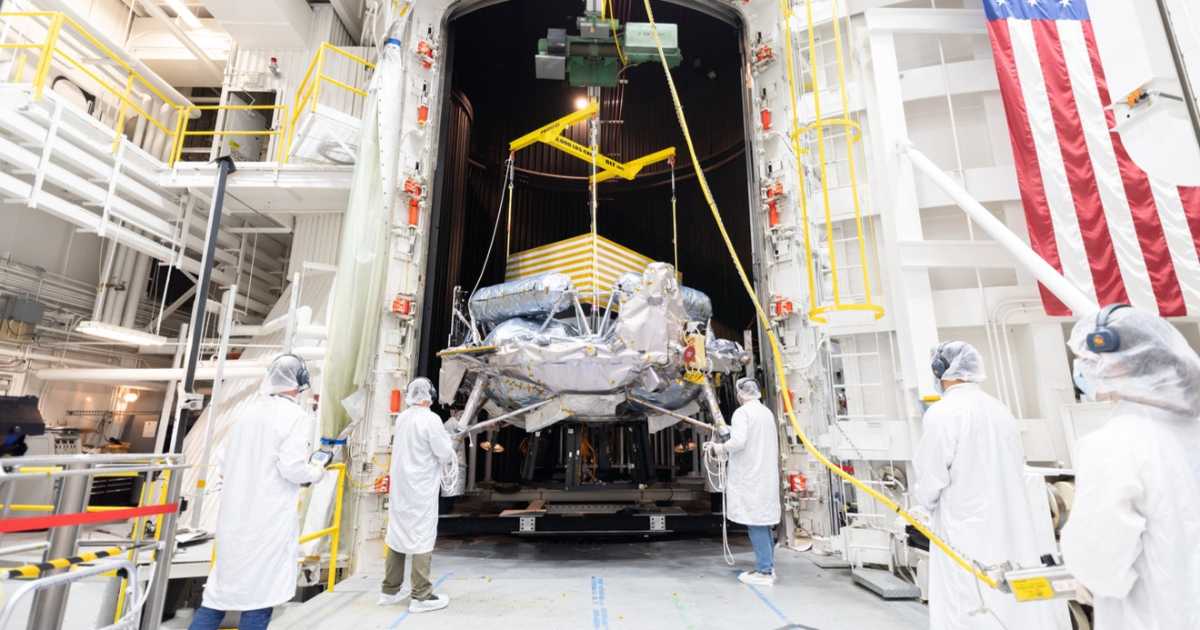
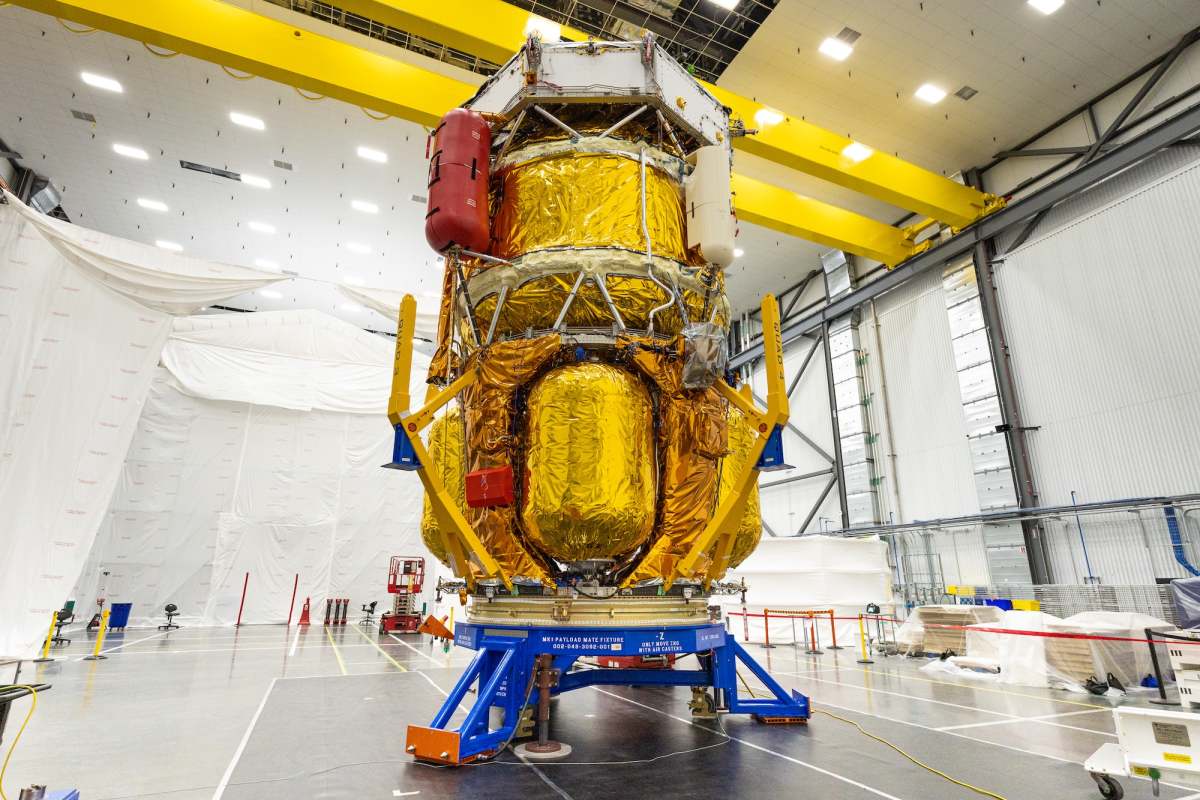
Blue Origin is preparing to launch its Blue Moon Mark 1 Endurance lander to the Shackleton Connecting Ridge near the lunar South Pole as the Moon Base I mission of Phase I with objectives to demonstrate precision landing, cryogenic propulsion, and autonomous guidance, navigation, and control that could reduce risk on future crewed Artemis missions. While the launch was targeted in the fall of 2026, the explosion of Blue Origin’s New Glenn rocket that rocked the company in May may push the timeline into 2027. Meanwhile, Astrobotic's Griffin lander, which will help demonstrate mobility capabilities besides commercial lunar landing during Phase 1, is set to deliver the largest commercial payload to the lunar surface this year (more than 1,100 pounds) as the Moon Base II mission. This will include Astrolab's FLIP (FLEX Lunar Innovation Platform) rover, which, in turn, will inform the development of the company's future FLEX (Flexible Logistics and Exploration) rover.
Moon Base III involves Intuitive Machines’ Nova-C Trinity lunar lander, which could launch this year if it remains on schedule. Loaded with multiple payloads, the mission objectives involve studying lunar swirls, or light spots on the surface of the Moon, to improve understanding of surface evolution and material behavior under extreme conditions.
Firefly is also looking to launch its Blue Ghost Mission 2 lander to the far side of the Moon this year. Using the six payloads, including two from NASA and one from the European Space Agency (ESA), the mission will focus on improving lunar communications, enhancing lunar surface mobility, demonstrating technologies for a lunar power grid, and uncovering the Moon’s geological properties and minerals to support future infrastructure and habitation. The lander, which will carry a tiny rover from the UAE, will be attached to an orbiter called Elytra that will deploy Blue Ghost and the ESA's Pathfinder satellite into lunar orbit. Firefly says Elytra will operate in the Moon's orbit for five years to enable the Ocula lunar imaging service.
More missions to watch out for
China’s Chang’e-7
China’s next lunar mission, Chang’e-7, is reportedly scheduled to launch in August and will include an orbiter and a lander along with a rover and a hopping probe to investigate the lunar South Pole’s permanently shadowed craters. These craters, which never receive any sunlight, are believed to contain significant deposits of water ice that could be used to produce breathable air, water, and even rocket fuel.
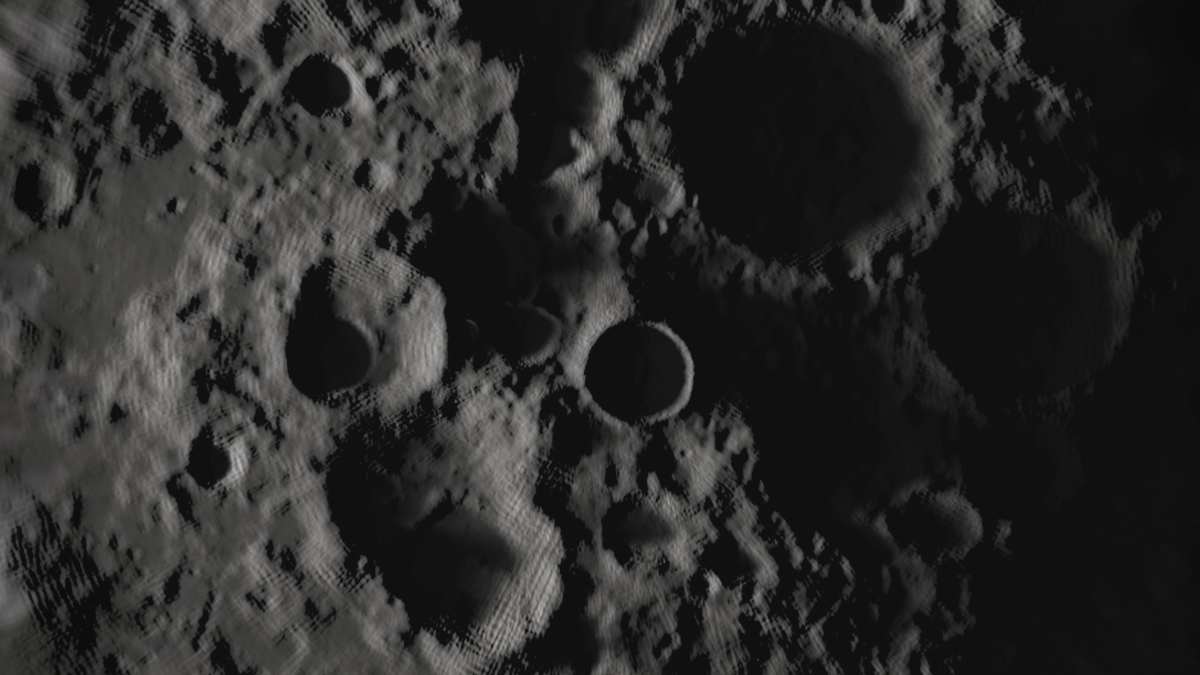
This mission is designed to lay the groundwork for China’s International Lunar Research Station—similar to NASA’s Moon Base—that it will build with international partners, including Russia.
India’s Chandrayaan-4
India is preparing the Chandrayaan-4, a sample collection mission, as a follow-up to the historic Chandrayaan-3, which landed in the lunar South Pole in 2023. If successful in bringing the samples back to Earth, India will join the U.S., China, and Russia in achieving this feat. In 2025, ISRO successfully tested the SPADEx (Space docking experiment) to test docking technologies that will support Chandrayaan-4. The launch is likely no earlier than 2028.
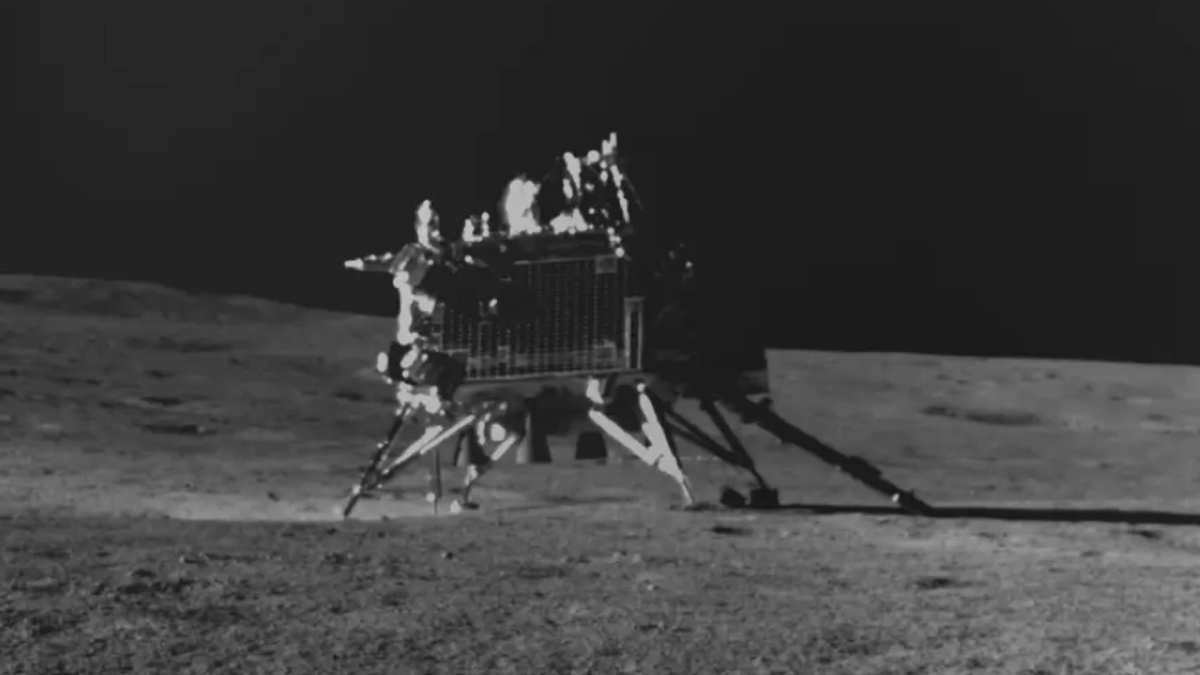
It will be followed by Chandrayaan-5, also called the LUnar Polar EXploration, or LUPEX mission, which is a collaboration between ISRO and the Japan Aerospace Exploration Agency (JAXA). It intends to study the lunar volatile materials, including water ice, in the permanently shadowed craters of the lunar South Pole.
The Moon is calling
Perhaps the most anticipated among all the big-ticket missions in the pipeline is NASA’s Artemis IV, which will see humans walk to the Moon for the first time since Apollo 17. Targeted for launch in 2028, it is being developed through a series of crewed and uncrewed missions—the most recent being Artemis II, which took four astronauts to lunar orbit in April.

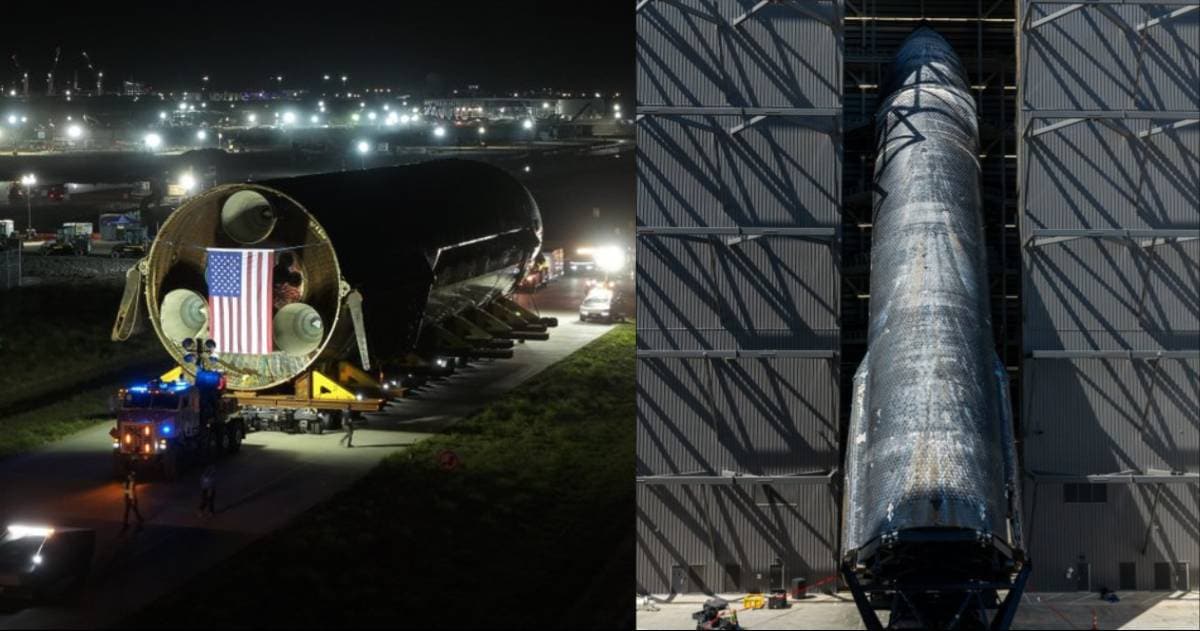
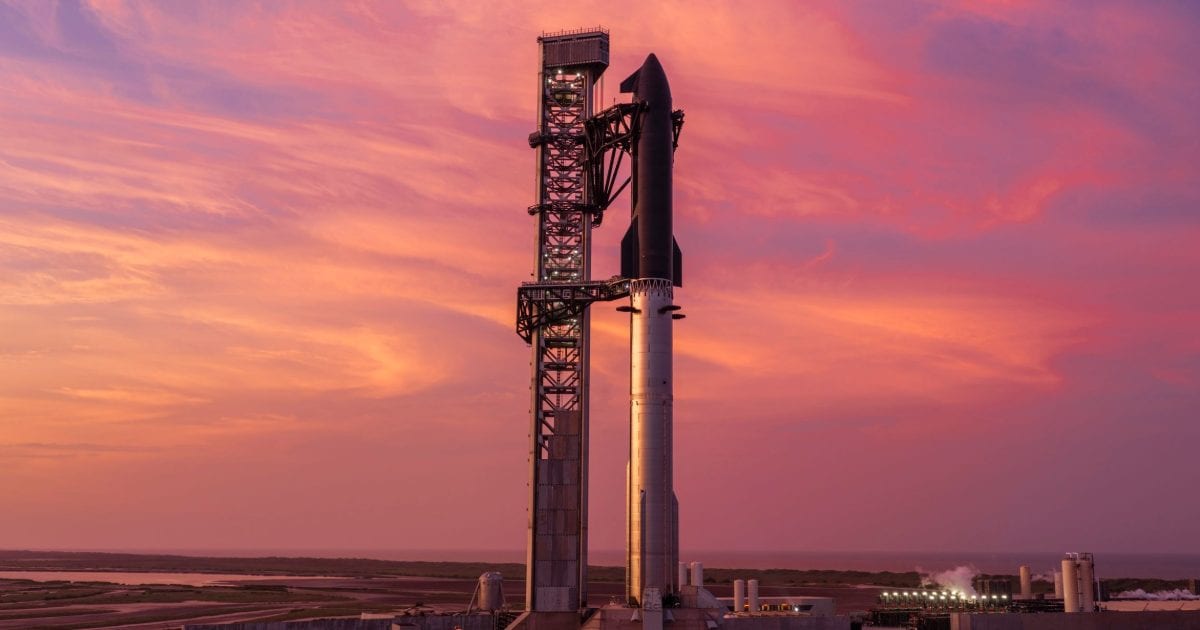
Before Artemis IV, NASA has plans to launch Artemis III, which will take off in 2027. The mission will utilize SpaceX’s Starship and Blue Origin’s lander prototypes to practice rendezvous and docking operations with the Orion spacecraft carrying four astronauts in Earth orbit. This will help reduce risks for Artemis IV, which will see one of the two commercial landers take astronauts to the lunar surface.
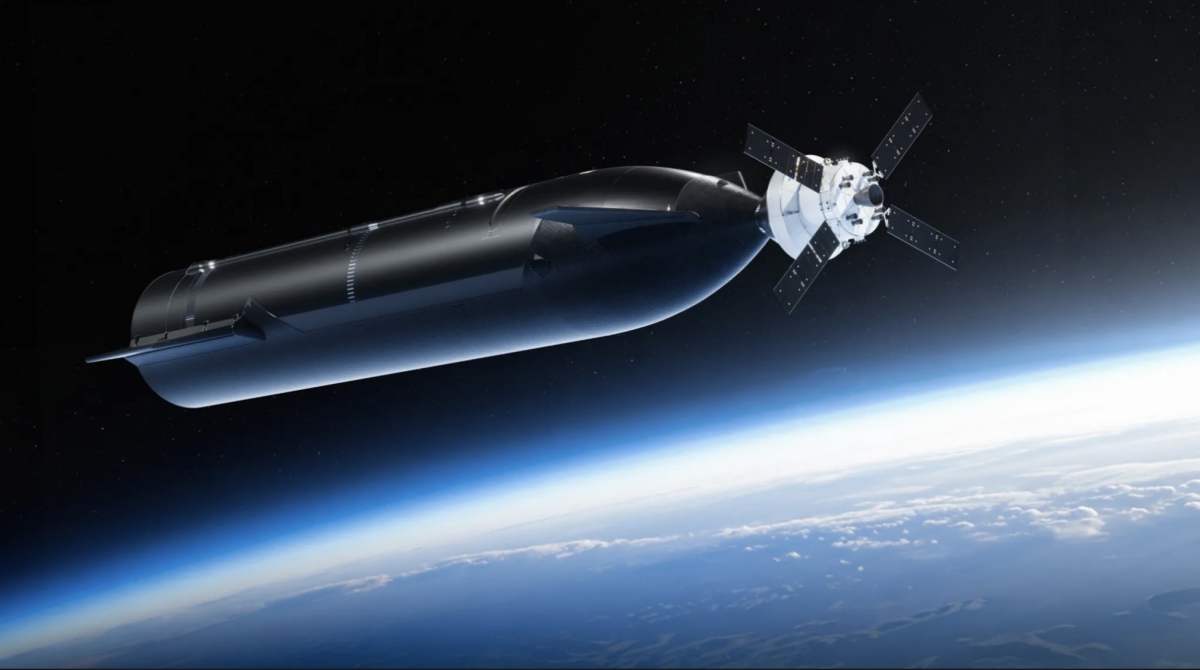
While private companies and governments are competing fiercely for a piece of the Moon, they are chasing a common goal of expanding humanity’s reach beyond low-Earth orbit. These missions are no longer happening in secrecy and isolation, and global collaboration will play a major role in deciding how humans return to the Moon before moving onto Mars and beyond.
More on Starlust
NASA reveals finer details of how Artemis III's design will shape future crewed lunar missions
From thousands of dollars to less than $300 per kg—space launch costs could plunge by 2040