U.S. spacewalk 101: Astronauts Anil Menon and Joshua Kutryk unfurl the final ISS roll-out solar array
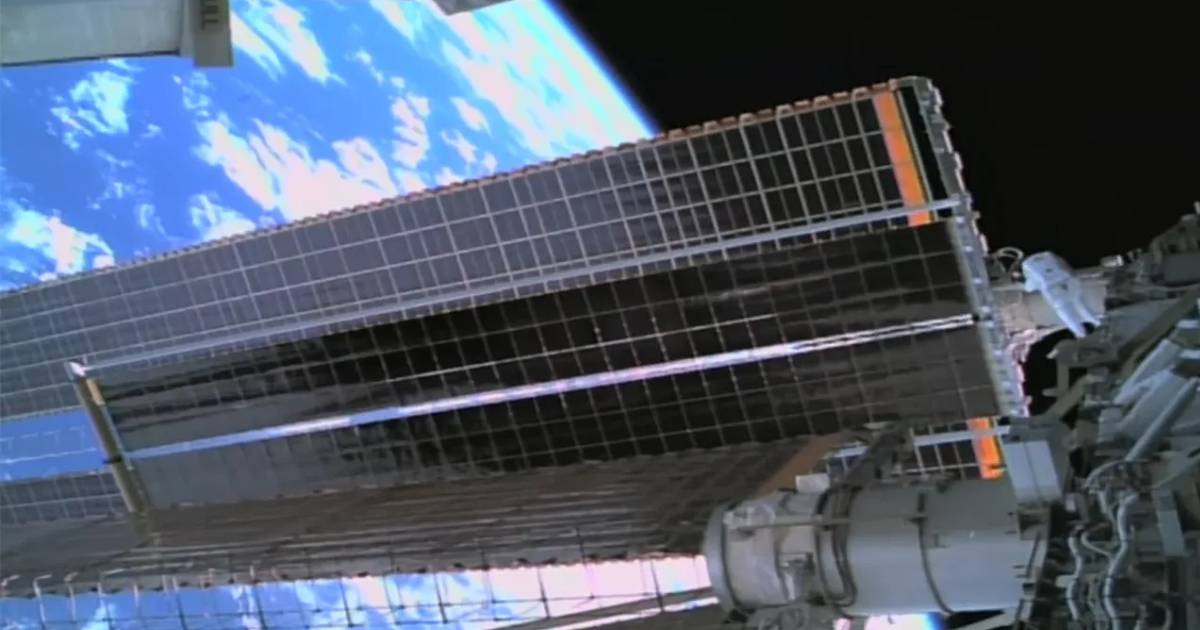
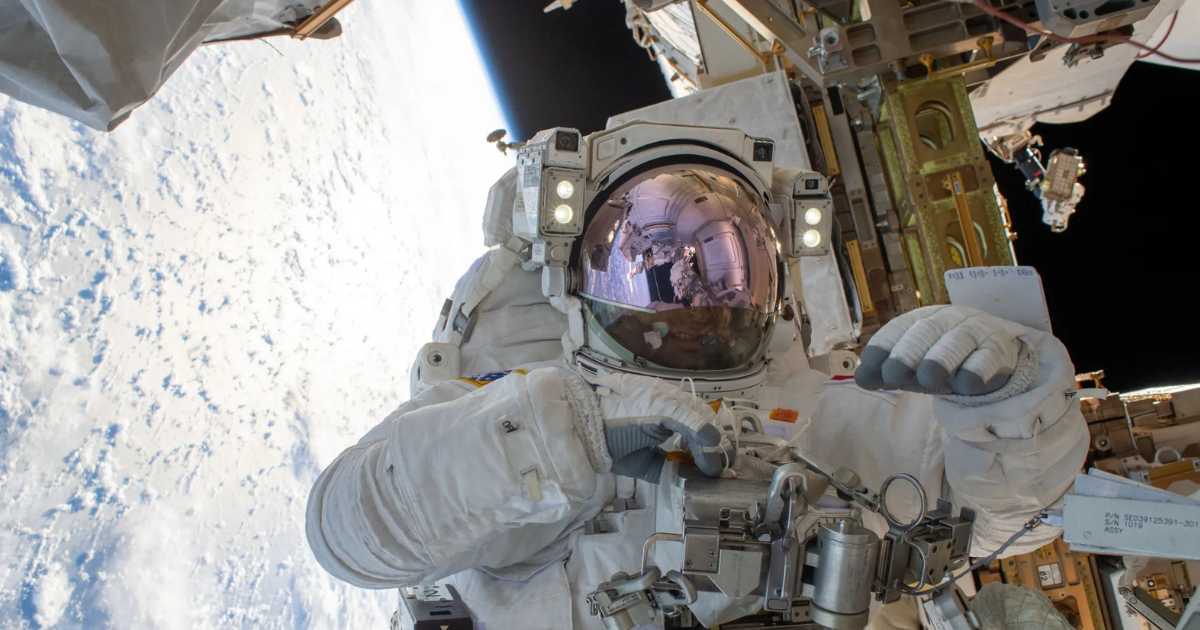
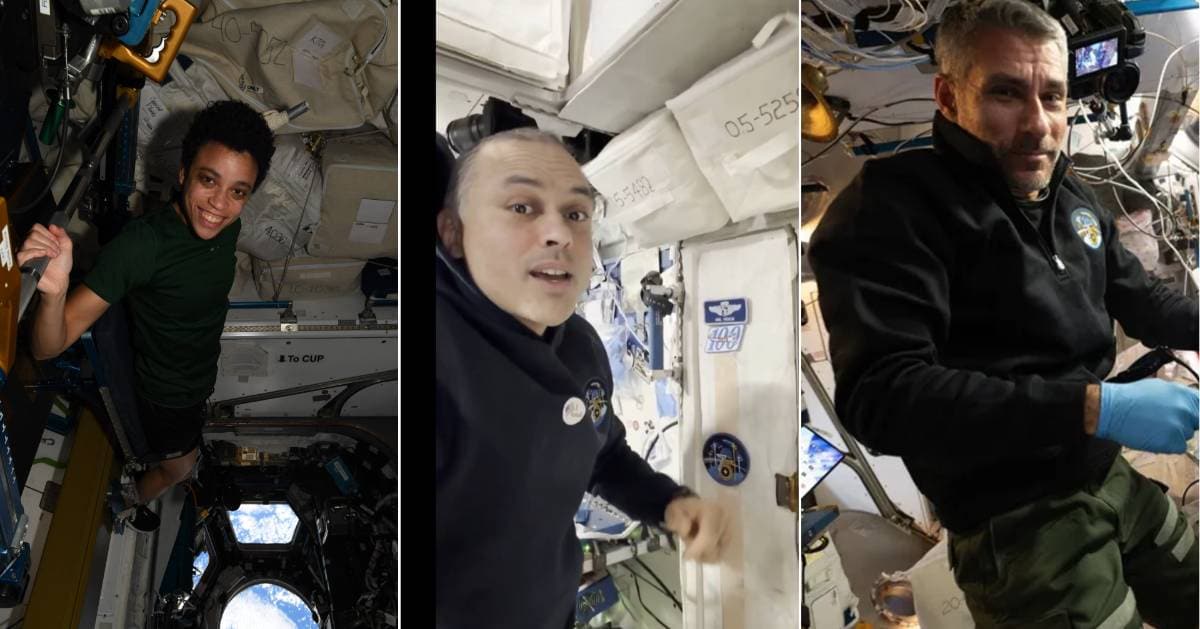
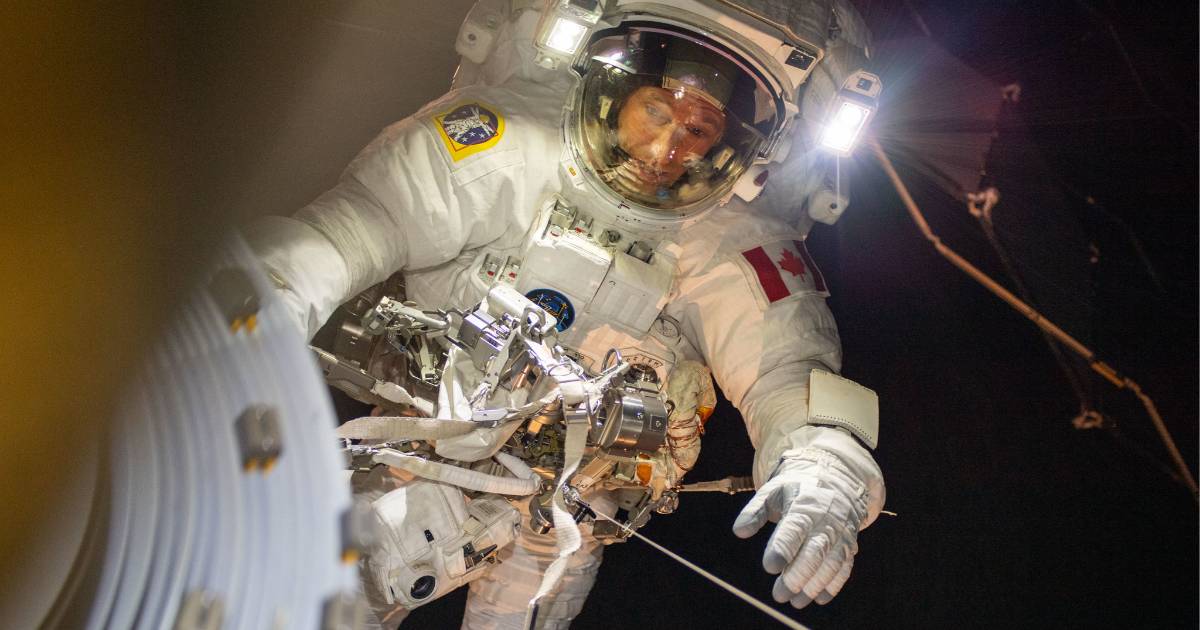
The International Space Station (ISS) got a major power upgrade yesterday, November 5, with the installation of the eighth and final International Space Station roll-out solar array (IROSA). The installation was carried out by NASA astronaut Anil Menon and the Canadian Space Agency's Joshua Kutryk during U.S. spacewalk 101. It was Menon's fifth spacewalk, Kutryk's second, and the 18th conducted since 2021 to augment the station's power supply.
.@Astro_Kutryk and @Astro_Anil completed their spacewalk at 3:35 p.m. EST today after installing the eighth and final roll-out solar array. This completes the upgrade of the International Space Station's power generation system. More... https://t.co/JNTjNfzFld https://t.co/ysjIrvK47I
— International Space Station (@Space_Station) November 5, 2026
Retired CSA astronaut and Artemis II mission specialist Jeremy Hansen took to X to congratulate the astronauts, commending fellow Canadian Kutryk especially for completing his second spacewalk. "Another proud day for the Canada flag as Kutryk takes the maple leaf out into the vacuum of space on his second spacewalk with Anil Menon to install the last new solar array," he wrote.
Another proud day for the Canada flag as @Astro_Kutryk takes the maple leaf out into the vacuum of space on his second spacewalk with @astro_anil to install the last new solar array. Proud to see @Astro_Jenni supporting this complex and risky endeavour again from @NASAJohnson Mission Control. Stay safe. Watch live: https://t.co/R7sNUASi7U ——— Une autre journée de fierté pour le drapeau canadien alors que Josh emmène la feuille d’érable dans le vide spatial lors de sa deuxième sortie extravéhiculaire, accompagné d’Anil, afin d’installer le dernier des nouveaux panneaux solaire. C’est vraiment un plaisir de voir Jenni soutenir une fois de plus cette mission complexe et risquée depuis le centre de contrôle des missions de la NASA, au Centre spatial Johnson. Prenez soin de vous et restez en sécurité! Regardez en direct: https://t.co/R7sNUASi7U
— Jeremy R. Hansen (@Astro_Jeremy) November 5, 2026
The six-hour, 59-minute event, which began at 8:36 a.m. EST and concluded at 3:35 p.m., was not entirely smooth and had its share of complications. After extracting the final solar array, weighing 750 pounds (340 kilograms), from its temporary storage unit, Kutryk and Menon transferred it to the installation location using the Canadarm2 robotic arm. While Menon was connecting the electrical cables of the array, a glitch was encountered, with the Mission Control officers observing only half of the required shunt current, which hindered the deployment of the array. The crew started inspecting the connectors to resolve the issue, and as the solar arrays generate power in the presence of sunlight, the astronauts waited till the ISS passed through the Earth's shadow. Finally, satisfactory shunt currents were detected after troubleshooting, and Kutryk and Menon released two bolts to unfurl the IROSA.
Almost 7 hours outside the Space Station! That’s how long CSA astronaut Joshua Kutryk and NASA astronaut Anil Menon spent spacewalking today to install a new solar array on the International Space Station. More details: https://t.co/mTWziyDWoH https://t.co/cGZlHkeKIu
— Canadian Space Agency (@csa_asc) November 5, 2026
With the deployment of this array on the 3B power channel on the starboard side of the truss structure, the ISS' power generation capacity has increased by approximately 30%, from 160 kilowatts to around 215 kilowatts. This additional power will aid in sustaining the orbiting laboratory's operations for the rest of its service period and also help in gearing up for eventual deorbit, currently scheduled for 2030.
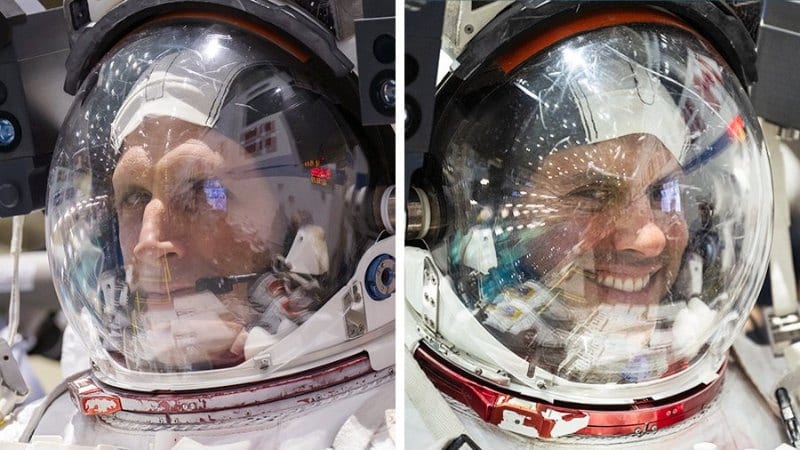
Menon and Kutryk also installed the seventh IROSA during U.S. Spacewalk 100 on Thursday, October 29, which happened to be the first spacewalk for the Canadian. The IROSA chapter began with a technology demonstration outside the ISS in 2017. But it wasn't until 2021 that the first operational roll-out array was installed. By 2023, the station had six at its disposal, while the final pair arrived just last month aboard the SpaceX 35th commercial resupply services mission.
Off to work we go 🎵 @astro_anil and @csa_asc's Joshua Kutryk have exited the space station and will begin their work installing the final roll-out solar array. https://t.co/D4n11ygLjg
— NASA (@NASA) November 5, 2026
With the completion of the station's final power boost, NASA is set to conduct its next spacewalks in January to upgrade the Alpha Magnetic Spectrometer—a cosmic-ray detector deployed on the ISS' truss—as announced by Gaurang Patel, operations integration manager for NASA’s Low Earth Orbit Program, in an October 20 briefing.
More on Starlust
NASA astronaut Anil Menon's new video offers stunning look at newly installed solar arrays on ISS
Three NASA astronauts just voted in the U.S. midterm elections from the International Space Station