Two of NASA’s Artemis II astronauts step back from spaceflight after historic Moon mission
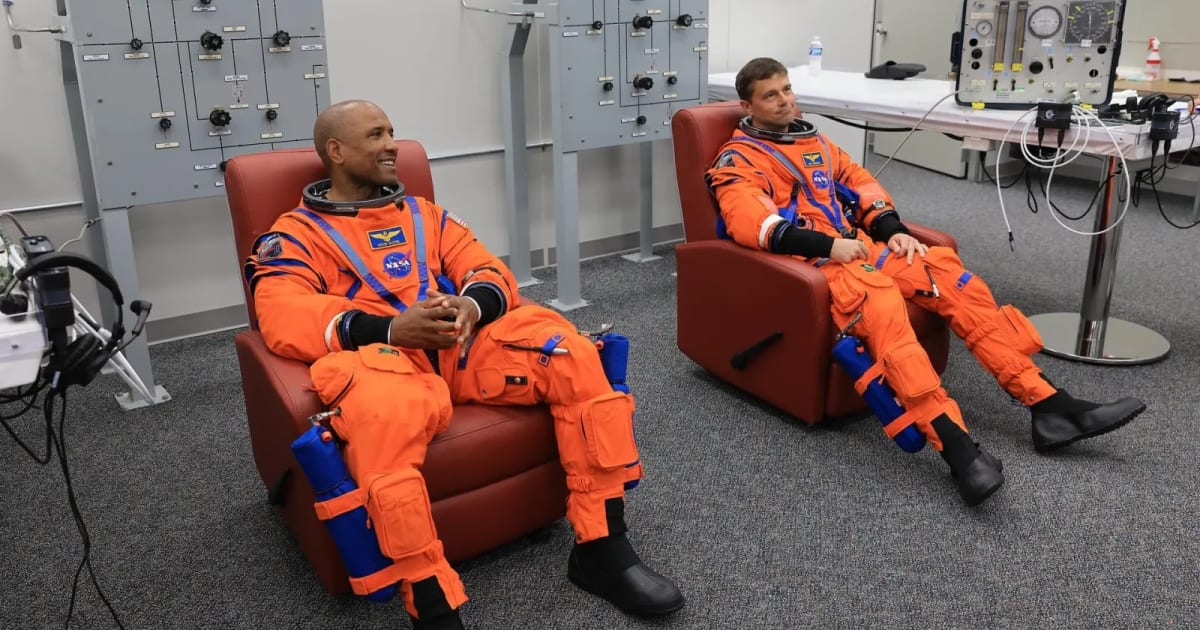
NASA's most recognizable astronauts, Victor Glover and Reid Wiseman, who piloted and commanded the Artemis II mission earlier this year, are now moving into emeritus status at Johnson Space Center in Houston. This means that these astronauts will now mentor the workforce without being tied to the day-to-day demands of active astronaut and spaceflight responsibilities.
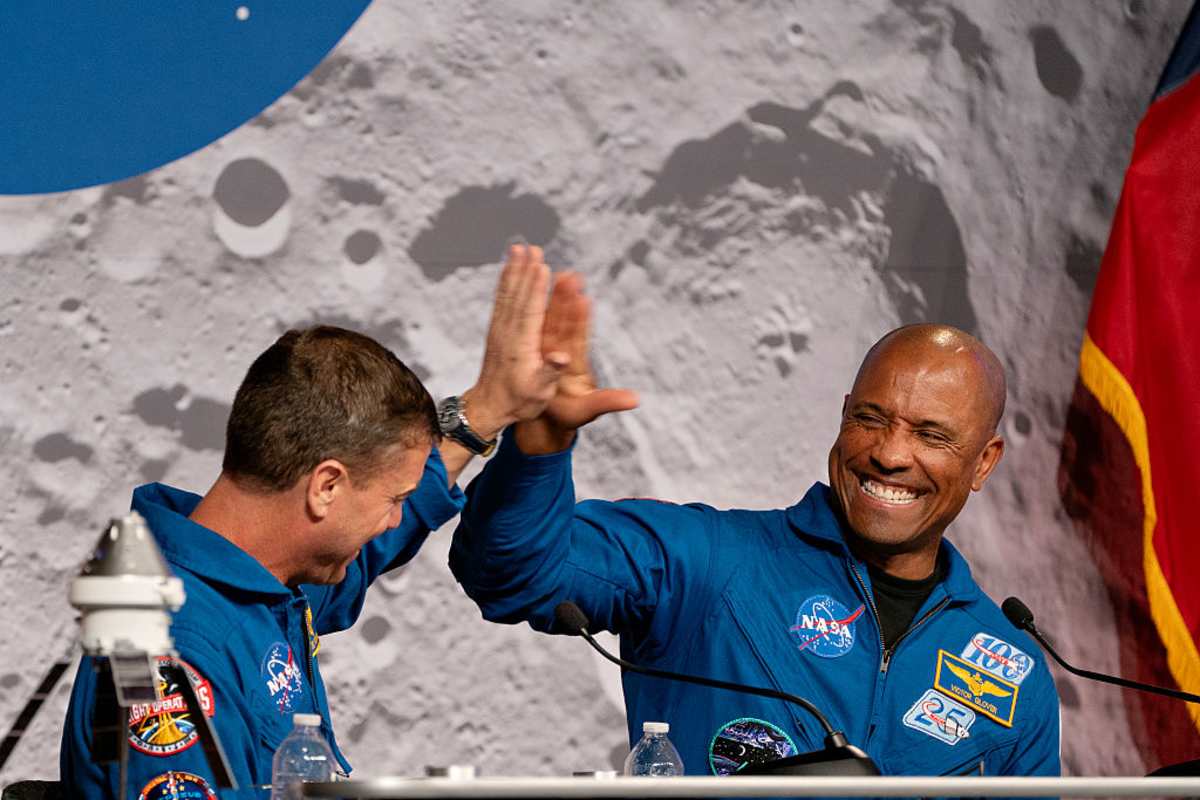
Commenting on this transition, Scott Tingle, chief of the Astronaut Office at Johnson, said in an official statement, “As they transition into their emeritus roles, they leave a legacy of operational excellence that will continue shaping the astronaut corps for years to come.”
What does the emeritus program actually mean for these astronauts?
As per NASA, the emeritus role is designed for those who have gained hands-on technical knowledge over the years while being a part of key NASA missions so that they can train the workforce ahead. They can do this even as they pursue other opportunities outside the agency. For Victor Glover and Reid Wiseman, this means that they will keep training current astronauts and share their lessons from their previous missions.
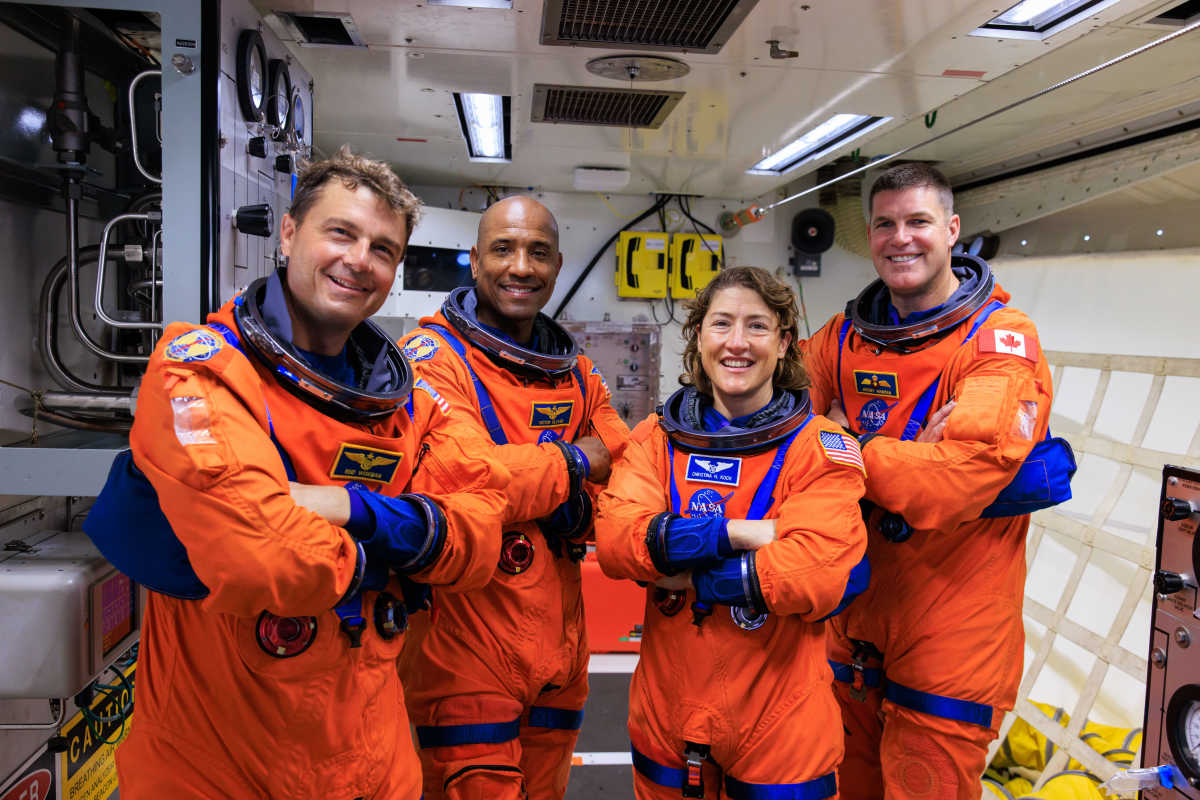
Glover shared that he’s committed to passing along what he knows about the Orion spacecraft's systems so that the future Artemis crews can learn from it. "As I grow into this new role, NASA and spaceflight remain a meaningful part of my journey of service," Glover said. "I'm excited to keep uplifting my friends and cheering them on as they reach for the Moon. Together, we'll keep pushing boundaries and inspiring the next giant leap."
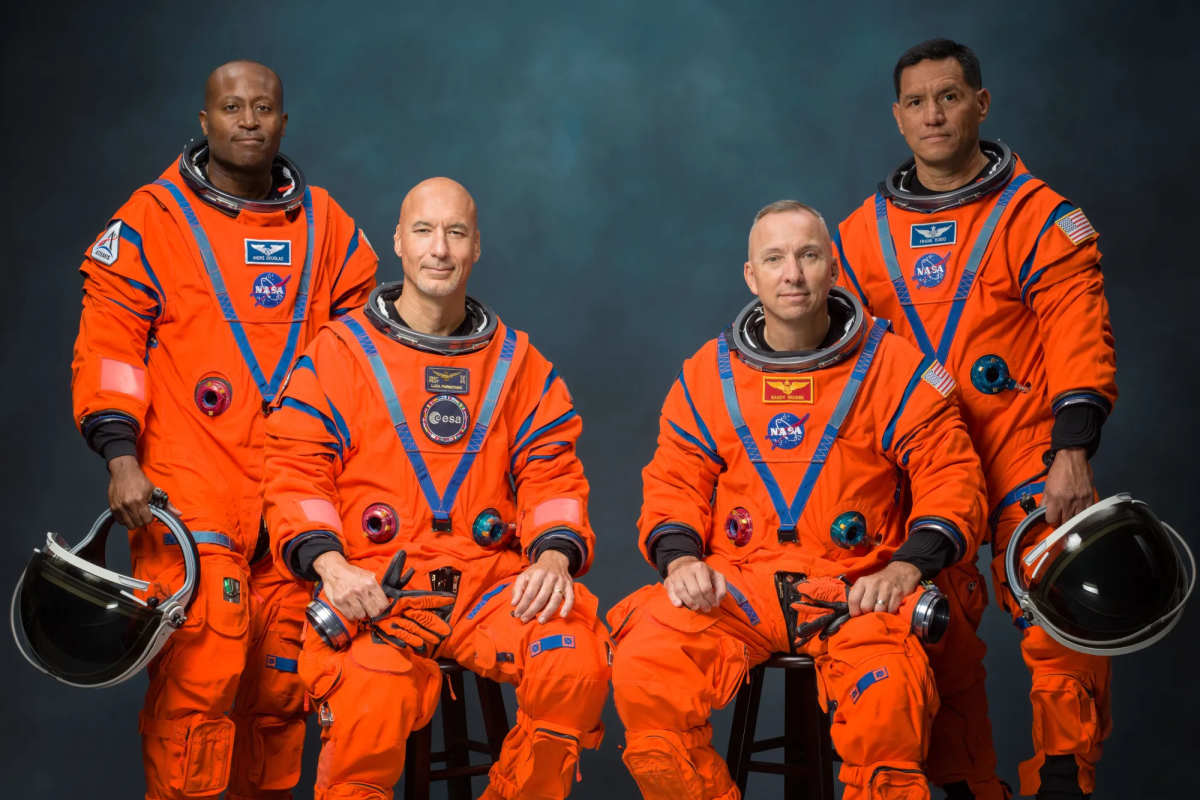
Wiseman, on the other hand, will pass on his spaceflight knowledge ahead of Artemis III. This mission will test how well Orion can rendezvous and dock with commercial landing systems in low Earth orbit. "NASA gave me tremendous responsibility, supported me through two space missions, and my time as chief astronaut, and was always there for my family when we needed it most. I'm thrilled to continue serving future missions and programs through the emeritus program,” Wiseman said.
What’s ahead for NASA?
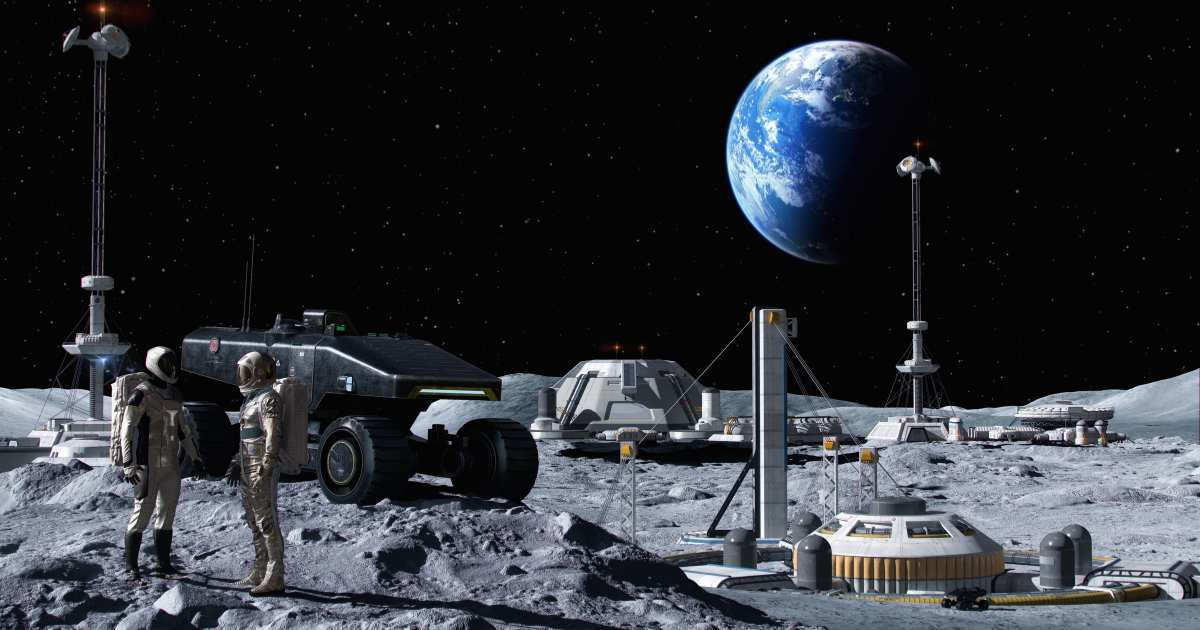
NASA has recently shared its plans for Artemis III, which will take place in 2027, followed by Artemis IV in 2028. Artemis IV is expected to return American astronauts to the lunar surface for the first time in decades. Additionally, the space agency has announced its plans to build a moon base on the lunar surface, which will likely span hundreds of square miles.

Just days before this announcement, the Artemis II crew also visited Marshall Space Flight Center in Huntsville, Alabama, where they answered questions from the workforce. Before this, the crew received the Congressional Space Medal of Honor from President Trump at a ceremony in Houston. This is the country’s highest honor for space exploration, and it underscores just how significant their flight was for the country's return to lunar exploration.
More on Starlust
Artemis IV: NASA just asked Axiom to revise spacesuits for 2028 Moon landing. Here's why