Total Solar Eclipse 2026 is just days away—here’s how to safely watch the event on August 12
We are just a few days away from a spectacular phenomenon that will turn the day into night in certain parts of the world. This event - the total solar eclipse - will be witnessed by millions across different continents on August 12 and it will offer scientists a rare chance to study the Sun and its characteristics.
In order to enjoy this event, for those who will be lucky enough to see it, it’s important to be aware of the safe viewing methods. You don’t need ‘eclipse glasses’ to look at the Sun during totality of a solar eclipse, but there are phases before and after totality which should not be viewed directly.
What is a total solar eclipse?
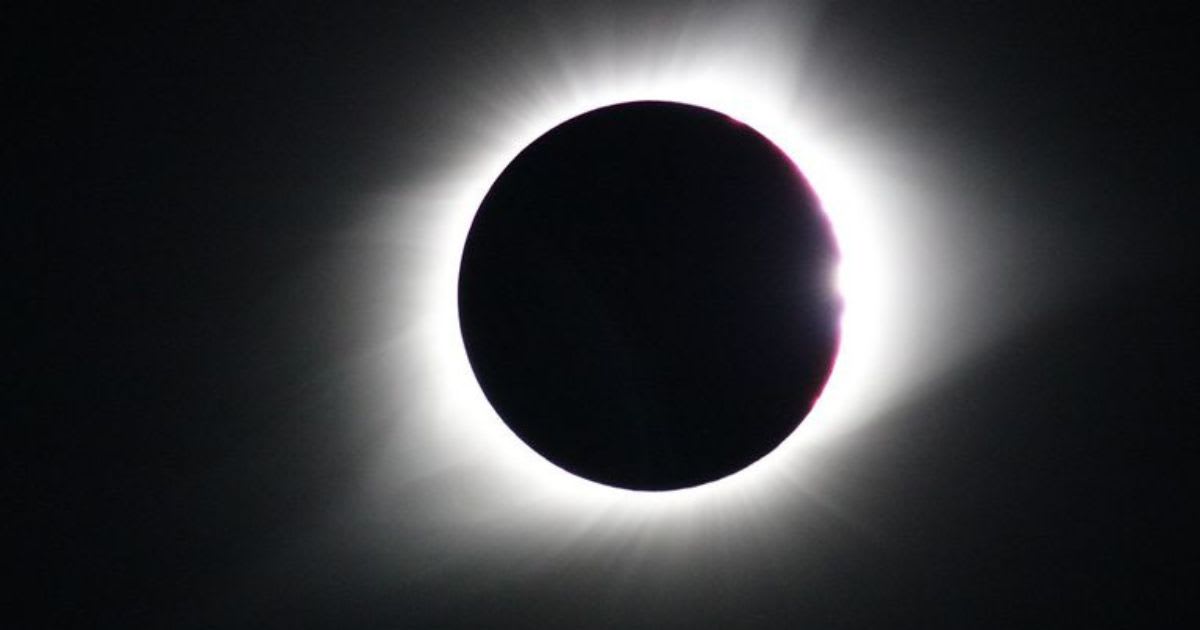
A total solar eclipse occurs when the Moon falls directly between the Sun and the Earth in its orbit, and completely blocks the Sun for a few minutes—also called the period of totality. Notably, one can see a total solar eclipse only if their region falls in the path of totality. Regions outside the said path will witness a partial solar eclipse. Certain cities in Europe will experience totality, whereas those in the US, Canada and western Africa will only see a partial eclipse.
Where will the eclipse be visible?
The eclipse will begin in a remote region of northern Russia, and the path of totality runs through Greenland, Iceland, Spain and a tiny corner of Portugal, per NASA. Spanish cities namely León, Valencia and Zaragoza along with Reykjavík of Iceland will see a total solar eclipse, whereas cities in the UK and Ireland along with France, Belgium, Switzerland and northern Italy, will see the Moon blocking as much as 95 per cent of the Sun. Check out the best locations here.
In the US, residents from Alaska to North Carolina will see a partial eclipse. Timings of the eclipse differ significantly—it will start in the northern contiguous US around mid-day whereas in mainland Europe, the eclipse begins a few hours before sunset. Check out the city-wise timings here.
How to safely view the eclipse?
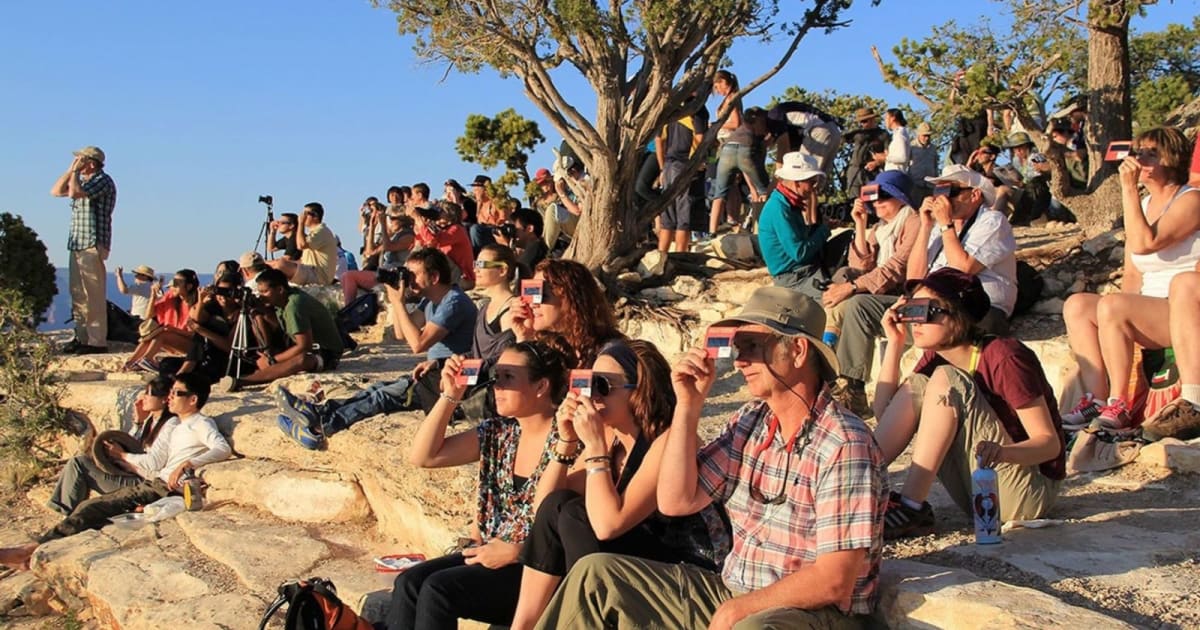
Proper eye protection is a must when viewing a solar eclipse. You can choose between eclipse glasses (which are different and safer than sunglasses) or a handheld solar viewer and indirect viewing tools (like a hole punched in an index card) to protect your vision.
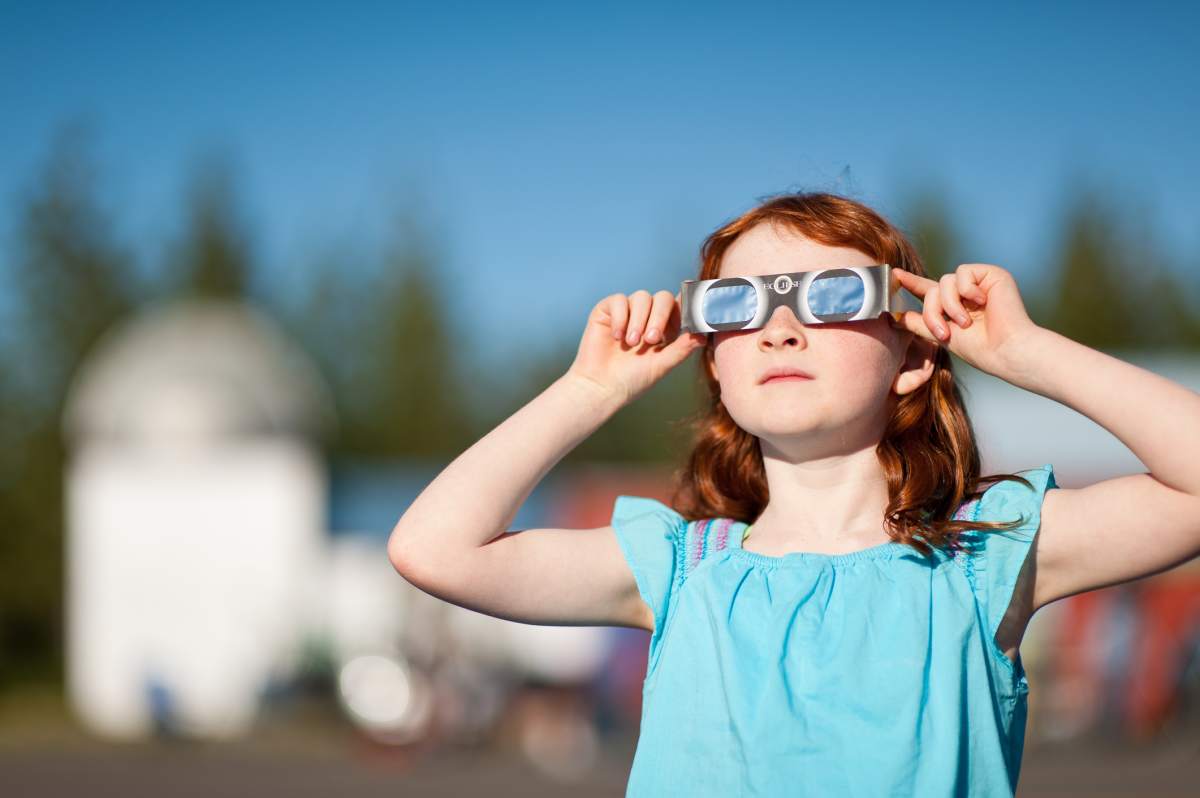
When using eclipse glasses, it is important to know when to wear them and when to take them off. If you’re using a camera lens, binoculars, or a telescope, don’t forget to secure the optics with a special-purpose solar filter. Using these devices while wearing eclipse glasses is not advised as the concentrated sun rays will burn through the filter and may cause serious eye injury. There are several phases that will unfold as the Moon starts creeping into the view, and makes it look like someone took a bite out of the Sun—this is what viewers in the US will see. The glasses should be on during this phase which could last an hour in some locations.
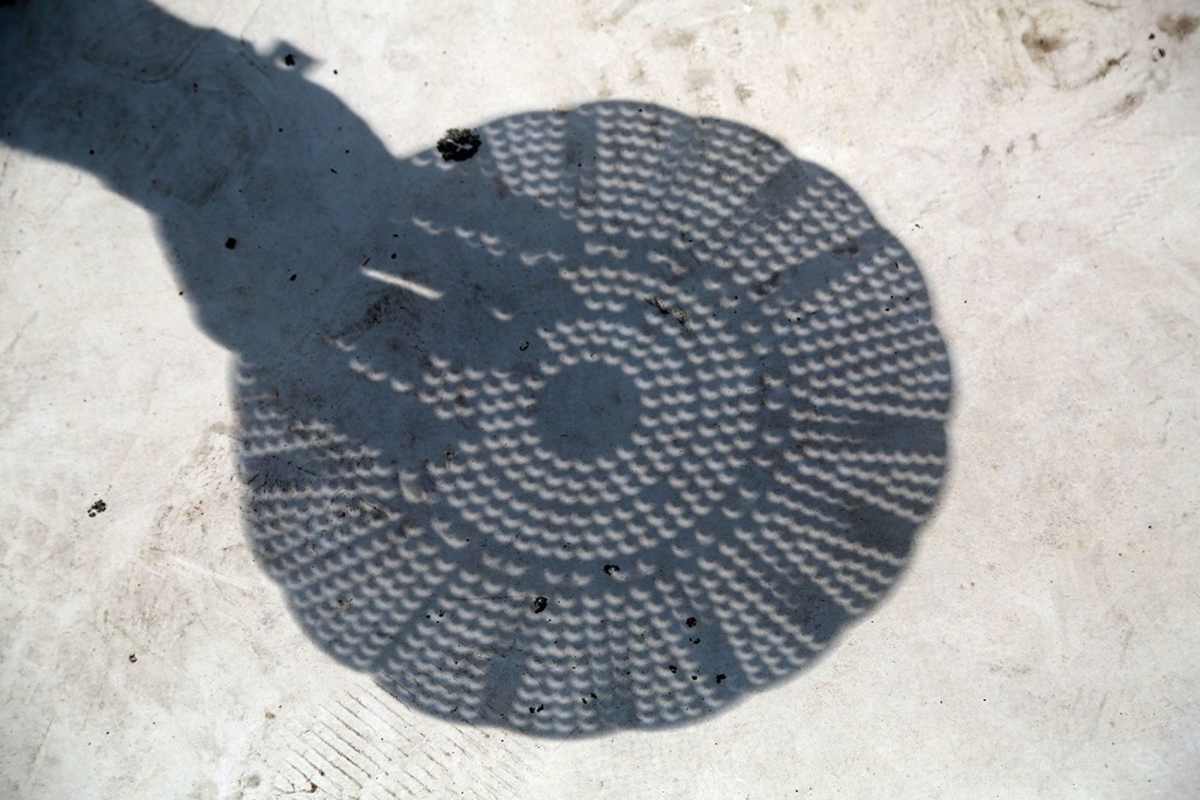
In the second phase, some viewers will see a ‘diamond ring.’ NASA says this is when the sunlight streaming through the valleys of the Moon creates a single flash of light. This phase marks the last few seconds before totality. In phase 3, you would see ‘baily’s beads’—that’s when only the low-lying valleys on the Moon’s edge allow the sunlight to pass. This is what viewers in cities of the UK, Spain and other countries might see. Finally, phase 4 is when the Moon will completely block the Sun; one should remove the glasses only during this phase. During the final stages of the eclipse, when the Sun emerges again, make sure to put your glasses on again as sunlight can still cause severe damage to your eye.
More on Starlust
Perseid meteor shower and total solar eclipse to coincide on August 12—here’s what you need to know