The milestones that turned SpaceX into a private space giant
The story behind SpaceX's rise
SpaceX was founded by Elon Musk back in 2002. While its main mission was to revolutionize the existing space technology, the early years of the company saw multiple failures. Thankfully, with the help of some top talents in space research, the private company was able to break into the space industry.
Along the way, it also became one of NASA's closest commercial partners. Here's a look at the key milestones that shaped SpaceX's journey to becoming the space giant it is today.
Falcon 1 becomes the first privately developed liquid-fueled rocket to reach orbit
SpaceX made several attempts to launch its first rocket into orbit, but its first three missions ended in failure. Instead of giving up, the company pressed on with a fourth attempt. And this time, it succeeded. Back on September 28, 2008, SpaceX successfully launched its liquid-fuel booster Falcon 1 into orbit. Falcon 1 was launched from the Ronald Reagan Ballistic Missile Defense Test Site of the US Army. This was a huge success for Space Exploration Technologies Corp. (SpaceX), as it gave the company the platform to conduct more such launches.
In this image from September 29, 2008, Elon Musk, the co-founder of SpaceX, can be spotted watching the liftoff of the Falcon 1 rocket from Omelek Island in the Kwajalein Atoll located 2,500 miles southwest of Hawaii.
NASA awards SpaceX a Commercial Resupply Services contract
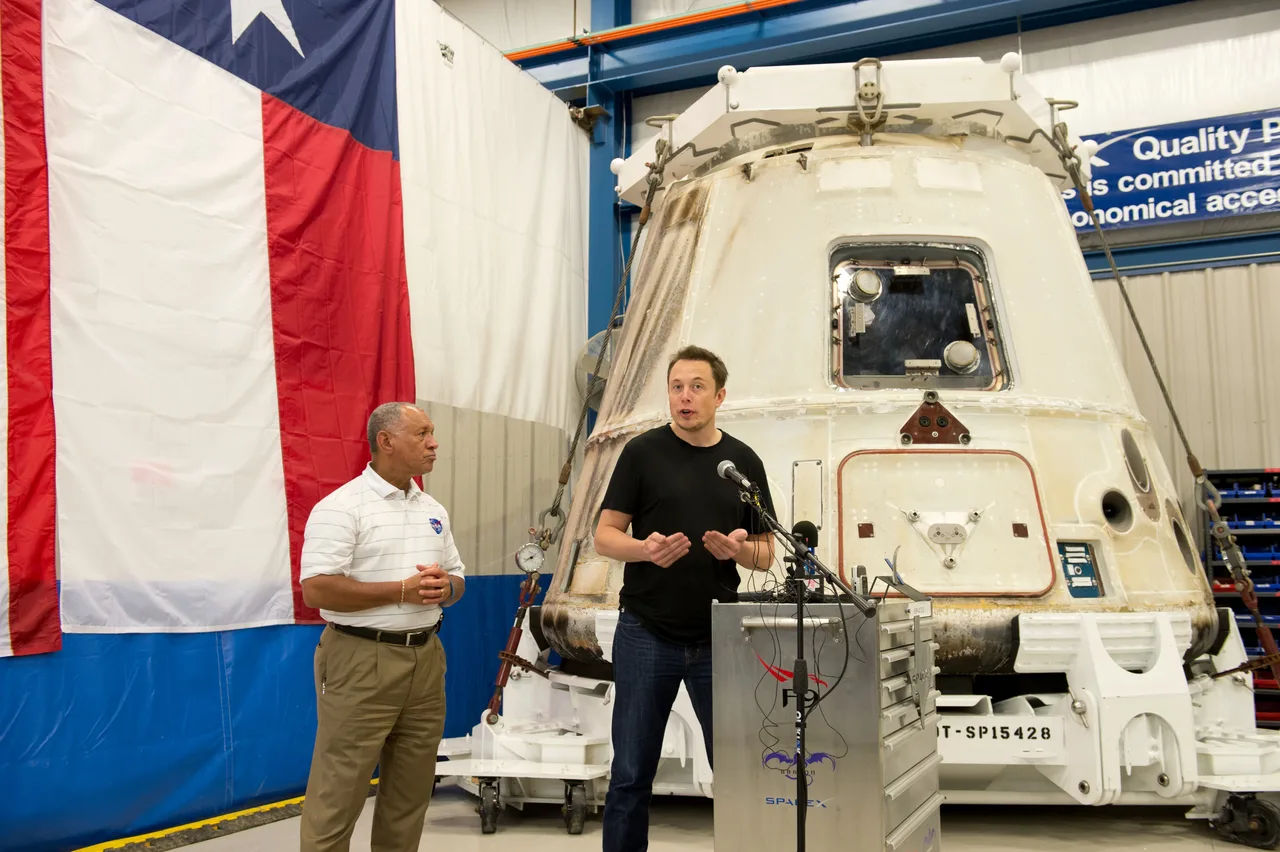
Back in 2008, NASA selected SpaceX to deliver cargo to the International Space Station. NASA officials successfully signed a Space Act Agreement for the Commercial Orbital Transportation Services program with the private agency. This particular contract was worth $400 million. As part of its contractual demonstration, SpaceX successfully carried the cargo to the ISS via the Dragon capsule on the Falcon 9 rocket.
In this image, former NASA administrator Charles Bolden (L) can be spotted listening to SpaceX CEO and Chief Designer Elon Musk answering questions about the private Dragon spacecraft that returned to Earth May 31st after delivering supplies to the International Space Station.
Dragon becomes first commercial spacecraft to visit ISS
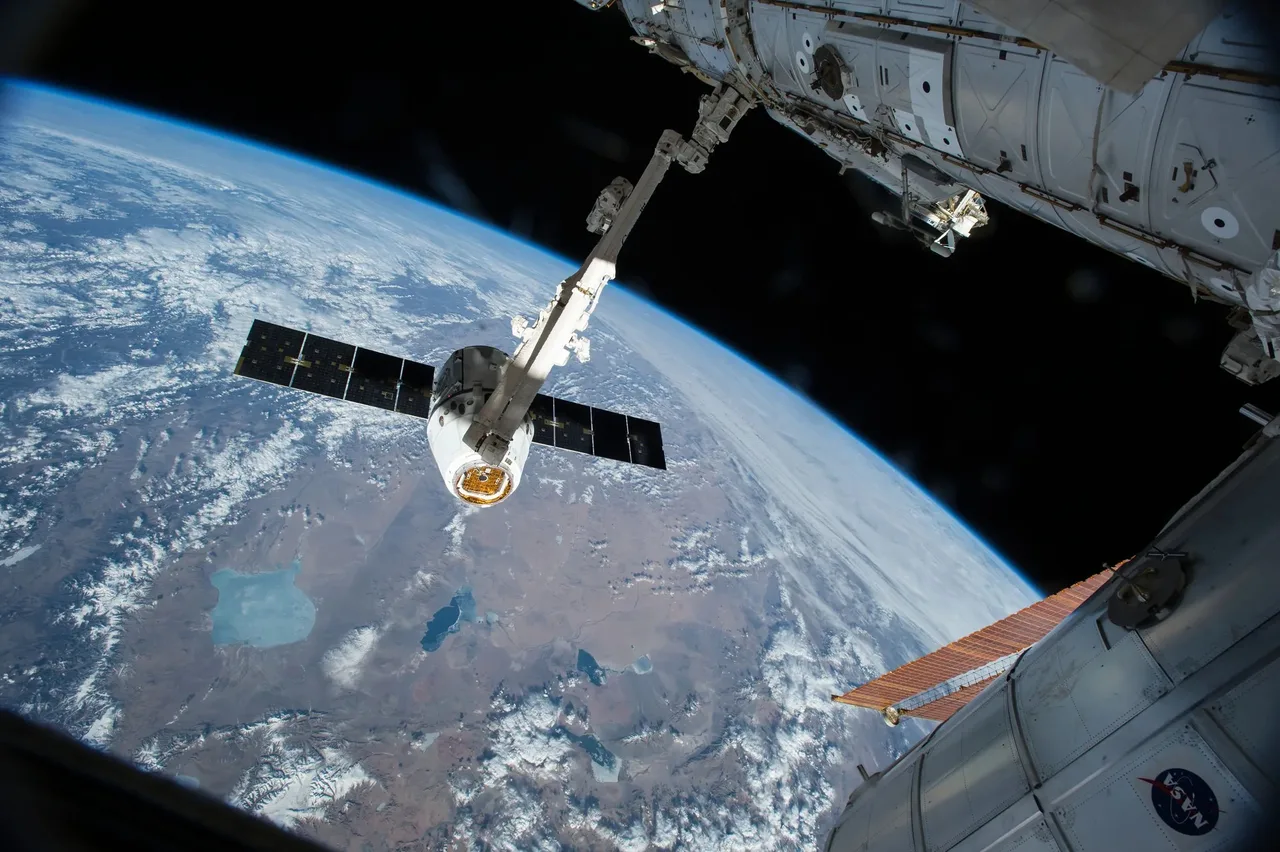
SpaceX achieved another major milestone in 2012 when its Dragon spacecraft became the first commercial spacecraft to visit the International Space Station. Since then, Dragon has successfully delivered cargo to the ISS under a commercial agreement with NASA. Most recently, Dragon completed its 34th mission, during which it delivered 6500 pounds of supplies to the ISS on May 17, 2026.
This is an image of Canadarm 2 reaching out to grapple the SpaceX Dragon cargo spacecraft and prepare it to be pulled into its port on the International Space Station on April 17, 2015.
World's first successful orbital landing of Falcon 9 first-stage booster
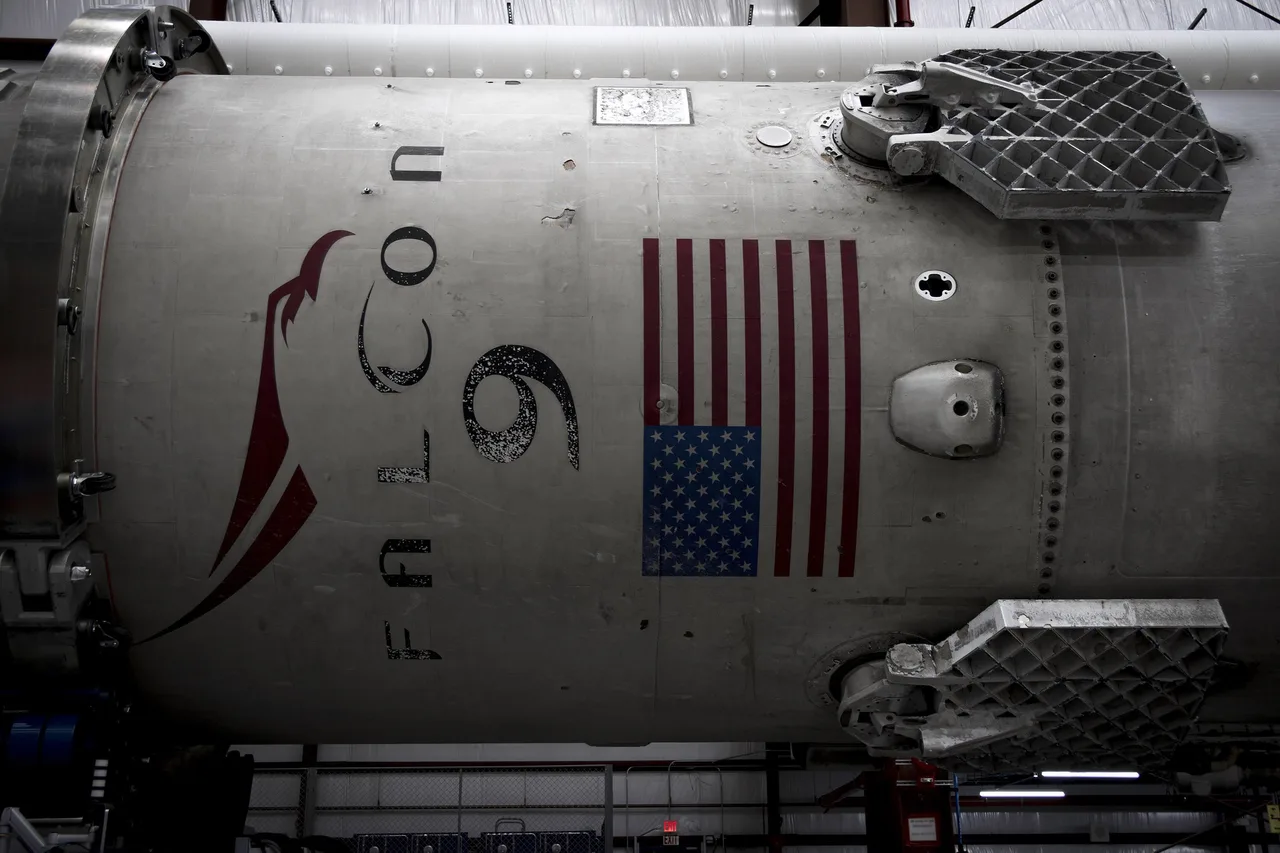
In 2015, SpaceX achieved another milestone by successfully landing a Falcon 9 first-stage booster for the first time in history. The rocket launched from Cape Canaveral Air Force Station and returned about 10 minutes later, touching down at a landing site approximately 6 miles from the launch site.
Reflecting on the landmark, Brig Gen Wayne Monteith from the Cape Canaveral Air Force Station said, “This was a first for us at Cape Canaveral Air Force Station, and I can't even begin to describe the joy the team feels right now having been a part of this historic first-stage rocket landing.” In this image from NASA, SpaceX's Falcon 9 first stage rocket can be seen waiting in a hangar on December 29, 2015, in Cape Canaveral, Florida.
Crew Dragon restores human spaceflight from US soil

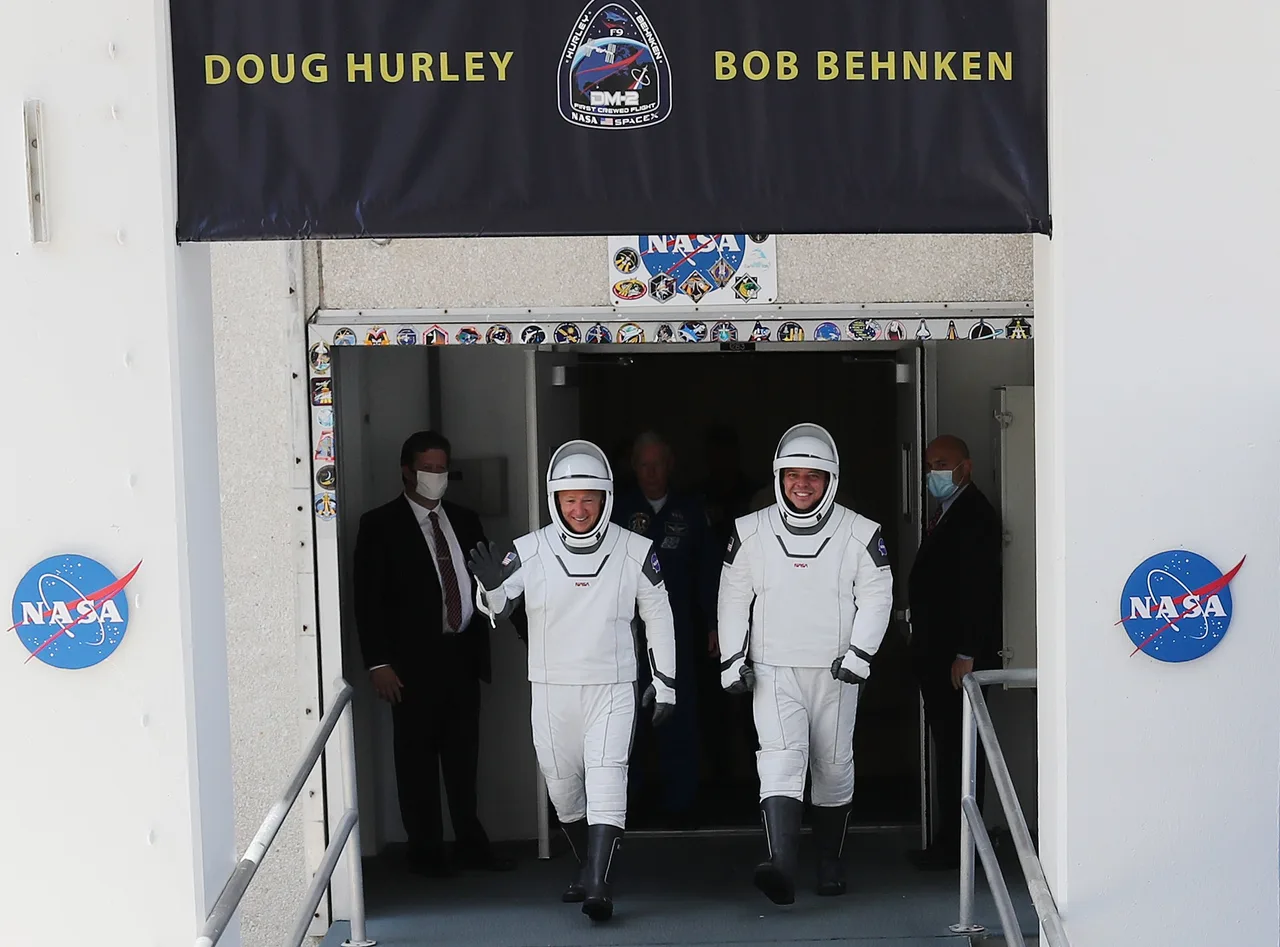
Crew Dragon came in as a big launch for SpaceX. Initially scheduled for launch on May 27, 2020, the event was postponed due to unfavorable weather conditions. But on May 30, 2020, Crew Dragon made history as it was the very first time humans went to the ISS from American soil following the scrapping of the space shuttle program. The mission also marked the first commercially built and operated American crew spacecraft. The craft, carrying US astronauts Robert Behnken and Douglas Hurley, successfully docked with the ISS on May 31, 2020.
The image shows NASA astronauts Bob Behnken (R) and Doug Hurley walking out of the Operations and Checkout Building on their way to the SpaceX Falcon 9 rocket with the Crew Dragon spacecraft on launch pad 39A at the Kennedy Space Center on May 30, 2020, in Cape Canaveral, Florida.
Starlink becomes the world's largest satellite constellation
On January 6, 2020, SpaceX sent 60 Starlink broadband satellites to space. With the launch, SpaceX became the operator of the biggest constellation of commercial satellites in the world. The satellites were carried by the Falcon 9 rocket, which completed its liftoff at 9:19 PM from Cape Canaveral. These Starlink satellites are designed to provide high-speed internet across the globe.
“With Starlink, SpaceX plans to bring high-speed, low-latency broadband internet to people across the globe, particularly to places where connectivity has been unreliable, too expensive, or even completely unavailable,” Lauren Lyons, a SpaceX Starlink engineer, said during live launch coverage. The image shows a Starlink engineered by SpaceX displayed during the Everything Electric London 2024.