Elon Musk congratulates SpaceX's Falcon team on completing 700 missions, 20 years after Falcon 1's debut
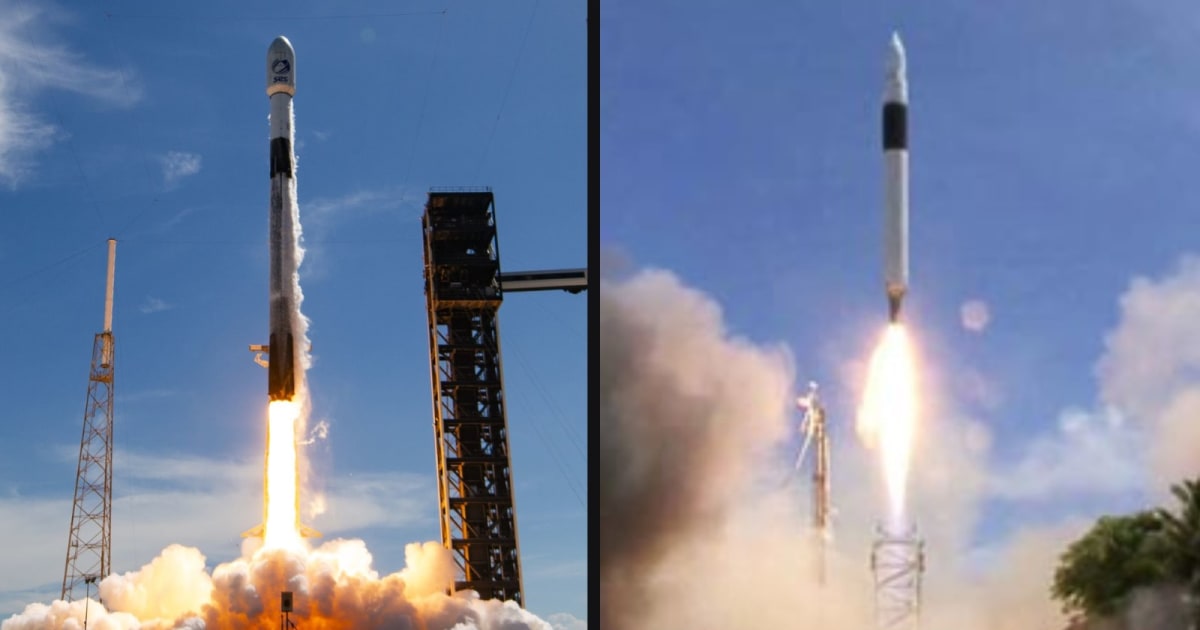
SpaceX launched three telecom satellites on Sunday, September 13, and achieved a major milestone in the process. Its Falcon 9 rocket lifted off at 2:49 pm EDT from Space Launch Complex 40 at the Cape Canaveral Space Force Station in Florida for the SES O3b mPOWER mission, marking the 700th overall flight of the Falcon family of rockets, SpaceX said. About eight-and-a-half minutes after liftoff, the first stage booster touched down on "A Shortfall of Gravitas" droneship stationed in the Atlantic Ocean, and the second stage completed successful deployment of all three satellites into medium Earth orbit a little over 47 minutes into the mission.
Proud of his company's milestone, CEO Elon Musk took to X writing, “700 Falcon flights completed. Congrats to the SpaceX Falcon team!” Out of these 700 flights, SpaceX has completed 660 landings and 623 reflights of the first-stage booster. In fact, the booster supporting the mission took off for its 29th flight on Sunday, having previously launched Ax-2, Euclid, Ax-3, CRS-30, SES ASTRA 1P, NG-21, and 22 Starlink missions.
700 Falcon flights completed. Congrats to the SpaceX Falcon team! https://t.co/py7QXTZRi0
— Elon Musk (@elonmusk) September 14, 2026
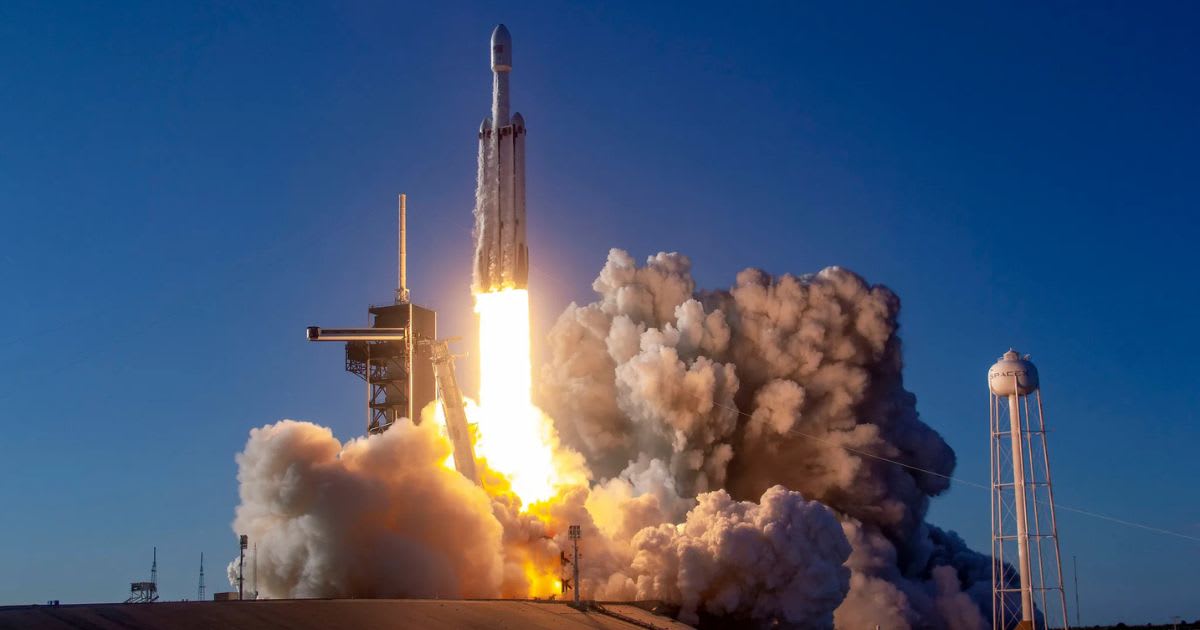
As of today, most Falcon missions have been carried out by the company’s workhorse Falcon 9, which has 685 flights under its belt, including 638 landings and 604 reflights. Rest belong to Falcon 1 (two successful flights), which was the first iteration of the Falcon family and the Falcon Heavy—SpaceX’s most powerful operational rocket—which has flown 13 times.
SpaceX’s journey began with Falcon 1 on March 24, 2006, and it has had several watershed moments since then. The vehicle made its debut for the FalconSAT-2 mission to low-Earth orbit from the company’s launch site on Omelek Island in the Marshall Islands. SpaceX conducted just one launch that year, which was also the first and final flight of this Falcon 1 booster. The rocket reached orbit on its fourth attempt on September 28, 2008, after three consecutive failures. Musk has said many times that a fourth failure would have made his company bankrupt.
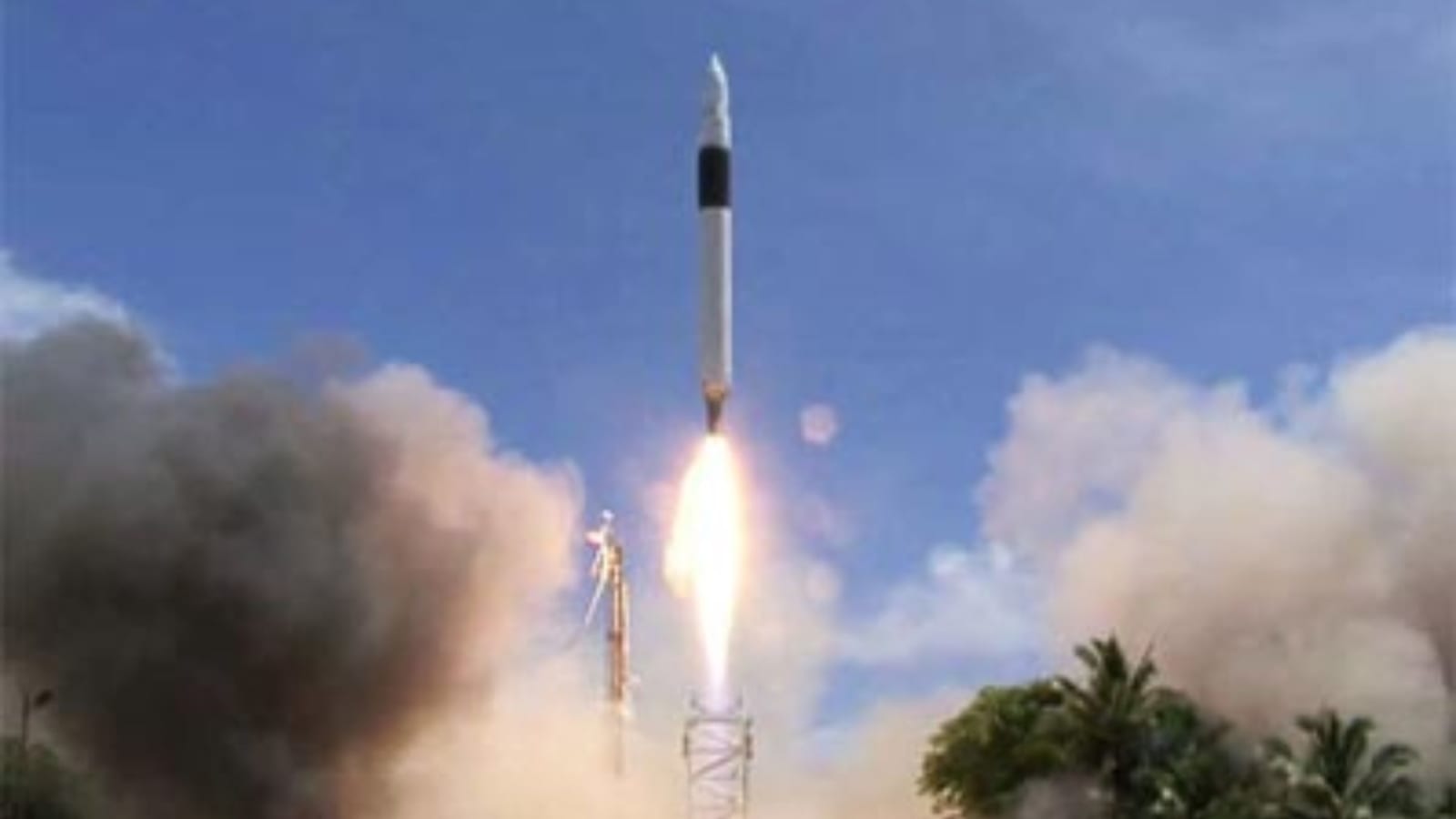
The first success with Falcon 1 won SpaceX a NASA contract worth $1.6 billion for resupply services to the International Space Station (ISS). SpaceX decided to retire Falcon 1 in 2009, when it flew just once, to make way for Falcon 9. In June 2010, SpaceX introduced the Falcon 9 rocket for its demo mission, and the rocket was expended on all flights for the next five years.
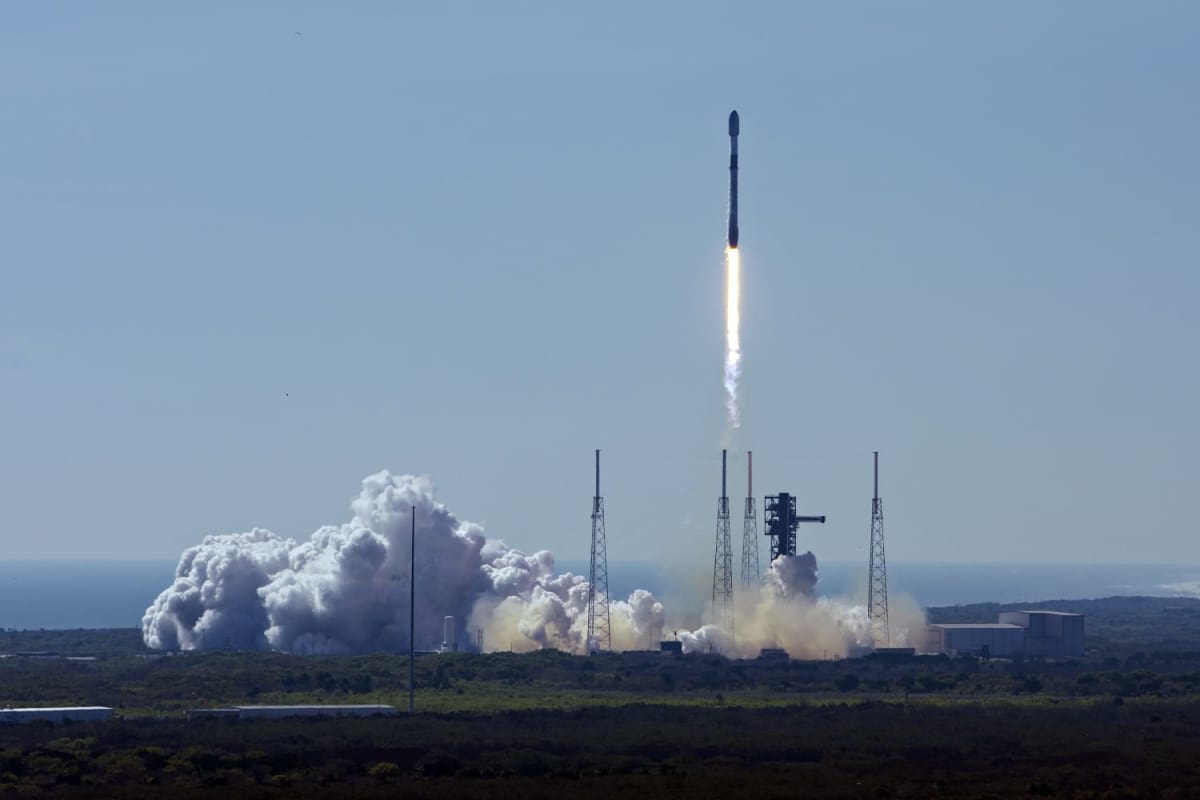
In December 2015, the company achieved the first landing of the first stage Falcon 9 booster, followed by a landing on a droneship in April 2016. Interestingly, in September 2014, SpaceX had bagged $2.6 billion from NASA to transport astronauts to the ISS under the Commercial Crew Transportation Capability (CCtCap) contract—something that was realized during the Demo 2 mission in May 2020. Fast forward to 2026, SpaceX has crossed 100 launches per year since 2024 and has flown dozens of astronauts to space. It achieved the 100-mission milestone this year on August 19, a majority being Starlink missions, and is now preparing to launch four more astronauts to the ISS for NASA's Crew-13 mission.
More on Starlust
NASA’s SpaceX Crew-12 to discuss their return from ISS on September 16: Here’s where to watch live
SpaceX and Nvidia join hands for the orbital launch of a space-optimized AI system