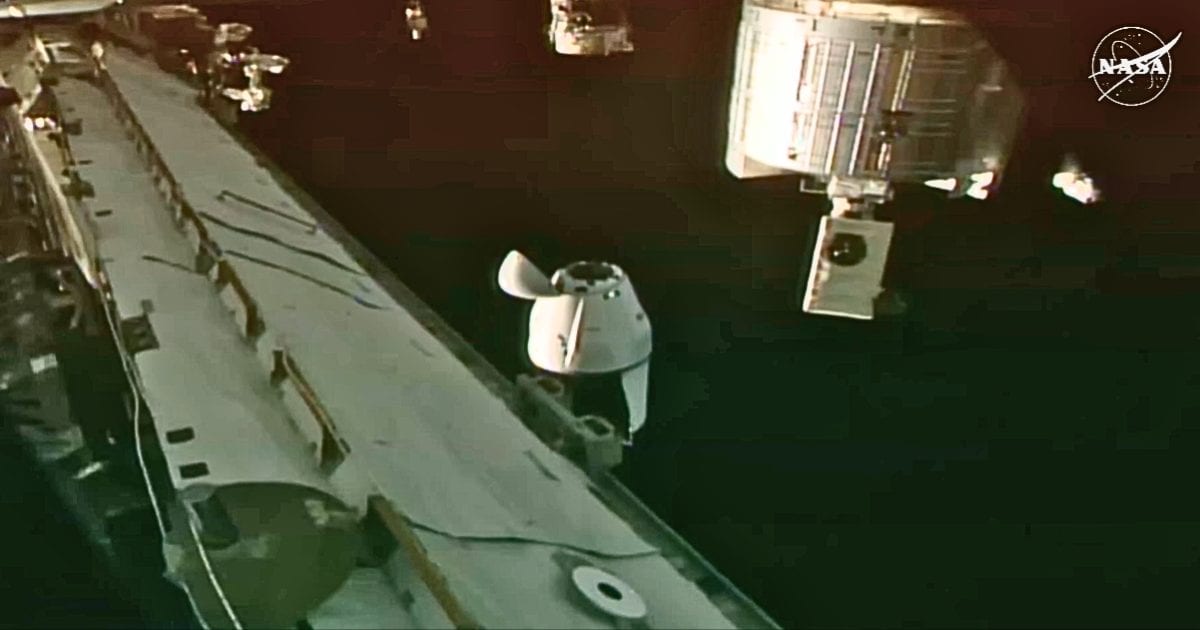
Starship Flight 14: Which countries will the mega-rocket fly over during six orbits of Earth today?
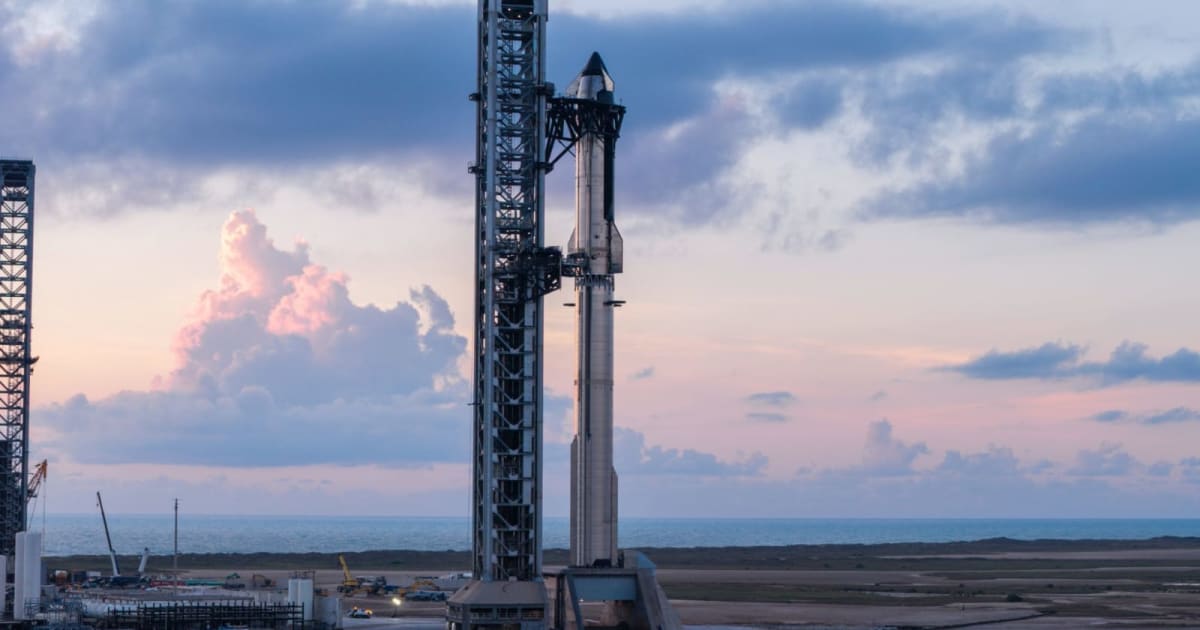
SpaceX’s mega-rocket Starship is ready for its first orbital flight today. Liftoff is targeted within a 75-minute launch window, which opens at 7:15 am CDT (8:15 am EDT) from Starbase, Texas, and the entire mission is expected to last nearly 10 hours. This marks the 14th integrated test flight of Starship and the third flight in 2026 so far. Check how to watch the event live here.
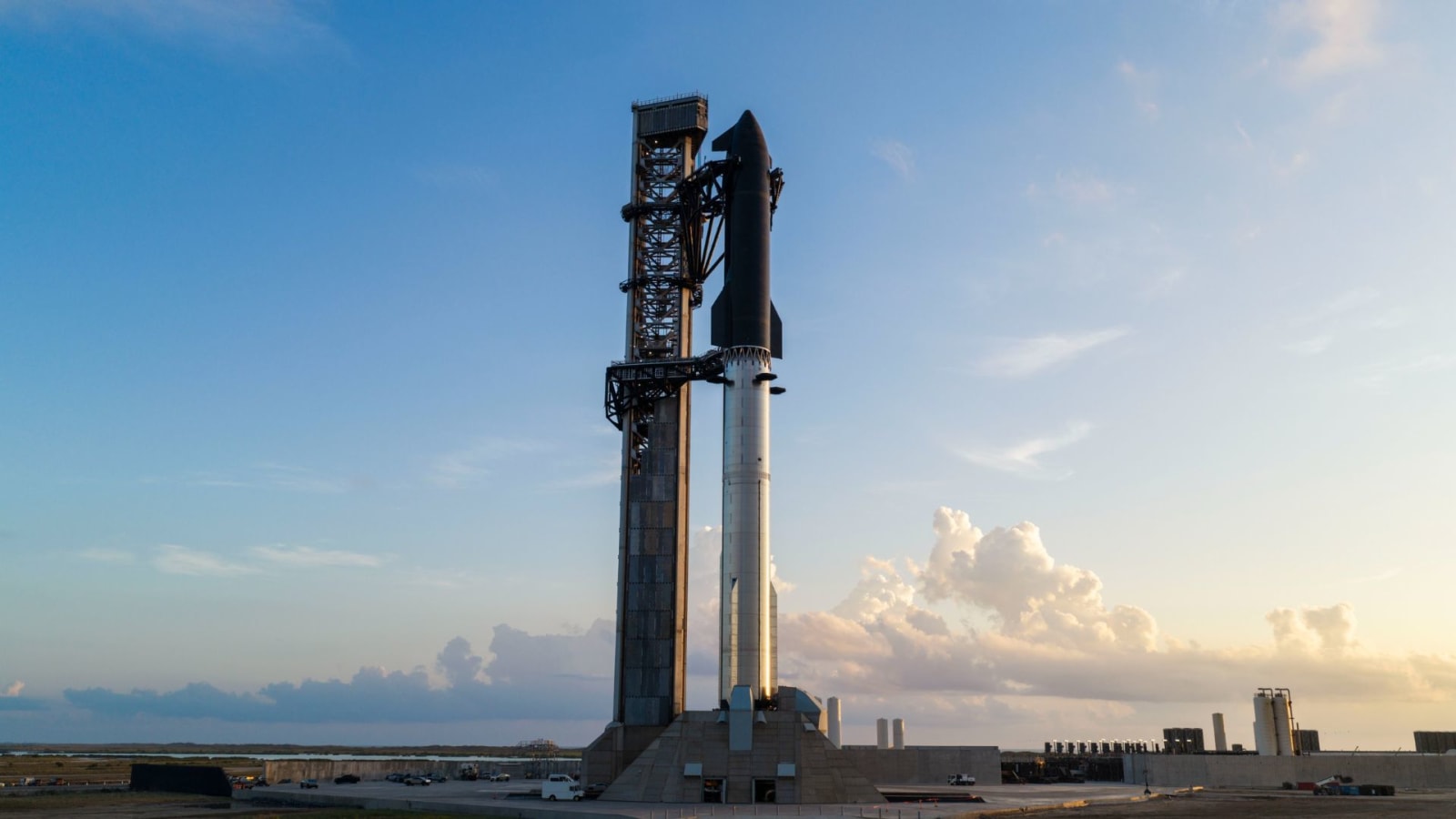
SpaceX has outlined several bold objectives for this mission, including the first-ever attempt to reach orbit. The upper stage, also called Ship 41, is expected to fly at an altitude approximately 275 km above Earth and complete six orbits of Earth before splashing down in the Pacific Ocean west of Chile. After separating from the Super Heavy Booster (which will make a controlled splashdown in the Gulf of America) a few minutes after liftoff, Ship 41 will be monitored while it's on a sub-orbital trajectory to check if all systems are working fine. According to SpaceX’s description, Ship 41 will remain in its first coast phase for approximately 19 minutes before it executes an approximately 18-second orbit insertion burn to raise its altitude. After the burn, Starship will enter the second coast phase to complete several orbits of Earth. This phase consists of two contingency checks to ensure all systems are healthy.
So, based on the timeline published and the landing zones this is my rough approximation of the ground track for flight 14. Assuming it flies for all orbits there are opportunities to see it in many locations around the world. pic.twitter.com/LlORwFppos
— Scott Manley (@DJSnM) September 27, 2026
While SpaceX has not publicly shared a map of Starship’s orbital trajectory, we have a decent idea of where the rocket will fly thanks to astronomer Scott Manley. In a post on X, he shared a ‘rough approximation’ of the ground track for Ship 41 after it lifts off from Texas. The rocket will not fly over the contiguous U.S. in the coast phases, but it will fly over Hawaii. Assuming Starship clears the first coasting phase and climbs to the planned altitude, it will fly over multiple countries in Central America and more than half of South America (including Brazil, Peru, Colombia, Venezuela, and Argentina). Further east, Ship 41 will pass over several nations in Central and Southern Africa as well as the Middle Eastern countries such as Saudi Arabia.
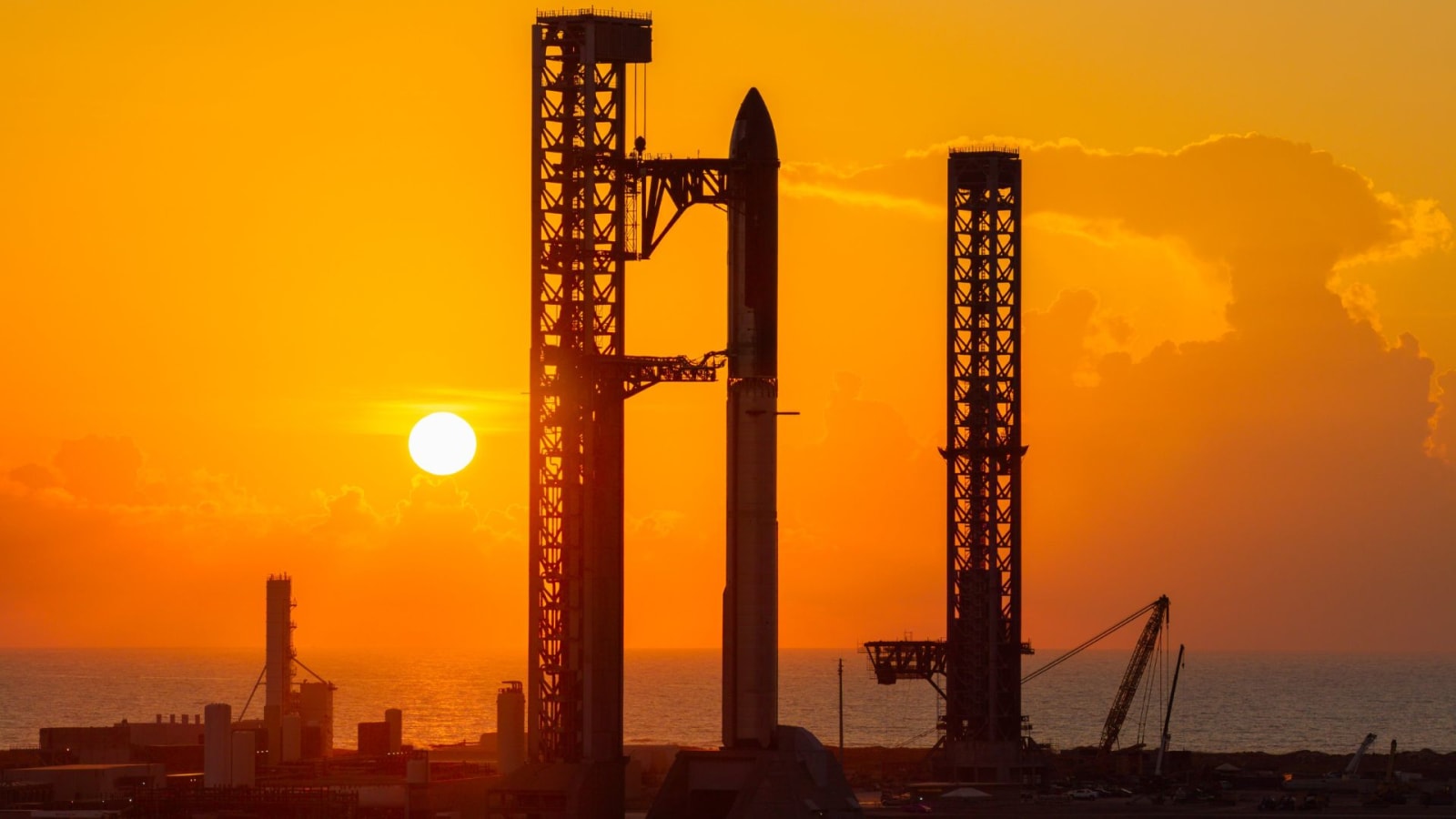
It will also fly over Pakistan, India, China, and other major Southeast Asian countries like Thailand, Vietnam, and Indonesia before heading toward the Pacific Ocean, where it will be nighttime. Starship’s deorbit burn is planned 8 hours and 52 minutes after launch, and if all goes well, it will splash down in the planned region about 9 hours and 50 minutes post liftoff.
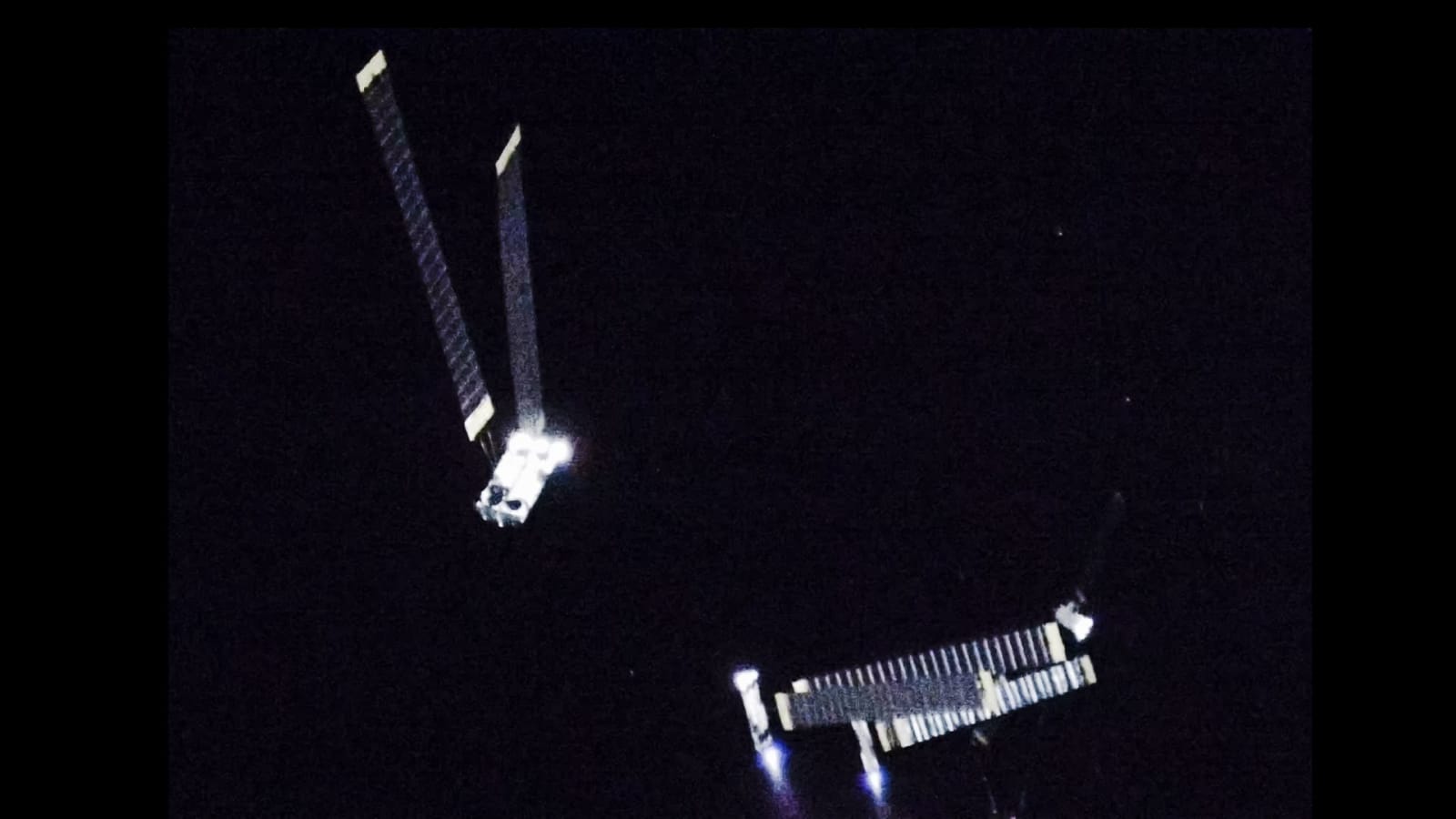
Apart from attempting to reach orbit for the first time, Starship also has a task to deploy the first batch of 26 Starlink V3 satellites into orbit. These satellites will not only increase the current capacity of the internet-providing Starlink network, but three of them will also take pictures of the upper stage’s heat shield to help improve design for future missions. SpaceX says the V3 satellites will raise their orbits using onboard thrusters after deployment and will become operational in just a few weeks.
More on Starlust
The end of ISS: How NASA plans to deorbit the gigantic orbital lab using SpaceX’s help