SpaceX's Falcon 9 launches its third classified U.S. Space Force mission (watch video)
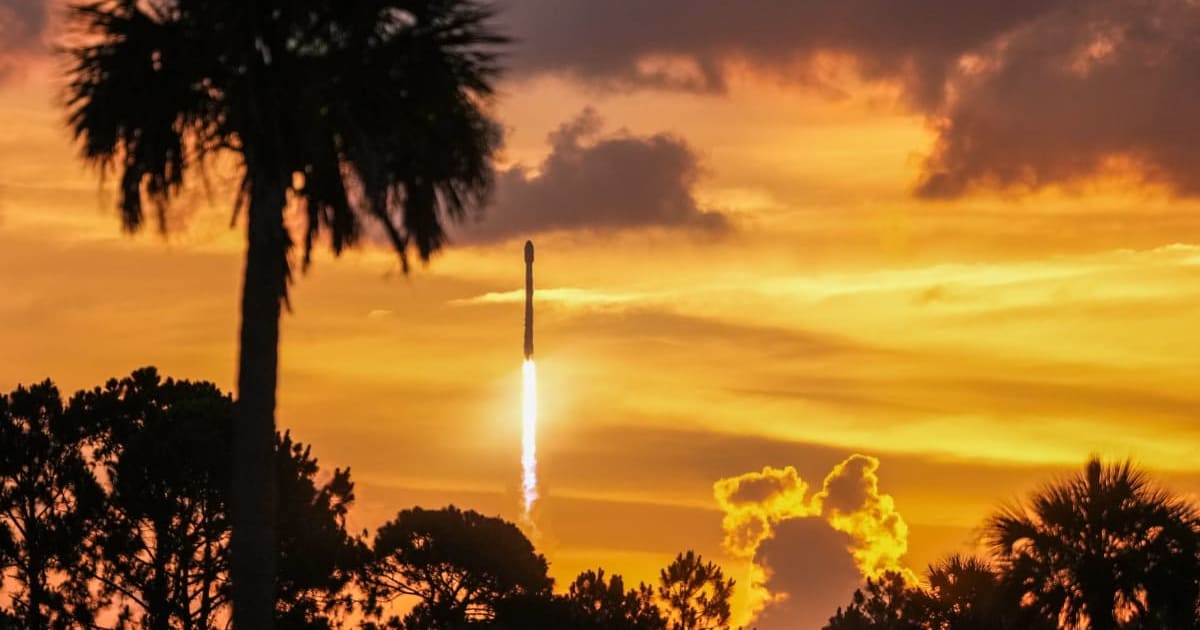
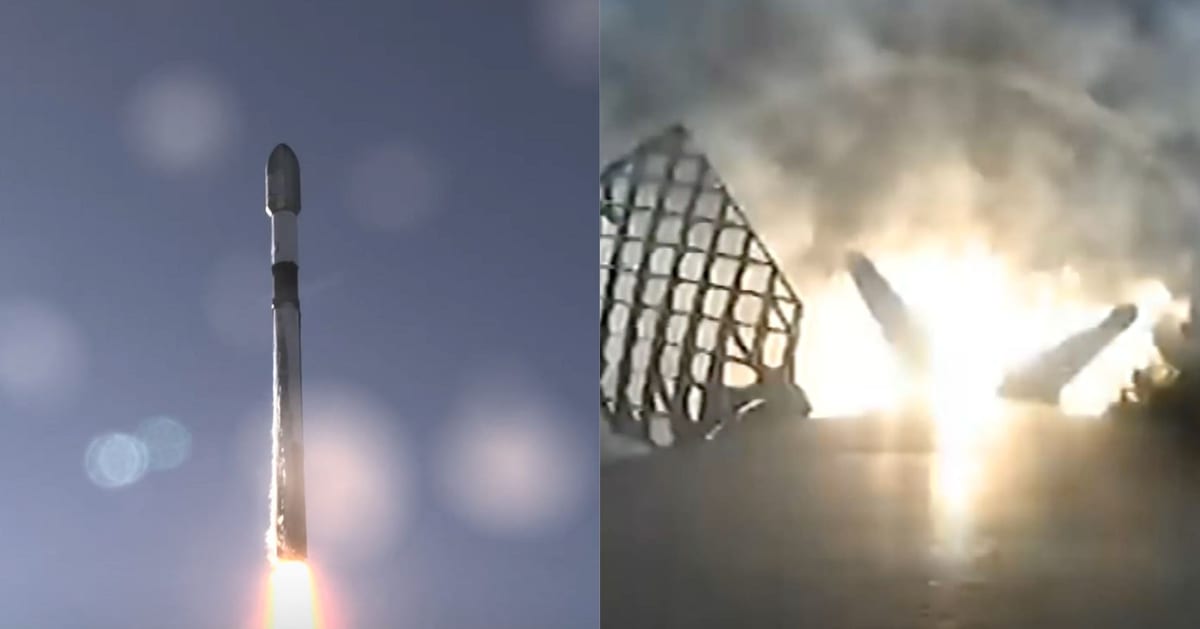
Only 11 days after its second classified flight, SpaceX was back in action with another mission. This time, a Falcon 9 rocket carried the USSF-385 mission’s payload for the U.S. Space Force from a fog-covered Vandenberg Space Force Base in California at 10 a.m. EDT. Before this mission, the most recent classified launches were USSF-153 and USSF-259, which lifted off on September 10 and September 16, 2026, respectively.
Falcon 9 launches USSF-385 to orbit from pad 4E in California pic.twitter.com/gEmvXTvgYz
— SpaceX (@SpaceX) September 26, 2026
Around eight and a half minutes into the flight, the Falcon 9’s first stage separated and headed back toward Earth, eventually landing on SpaceX’s Pacific Ocean droneship, “Of Course I Still Love You.” Information about the USSF-385's payload or activities has not been made public. SpaceX then ended its public livestream soon after touchdown and left the rest of the mission out of view before the payload was released into orbit. This particular booster, tracked as number 1100, had just completed its 10th successful flight and landing.
Watch Falcon 9 launch the USSF-385 mission from pad 4E in California https://t.co/CAdbx85Ydy
— SpaceX (@SpaceX) September 26, 2026
The launch brought Falcon 9’s total for the year to 108 flights. And most of those missions (around 75%) have been focused on growing SpaceX’s Starlink constellation. Currently, the company's broadband satellite network numbers more than 11,000 spacecraft circling low Earth orbit.
Falcon 9’s first stage lands on the Of Course I Still Love You droneship pic.twitter.com/MBDdD5TLeu
— SpaceX (@SpaceX) September 26, 2026
What has SpaceX lined up next?
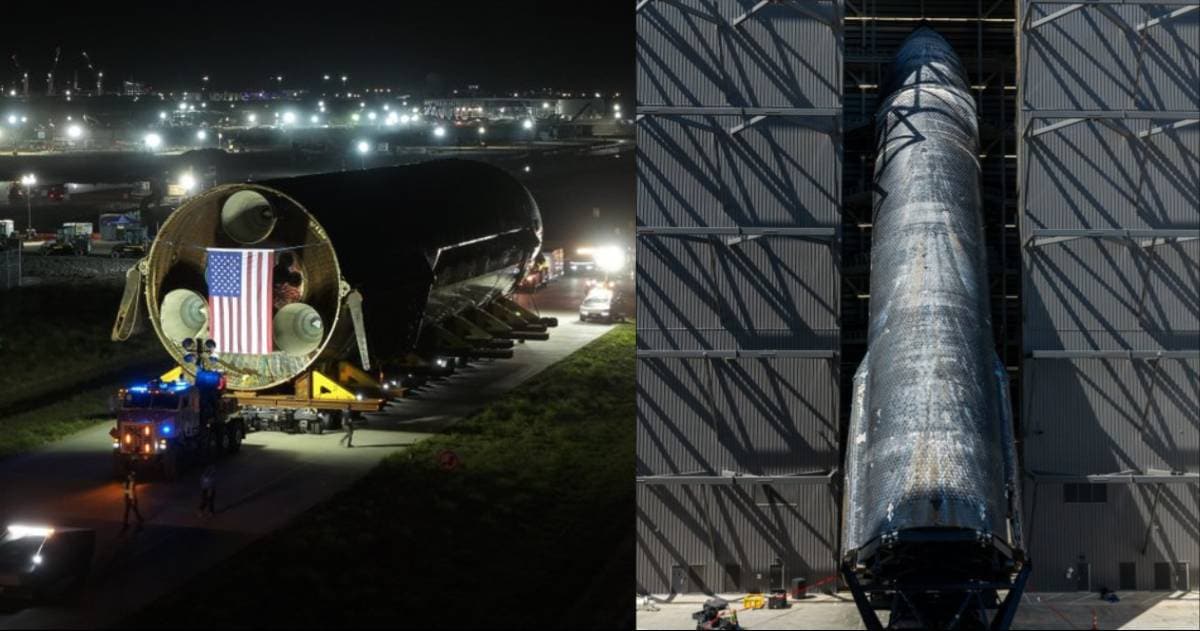
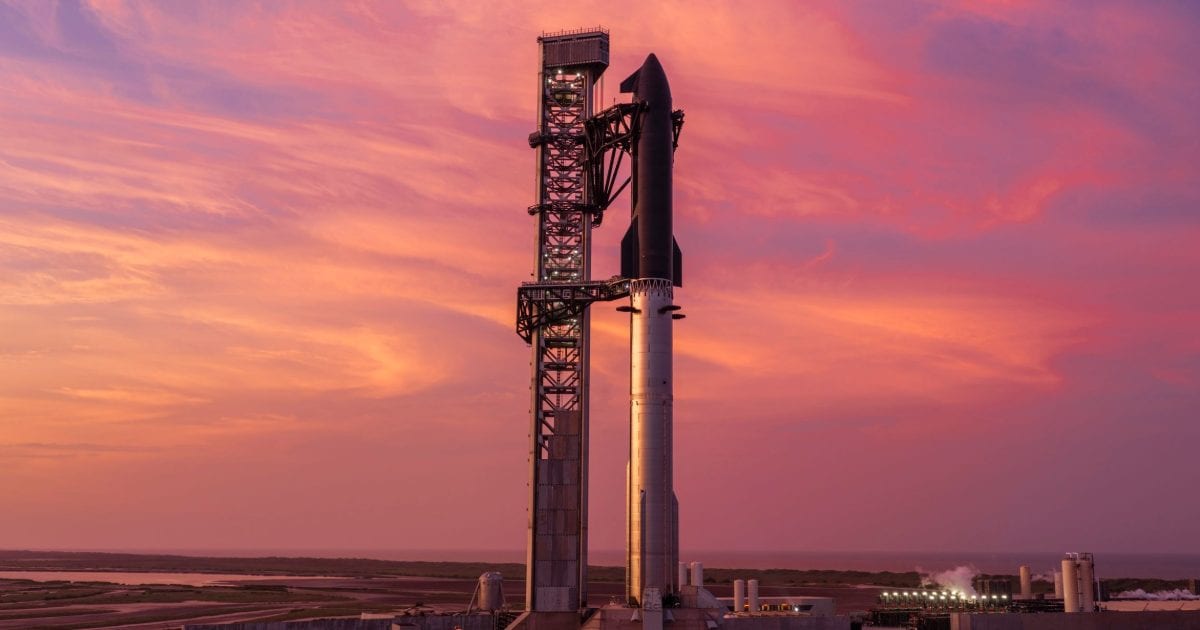
Next up, SpaceX is gearing up for its Starship Flight 14 mission, which will launch on September 28, 2026, and it's currently pending regulatory approval. The launch will be streamed live on SpaceX's official website as well as its X account. This flight will be the company's first Starship launch around orbit, and it will also mark the first time SpaceX will deploy its Starlink V3 satellites into the constellation. SpaceX noted that "opportunistic full stack testing is planned ahead of Flight 14's launch, which is on track for Monday, Sept. 28, pending regulatory approval."
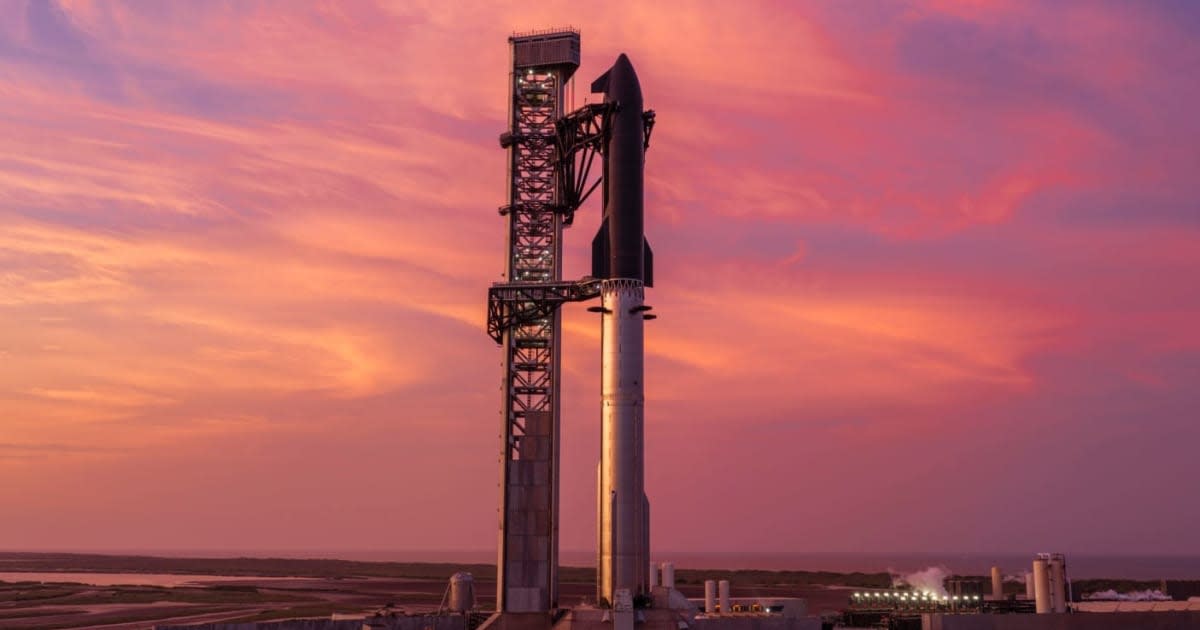
Commenting on the reusability of Starship, Elon Musk said, "Either at the end of this year or more likely early next, we will refly the ship and refly the booster. Once we can refly the ship, we will have made the first fully reusable orbital rocket. It’s designed for not just full reusability, but also rapid reusability like an aircraft. This is a very important breakthrough. It’s really the critical breakthrough that’s necessary to extend life beyond Earth."
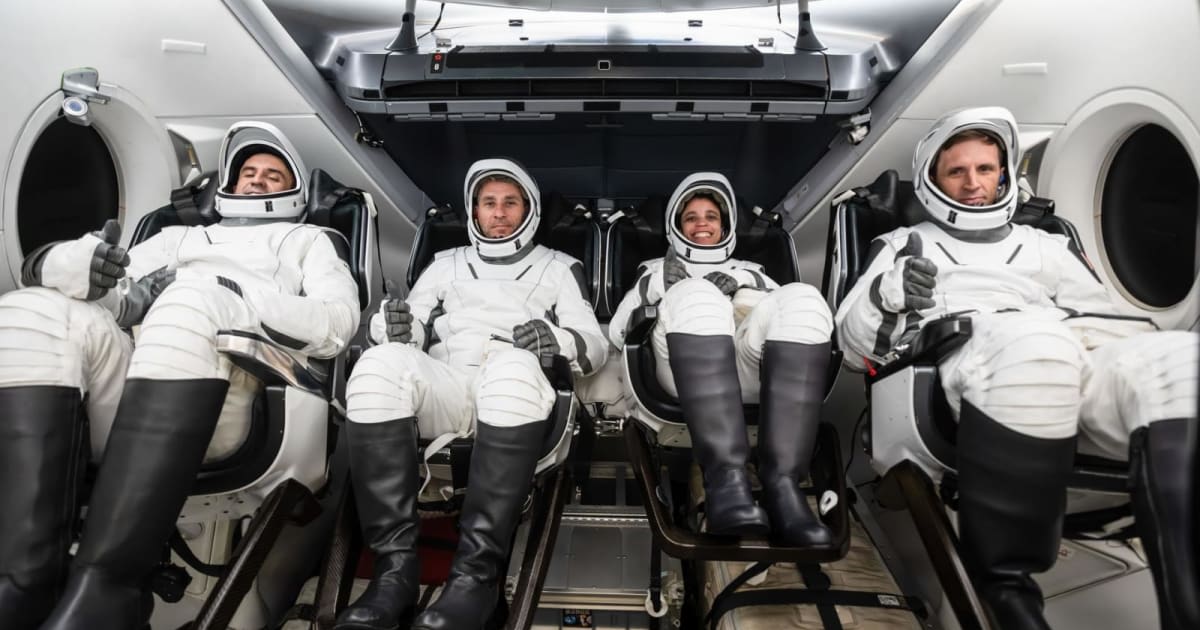
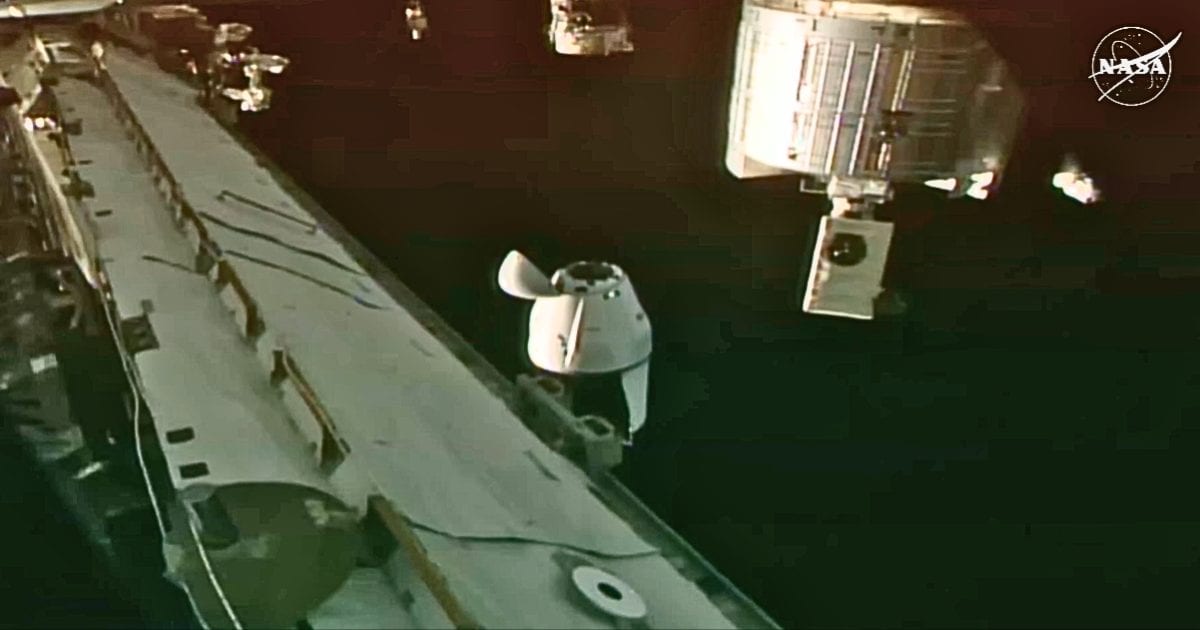
Meanwhile, crewed missions are also queuing up. NASA is currently targeting the launch of its Crew-13 astronauts on October 1 aboard a Dragon spacecraft. The spacecraft has already arrived at Cape Canaveral, and further out, Crew-14 is set to carry four astronauts to the International Space Station (ISS) sometime in 2027. Crew-14 astronauts have also been revealed, and it includes Spacecraft Commander Kayla Barron, Pilot Chris Birch, as well as Mission Specialists Makoto Suwa from JAXA and Arutyun Kiviryan from Roscosmos.
More on Starlust:
'Dodged a bullet': NASA chief Jared Isaacman relieved by delay in China's Chang’e-7 Moon mission
NASA announces four astronauts heading to ISS on SpaceX Crew-14 mission