NASA astronaut shares thrilling video of ISS getting flipped during orbital reboost ahead of Crew-13’s launch; Watch
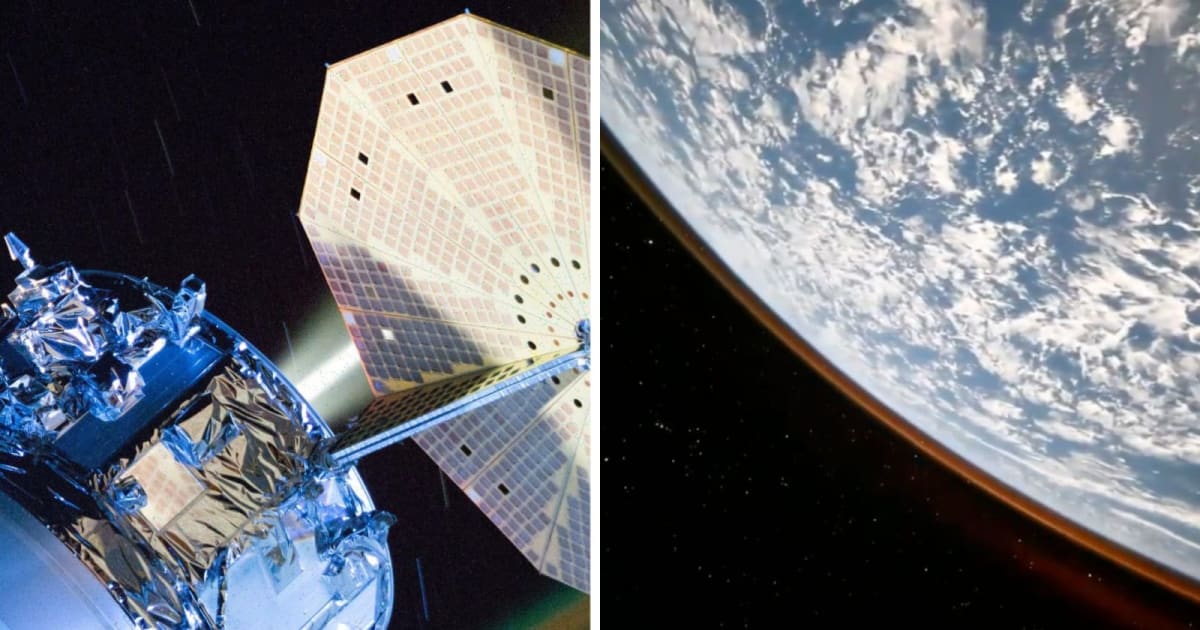
The International Space Station (ISS) is now flying at a higher orbit after the latest planned reboost earlier this week. On September 25, NASA announced that the station’s altitude was adjusted by 1.5 miles at its closest point to Earth (perigee) and 0.8 miles at its closest using Northrop Grumman’s Cygnus XL spacecraft docked at one of the ports. With the latest reboost, the ISS is now flying in an orbit of 265.5 x 256.8 miles. NASA says this was done in preparation for the arrival of Crew-13 mission which is scheduled to launch from the Kennedy Space Center, Florida, on October 1.
.@NorthropGrumman's Cygnus XL cargo spacecraft fired its thrusters at 11:43 a.m. EDT today boosting the space station's orbit to prepare for @NASA's @SpaceX Crew-13 mission due to launch no earlier than Oct. 1. More... https://t.co/y6xpUjzvt3 pic.twitter.com/MRs6m6mG9z
— International Space Station (@Space_Station) September 25, 2026
The ISS is always in free fall as it orbits Earth and it needs occasional reboosts in orbit to stay afloat and sometimes dodge dangerous space debris. This procedure is carried out using thrusters of spacecraft docked at the station ports.
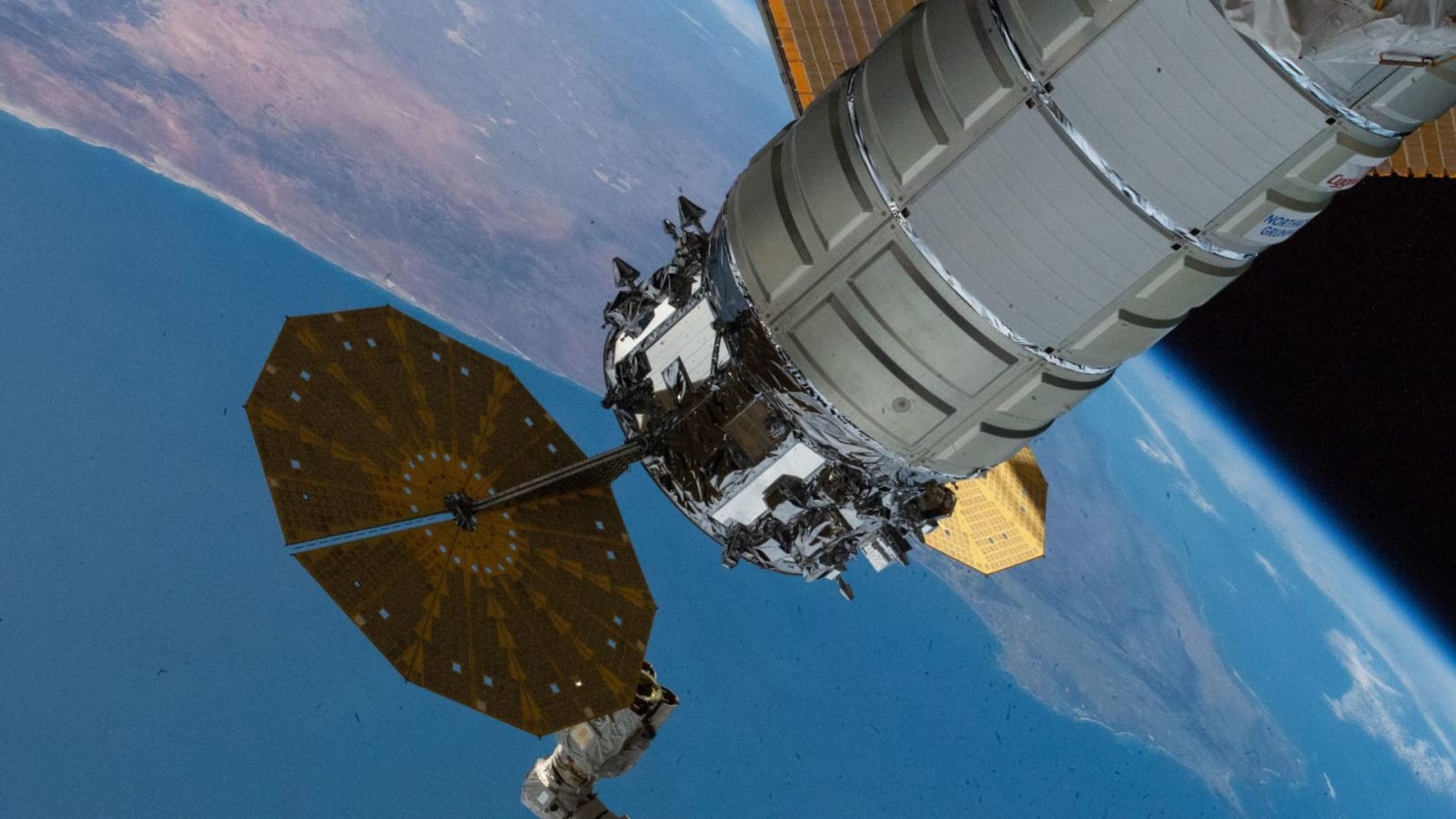
The Cygnus spacecraft used for the latest reboost arrived at the orbital complex in April with more than 11,000 pounds of science and supplies for the astronauts. “Cygnus will remain berthed to space station until October when it will be filled with disposal cargo, unberthed from station, and then harmlessly burn up during its destructive reentry into Earth’s atmosphere,” NASA said in a statement.
Watch the station flip as it adjusts altitude
Thanks to NASA astronaut Anil Menon, we have an interesting perspective of the orbit-raising maneuver and what it looks like from inside the station. In a post on X, Menon shared that the station changed its direction during the reboost and NASA engineers flipped it around while it flew over Earth.
Space stations can do gymnastics! Look out the Dragon window and watch us flip direction. In order to boost station, we had to change the direction it was pointing, so NASA engineers flipped it around, and, here, you can see it flipping back. This movie was made from 5500 still… pic.twitter.com/sVHbTfL6dk
— Anil Menon (@astro_anil) September 26, 2026
“Space stations can do gymnastics! Look out the Dragon window and watch us flip direction. In order to boost station, we had to change the direction it was pointing, so NASA engineers flipped it around, and, here, you can see it flipping back,” Menon posted. He said the shared footage was made from 5,500 still images that were taken during the orbit-raising maneuver and stitched together.
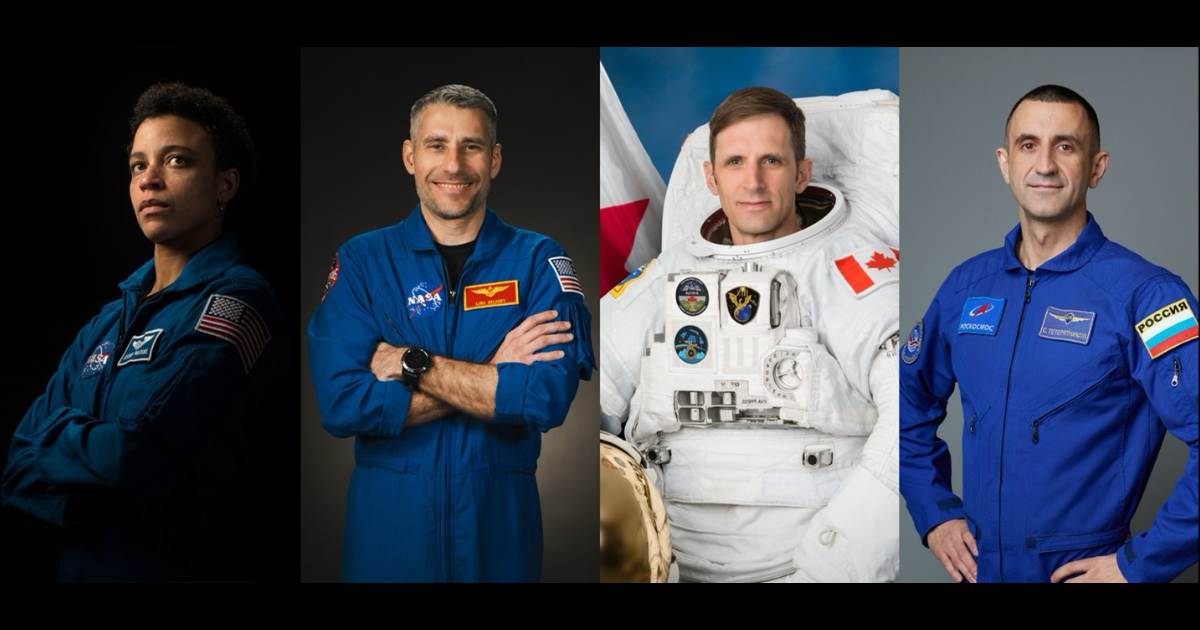
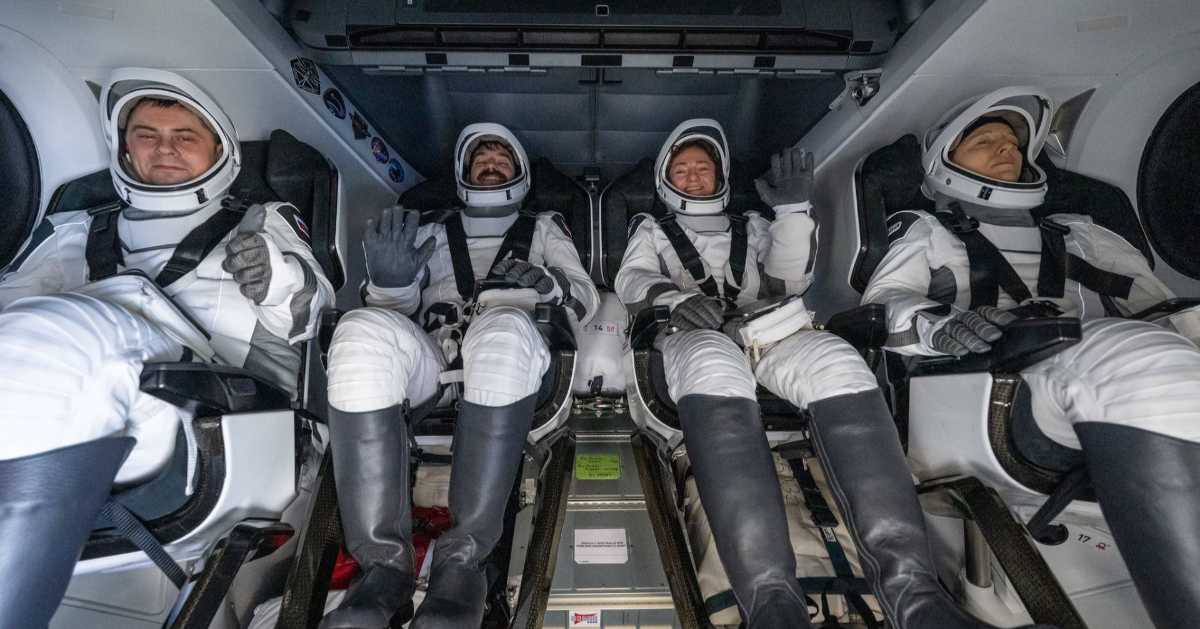
The Crew-13 mission includes NASA astronauts Jessica Watkins (commander) and Luke Delaney (pilot), Joshua Kutryk of the Canadian Space Agency (mission specialist) and Sergey Teteryatnikov of the Russian space agency, Roscosmos (also a mission specialist). They are scheduled to lift off at 11:10 am EDT on October 1 atop SpaceX’s Falcon 9 rocket and dock at the station’s Harmony module around 8 pm EDT on the same day. Their arrival will be followed by the return of Crew-12 a few days later, concluding the 8-month long mission which launched in February. Crew-12 includes commander Jessica Meir, pilot Jack Hathaway and mission specialists Andrey Fedyaev and Sophie Adenot and they are busy wrapping up their stay for their scheduled return.
More on Starlust
Ultrasound in space: NASA’s Anil Menon shows how astronauts undergo health checkup aboard the ISS
Spacesuit checked: NASA’s Crew-12 astronauts wrap up 8-month stay ahead of departure from ISS