'Stripped-to-the-bone' supernova offers first direct look inside a dying star's core
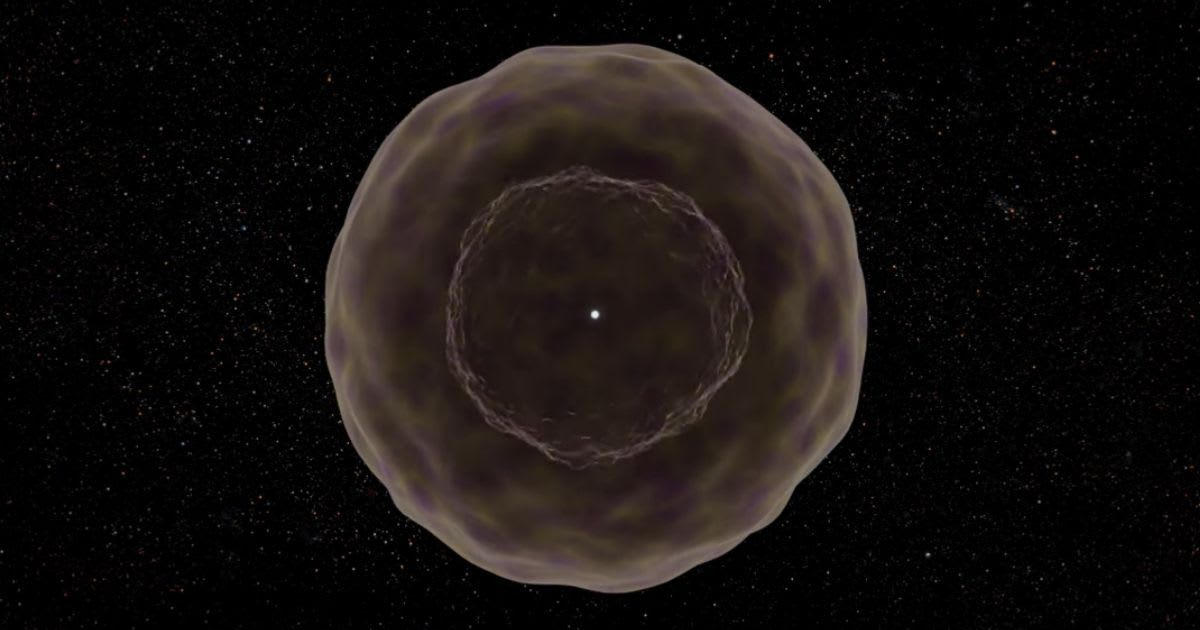
A new study led by astrophysicists at Northwestern University has unveiled a previously unseen type of supernova, offering a direct glimpse into the deep, layered structure of a massive star moments before its explosive demise. The findings, published August 20 in the journal Nature, challenge existing theories on how stars evolve and die, as per Northwestern University.
Dubbed SN2021yfj, this stellar explosion stunned astronomers with its unique chemical signature. While typical supernovae exhibit a strong presence of light elements like hydrogen and helium, SN2021yfj's spectrum was dominated by heavier elements, including silicon, sulfur, and argon. This suggests the star had somehow been "stripped to the bone," losing its outer layers of lighter elements before it exploded.
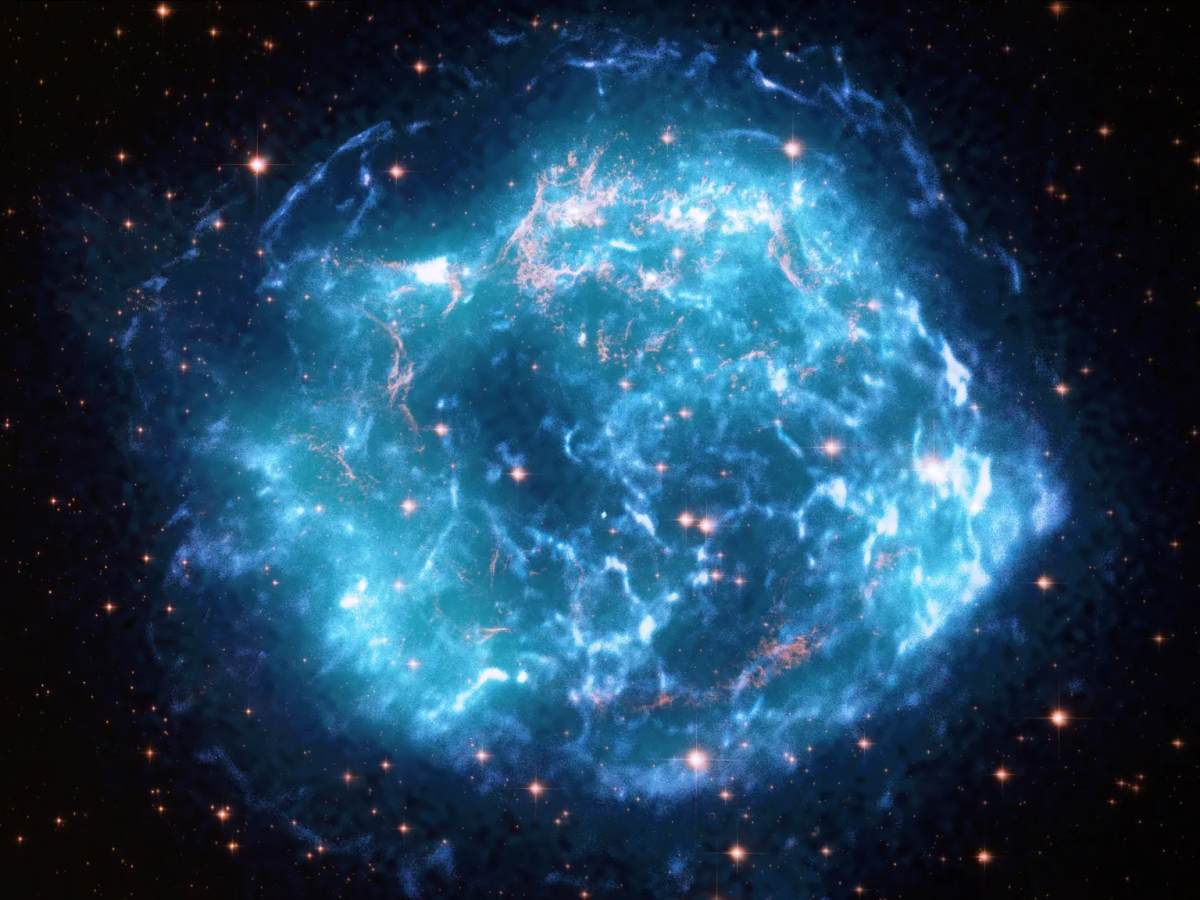
Astrophysicists have long theorized that massive stars are structured like onions, with lighter elements on the outside and successively heavier elements concentrated toward the core. The observation of SN2021yfj provides the first direct evidence of this layered composition. "This is the first time we have seen a star that was essentially stripped to the bone," said Steve Schulze, the Northwestern research associate who led the study. "It shows us how stars are structured and proves that stars can lose a lot of material before they explode."
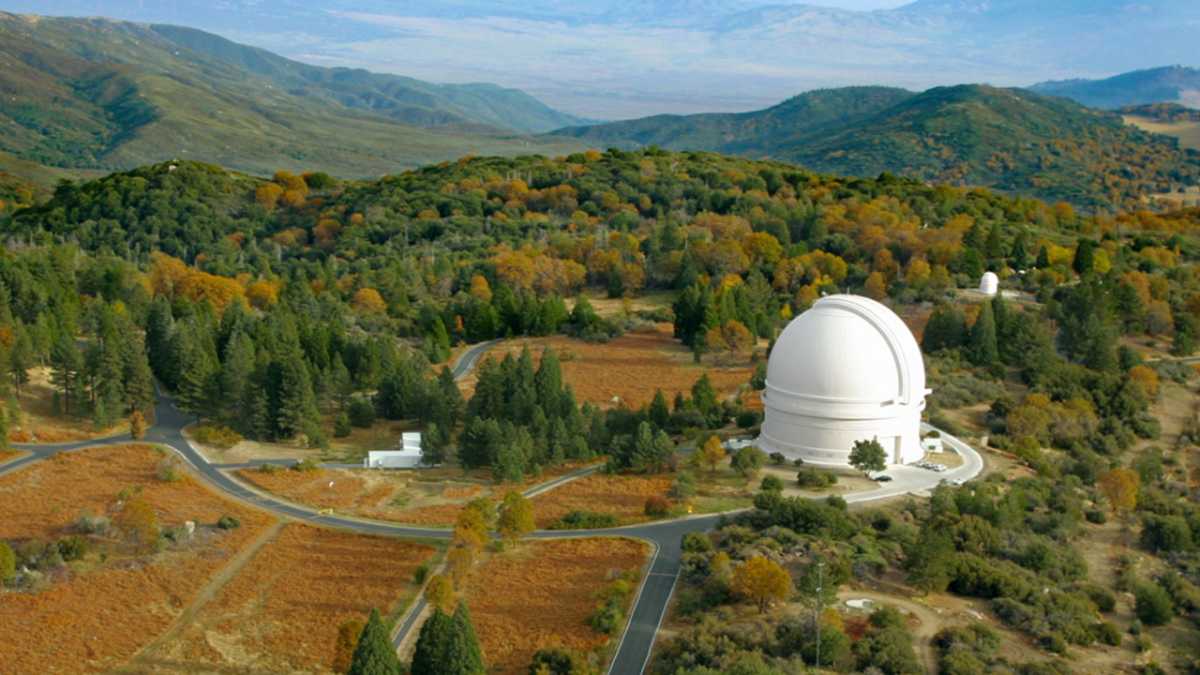
The discovery was made using the Zwicky Transient Facility (ZTF), a wide-field camera that scans the night sky for fleeting celestial events. After spotting an unusually bright object in September 2021, the research team scrambled to get a spectrum, which breaks down light to reveal an object's chemical composition. The spectrum from SN2021yfj revealed a composition dominated by silicon and sulfur, elements formed deep inside a star's core. "This event quite literally looks like nothing anyone has ever seen before," said Adam Miller, a senior author on the study and a professor of physics and astronomy at Northwestern. "It was almost so weird that we thought maybe we didn’t observe the correct object."
The precise mechanism for how the star shed so much of its mass remains an open question. Researchers are exploring several scenarios, including interactions with a companion star or powerful pre-supernova eruptions. The leading theory suggests that the star underwent a series of "pair-instability" episodes, where the core's immense heat and density caused powerful energy bursts that ejected the star's outer layers. Regardless of the cause, the discovery of SN2021yfj highlights the need for a broader understanding of stellar evolution. "This star is telling us that our ideas and theories for how stars evolve are too narrow," Miller added. "It’s not that our textbooks are incorrect, but they clearly do not fully capture everything produced in nature." Future studies will focus on searching for more of these rare supernovae to better understand the processes that lead to their formation.
In a related development, the James Webb Space Telescope (JWST) has captured a stunning new image of a dying star, revealing a cosmic phenomenon in unprecedented detail, according to NASA. Using two on-board cameras, Webb peered through the dust and gas of a planetary nebula known as the Southern Ring Nebula (NGC 3132), located approximately 2,500 light-years away.
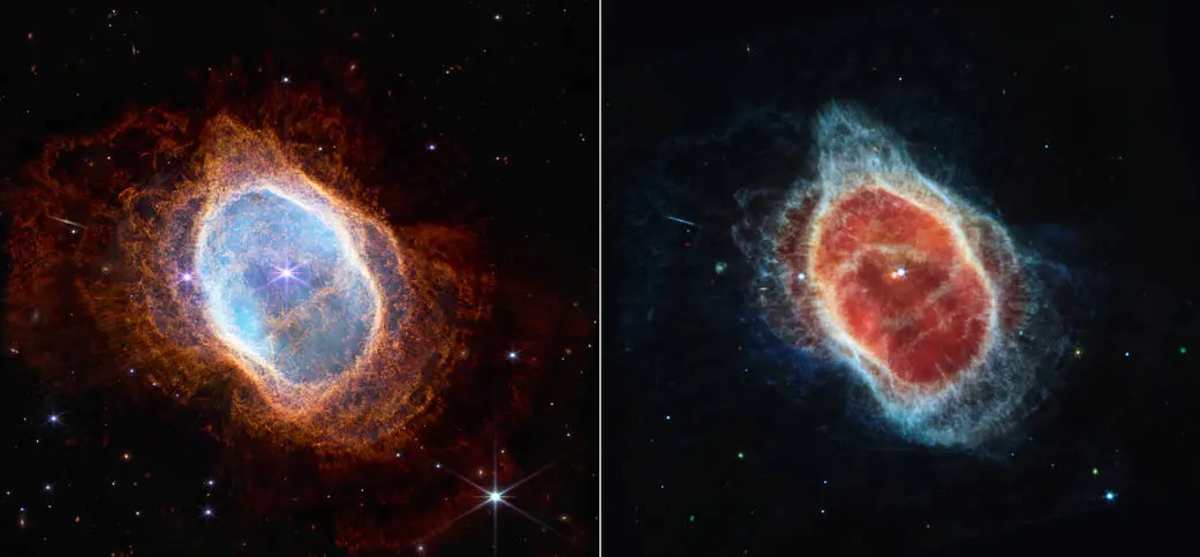
The images show a faint star at the nebula's center, previously cloaked by the very dust it has been expelling for thousands of years. This star, in its final stages of life, has created the intricate, multi-layered shells of gas and dust visible in the image.