NASA just rolled out the biggest part of Artemis III rocket out of Michoud Assembly Facility
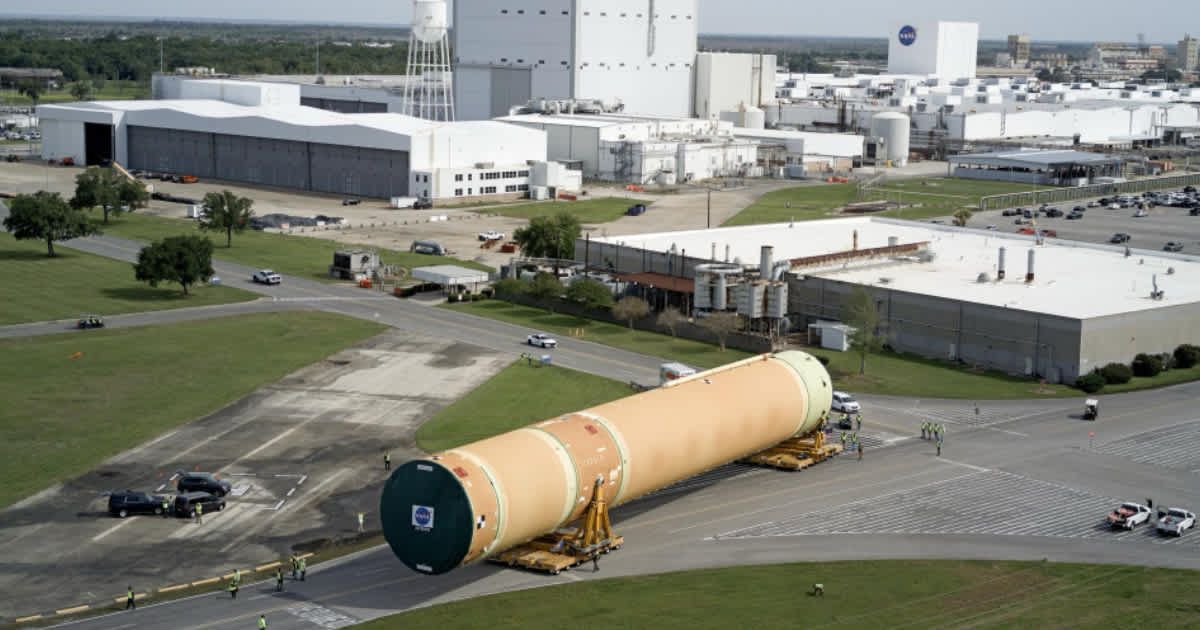
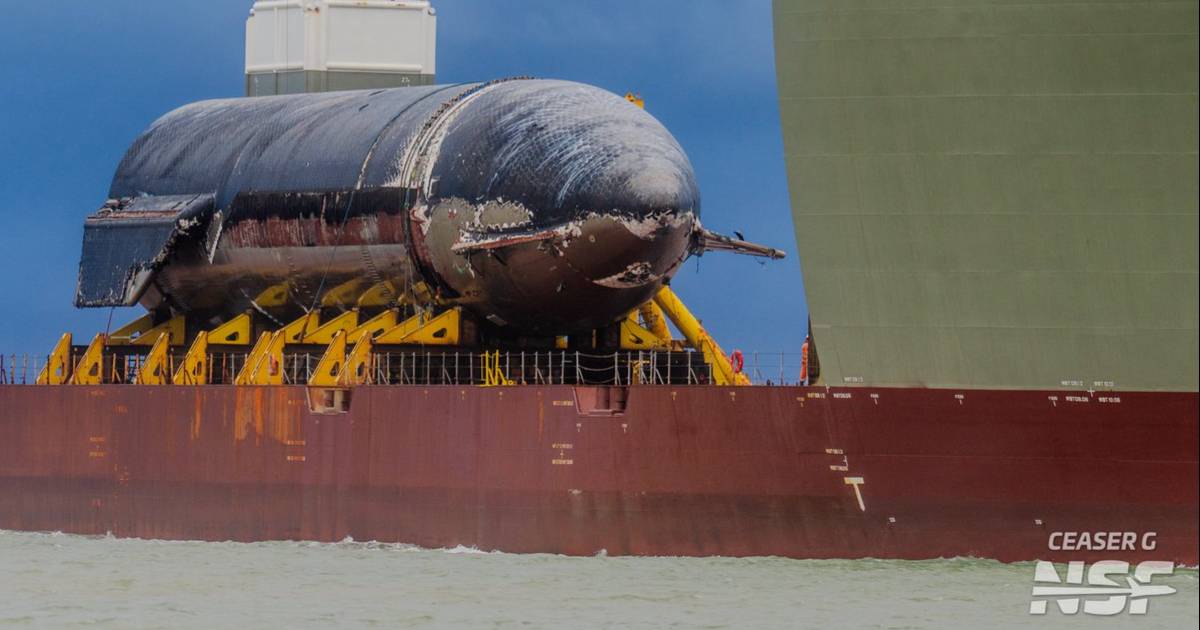
According to NASA, teams at the Michoud Assembly Facility in New Orleans rolled out a fresh core stage of the agency’s SLS (Space Launch System) rocket on April 20, 2026. The SLS rocket that this core stage will be a part of will launch the Artemis III mission in 2027. The stage was brought to the Pegasus barge so as to be shipped to NASA’s Kennedy Space Center in Florida. Once it reaches its destination, the stage outfitting and vertical integration will be completed. Stacking of the entire SLS rocket will be done by the Exploration Ground Systems teams at KSC in time for the crewed mission.
With Artemis II safely back on Earth, NASA has begun shipping the core stage for the Artemis III rocket to @NASAKennedy.
— NASA (@NASA) April 20, 2026
Artemis III will test rendezvous and docking capabilities needed to land Artemis IV astronauts on the Moon in 2028. https://t.co/RfhWoO907P pic.twitter.com/w0sE6qHM0X
Dr. Lori Glaze, acting associate administrator, Exploration Systems Development Mission Directorate in Washington, explained how this monumental logistical effort is just one small step towards NASA’s phased plan of establishing a Moon Base as well as venturing further to Mars. “This is the backbone of Artemis III. As it heads to Florida for final integration, we are one step closer to testing the critical capabilities needed to land Americans on the Moon and, ultimately, paving the way for our first crewed missions to Mars.” As a part of Artemis III, the core stage will be filled with over 733,000 gallons of cryogenic fuel that will power the four RS-25 engines that it will be fitted with. The stage will be jettisoned once the upper stage is delivered to the desired altitude, after which the crew will test integrated operations between the Orion spacecraft and the human landing systems provided by Blue Origin and/or SpaceX in low-Earth orbit.
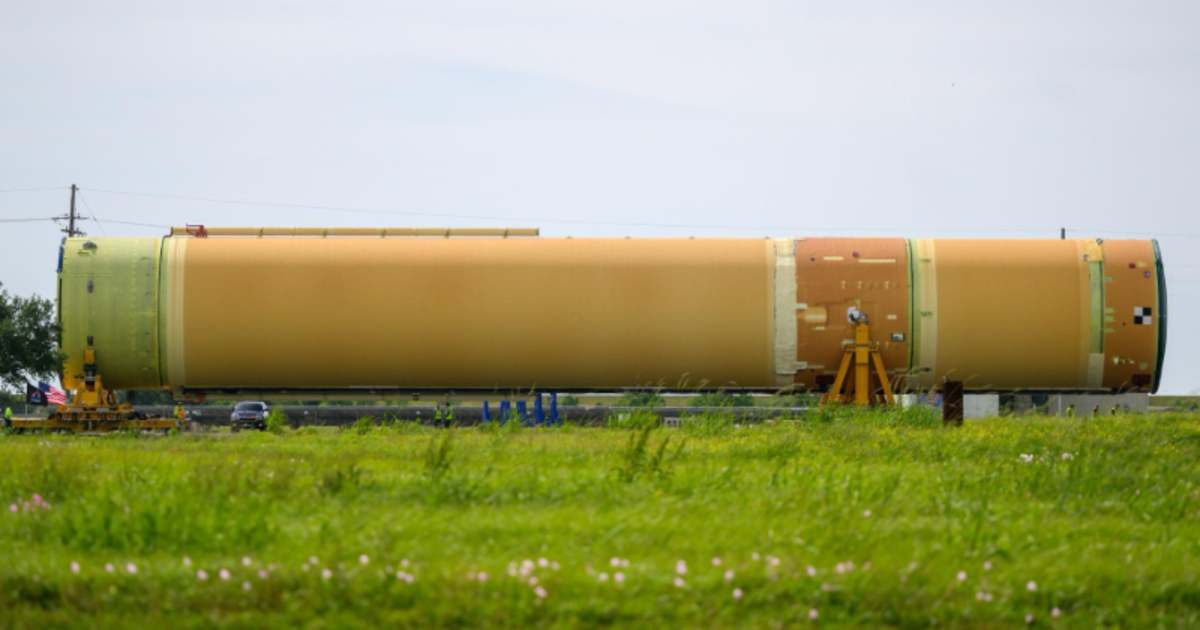
To transfer the core stage to the barge, engineers employed highly specialized transporters. The part of the rocket that was rolled out forms the top four-fifths of the fully integrated core stage, which will be 212 feet in height. This section of the core stage houses the two propellant tanks that will contain liquid oxygen and liquid hydrogen, the intertank and the forward skirt. Over the first 8 minutes or so of the mission, the fully integrated stage will provide more than 2 million pounds of thrust to deploy the astronauts onboard the Orion spacecraft into orbit.
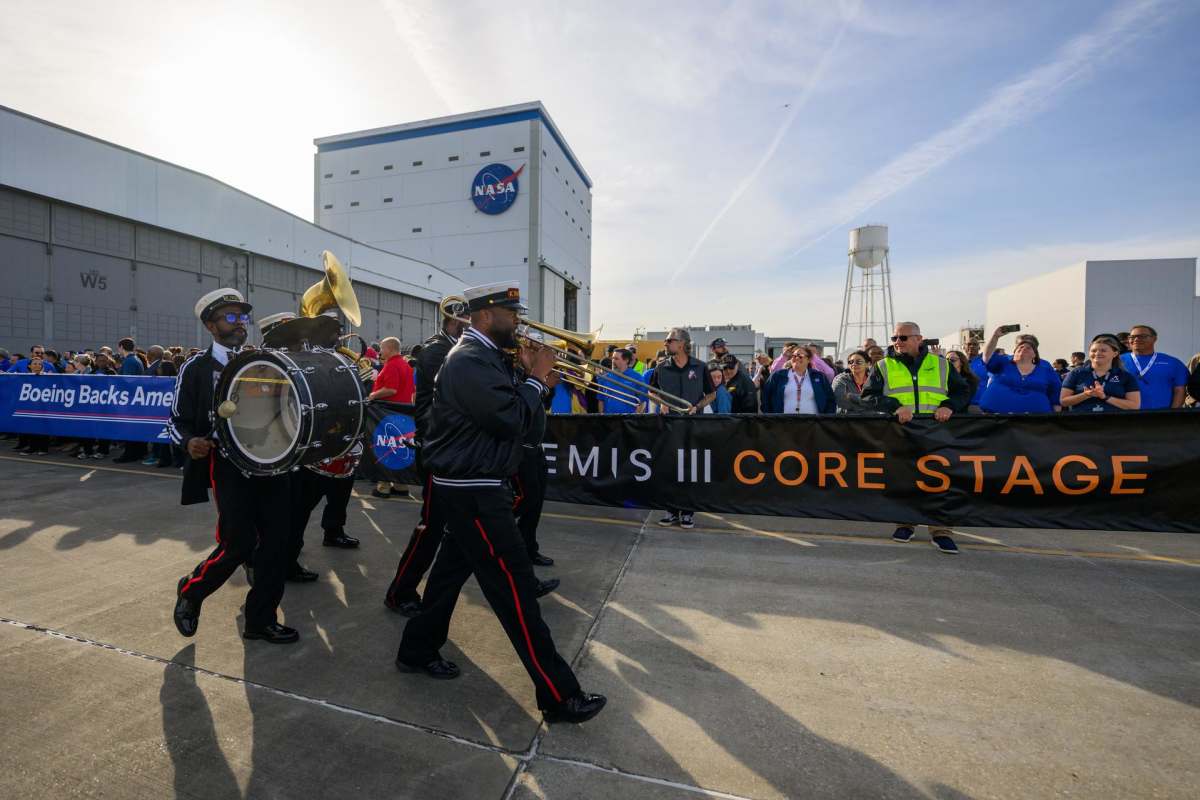
As with many other parts of the SLS rocket and other hardware of the Artemis program, the role of NASA’s industry partners has been key to the building of the core stage. The design of the overall core stage and its assembly was undertaken by Boeing. L3Harris was responsible for manufacturing the RS-25 engines.
Next up, Artemis III 🇺🇸 https://t.co/kQb6tWAFW5
— NASA Administrator Jared Isaacman (@NASAAdmin) April 20, 2026
The readiness for delivery of the core stage within days of the success of Artemis II comes as a welcome sight for NASA leadership, who have been at pains to stress how important it is to turn around quickly between one mission and the next. The agency has ambitions of increasing its launch cadence to a couple of launches in a year, from the three-plus years that have passed since Artemis I. To do so, the agency had decided to standardize SLS across all Artemis missions, scrapping any larger variants and focusing on building what is known as "launch heritage." This is meant to give a reliable avenue for NASA to deliver cargo and crew to the lunar surface, with SLS being the only rocket so far capable of doing so in one go. “Seeing this SLS rocket hardware roll out is a powerful reminder of our progress toward returning humans to the lunar surface,” said Dr. Glaze.
More on Starlust
'Just the beginning': NASA leaders celebrate Artemis II crew's return, shift focus to Artemis III
NASA resets Artemis roadmap, shifts Artemis III from crewed lunar landing to Earth-orbit test