What is China’s Chang’e-7 mission launching this month to hunt for water at the Moon’s South Pole?
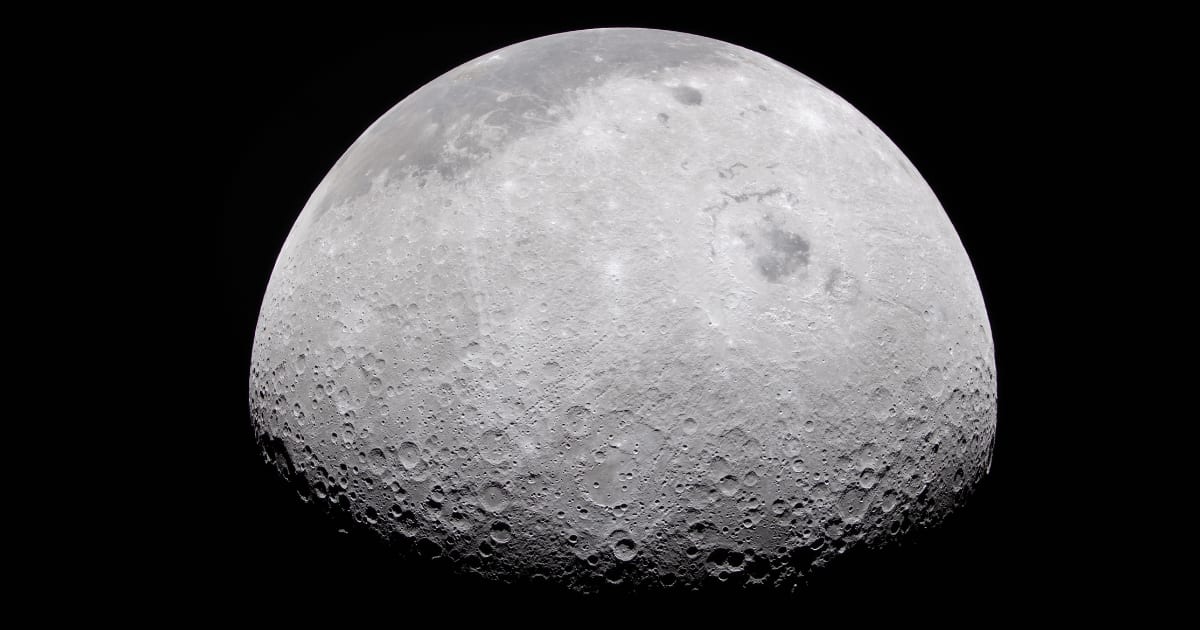
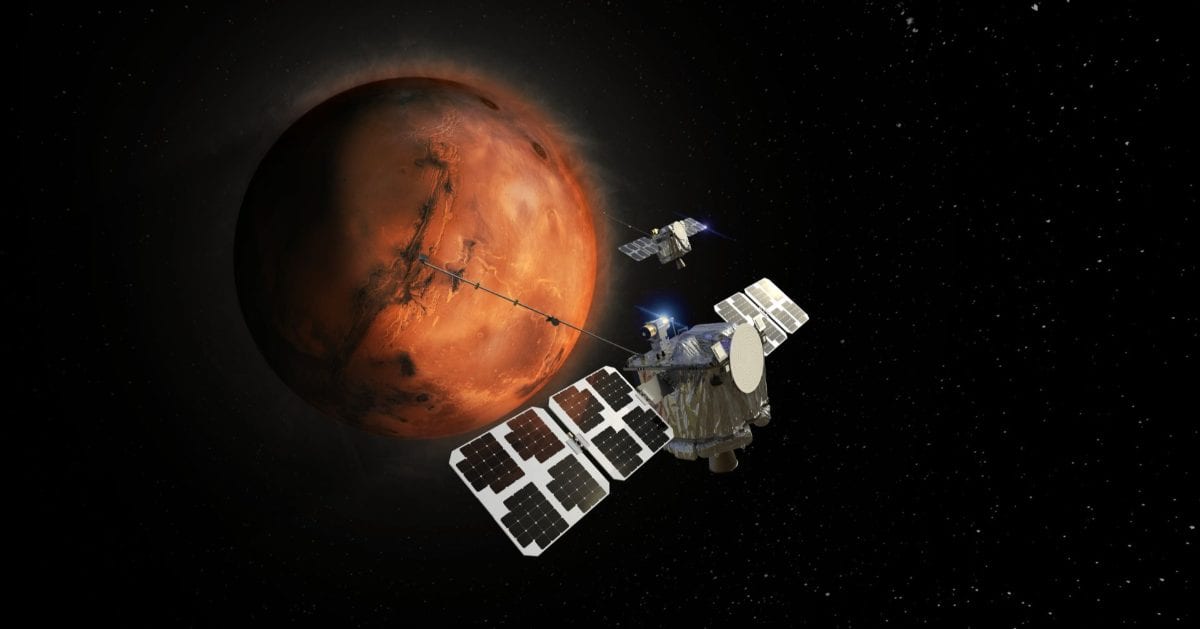
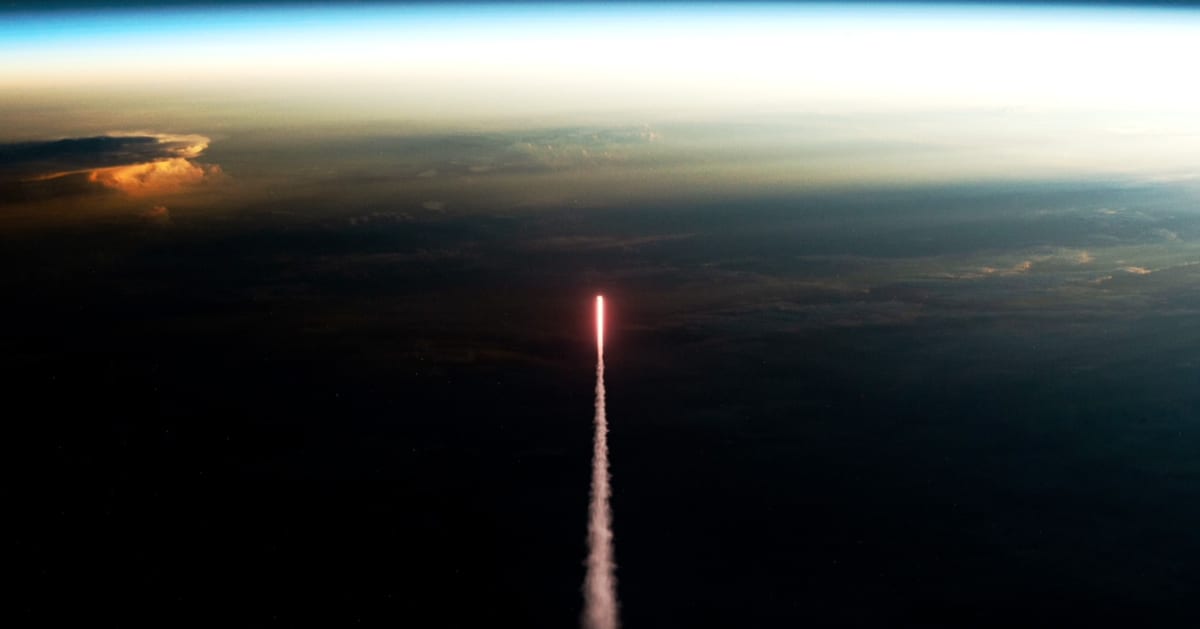
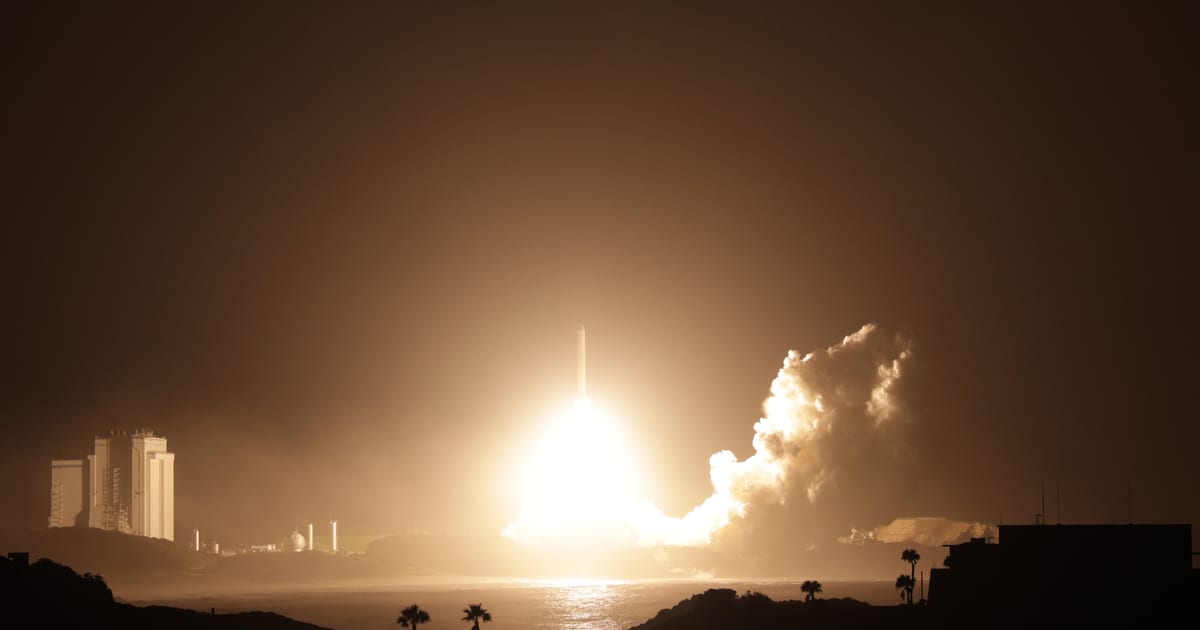
China is preparing its most ambitious and advanced Moon mission to date, which could launch later this month. The Chang’e-7 mission will reportedly lift off on a Long March 5 rocket from the Wenchang Satellite Launch Center as the first to include an orbiter, a lander, a rover, and a small hopping spacecraft that will together hunt for water-ice deposits at the lunar south pole.
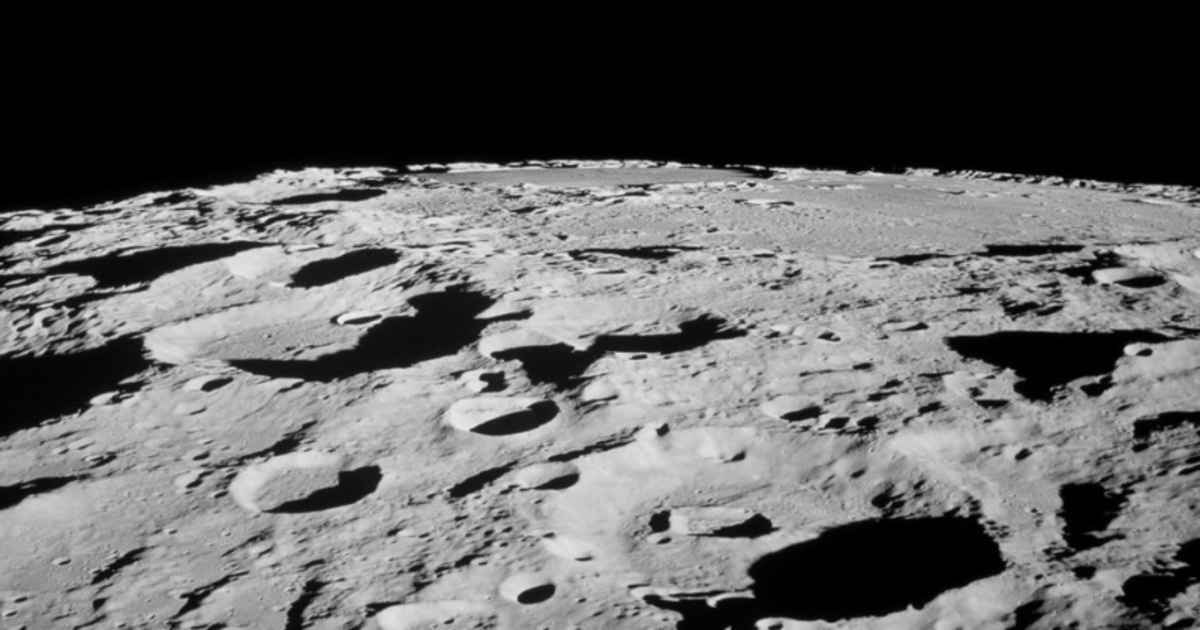
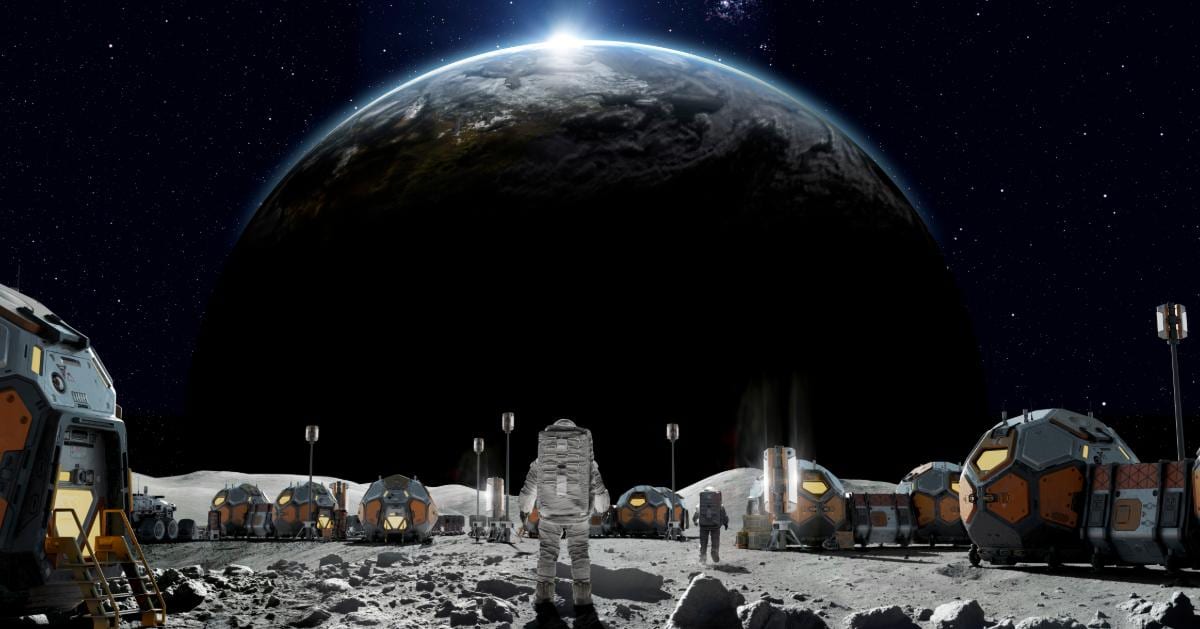
The south pole of the Moon is famous for its permanently shadowed regions that have hundreds of craters hiding water-ice deposits, which can be converted into drinking water, oxygen, and even rocket fuel. The in-situ resource utilization of these ice deposits, along with other lunar volatiles, can help in the construction of lunar bases—a goal both the US and China are pursuing. Chang’e-7 is part of China’s fourth phase of lunar exploration, and it is supposed to lay the groundwork for its International Lunar Research Station on the Moon.
Chang’e-7—China’s giant leap?
The objective of the mission, according to the China National Space Administration (CNSA), is surveying the lunar surface environment, water, ice, and volatile elements of lunar soil at the lunar south pole. The focus will be on the permanently shadowed craters, which are some of the coldest regions in our solar system, as they haven’t received sunlight for potentially billions of years.
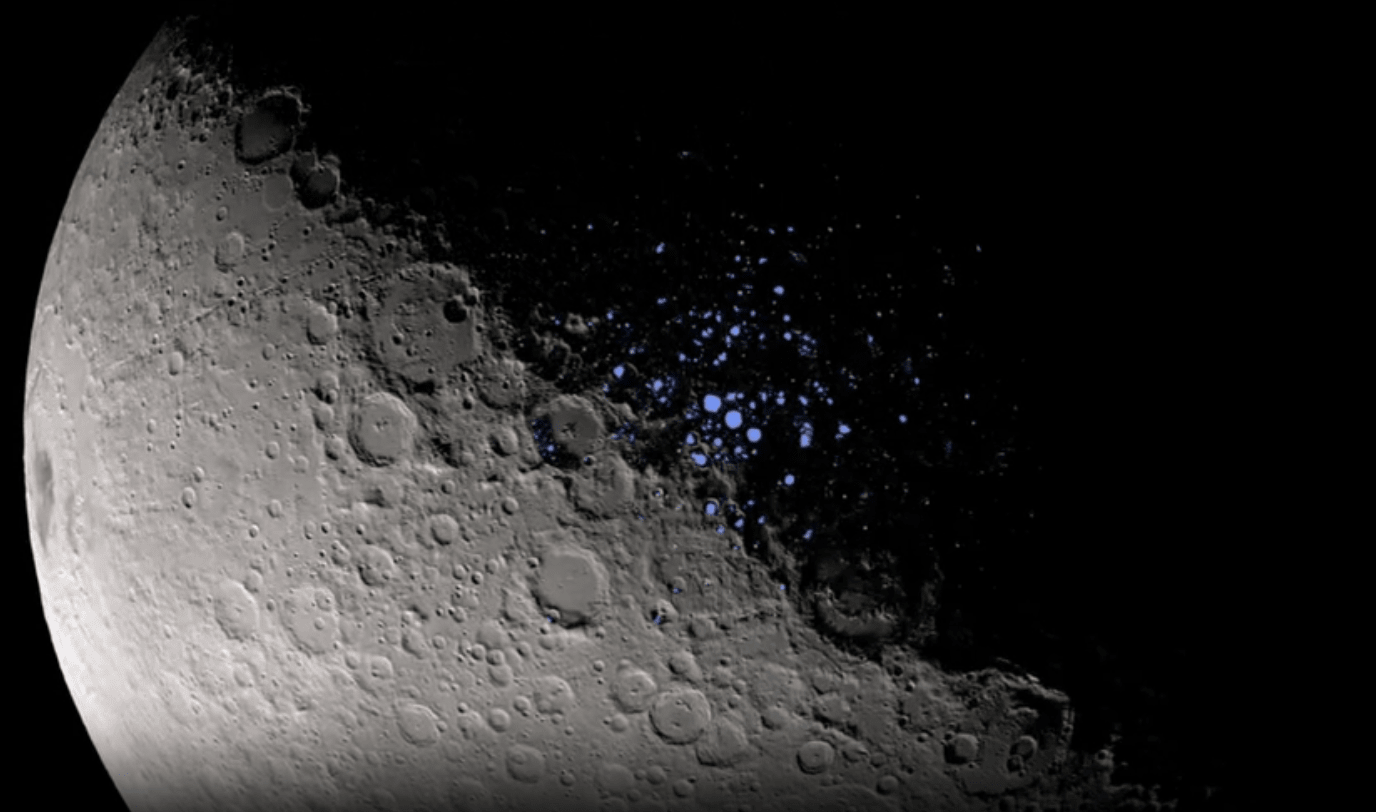
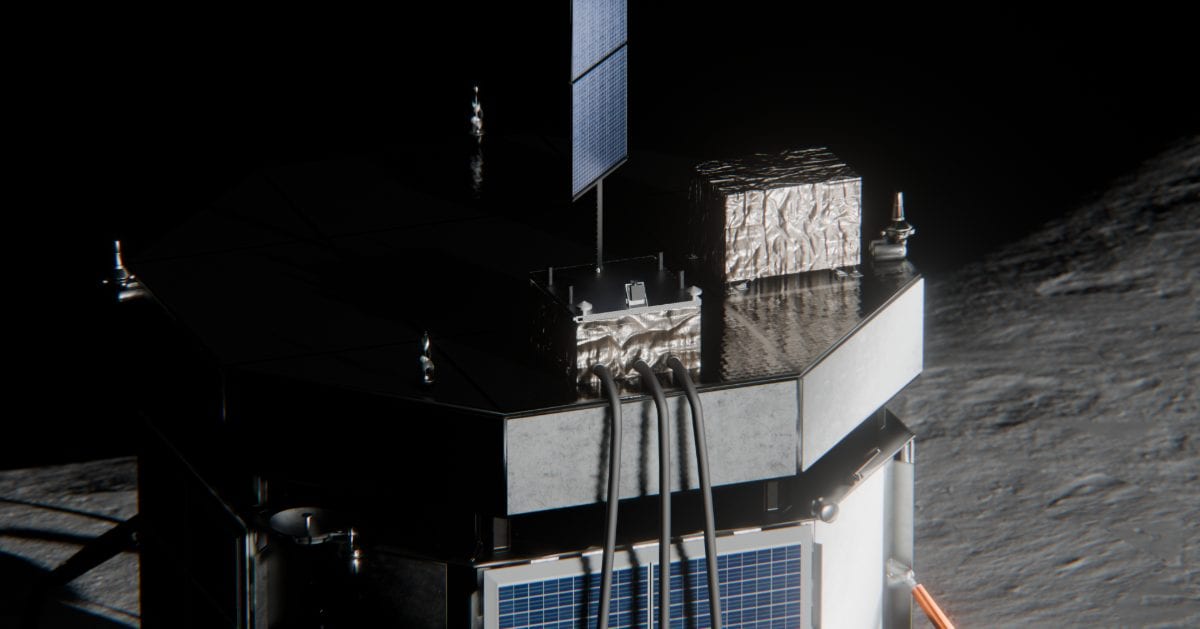
While the orbiter will survey the Moon several miles above the surface, the lander will reportedly touch down near the rim of the Shackleton crater, which offers ample sunlight for the solar-powered spacecraft and access to permanently shadowed craters. According to The Planetary Society, the mission team may use the orbiter to gather high-resolution imagery to find the perfect landing site, keeping in mind essential criteria such as illumination, lunar terrain safety, and scientific return.
The four elements of the Chang’e-7 mission carry 18 scientific payloads in total, including six international contributions developed by six countries and one international organization. The collaborators are Egypt, Bahrain, Italy, Russia, Switzerland, Thailand, and the International Lunar Observatory Association, whose instruments will study everything from the Moon to the Earth and the Milky Way. The orbiter will be equipped with a lunar hyperspectral camera developed by Egypt and Bahrain to identify the lunar surface material and the lunar environment, along with a sensor package for global space weather monitoring. This sensor will provide alerts and warnings of magnetic disturbances and radiation due to solar storms. A team of Swiss and Chinese scientists has also developed a Moon-based, two-channel spectrometer for the orbiter that will monitor radiation affecting Earth’s climate.
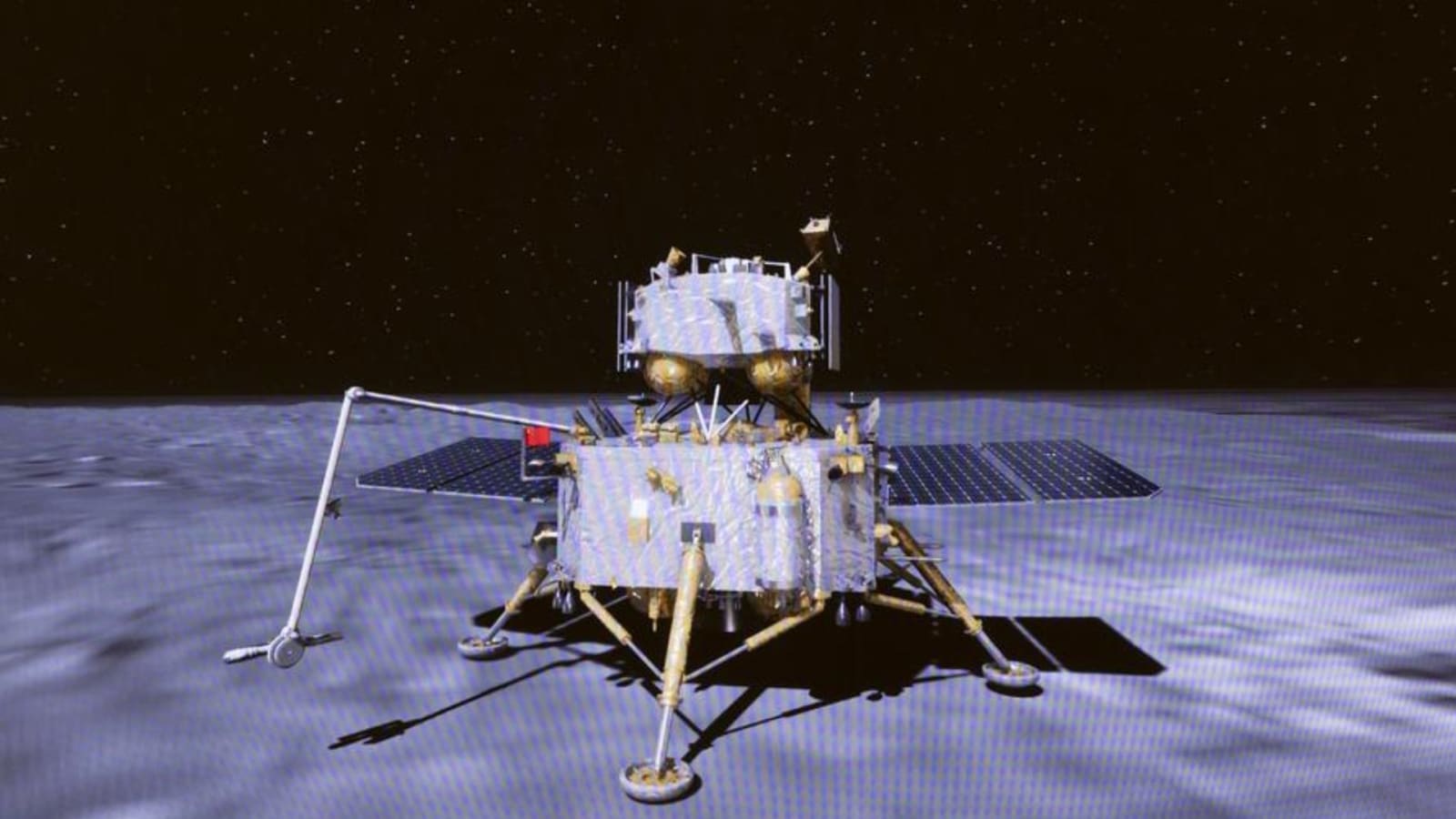
The lander, on the other hand, will carry Italy-made laser retroreflector arrays developed to provide high-precision measurement on the lunar surface and navigation services for the orbiter, along with Russia’s lunar dust and electric field instrument developed to detect the dusty plasma environment. The International Lunar Observatory Association has contributed a lunar-based telescope for the lander, developed to observe the Milky Way galaxy and the Earth. The lander will also be equipped with a seismograph to detect moonquakes. The rover, per The Planetary Society, will feature several instruments, such as a Raman spectrometer, a lunar-penetrating radar, a panoramic camera, a magnetometer, and an in-situ volatiles measurement system.
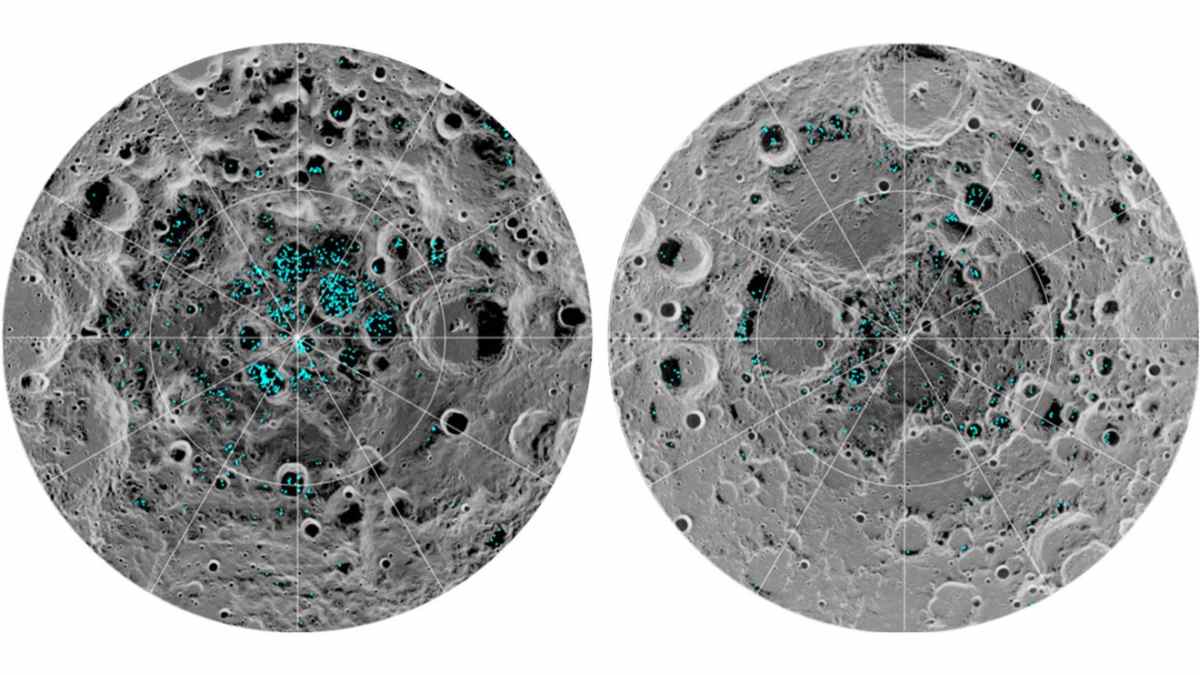
The most exciting of the four elements, however, is the hopper that will hop into the permanently shadowed craters to map the water-ice deposits. This mini-flying probe is designed for multiple flights into deep meteorite craters that can stretch over 6.2 miles (10 kilometers) wide. The hopper itself is capable of an accumulated flight distance of roughly 5.5 miles (9 kilometers) across its lifespan. When inside a crater, the hopper will use its water molecule analyzer to drill for and extract material, and rely on mass spectrometry to detect water ice, methane, and other volatiles. If successful, it will become the first legged mobile robot to explore the Moon and find water-ice deposits via on-site exploration. Moreover, Chang’e-7 will also boost efforts for the Chang’e-8 mission, which is targeted for launch in 2028.
More on Starlust:
Robot dogs on the Moon? China could use them to build and guard permanent lunar bases, says report
Northrop Grumman to reuse components of postponed Gateway lunar space station for Moon Base missions