NASA's Crew-13 mission will study astronaut health for future Moon and Mars missions
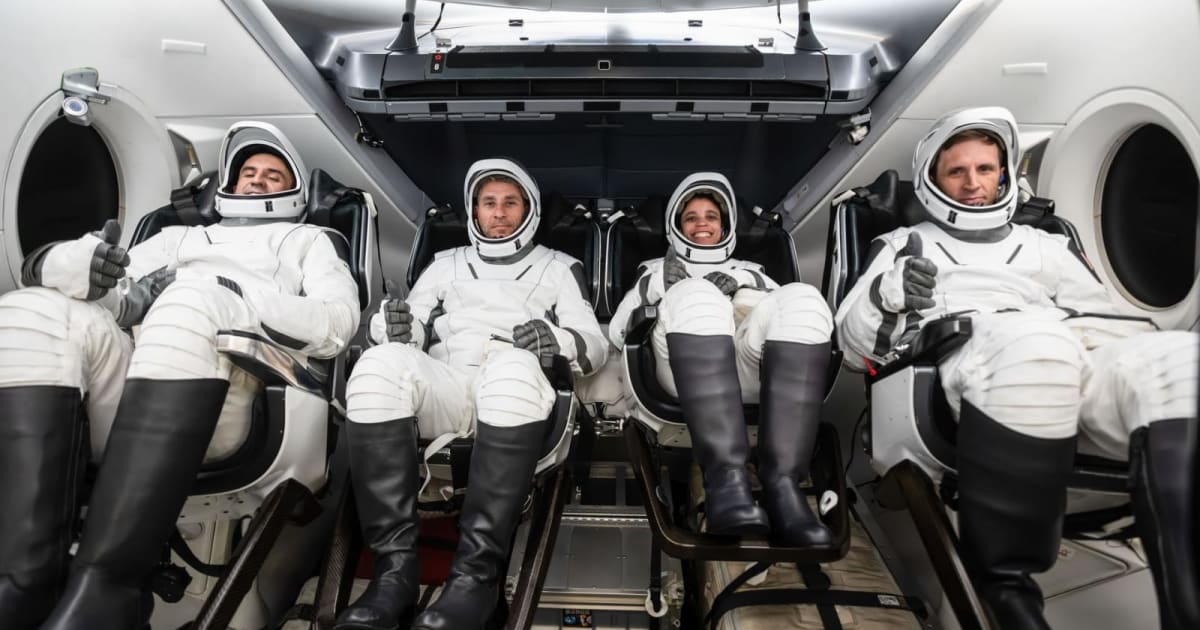
NASA and SpaceX are now gearing up for the launch of the Crew-13 mission, which is scheduled to lift off on October 01, 2026. Just a week before the launch, NASA has shared the list of research tasks the crew will be performing aboard the International Space Station (ISS). According to NASA, what scientists learn from this mission will help prepare for “Artemis missions to the Moon, work on the Moon Base, and future expeditions to Mars.”
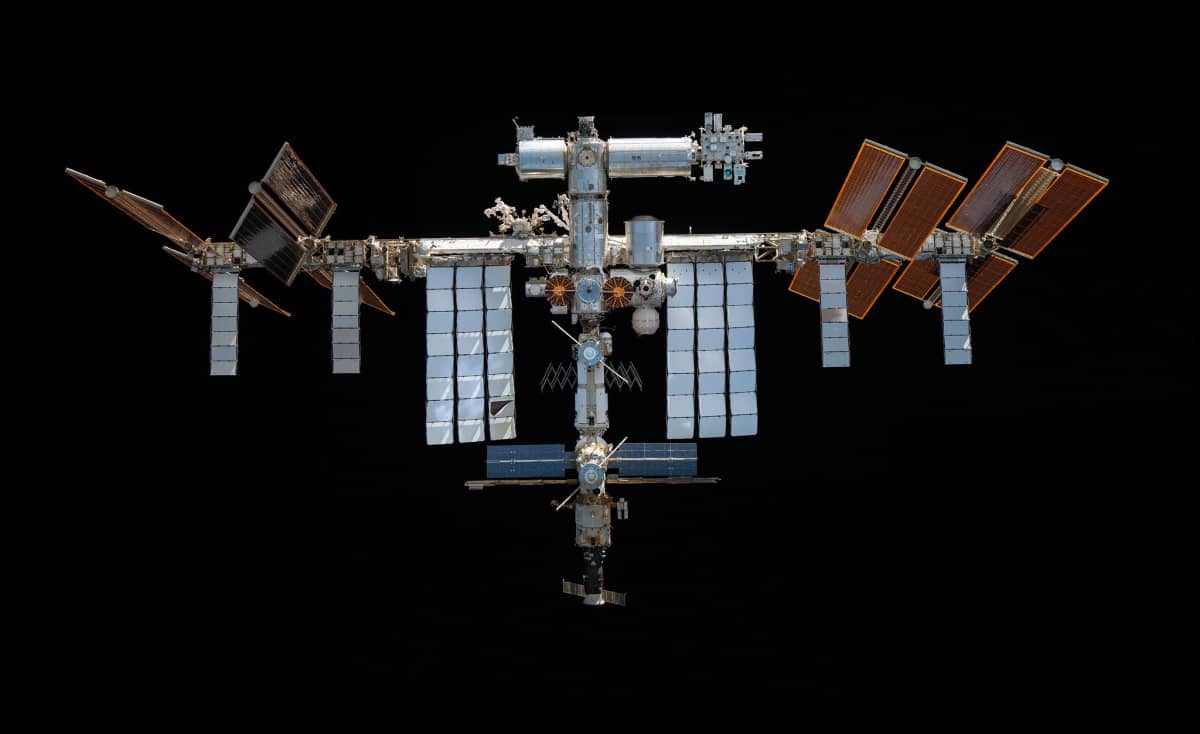
Key highlights of NASA's health and performance research aboard the ISS
Among the studies, the main project includes Venous Haemostasis. This is a joint project with the European Space Agency (ESA) on blood flow and clotting, and it builds on earlier studies of blood flow in space. The two agencies will coordinate their blood collections and other health data, so that the astronauts would only need fewer blood draws. On top of that, the selected crew will also test their manual piloting skills and take a daily B-vitamin supplement to see whether it protects their eyes.
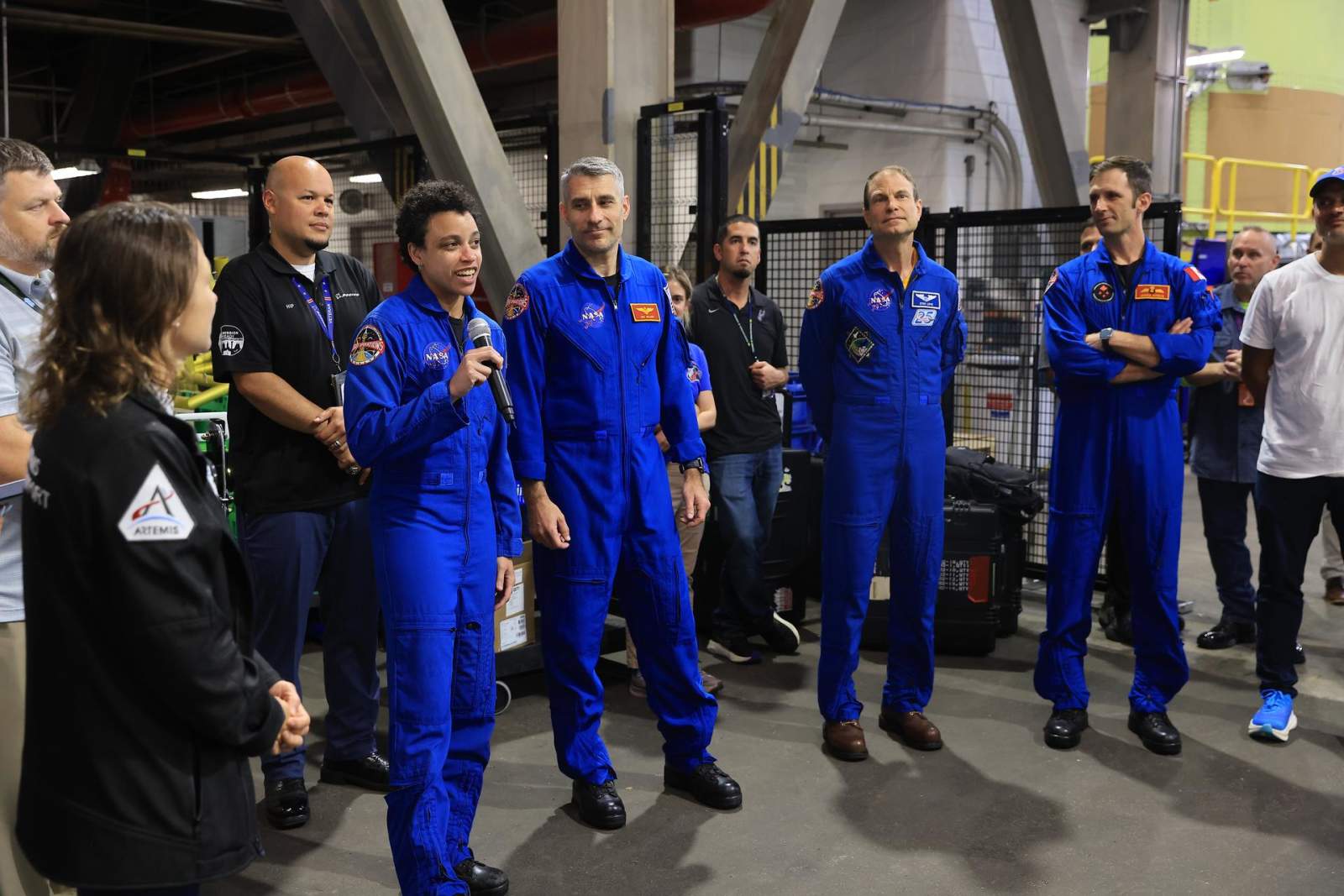
Explaining the significance of this project, Jason Lytle, one of the study’s principal investigators and a cardiovascular researcher at NASA’s Johnson Space Center in Houston, said, “In space, weightlessness can disrupt normal blood flow in astronauts’ veins…Irregular and slow blood flow can increase the risk of blood clot formation, a serious health condition." The joint project will help scientists understand why the changes happen only in some astronauts.
What else will Crew-13 astronauts take part in?
On top of that, the Crew-13 astronauts will cover three more Human Research Program studies. One part of the research is the Standard Measures program, where NASA will collect health and behavior data from as many crew members as possible. This will help researchers get baselines and study ways to reduce the harmful effects of spaceflight.
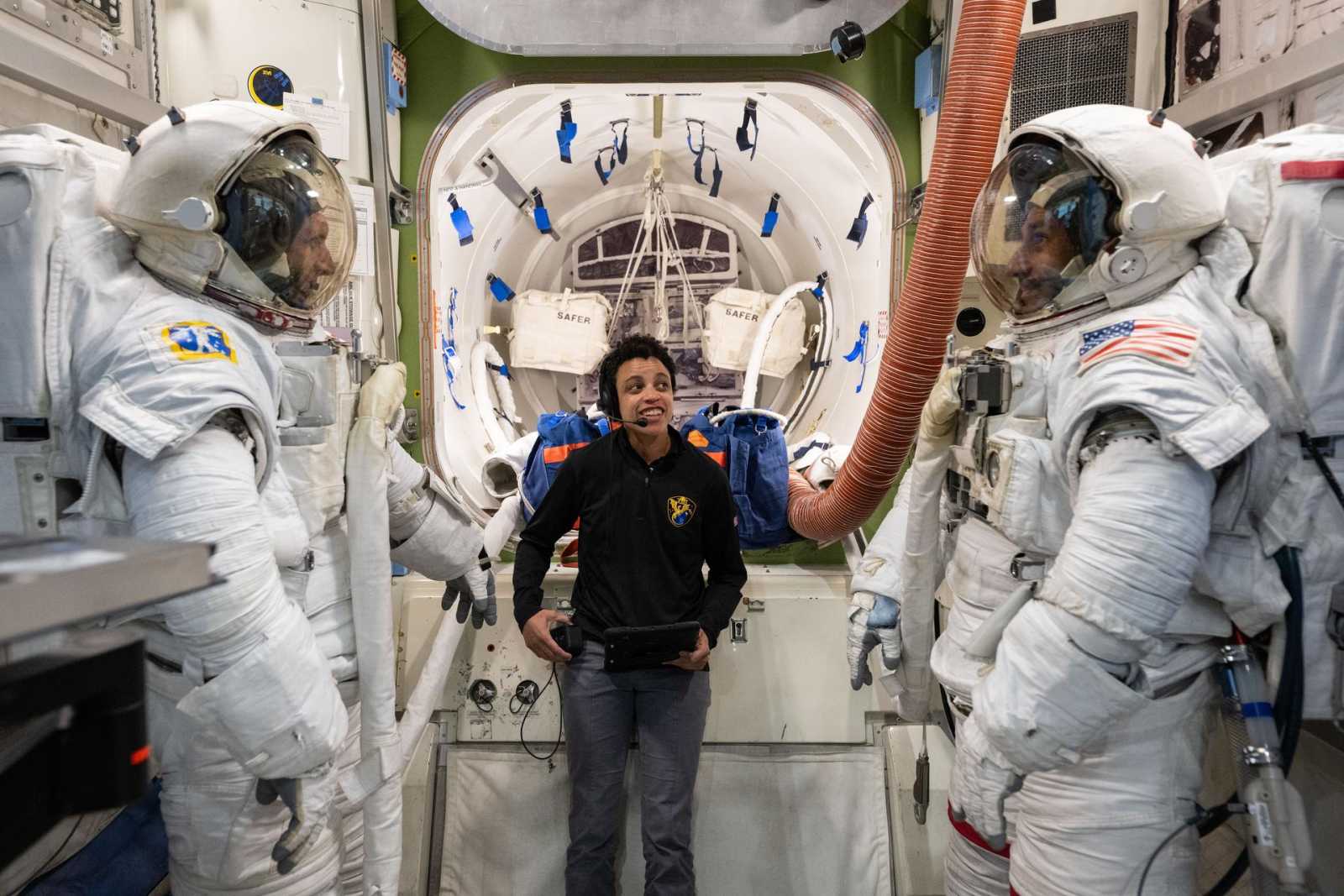
NASA will monitor the astronauts’ experiences during landing to learn what works and improve the strategies and hardware used to keep them safe. Another part of the research will focus on exercise. Researchers will look at the exercise habits of select astronauts and see how their performance compares based on whether they use the station’s treadmill for cardio workouts. This will further help them create exercise plans for future Artemis crew and deep-space missions, where spacecraft might not have enough space to accommodate a treadmill.
How could these studies help NASA's future missions?
According to NASA, the findings from this mission, as well as from other studies, will help researchers better prepare for future spaceflight missions. And the benefits could extend beyond space, with researchers looking for better ways to prevent and treat blood clots both in orbit and on Earth.

Michael Stenger, chief scientist of NASA Johnson’s Human Research Program, said, “Together, these investigations will help NASA better understand how the human body responds to spaceflight and whether specific strategies can effectively protect astronaut health and performance.”
More on Starlust:
International Space Station to retire in 2030: Here are major private habitats that will replace it
SpaceX stacks Starship ahead of its debut orbital flight on September 28—watch video