Watch: Rocket Lab launches 10th iQPS radar satellite on its 99th mission
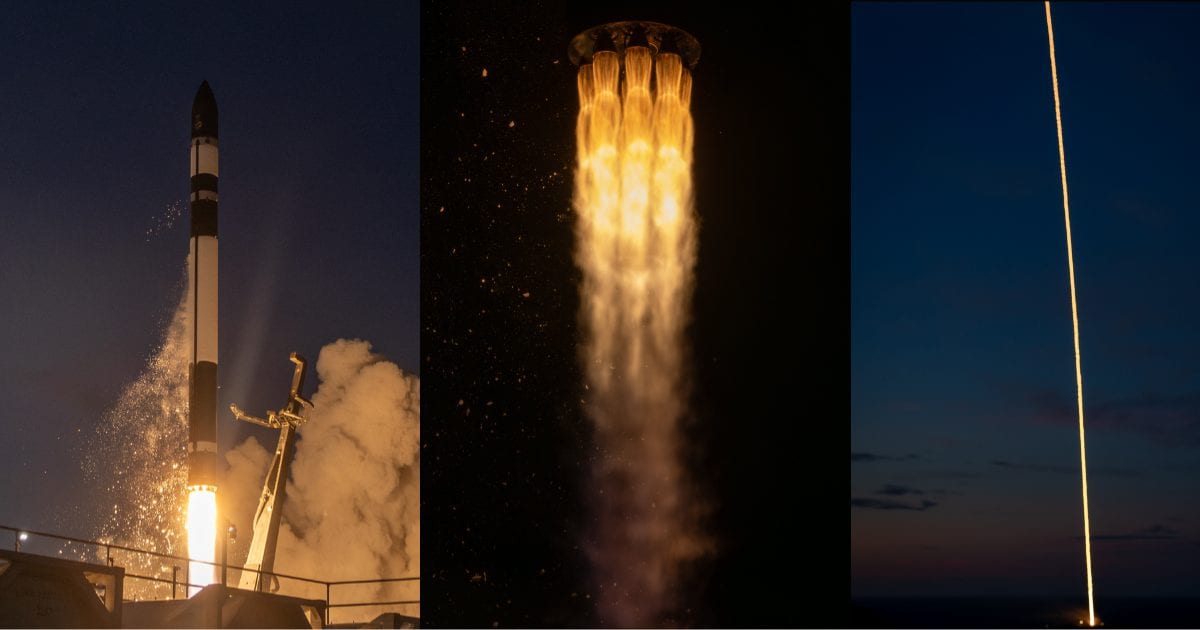
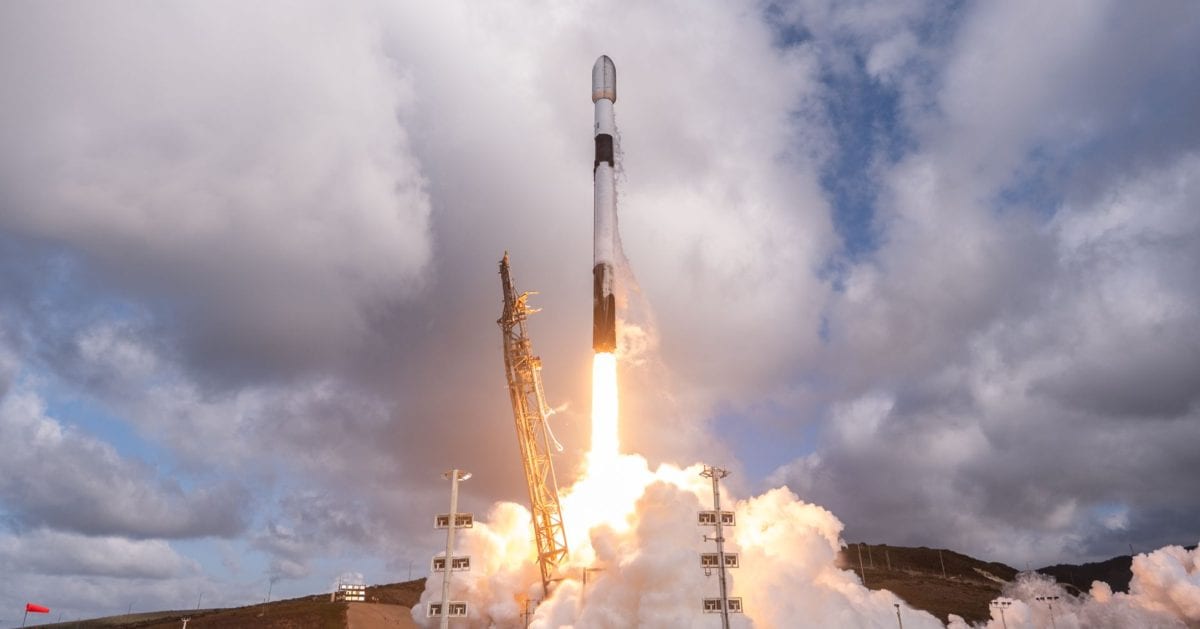
In a recent launch, Rocket Lab sent a Japanese radar satellite toward orbit on November 2, 2026. This marked the company’s 99th launch in total as well as the 90th flight overall for Electron, its two-stage rocket. The Electron rocket lifted off from its New Zealand site at 11:41 a.m. EST (1641 GMT). The mission, called “The Sea God Surveys,” carried a satellite for the Tokyo-based company iQPS. It was the 17th flight for Electron this year.
LIFTOFF! Our 99th Electron is on its way to space. https://t.co/TX412FTTpD
— Rocket Lab (@RocketLab) November 2, 2026
According to Rocket Lab, the satellite was delivered to space for iQPS’s Earth-imaging constellation, which is a group of satellites that work together as one network. This flight was successfully carried out by Electron as it released the spacecraft at an altitude of 357 miles (575 kilometers). This two-stage rocket is about 59 feet (18 meters) tall and gives small satellites a dedicated ride to space. iQPS is assembling a constellation of radar satellites, and this was Rocket Lab’s 10th launch for the company.
🚀 Join us LIVE to watch Electron launch for the 99th time: "The Sea God Surveys" for @QPS_Inc https://t.co/H6idOkMxY4
— Rocket Lab (@RocketLab) November 2, 2026
Rocket Lab’s overall 99 launches were split into two groups. The standard orbital Electron has flown 90 times. The other nine used HASTE (short for Hypersonic Accelerator Suborbital Test Electron). HASTE is a suborbital version of Electron. It is used by customers to test technology in hypersonic flight. The program debuted in June 2023 and generally flies classified payloads.
Mission success! Repeat customer @QPS_Inc has made contact with its latest QPS-SAR satellite following their tenth ride on Electron. We are proud to be the primary launcher for the Japan-based Earth imaging company's commercial synthetic aperture radar (SAR) constellation. Up next: Our 100th Electron launch.
— Rocket Lab (@RocketLab) November 2, 2026
What is a radar satellite?
The satellite uses synthetic aperture radar, or SAR. Most optical Earth-observation systems work by detecting light reflected from the planet's surface. But in this case, SAR works on radar, and this lets it collect surface data even when there are clouds or darkness. iQPS is assembling a constellation of 36 SAR satellites in low Earth orbit. As per the Rocket Lab website, this “is being developed and deployed at a rapid pace to provide high-resolution and near-real-time SAR imagery to its global users.”
Mission success! Payload deployment confirmed from Electron's Kick Stage for the latest QPS-SAR satellite by @QPS_Inc - our tenth launch for their constellation with 100% mission success. https://t.co/WYvTc9IXQs
— Rocket Lab (@RocketLab) November 2, 2026
Before this, the company covered its ninth iQPS launch, “The Lightning God Defends,” on August 20 at 9:04 a.m. EDT (1304 GMT). Electron’s nine 3D-printed Rutherford engines on the first stage shut off about 2.5 minutes into the flight, and the second stage separated right after. It burned for another 6.5 minutes, then released the “kick stage,” a small upper section that carried the satellite through a 40-minute coast. On August 06, the company covered an earlier iQPS launch five weeks later than originally planned. Rocket Lab first tried to launch it on June 30, but the mission was aborted at the last second. The company has not yet shared what caused the change of schedule. After this recent launch, Rocket Lab is aiming to cover its next mission, called "The Mountain God Rises" (iQPS-SAR-19), on November 14, 2026.