Artemis II left temporary holes in Earth’s upper atmosphere that could have affected GPS, new study finds
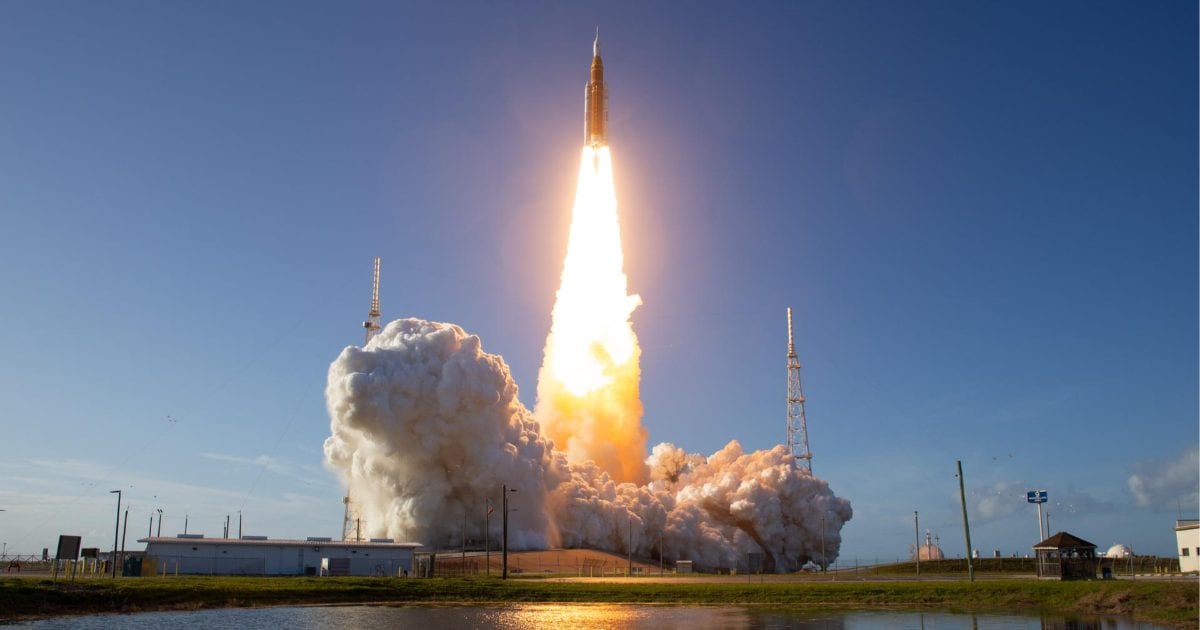
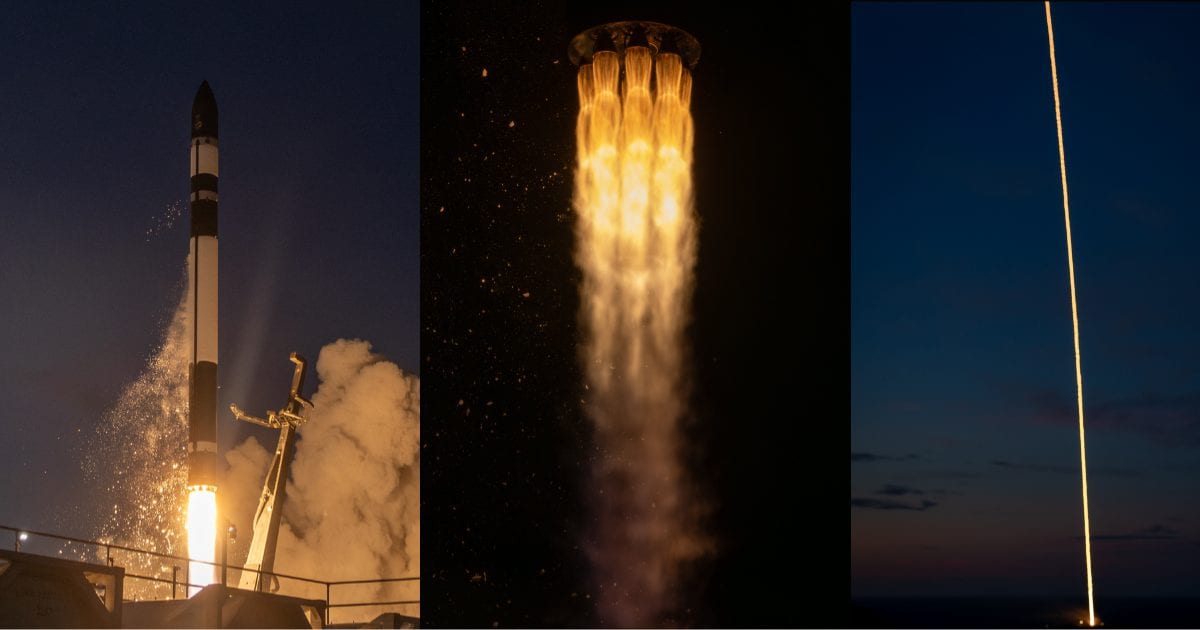
On April 1, 2026, NASA made history by launching its Artemis II mission and sending a crew of four astronauts on a path around the Moon for the first time in over fifty years. But the launch also punched temporary holes in Earth’s upper atmosphere, according to a new study. “This is the first time a single space mission produced three instances of ionospheric disturbances over the same region during successive orbit maneuvers,” the study noted.
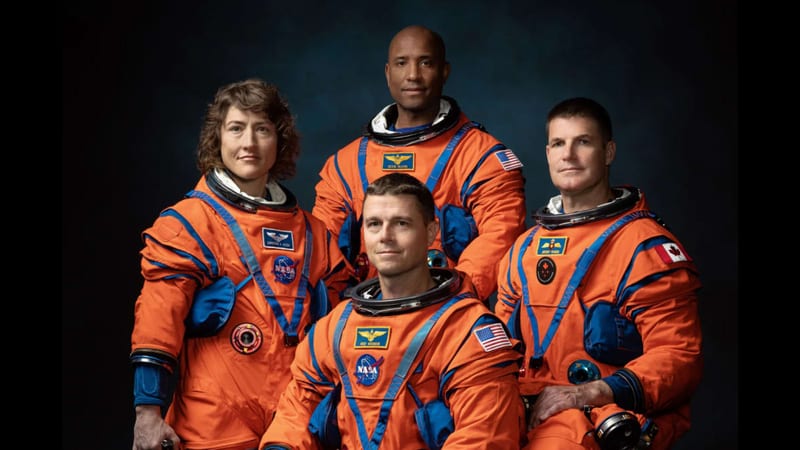
According to researchers at National Cheng Kung University in Taiwan, the Artemis II flight and its later engine burns disturbed the ionosphere, which is the electrically charged layer of Earth’s atmosphere. For context, this layer starts at about 30 miles (50 kilometers) above the ground. The disturbances caused were stronger than any other rocket launch has caused so far. They were also big enough to have triggered brief, localized errors in GPS positioning. The preprint of the study has now been published in the journal Geophysical Research Letters.
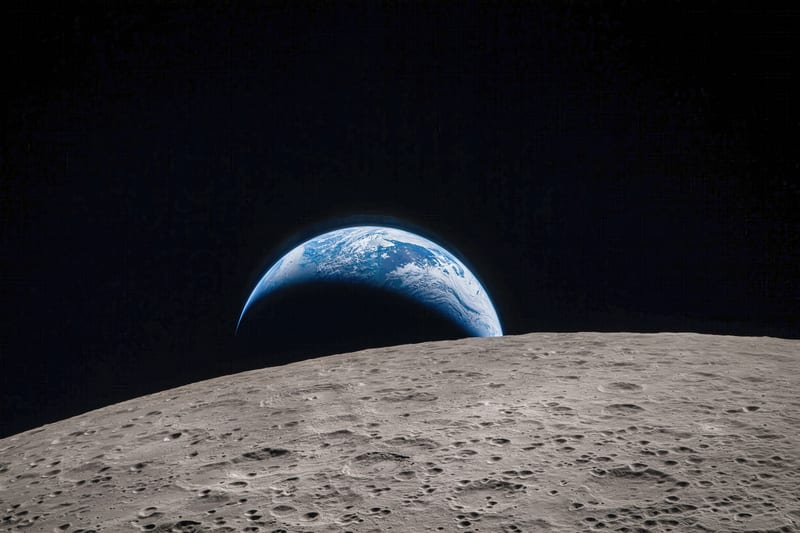
Artemis II may be a preview of what's ahead
NASA is now working on sending humans back to the surface of the Moon through its Artemis IV mission, as well as creating a sustained presence through its Moon Base program. Up ahead, the coming launches could produce the same disturbances. Commenting on this, Study co-author Charles Lin, an earth science professor at National Cheng Kung University, told Space.com, "Rocket launches from the ground to space produce that kind of effect, but we have never seen this kind of orbital maneuver in an interplanetary mission." Lin added, "In the future, as we are going to see many more missions going to the Moon and to Mars, these space weather effects will become much more significant."
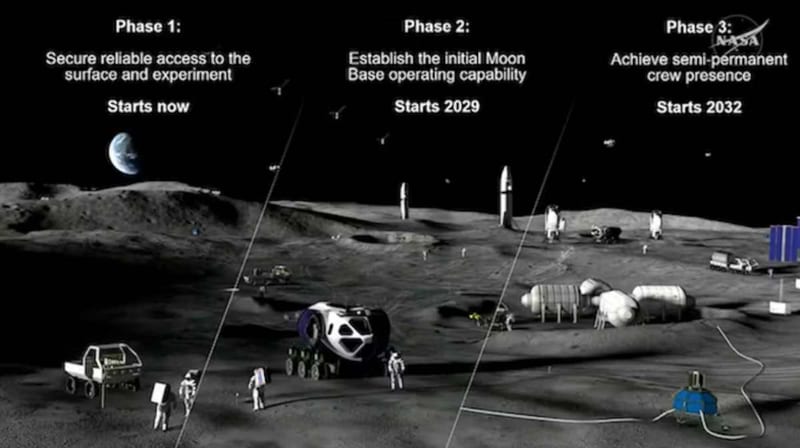
How did Artemis II leave such a large mark in the ionosphere?
According to the study, the disturbance caused by Artemis II was up to ten times more intense than those seen after SpaceX’s Starship test flights, even though Starship has roughly twice the liftoff thrust of the Space Launch System (SLS). Based on their findings, the research team saw two gaps in the ionosphere. One was from the 212-foot (65-meter) core stage, and another was from two upper-stage burns. Both stretched across the American continent from east to west and covered about 3,100 miles (5,000 kilometers).
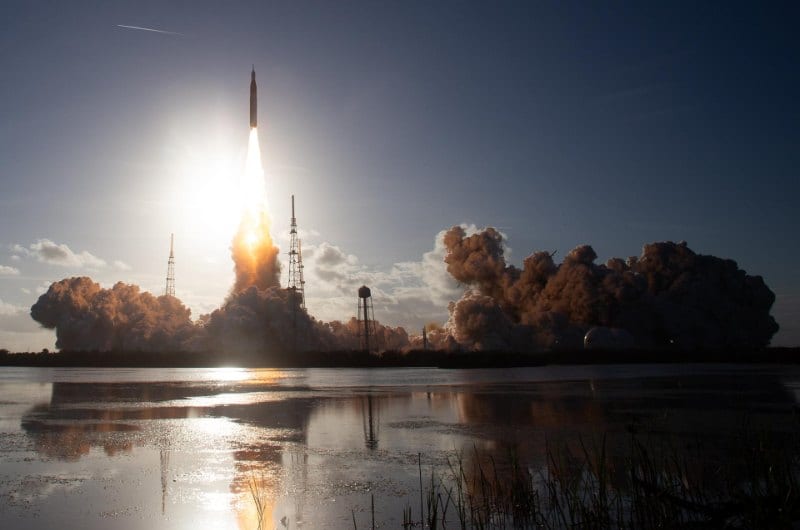
The burns left the more prominent mark, as they took place directly inside the ionosphere, at around 115 miles (185 kilometers). During the Artemis II launch, ground stations picked up changes in the number of free electrons that were equal to positioning errors of several meters. Study co-author Charles Lin explained, "A positioning error of a couple of meters is enough to cause an autonomous car to change lanes." Lin added, "It could have a strong impact not only on self-driving cars but also on drone positioning."