NASA and SpaceX finally have a date for the Crew-13 mission to the ISS: Here's when it's launching
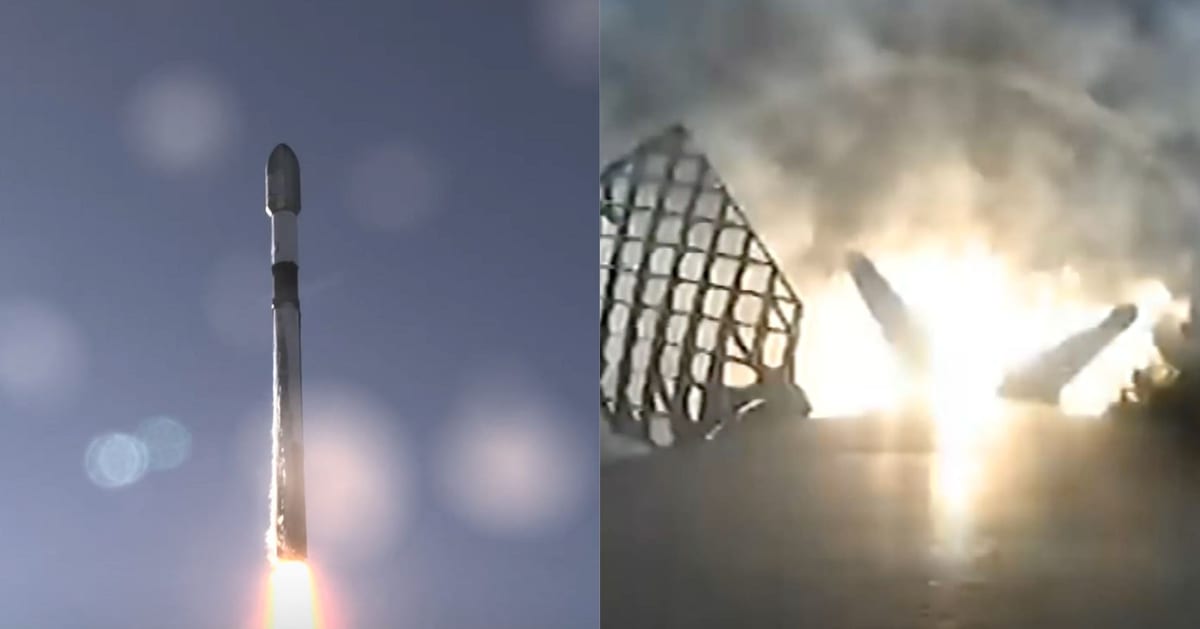
NASA and SpaceX have finally announced a new date for the Crew-13 mission to the International Space Station (ISS). The mission will now lift off at 11:10 a.m. EDT, Thursday, October 1, from Space Launch Complex 40 at Cape Canaveral Space Force Station in Florida, with a backup opportunity available on Friday, October 2, at 10:47 a.m. EDT. The mission will carry four astronauts aboard a SpaceX Dragon spacecraft launched atop a Falcon 9 rocket. In the coming days, NASA and SpaceX will conduct a series of prelaunch activities and detailed readiness reviews involving the crew, Dragon spacecraft, Falcon 9 rocket, and the space station.
.@NASA and @SpaceX are targeting 11:10 a.m. EDT, Thursday, Oct. 1, as the earliest launch opportunity for the Crew-13 mission to the @Space_Station.
— International Space Station (@Space_Station) September 22, 2026
Over the next several days, teams will complete a series of prelaunch activities and intensive reviews to confirm the crew, the…
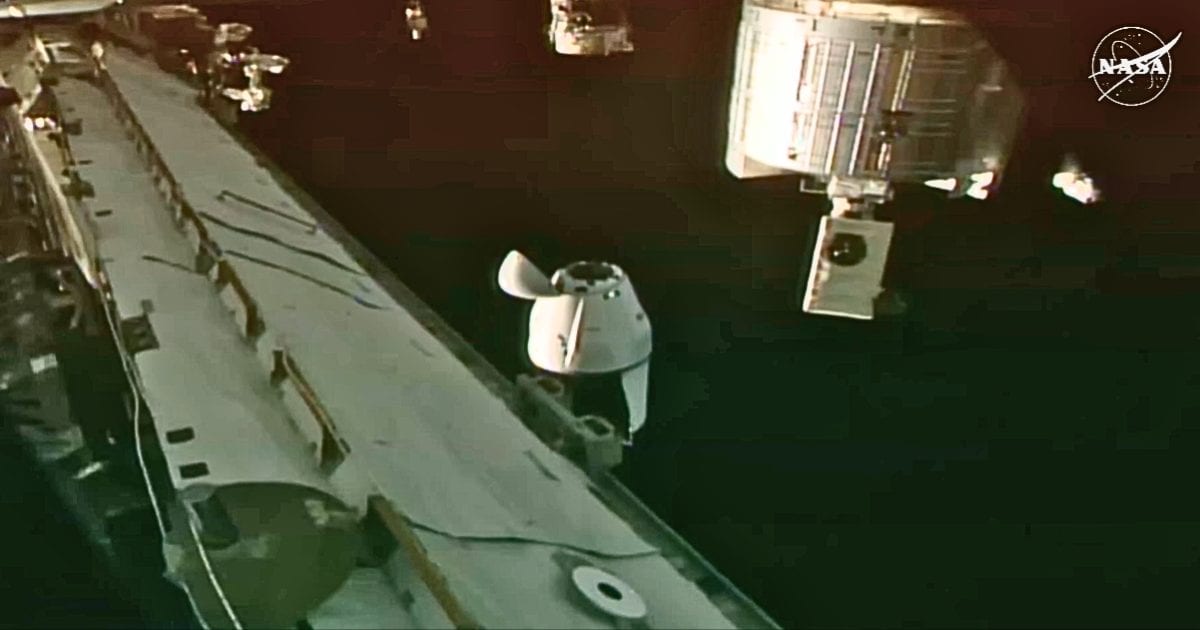
Crew-13 was initially supposed to launch for the station on September 12, but the mission was postponed after an oxidizer leak was discovered on Dragon's propulsion system during standard prelaunch spacecraft processing. If the launch takes place on October 1, Crew-13 is expected to reach the ISS in less than nine hours, with docking to the forward-facing port of the Harmony module expected around 8 p.m. EDT. Meanwhile, the first stage of Falcon-9, after stage separation, will descend on Landing Zone 40 (LZ-40) at Cape Canaveral Space Force Station.
Where to watch it live
SpaceX will be hosting a live webcast of this mission, which will commence around one hour before liftoff, on its official website and on its X channel.
Targeting no earlier than Thursday, October 1 for Falcon 9’s launch of @NASA’s Crew-13 mission to the @Space_Station → https://t.co/l8scSzLHlg pic.twitter.com/ln3UwEg3H3
— SpaceX (@SpaceX) September 22, 2026
Crew-13: Latest updates and highlights on NASA's ambitious mission
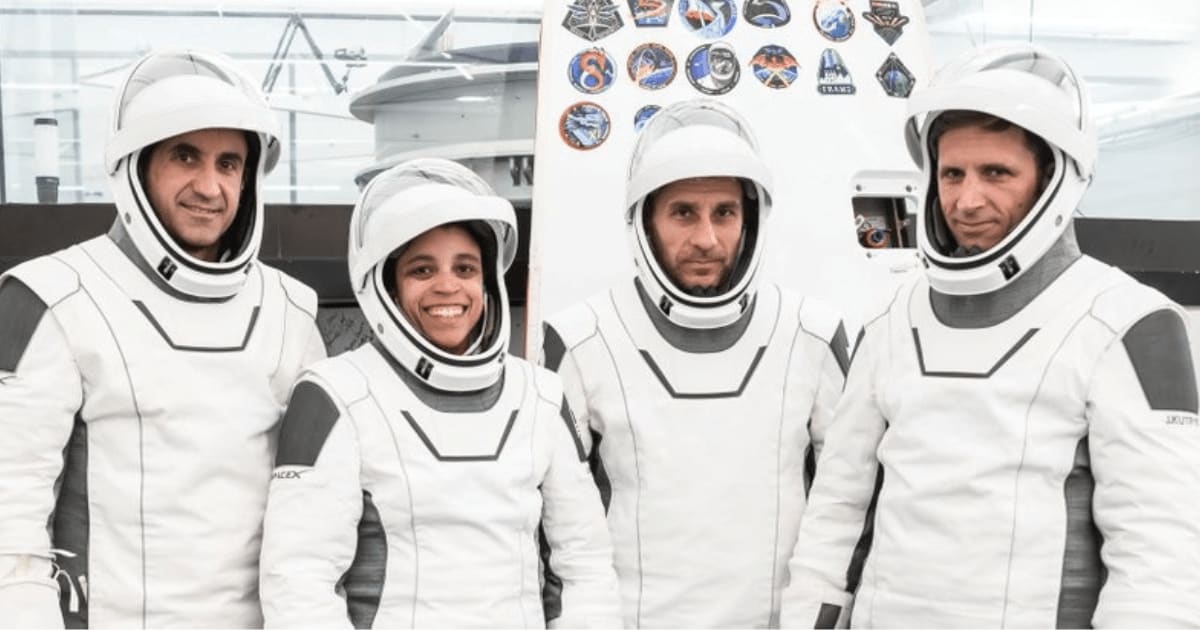
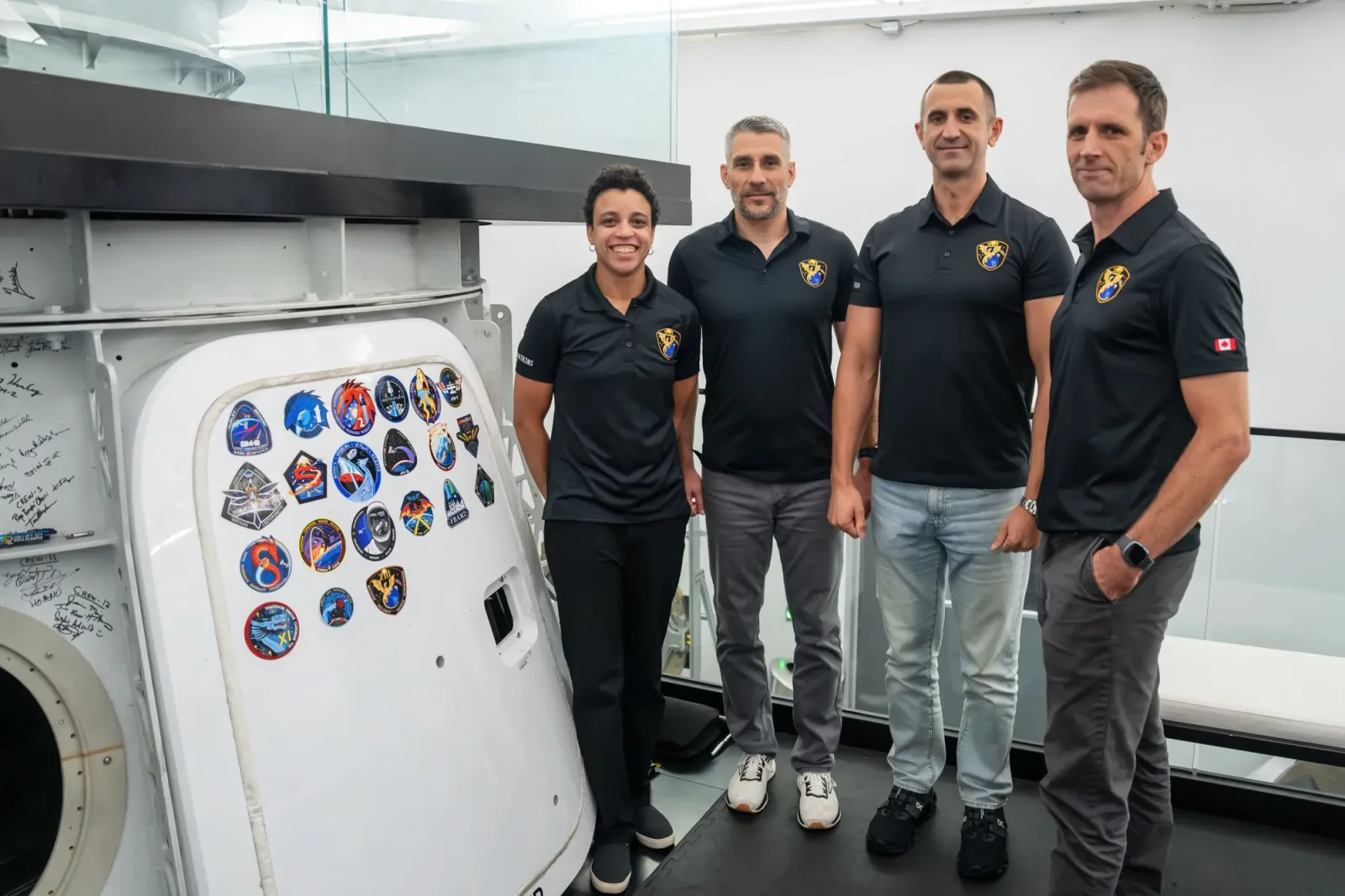
Crew-13 consists of NASA astronauts Jessica Watkins, the commander, and Luke Delaney, the pilot, along with mission specialists Joshua Kutryk, a CSA (Canadian Space Agency) astronaut, and Sergey Teteryatnikov, a Roscosmos cosmonaut. Crew-13 members are meant to replace Crew-12 astronauts to become members of Expedition 75, which is already in progress in the ISS and being led by Crew-12 commander and NASA astronaut Jessica Meir.
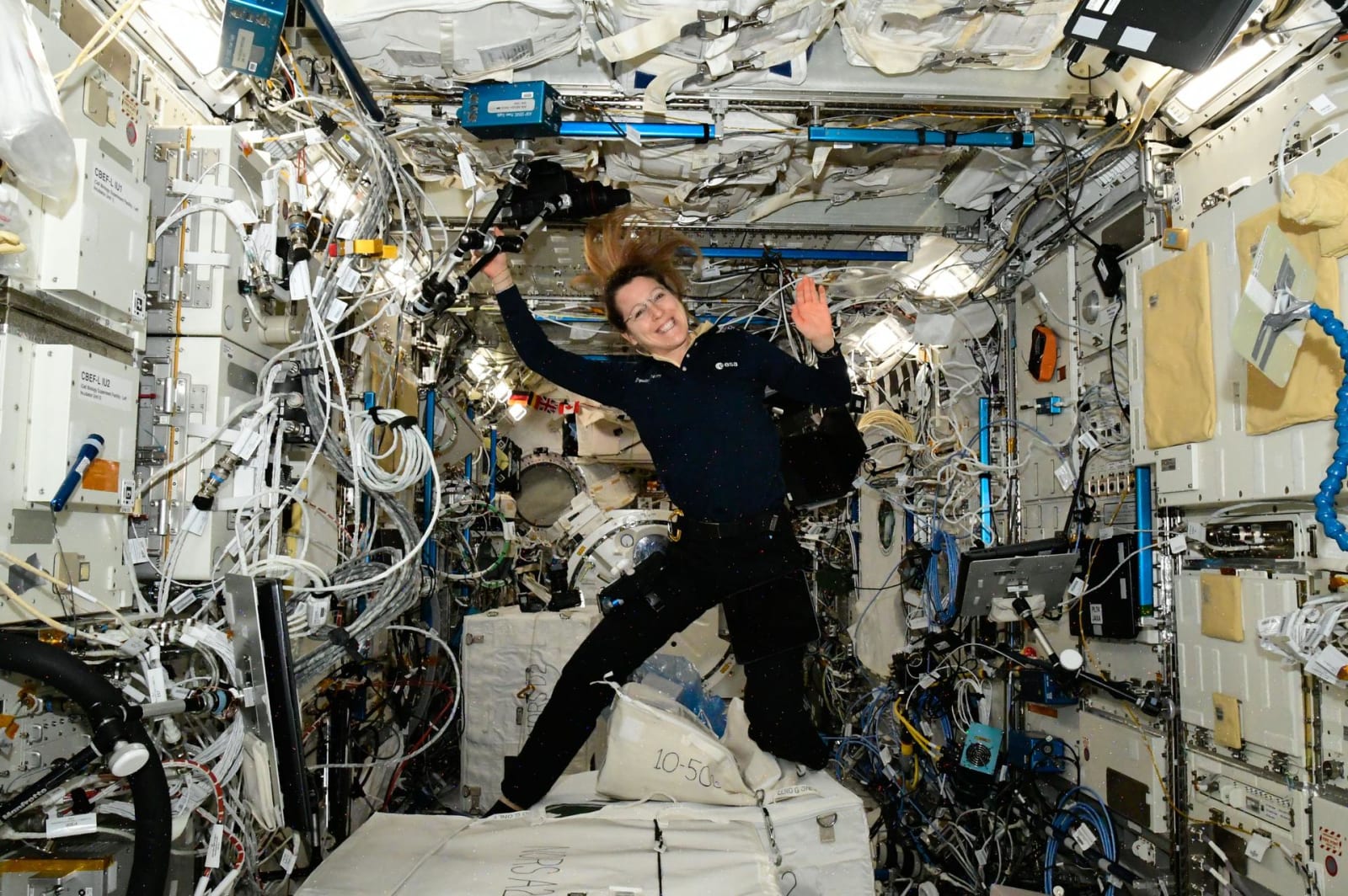
Per a previous update shared by NASA, Crew-13 "will conduct a variety of science experiments aimed at advancing research and technology for missions to the Moon and Mars and improving life back on Earth." Meanwhile, the four Crew-12 members are approaching the end of their long-duration mission, with their return to Earth scheduled for next month, as announced by NASA in another update shared yesterday. They spent yesterday preparing for the same, reviewing procedures for undocking and descent into Earth's atmosphere and checking out the pressure suits they'll wear inside their Dragon capsule. Meir also gathered and staged the emergency breathing gear that will be stowed inside Dragon once Crew-13 arrives at the station.
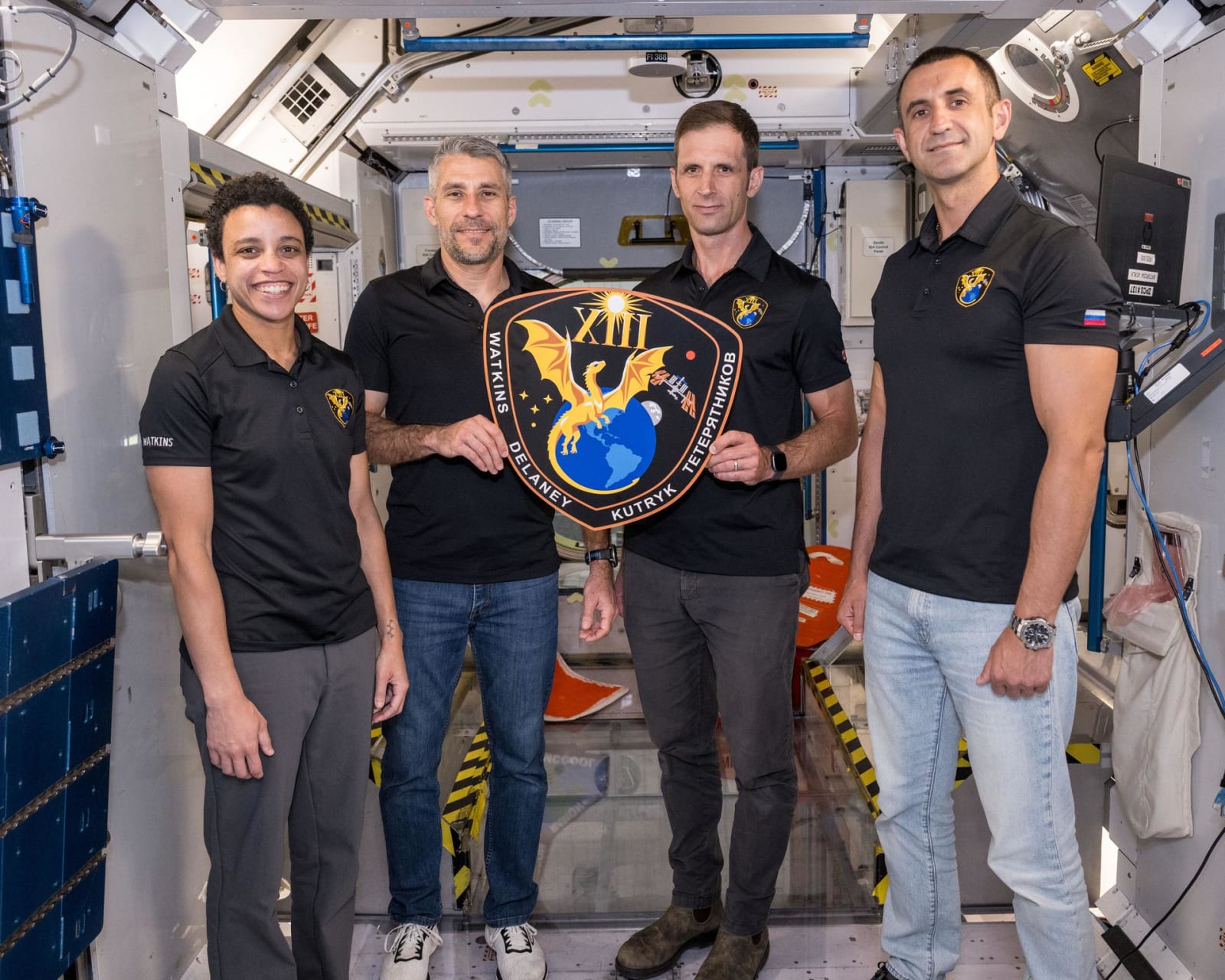
The Crew-13 members are currently in prelaunch quarantine at NASA's Johnson Space Center in Houston—a standard procedure carried out to minimize the hazard of illness before launch. Before entering quarantine, the team underwent preflight training and a Crew Equipment Interface Test, which involved slipping into spacesuits, boarding the Dragon spacecraft, verifying communications, performing suit leak checks, familiarizing themselves with Dragon's interior environment, and preparing for potential sounds that can be heard inside the spacecraft during the flight. The team will travel to Kennedy Space Center on Saturday, September 26, ahead of the launch.
More on Starlust
NASA awards SpaceX $946 million for three more crew missions to the International Space Station
Ultrasound in space: NASA’s Anil Menon shows how astronauts undergo health checkup aboard the ISS