Three NASA astronauts just voted in the U.S. midterm elections from the International Space Station
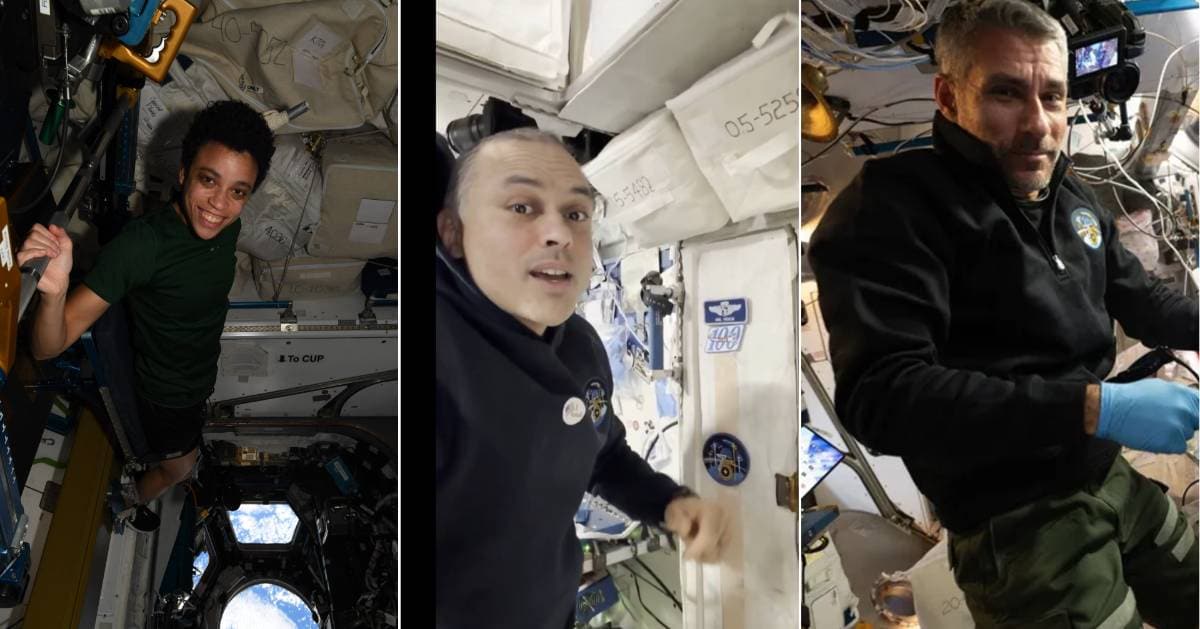
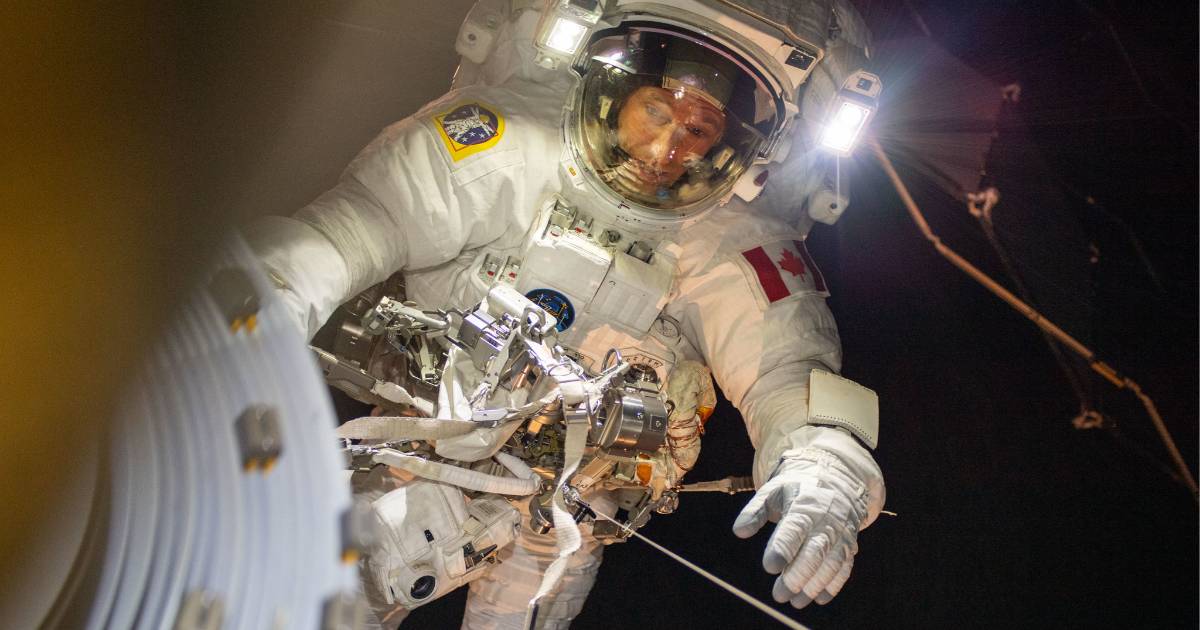
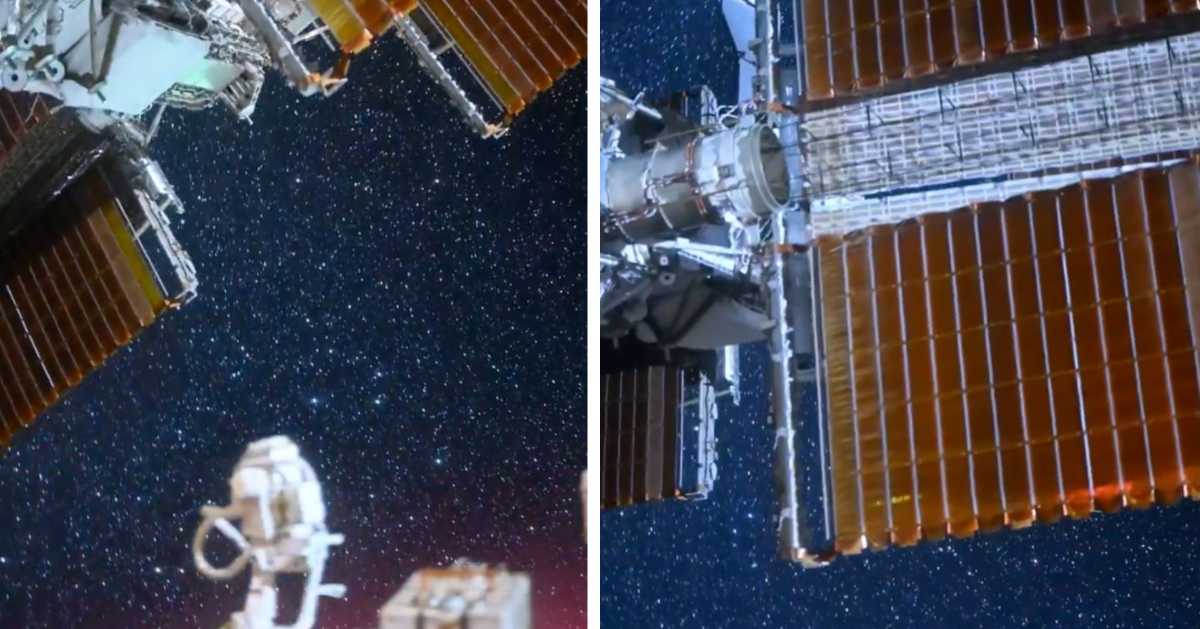
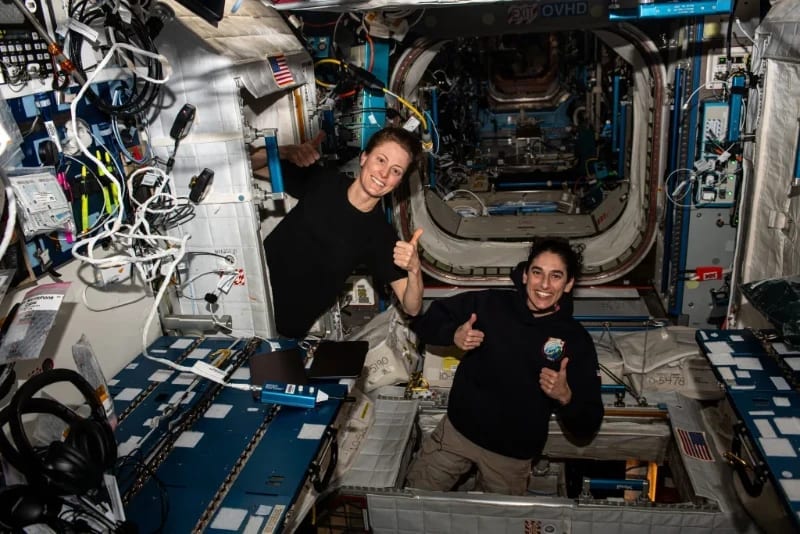
NASA astronauts Anil Menon, Jessica Watkins, and Luke Delaney voted in the U.S. midterm elections, not from their respective states, but from aboard the International Space Station (ISS). After filling out their electronic ballots, the astronauts delivered them securely to election officials in Harris County, Texas. Menon shared a video of the process through an X post on Tuesday, November 3. Wearing an 'I Voted' sticker, he introduced viewers to his makeshift voting booth, which is actually his room inside the space station. "Yes, you can even vote from space!" he wrote.
Yes, you can even vote from space! All three US crew members had the privilege of voting from space station. We filled out an electronic ballot and sent it securely to the election officials. https://t.co/hJCExQ2nKr
— Anil Menon (@astro_anil) November 3, 2026
NASA administrator Jared Isaacman commended the astronauts for exercising their democratic right despite being around 250 miles (400 kilometers) away from Earth. "Off the planet and still showing up to vote 🇺🇸," he wrote in an X post yesterday.
Off the planet and still showing up to vote 🇺🇸
— NASA Administrator Jared Isaacman (@NASAAdmin) November 3, 2026
Former space station commander and NASA astronaut Jessica Meir, who returned to Earth on October 8 after a nearly 8-month stay on the orbital outpost, also shared her voting experience during her time at the orbiting laboratory. Meir, who was also the commander of SpaceX Crew-12, praised NASA's Johnson Space Center, which is the agency's spaceflight hub, and Harris County election officials for ensuring astronauts can exercise their voting rights, whether on Earth or aboard the ISS.
@NASA and @HarrisVotes do an excellent job of ensuring astronauts can vote, whether they’re on or off the planet! For the primary this spring, I cast my ballot from the @Space_Station. Since my ballot for this election was sent in advance to my @Space_Station email address but now I’m back on Earth, it took a few extra logistics to get it to the right place. Thank you to all at @NASAJohnson and @HarrisVotes for getting the job done! Get out there and exercise your right to vote!
— Jessica Meir (@Astro_Jessica) November 3, 2026
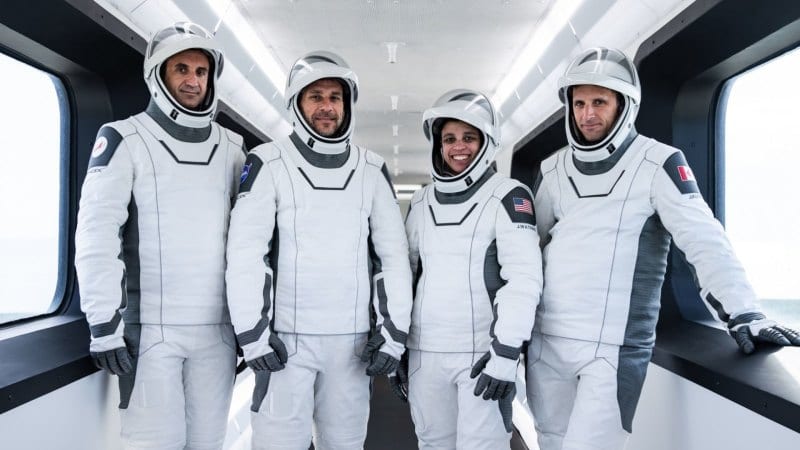
While Menon reached the ISS in July aboard a Russian Soyuz spacecraft, Watkins and Delaney arrived on October 1 as part of SpaceX’s Crew-13 mission. The three astronauts are currently working on the ISS along with four others: Canadian Space Agency astronaut Joshua Kutryk and cosmonauts Anna Kikina, Pyotr Dubrov, and Sergey Teteryatnikov. While Kutryk and Teteryatnikov belong to the Crew-13 team, Dubrov and Kikina are part of the Soyuz MS-29 team with Menon.
The electoral process for the astronauts is facilitated by NASA’s Near Space Network, under the supervision of the Goddard Space Flight Center in Greenbelt, Maryland. The network supports missions operating up to 1.2 million miles from Earth, providing communications and navigation, with the ISS being among them. In this voting process, ballots are transmitted in encrypted form, and access is strictly confined to the astronaut and the relevant election official. Once an astronaut fills out the electronic ballot aboard the ISS, it travels through NASA's Tracking and Data Relay Satellite System to a ground antenna at the agency's White Sands Test Facility in Las Cruces, New Mexico. NASA then forwards the document to the Mission Control Center at Johnson Space Center in Houston, which relays it to the county clerk responsible for casting the ballot.
The practice of astronauts casting votes began in 1997 with a bill passed by the Texas Legislature that permitted astronauts to vote during their stay in space. In the same year, NASA astronaut David Wolf made history by becoming the first American to vote from space. He cast his vote aboard Russia's Mir space station, as the ISS didn't begin hosting astronauts until November 2000.
More on Starlust
NASA astronaut Anil Menon's new video offers stunning look at newly installed solar arrays on ISS