SpaceX postpones Starship Flight 14, now eyes September 28 for first orbital mission
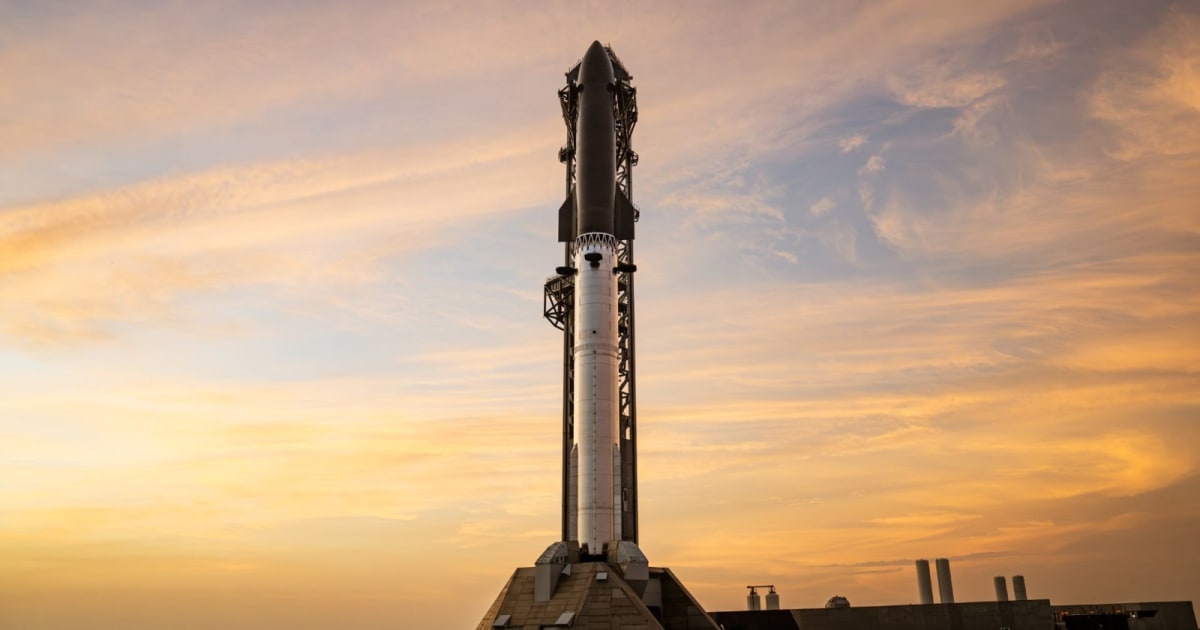
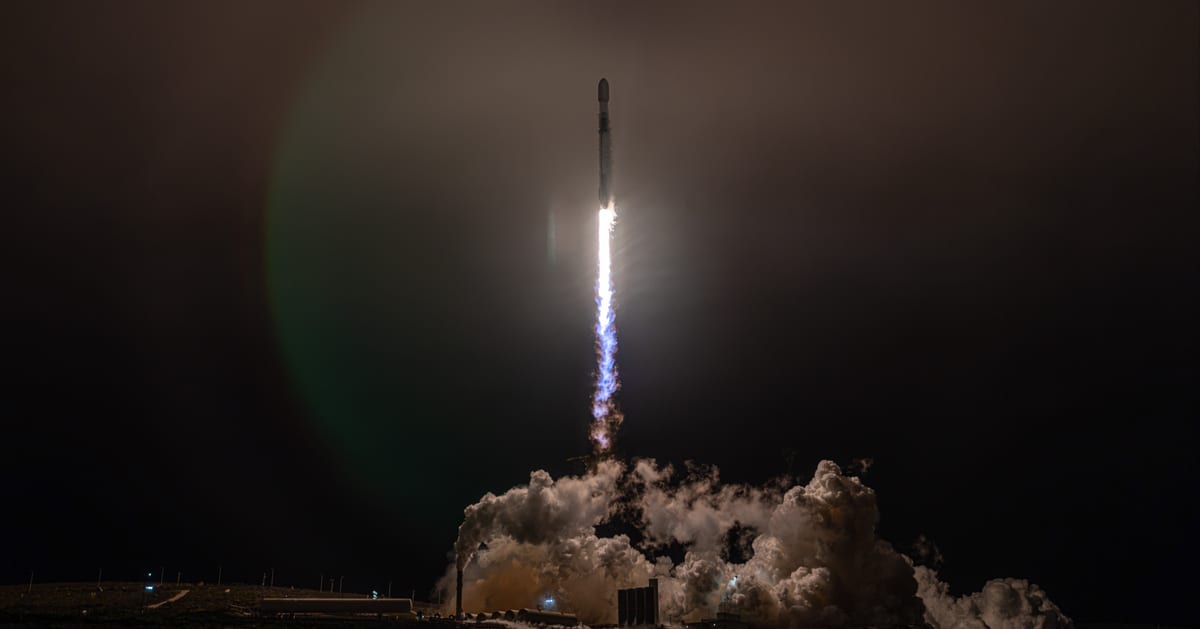
SpaceX has postponed Starship’s next integrated test flight by almost a week. The company announced on X on Thursday that it is now targeting September 28, 2026 for the rocket’s first multi-orbit mission, pending regulatory approval, instead of September 22. SpaceX did not specify a reason for the delay. “Now targeting to launch Starship Flight 14 as early as Monday, September 28, pending regulatory approval,” it posted. The launch timing hasn’t changed, and liftoff is still targeted within a 75-minute launch window starting at 8:15 am EDT (7:15 am CDT) from Starbase, Texas.
Now targeting to launch Starship Flight 14 as early as Monday, September 28, pending regulatory approval https://t.co/3nG9wffG6A
— SpaceX (@SpaceX) September 17, 2026
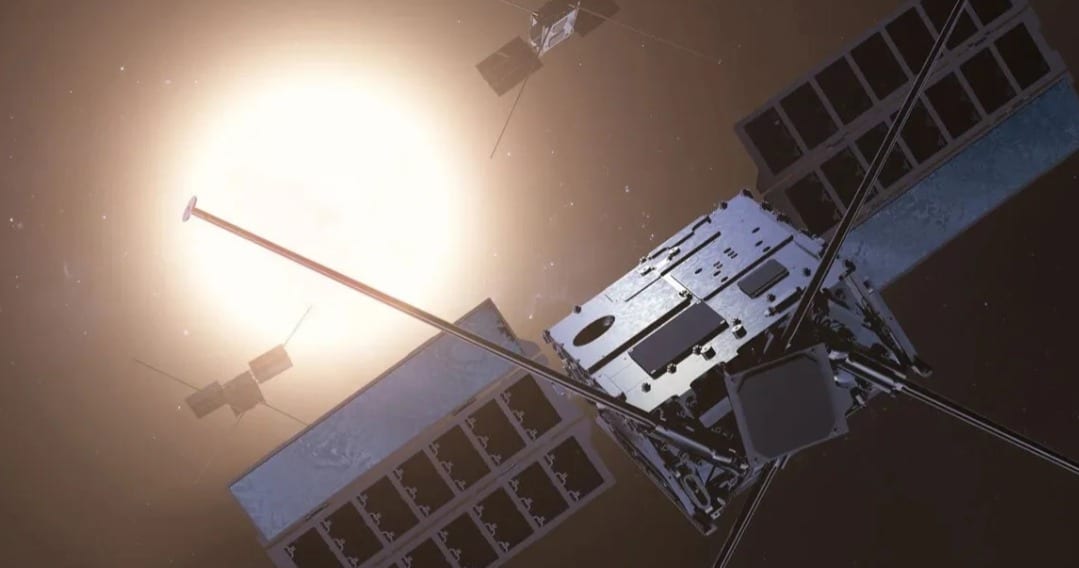
The upcoming mission will be the 14th test flight for Starship, which has yet to complete a full orbit. Since its first flight, the rocket has only flown on ‘passively safe’ suborbital trajectories to maximize public safety and gather crucial data. SpaceX also plans to deploy 26 Starlink V3 satellites in orbit for the first time. While the satellites were part of Flight 13 as well, they were deployed to take pictures of the upper stage during reentry and shortly fell back to Earth after fulfilling their purpose. According to SpaceX, the V3 satellites will use their thrusters to reach their planned altitude, and three of them will have cameras to scan Starship’s heatshield and transmit imagery. They are expected to add 26 Tbps of capacity to the existing Starlink constellation, which has 11,000 satellites to date.
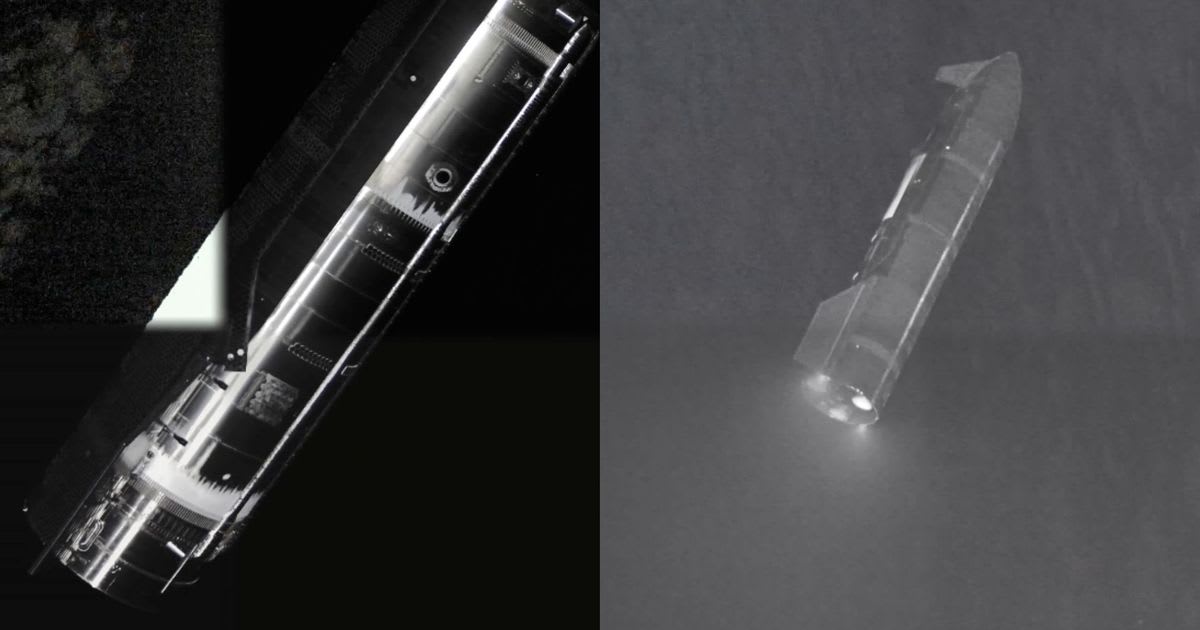
Starship’s upper stage, like in its previous missions, will start the flight on a suborbital trajectory, and if all goes well, it will raise itself to reach a maximum altitude of approximately 170 miles (275 km). SpaceX will not catch the first-stage Super Heavy Booster on this mission, either. The booster will make a controlled splashdown in the Gulf of Mexico after stage separation, whereas the upper stage will complete six orbits of the Earth before splashing down in the Pacific Ocean 10 hours after liftoff.
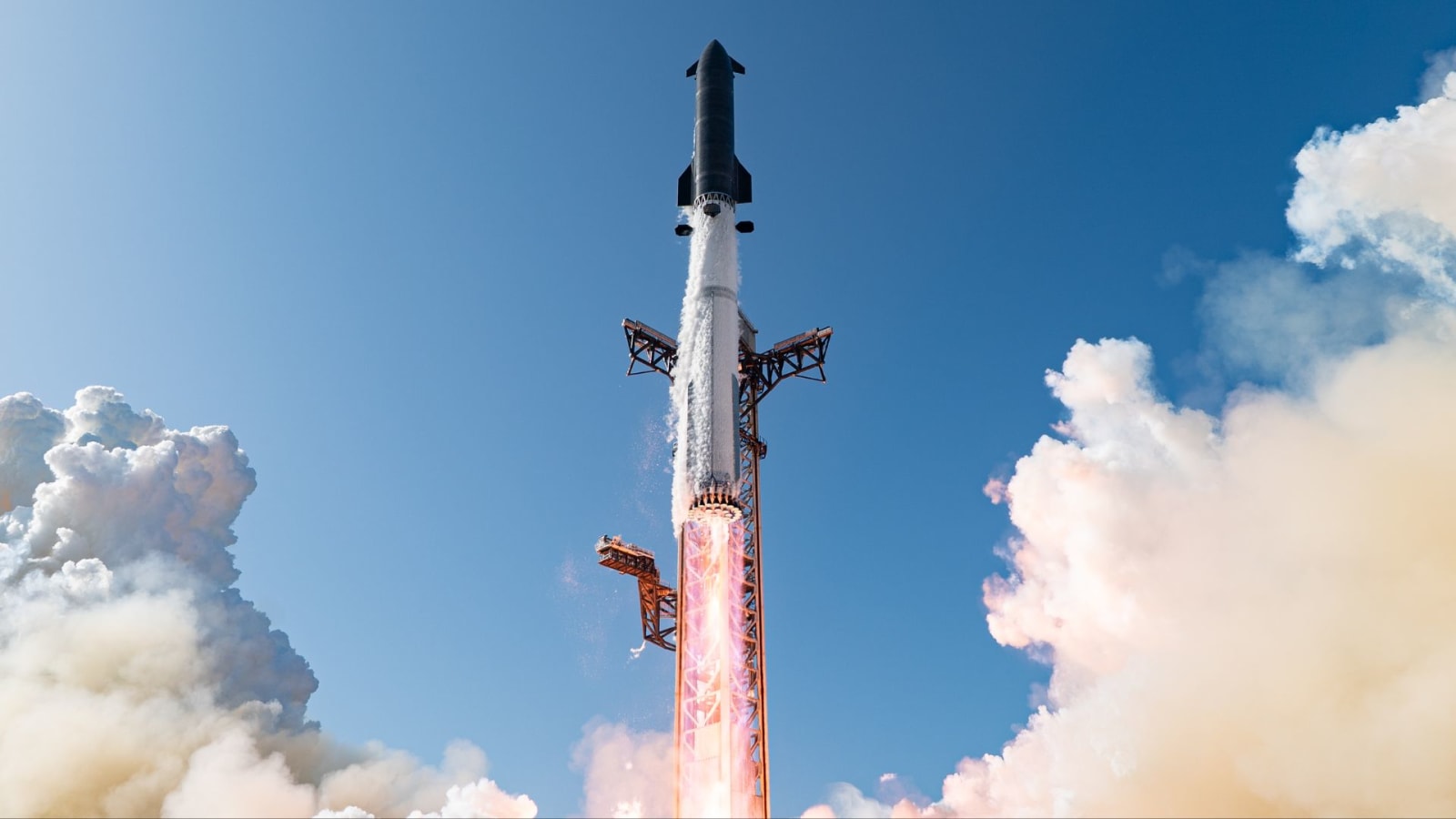
“The booster’s primary test objective on Flight 14 will be executing a successful launch, ascent, stage separation, boostback burn, and landing burn at an offshore landing point in the Gulf of Mexico. There have been several modifications to hardware and software to address issues seen on the previous flight,” SpaceX said in a statement.
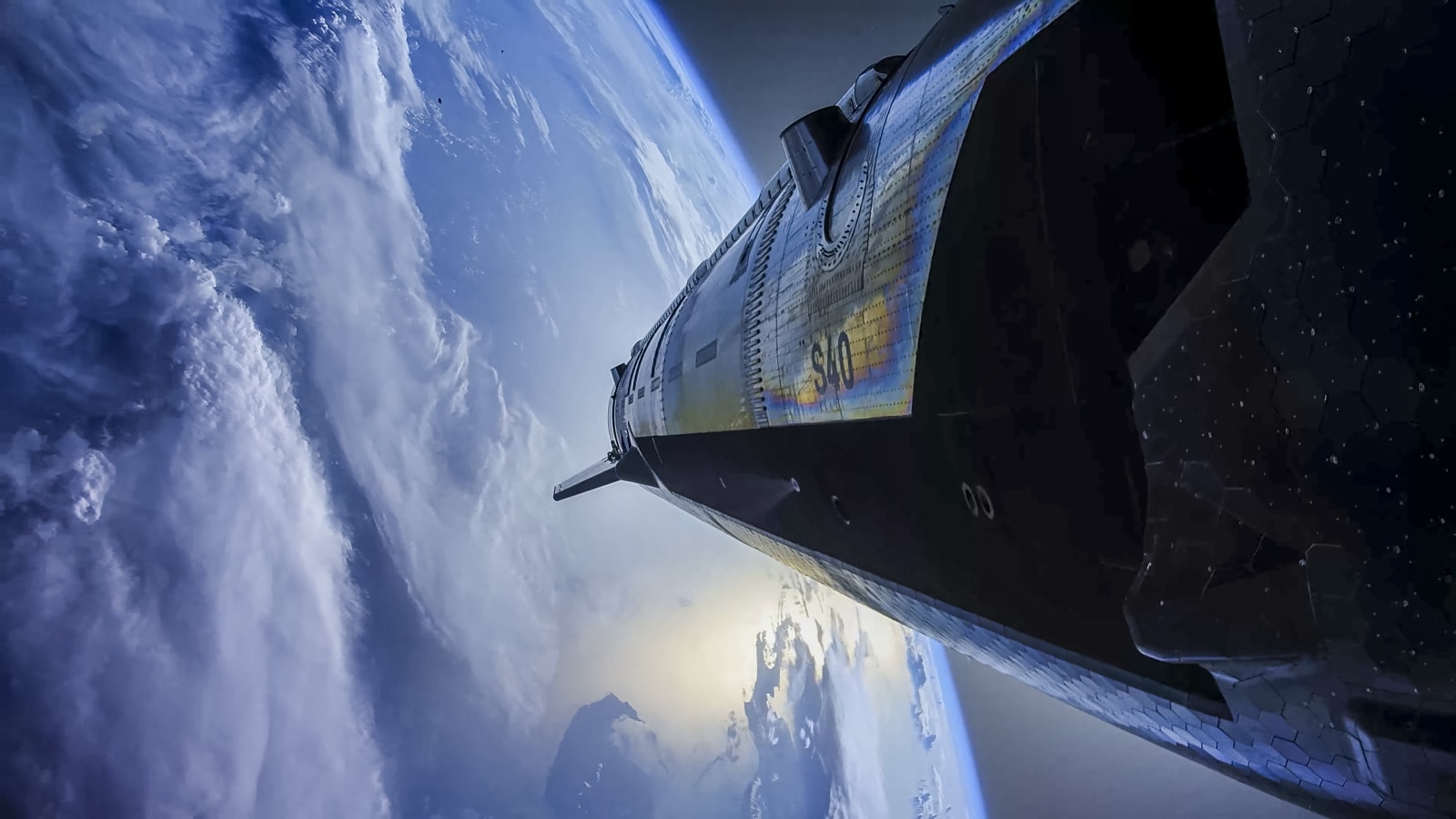
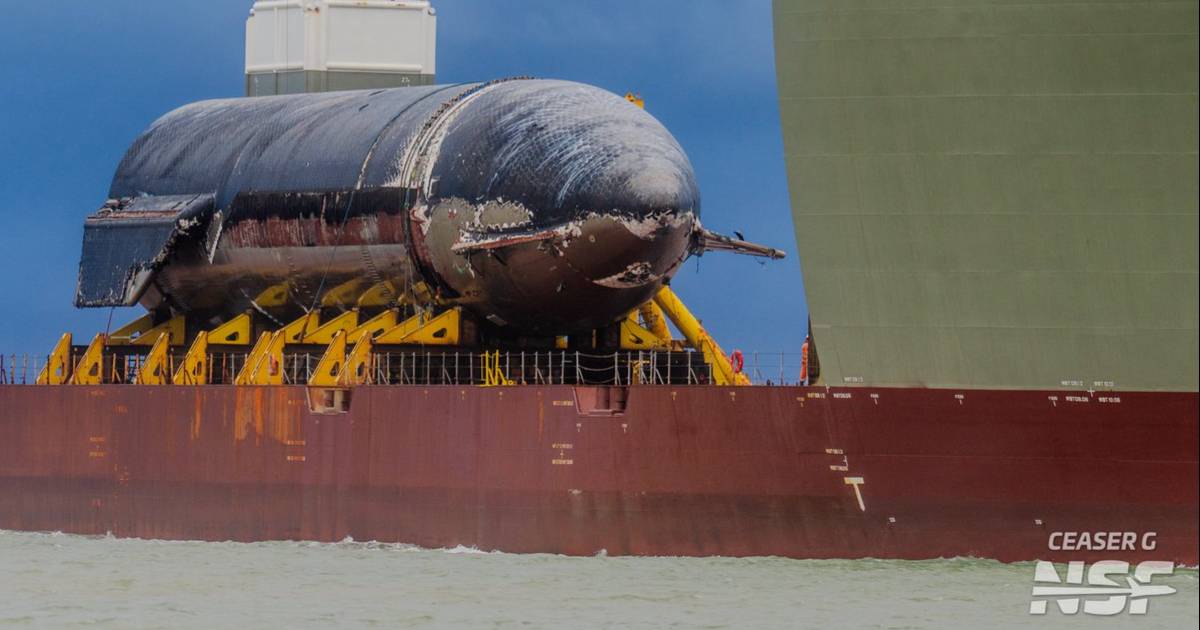
For the first time, SpaceX is also flying two heatshield tiles recovered from the previous mission, marking the first reuse of these tiles on Starship. Several heatshield-related upgrades and experiments will also be tested based on data gathered from Flight 13's upper stage, while it was afloat in the Indian Ocean for 24 days. On Thursday, SpaceX released a new episode of its documentary series ‘The Holy Grail of Rocketry’ that showed how engineers recovered the upper stage after its splashdown. Check it out here.
More on Starlust
SpaceX CEO Elon Musk confirms Flight 15 will be caught; Flight 14 to launch on September 22, 2026