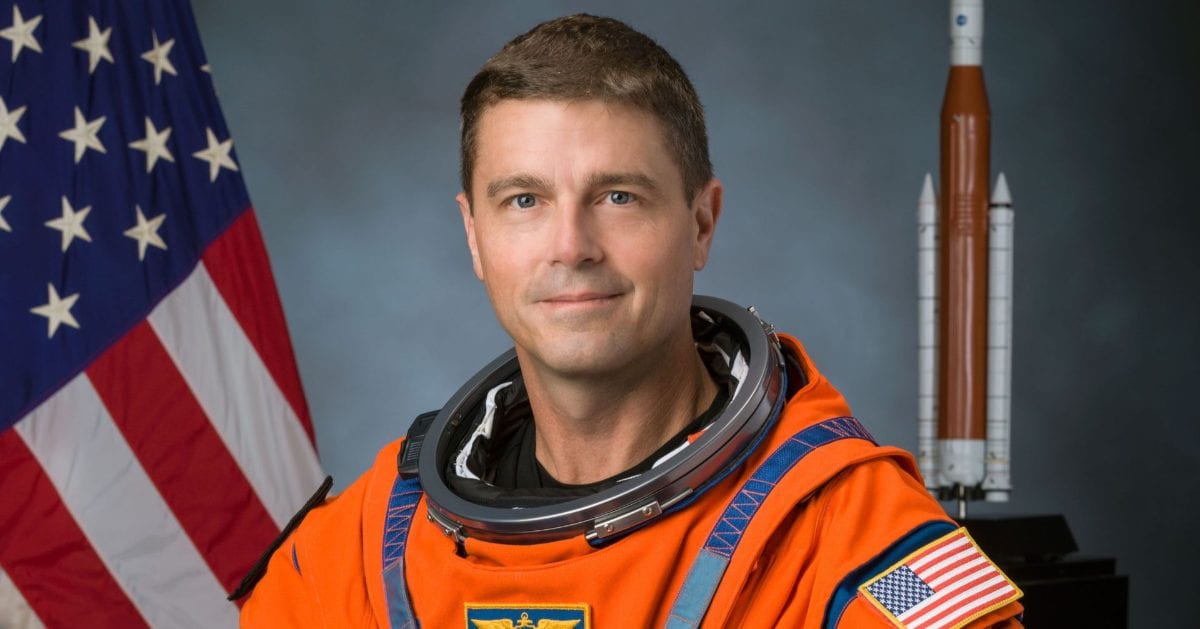
Astronauts Anil Menon and Joshua Kutryk to install the last ISS roll-out solar array on Thursday: All you need to know about the spacewalk
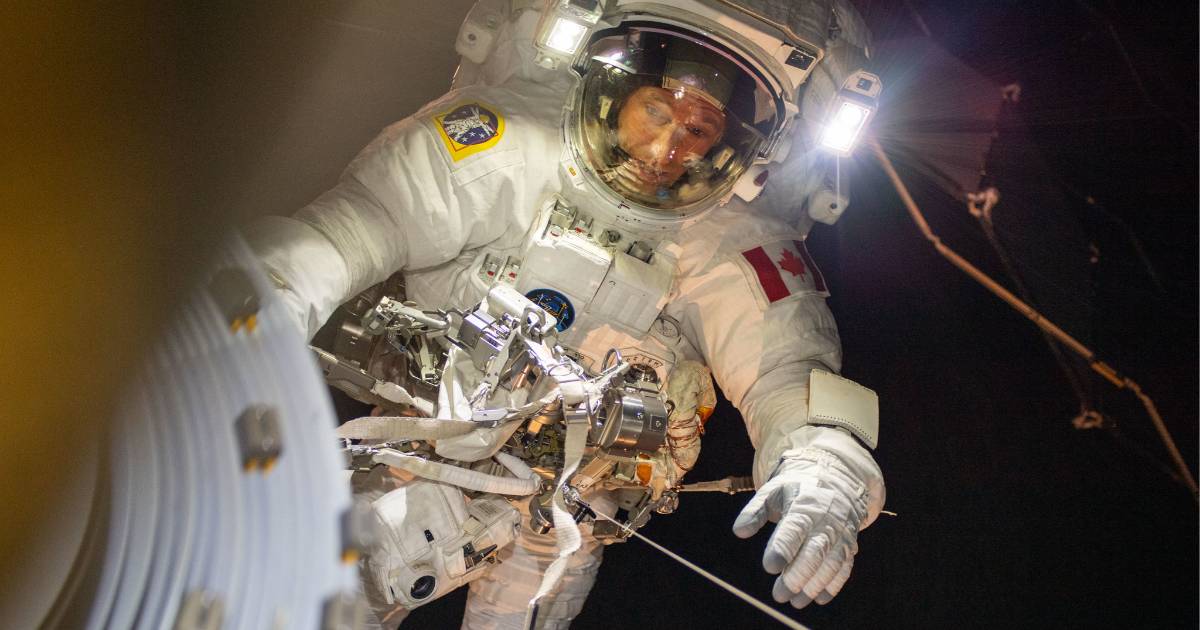
Two Expedition 75 astronauts on board the International Space Station are set to make a vital addition to the orbital outpost. On Thursday, November 5, NASA’s Anil Menon and the Canadian Space Agency’s Joshua Kutryk will begin their spacewalk at 8:30 am EST to install the eighth and final International Space Station roll-out solar array (IROSA) outside the orbiting laboratory. This will be Menon and Kutryk’s second spacewalk in a week after they worked together to install the seventh roll-out solar array last Thursday.
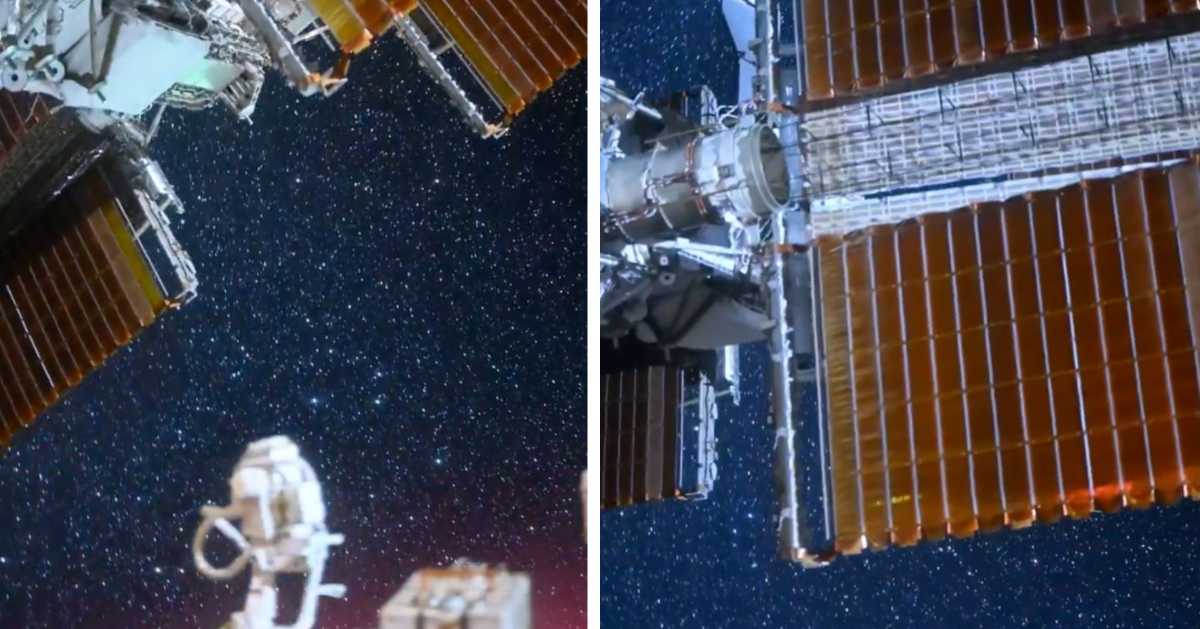
Astronauts Joshua Kutryk and Anil Menon will go out on their second spacewalk together on Thursday, Nov. 5, to install the eighth and final roll-out solar array to augment the International Space Station's power generation system. Here are some scenes from their previous spacewalk on Oct. 29 when they installed the seventh roll-out solar array on the orbital outpost.
— International Space Station (@Space_Station) November 3, 2026
Menon and Kutryk had a couple of pre-spacewalk conferences with the mission controllers on the ground on Monday. The astronauts first discussed their readiness for the mission before addressing concerns related to the Canadarm2 robotic arm, which will be needed for the installation. NASA flight engineers Jessica Watkins and Luke Delaney also participated in the conferences, as they will be assisting the spacewalking duo from inside the ISS just like they did last Thursday.
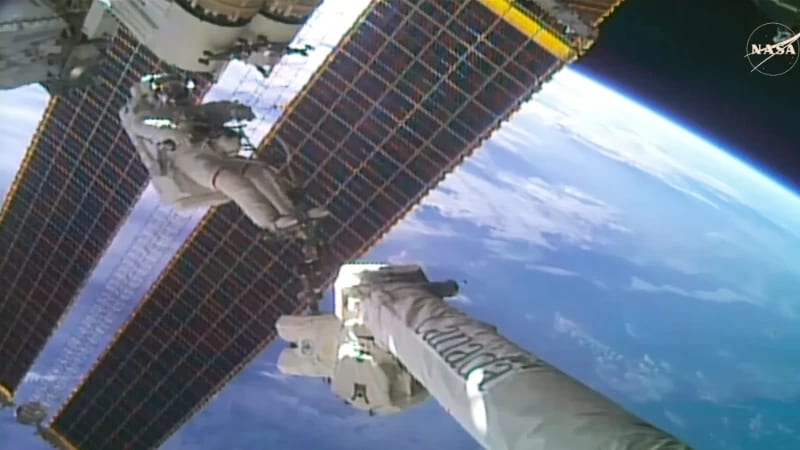
Unlike the seventh IROSA, which was installed on the 2A electrical power channel on the station's port-side truss structure, the final one will be installed on the 3B power channel on the starboard side. Menon and Kutryk had completed some get-ahead tasks last Thursday, but the upcoming spacewalk is still expected to take around seven hours. Live coverage of the spacewalk will be available on NASA+, as well as on X, Discovery+, Amazon Prime, and YouTube, starting at 7 a.m. EST.
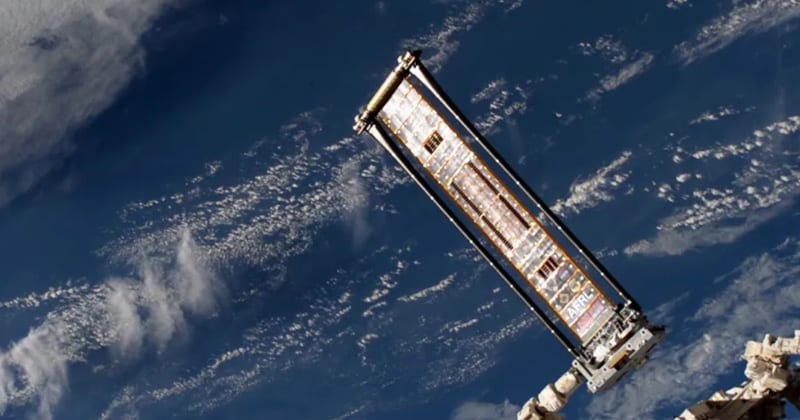
The installation of the eight IROSAs will be the culmination of nearly a decade's worth of work. It all started in 2017, when a technology demonstration tested the effectiveness of the apparatus following its deployment outside the station using the Canadarm2. Later, the first IROSA was installed in 2021. By 2023, six had been installed at the ISS, although it was later determined that two more arrays would be needed to fulfill the station’s power demands until its planned re-entry at the end of the decade. The final pair arrived at the space station last month aboard the SpaceX 35th commercial resupply services mission.
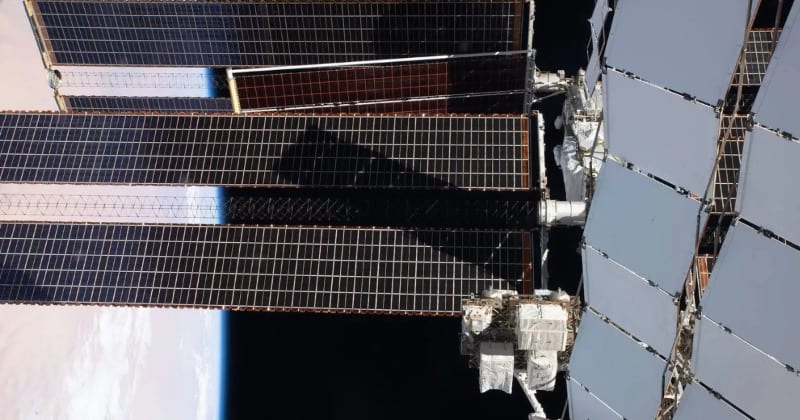
Designed, manufactured, and tested by Redwire under a contract with Boeing, the arrays, as their name suggests, launch rolled into a cylinder and unfurl on their own after deployment like a yoga mat, thus significantly reducing launch mass and volume and minimizing risks during rollout. NASA says that even though they are about half the size of the ISS's main solar arrays, the IROSAs are capable of producing about 28 kilowatts of additional power.
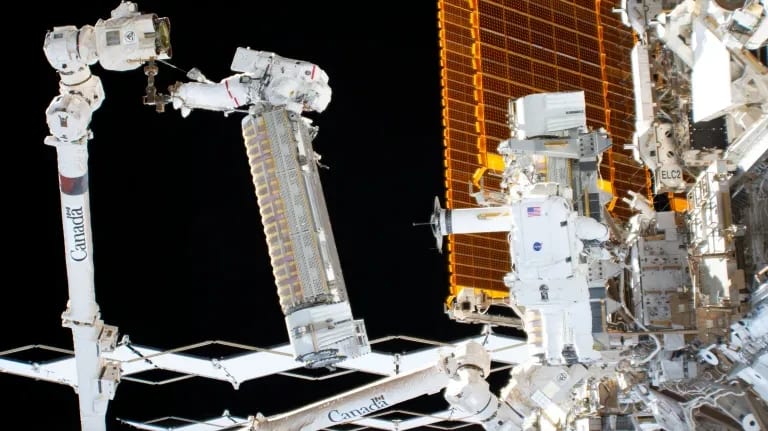
Should the spacewalk be successful on Thursday, the orbital complex’s ability to generate power will receive a boost of about 30%, from 160 kilowatts to about 215 kilowatts. Power aboard the space station is precious and is needed for a variety of things, including its life support systems, the astronauts’ daily needs, and scientific investigations that run into hundreds.
More on Starlust
NASA astronaut Anil Menon's new video offers stunning look at newly installed solar arrays on ISS