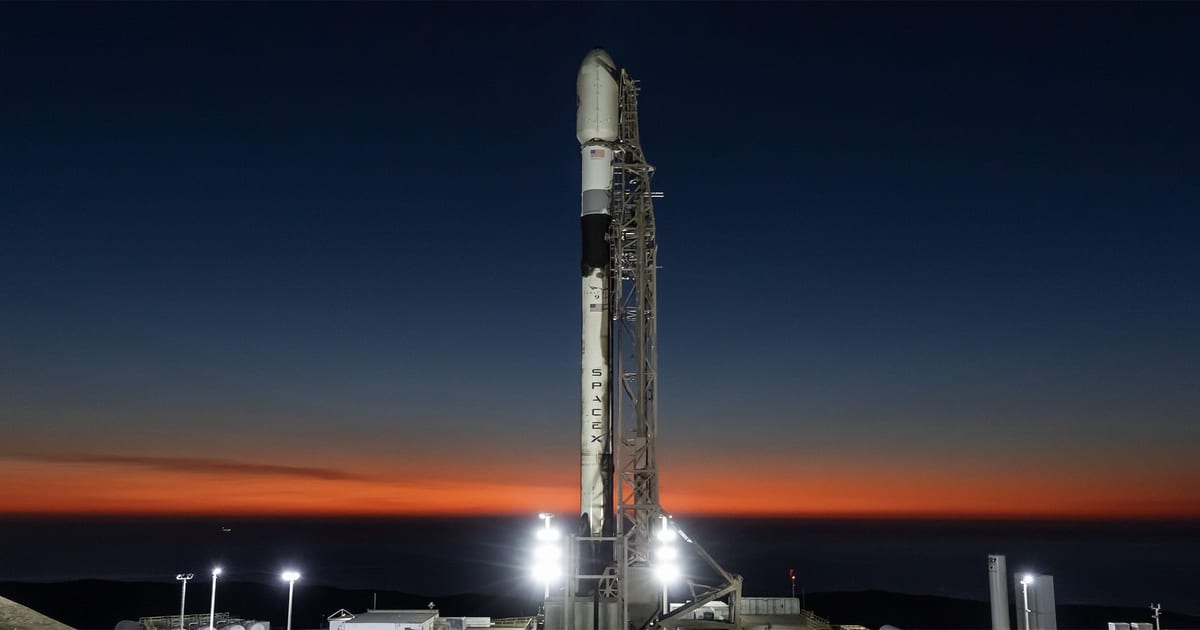
SpaceX Falcon 9 booster landing team wins first ever Neil Armstrong Space Prize for rocket reusability
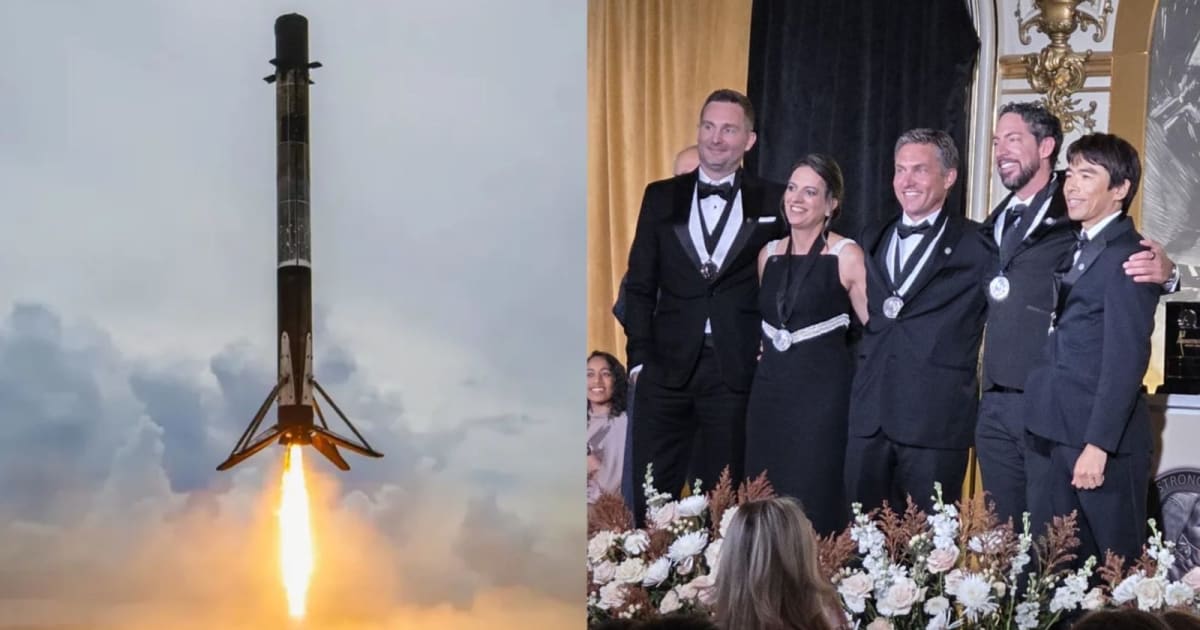
A SpaceX team has won a newly created international award that celebrates the impact of innovation on humanity. The recipients of the Neil Armstrong Space Prize, created by Purdue University, are part of the Falcon 9 booster landing team that has been recognized for its work in developing the vertical landing capability of the Falcon 9 rockets. The team was announced as the winner in April 2026, and they were awarded the prize during an evening ceremony at the Cosmos Club in Washington, D.C., on Tuesday, September 15.
🚀 Selected for its globally impactful work on a reusable two-stage rocket system, the @SpaceX Falcon 9 Booster Landing Team has officially received the 2026 Neil Armstrong Space Prize.
— Purdue University (@LifeAtPurdue) September 16, 2026
⭐️ Read about the team’s innovation and Purdue’s legacy in space. https://t.co/qwTWHPSlC9 pic.twitter.com/6dvJOrMq8b
“Neil Armstrong’s achievement rested on extraordinary engineering, teamwork and the courage to attempt what had never been done before. The Falcon 9 Booster Landing Team carries that spirit forward,” Mark Lundstrom, the John A. Edwardson Dean of the College of Engineering, said in a statement. “By making rocket reuse practical at unprecedented scale, they changed the economics of spaceflight and opened new possibilities for science, exploration and commerce. It is especially fitting that they are the first recipients of the Neil Armstrong Space Prize.”
Falcon 9’s first stage lands on the Of Course I Still Love You droneship pic.twitter.com/Rwc9UkZVkp
— SpaceX (@SpaceX) September 17, 2026
The five laureates of the prize are Lars Blackmore (senior principal Mars landing engineer), Shana Diez (senior director of Starship reliability), Jon Edwards (senior vice president of Falcon & Dragon projects), Yoshiaki Kuwata (principal GNC engineer), and Eduardo Velazquez (director of Crew Starship engineering). As the name suggests, the award pays homage to the first man to walk on the Moon—Neil Armstrong, who was also a graduate of Purdue. The institution is known as the ‘Cradle of Astronauts’, as 30 of its graduates have either flown to space or been selected as NASA’s astronaut candidates.
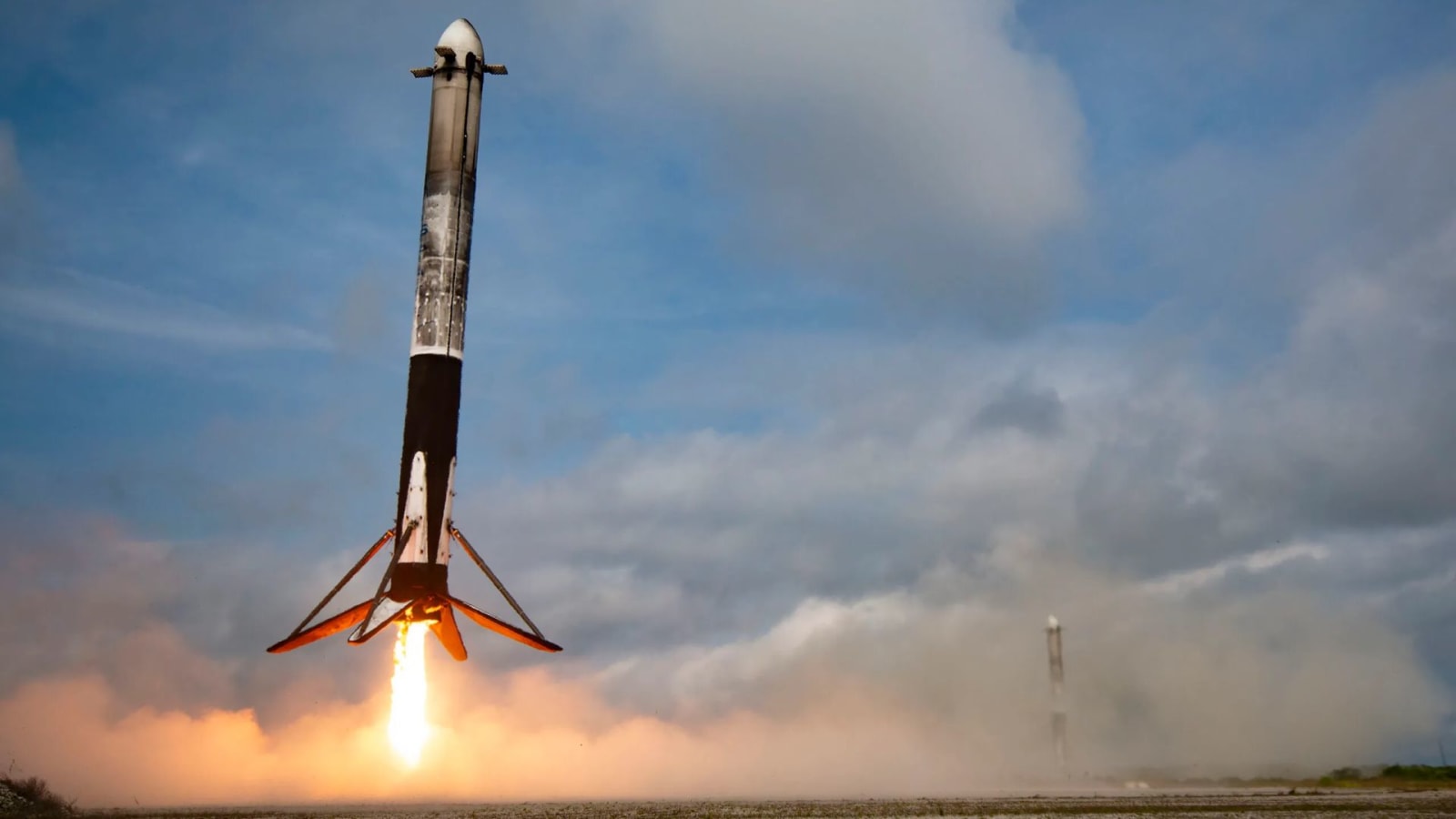
According to Purdue University, the prize is evaluated in three categories, namely discovery, innovation, and human achievement in space. In SpaceX’s case, Dan Dumbacher (chair of the Neil Armstrong Space Prize selection committee) said that the team’s impact on humanity was the deciding factor. “Their work has had a very clear impact and a very visible impact,” Dumbacher said, noting that the Falcon 9 had 164 launches in 2025 with one booster being used more than 30 times.
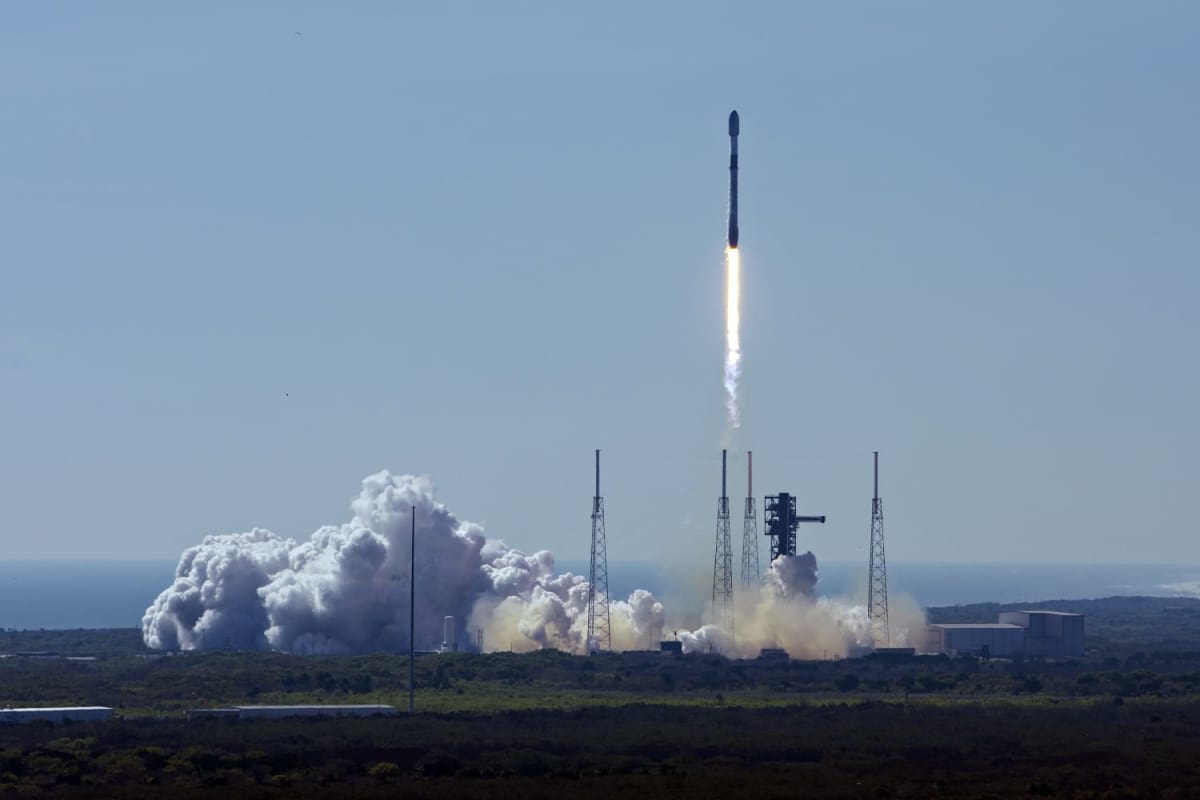
The Falcon launches have already crossed the 100 mark this year. On September 13, SpaceX achieved another major milestone by completing the 700th overall mission of the Falcon class of rockets, with Falcon 9 having the biggest share (687 launches). The first landing of its booster occurred in December 2015, and just four months later in April 2016, the booster touched down on a droneship in the sea, proving SpaceX’s ability to recover the first stage on both land and water.
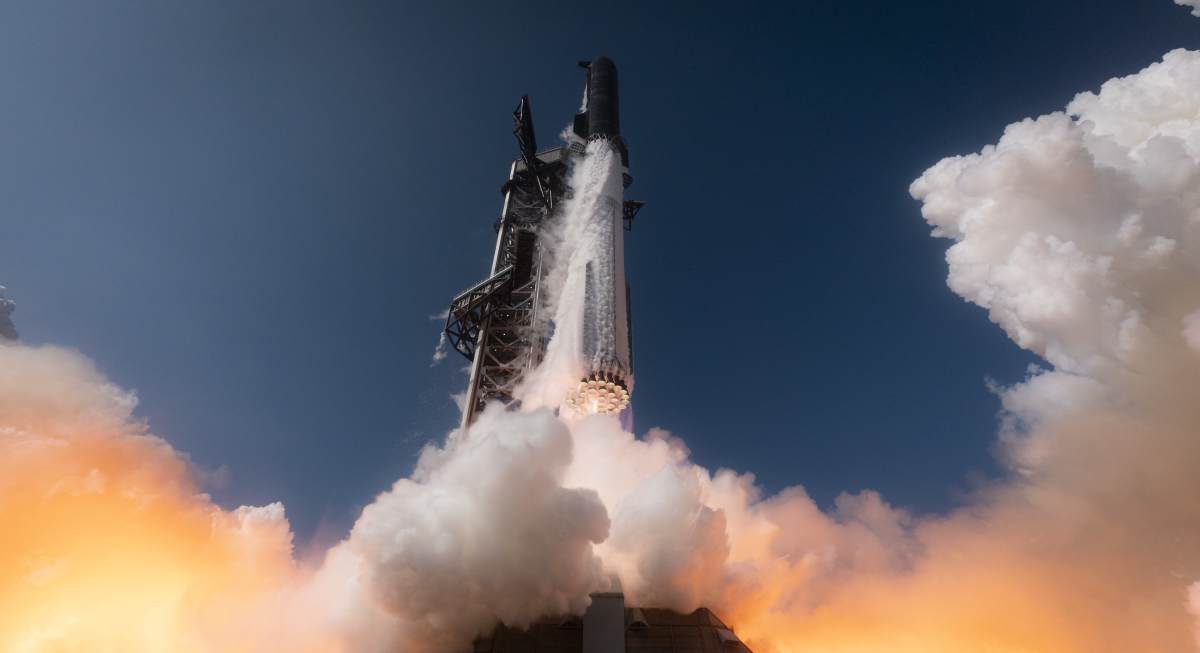
Surprisingly, the Falcon 9 might retire in a few years, as company CEO Elon Musk recently shared his plan to wind down the rocket launches once the megarocket Starship becomes operational. The Falcon 9 has been the primary source of transportation for NASA’s cargo and crew to the International Space Station (ISS), along with several deep space missions to explore the universe. However, Musk believes “it makes sense to shift super scarce SpaceX engineering and production resources to Starship to get launch rate to several times per day,” and this would require launching Falcon 9 less frequently. Starship has flown 13 times on test flights to date and has been contracted by NASA to land astronauts on the Moon. Its next launch could happen on September 22, and it will continue to test the vehicle's rapid reusability capabilities.
More on Starlust
Godspeed, Roman Telescope! Best images of SpaceX Falcon Heavy launching NASA's flagship observatory