Space conditions can weaken pathogens—but that can make them far more dangerous for astronauts
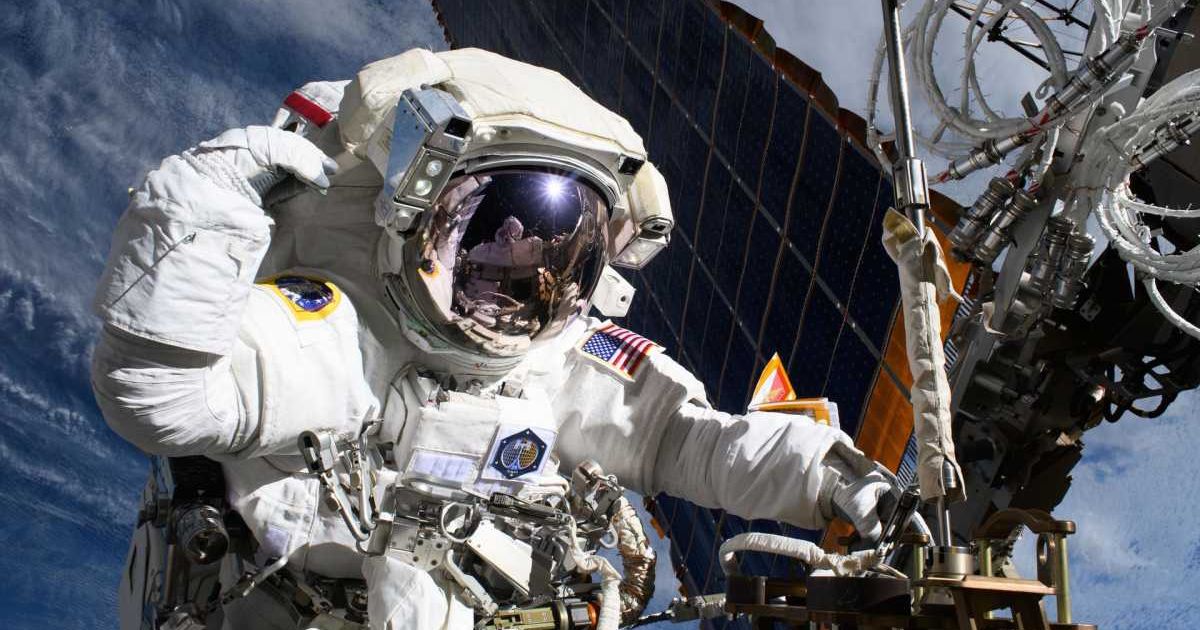
Thinner bones, weakened muscles—these are among the main side effects of space travel that astronauts show up with when they return to Earth. Now, a dissertation by Radboud University PhD candidate Tommaso Zaccaria says that astronauts could have a higher chance of getting infected by pathogens—even those significantly weakened by space conditions. The findings of the research could help develop strategies to maintain astronaut health during long-term space travel and may even be useful here on Earth.
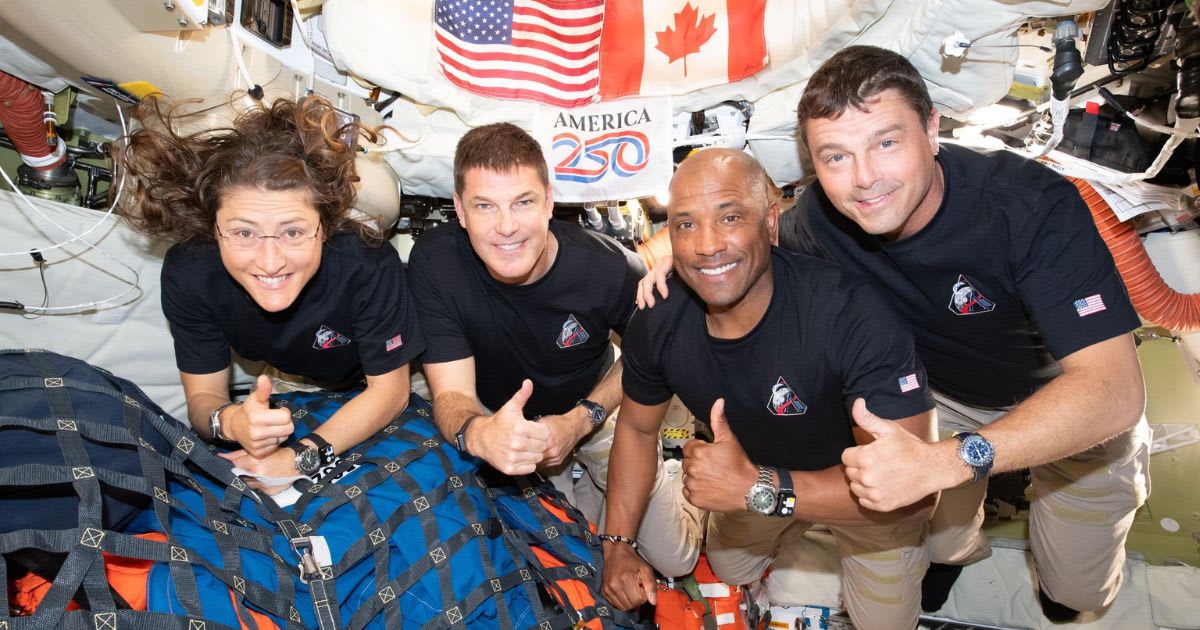
In the early days of space exploration, astronauts were wary of bringing anything dangerous from space to Earth. Now, the worries have changed. They often ask themselves what they will leave in space. The first men who set foot on the Moon left feces on the surface. Moreover, sterilization protocols were not so strict in the 1970s when the unmanned Viking missions to Mars were launched. Zaccaria and his colleagues wanted to probe whether microbes that proliferate on Earth can survive in other locations in the solar system, where water is known to be present. This made him focus on celestial bodies such as the Moon, Mars, and the icy moons of Jupiter and Saturn. "There is evidence that hot springs once existed on Mars, and that amino acids and carbon-based compounds are present. In some places, temperatures can reach a pleasant 20°C. All of this is favorable for life," said Zaccaria in a statement.
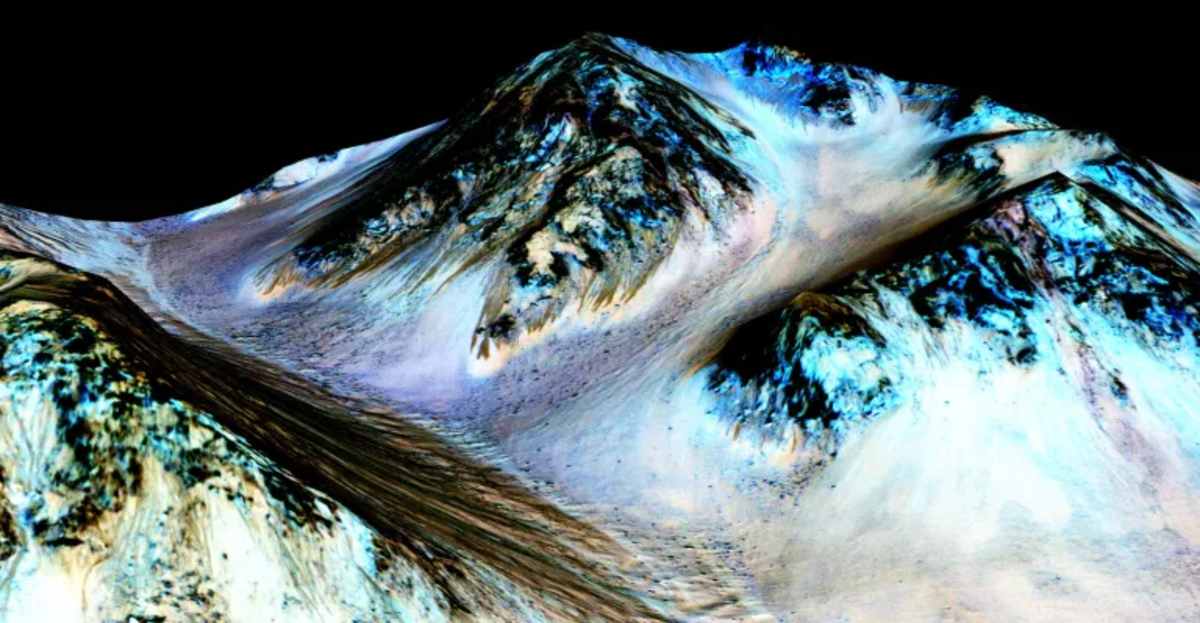
To find how resilient microbes are, he recreated conditions of these celestial bodies at the German Aerospace Research Center and exposed the tiny organisms to extreme conditions such as high doses of radiation, dehydration, and freezing. The microorganisms that live in harsh conditions near volcanoes and in the frigid conditions of Antarctica proved to be highly resilient, with yeasts performing the best. "They increase their capacity to repair DNA damage and activate protective chemical reactions within their cells," Zaccaria explained.
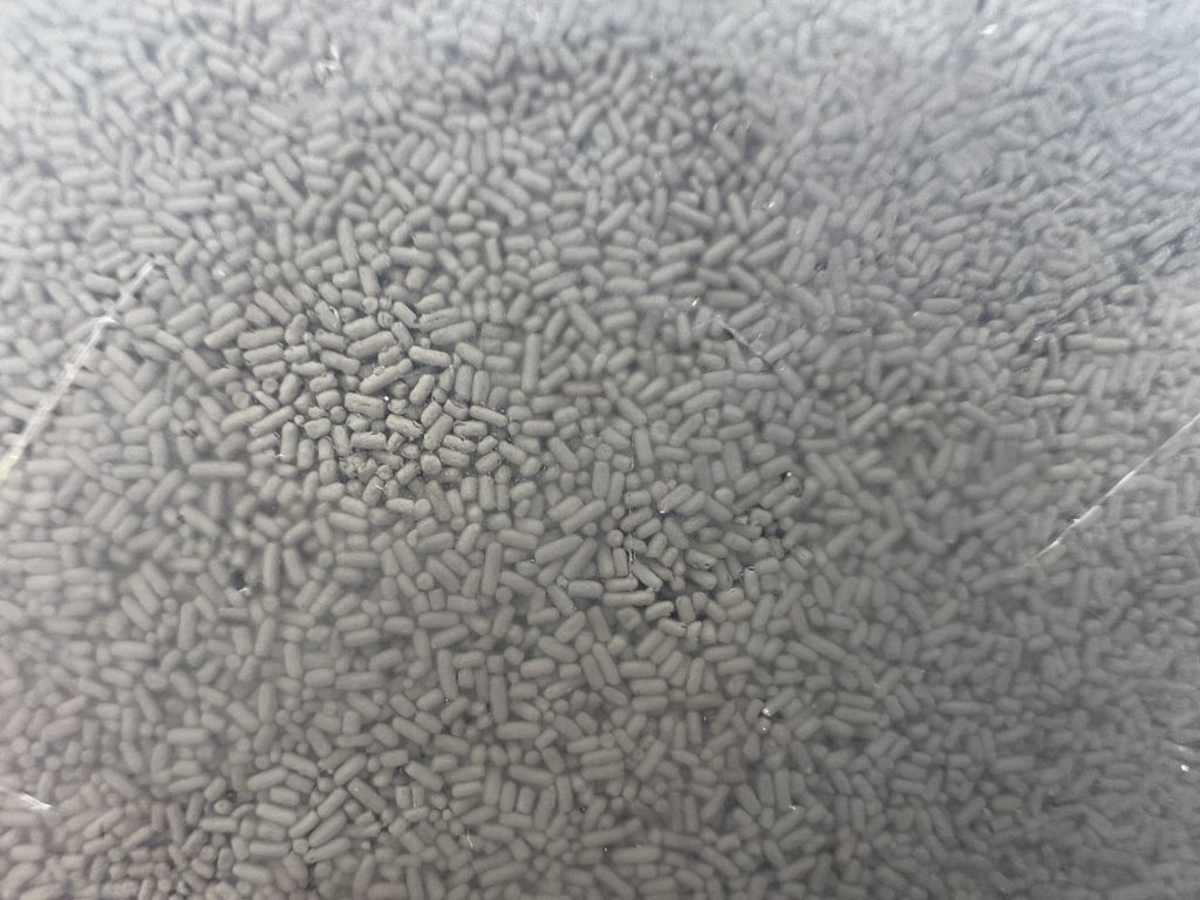
Next, he studied human pathogens such as the bacterium Klebsiella pneumoniae. These pneumonia-causing pathogens, when exposed to a simulated trip to Mars, shrank. But they didn't die. In the lab, the shrunken pathogens triggered a weaker response when they came in contact with immune cells from human blood. These findings are important for astronauts because space travel is already hard on the human immune system as it is, thanks to radiation exposure, disrupted sleep cycles, and poor diet, among other things.
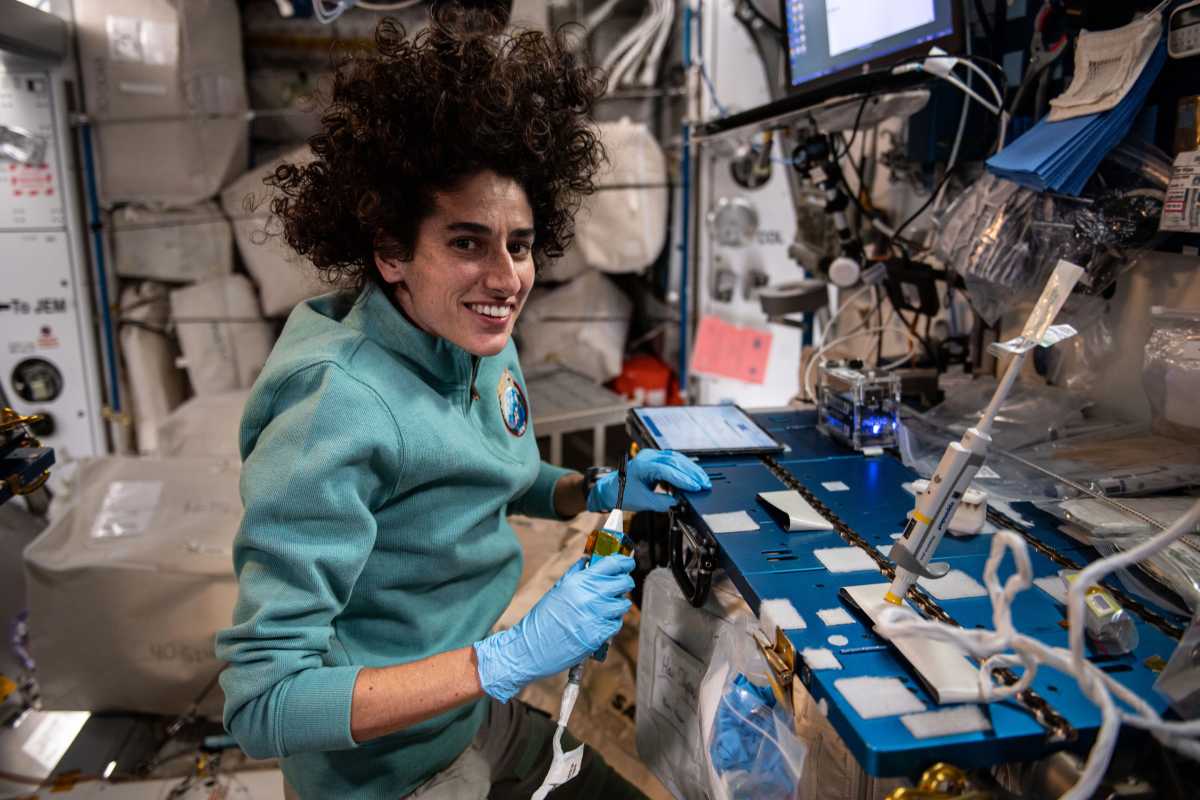
Besides such debilitating conditions, the astronauts may face dust (regolith) on the Moon and Mars. Zaccaria prepared samples that simulate the lunar and Martian dust. He then studied their effects on the lungs and compared them with those of Earth sand. "We observed that material from Mars, and even more so from our Moon, damages the protective layer of the lungs and causes infections. Earth material did not," said Zaccaria. The results are useful for protecting astronaut health. It also sheds light on how our immune system works on Earth. "We see suppressed immunity and accelerated aging in astronauts," said Marien De Jonge, who supervised Zaccaria's research. “That is also relevant on Earth. In addition to biological and chronological age, we are increasingly seeing evidence of an immunological age, with large differences between individuals. Space research provides insights that we can translate back to patients here on Earth.”
More on Starlust
Healthcare on the Moon and beyond—how NASA is preparing for medical emergencies in deep space