Long-term space travel significantly deforms the human brain, new study finds
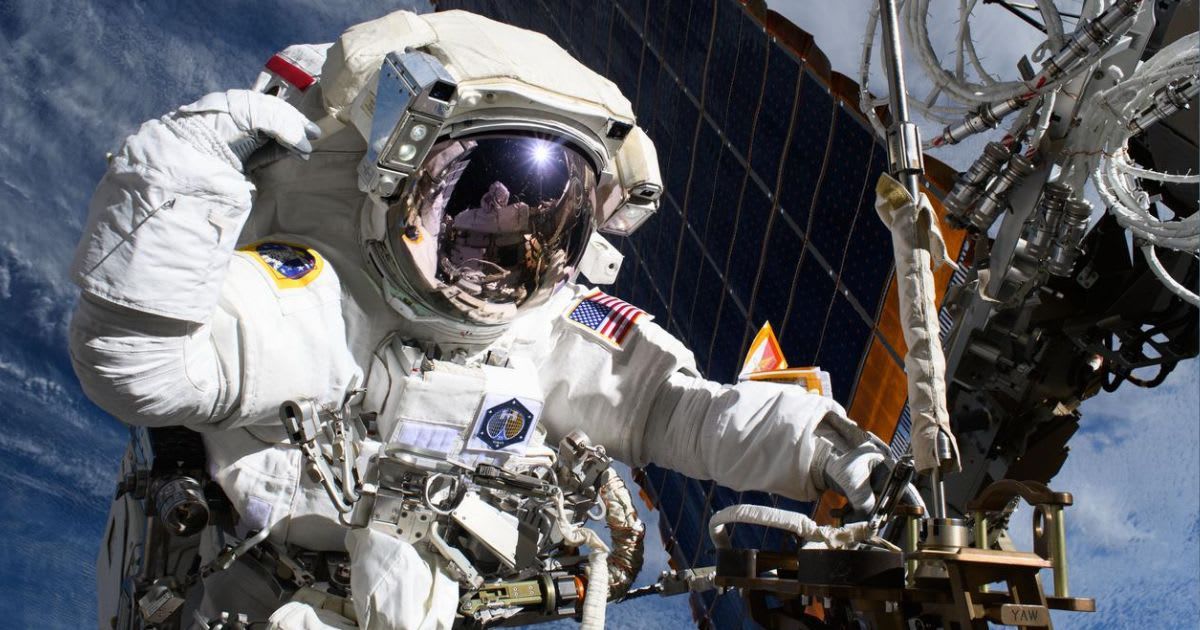
Time spent outside Earth's atmosphere does more than weaken astronauts' muscles and bones; it actually changes the underlying structure of their brains. A new study, published in the journal PNAS, found that microgravity causes the human brain to shift upward within the skull, resulting in significant stretching and compression.

Under normal conditions on Earth, gravity keeps the brain stabilized while cerebrospinal fluid provides a protective buffer. In the weightless world of the International Space Station (ISS), however, this stability is absent, per Phys.org. Researchers led by Rachel Seidler at the University of Florida found that without the pull of gravity, the brain drifts upward toward the top of the skull. To come to these conclusions, the researchers analyzed MRI data from 26 astronauts before and after their time in space on the orbital station. Comparisons were made against a control group of 24 volunteers on Earth in a specially designed "bed rest" study. The latter group spent 60 days tilted at a downward angle to simulate the way fluids and organs shift towards the head in space.
As it turned out, the data revealed that although both groups exhibited some internal movement, the changes in astronauts were far more dramatic. The shift was also found to be cumulative: the longer an astronaut stayed in orbit, the more their brain moved. For those on year-long missions, the supplementary motor cortex, the region responsible for physical movement, shifted upward by roughly 2.5 millimeters. This is not a simple shift of position, the study points out. The upward-shifting brain becomes compressed at the top and rear, while other areas are tugged and extended. This structural distortion seems to have near-instant effects on physical aptitude.
The researchers said that the astronauts who experienced the most dramatic brain reshaping after their missions struggled with balance and coordination after returning to Earth. Though the brain generally moves back into place several months after a mission has ended, the finding raises some urgent questions about the future of space exploration. As agencies prepare for multi-year journeys across space, understanding the long-term impact of these neurological shifts is a top priority. The researchers emphasized that such "deformations" require further investigation to ensure the safety and long-term well-being of crews. Mapping how the brain reacts to weightlessness over a long period is now regarded as a crucial step in preparing humans to face the next frontier in space travel.
The emphasis is changing from merely surviving in space to thriving there as the international space community looks toward permanent lunar bases and the first human footprints on Mars. These kinds of studies serve as a sobering reminder that although the human spirit is prepared to explore the stars, the human body is still constrained by earthly biological laws. The biggest challenge of the modern space age is still ensuring that future explorers can return home with their health and minds intact.
More on Starlust
What happens when astronauts get sick in space?
NASA one step closer to launching Artemis II—the first manned lunar mission in over 50 years