Why stargazers are planning to watch the Perseid meteor shower before the August 12-13 peak
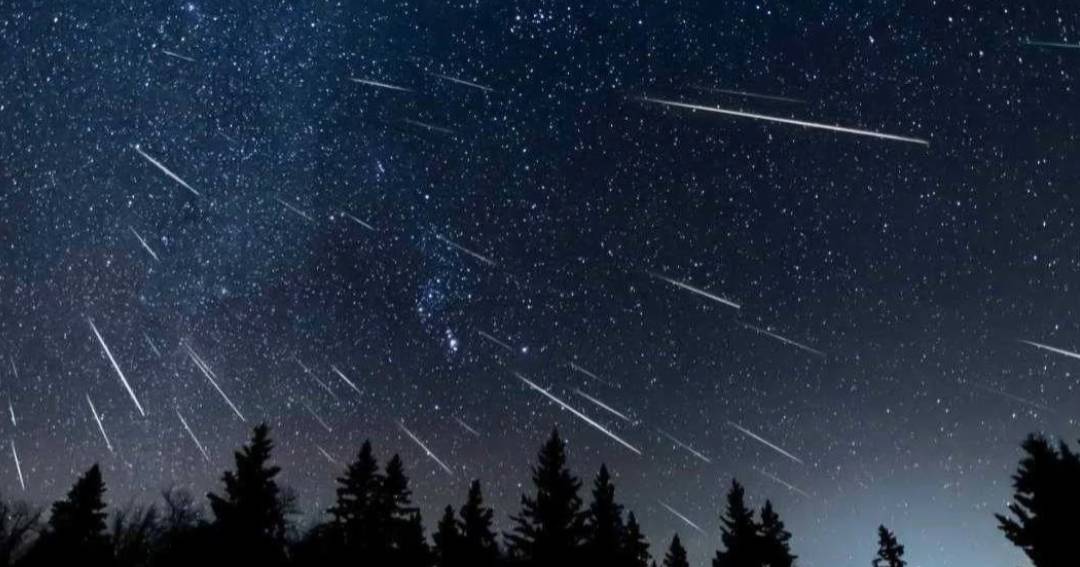
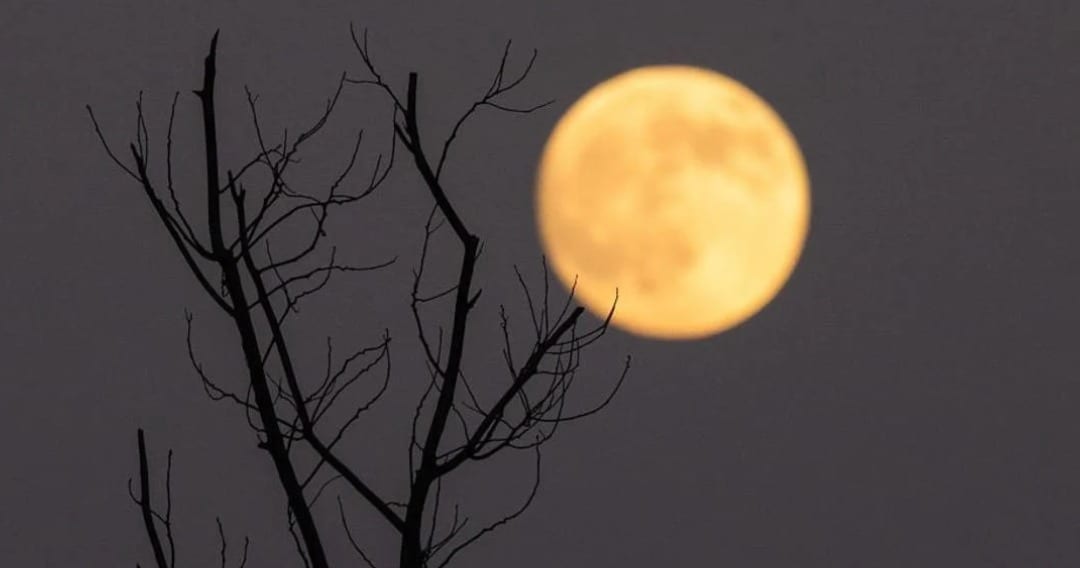
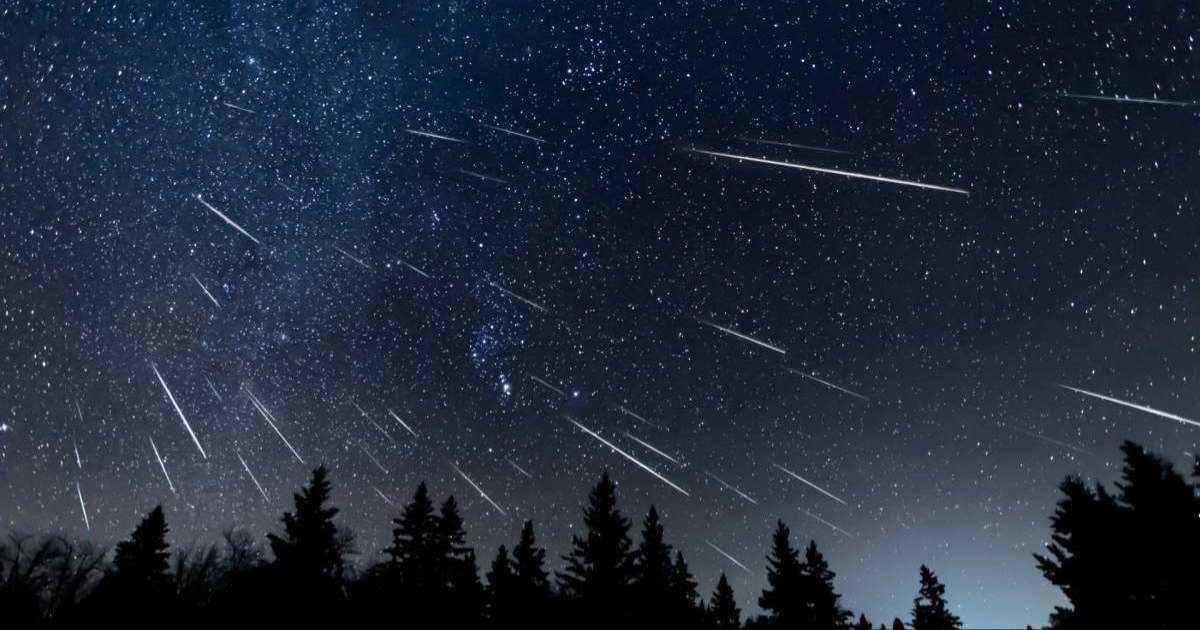
Enthusiasts of celestial phenomena are recalibrating their plans for the annual Perseid meteor shower, with many opting for early viewing sessions this year. Despite its reputation for dazzling displays of up to 100 meteors per hour and brilliant fireballs, the shower's traditional August 12-13 peak coincides with a nearly Full Moon, significantly impeding visibility, as reported by Outside.

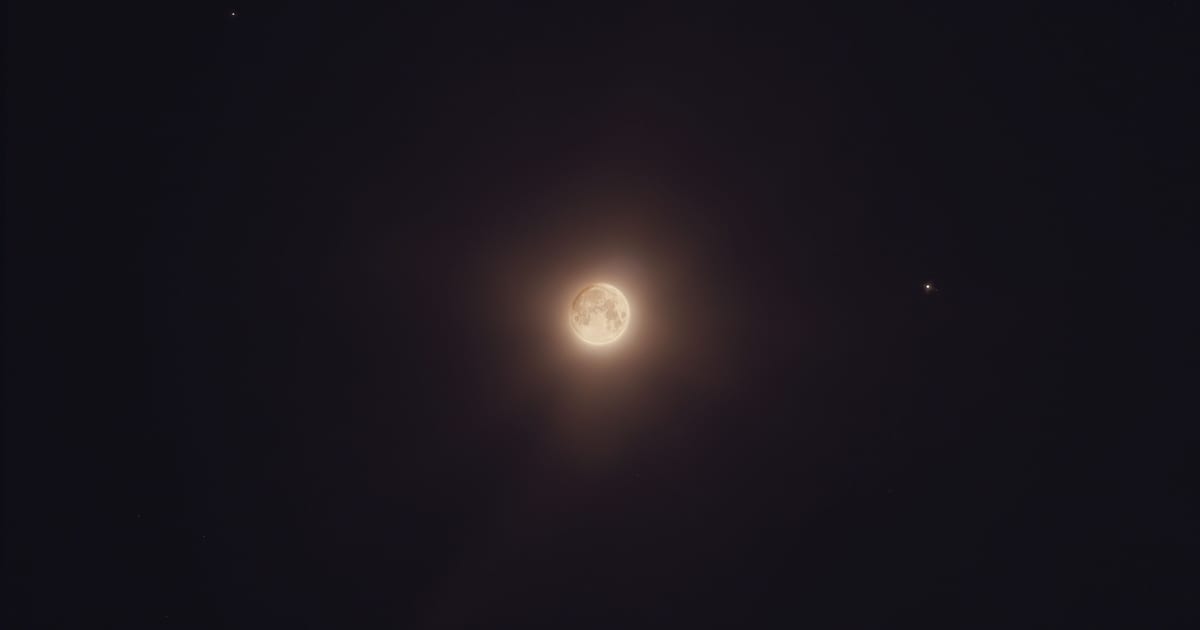
The Perseids, active from July 17 to August 23, typically offer their most spectacular show during the peak period. However, with an 86% illuminated Moon casting considerable light pollution just three days after the Full Moon, only the most intense meteors and fireballs are expected to penetrate the lunar glare. Consequently, numerous amateur astronomers are advocating for an adjusted viewing strategy. Rather than waiting for the peak, observers are encouraged to witness the shower in the preceding weeks.
The night of July 29 into July 30 has been identified as a particularly opportune window. During this period, the Moon will be only a quarter full and will set around midnight, aligning perfectly with the Perseids' intensified activity. This early viewing also offers the added advantage of coinciding with other active meteor showers, potentially enhancing the overall celestial experience.
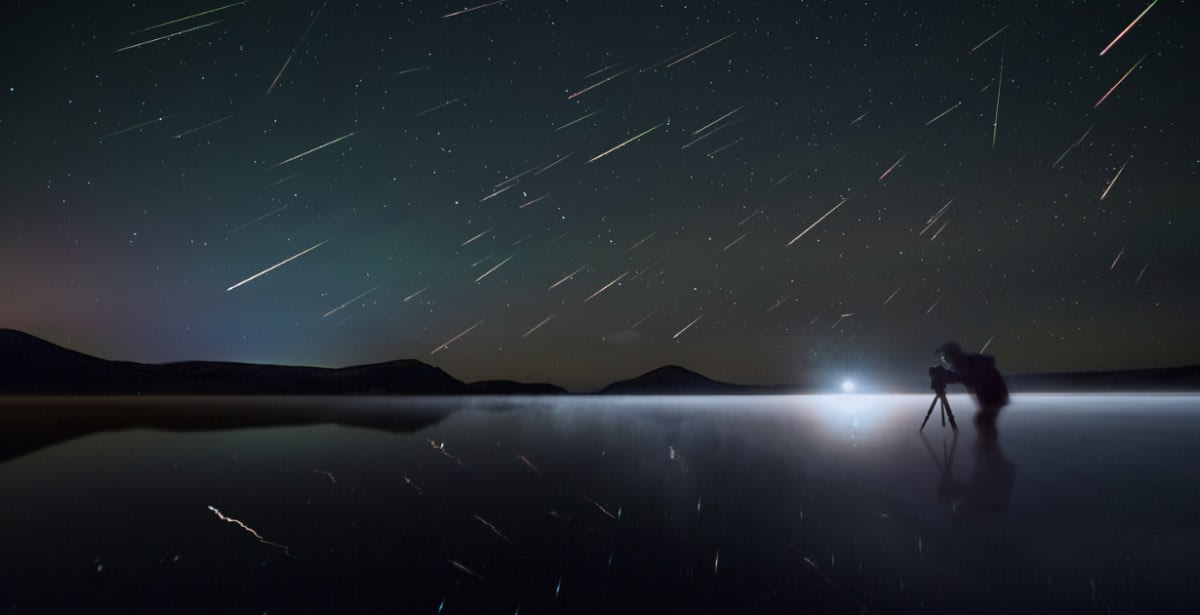
Under ideal rural conditions, the Perseid shower typically presents a stunning display of 50 to 75 meteors per hour at its peak. These celestial streaks are a result of Earth passing through the debris left by Comet 109p/Swift-Tuttle during its regular orbits through the inner solar system. The shower is named after the constellation Perseus, from which the meteors appear to radiate.
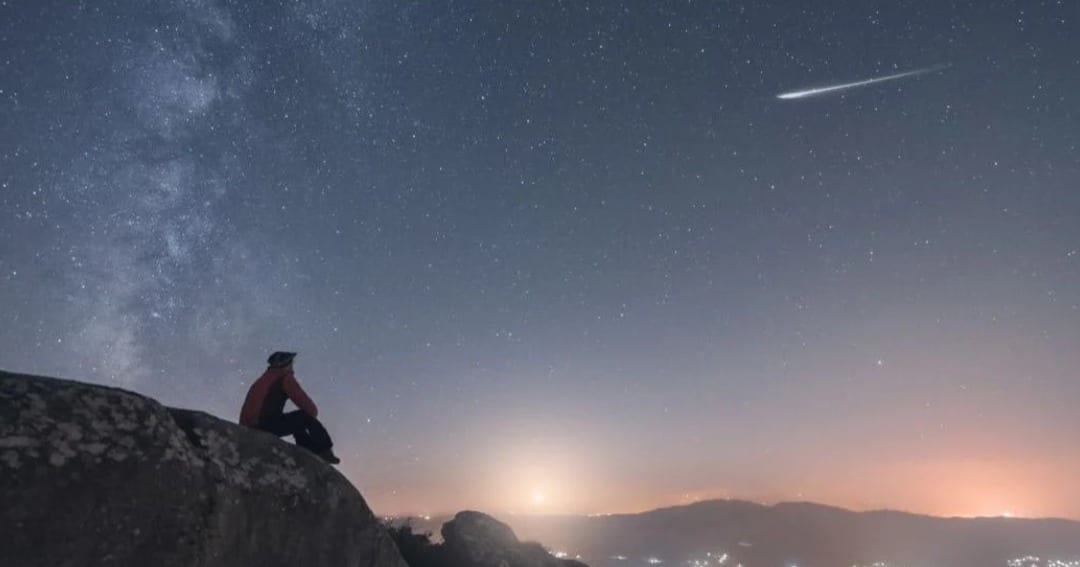
For those determined to observe the Perseids this year, maximizing viewing potential is crucial. The primary recommendation is to seek out locations with minimal light pollution, such as rural areas or local parks. If a remote spot isn't feasible, even a simple adjustment like turning away from direct streetlights can significantly improve visibility. Crucially, allow your eyes at least 15 minutes to fully adapt to the darkness for optimal viewing of fainter meteors. During this adaptation period, avoid looking at any bright screens, including your phone.
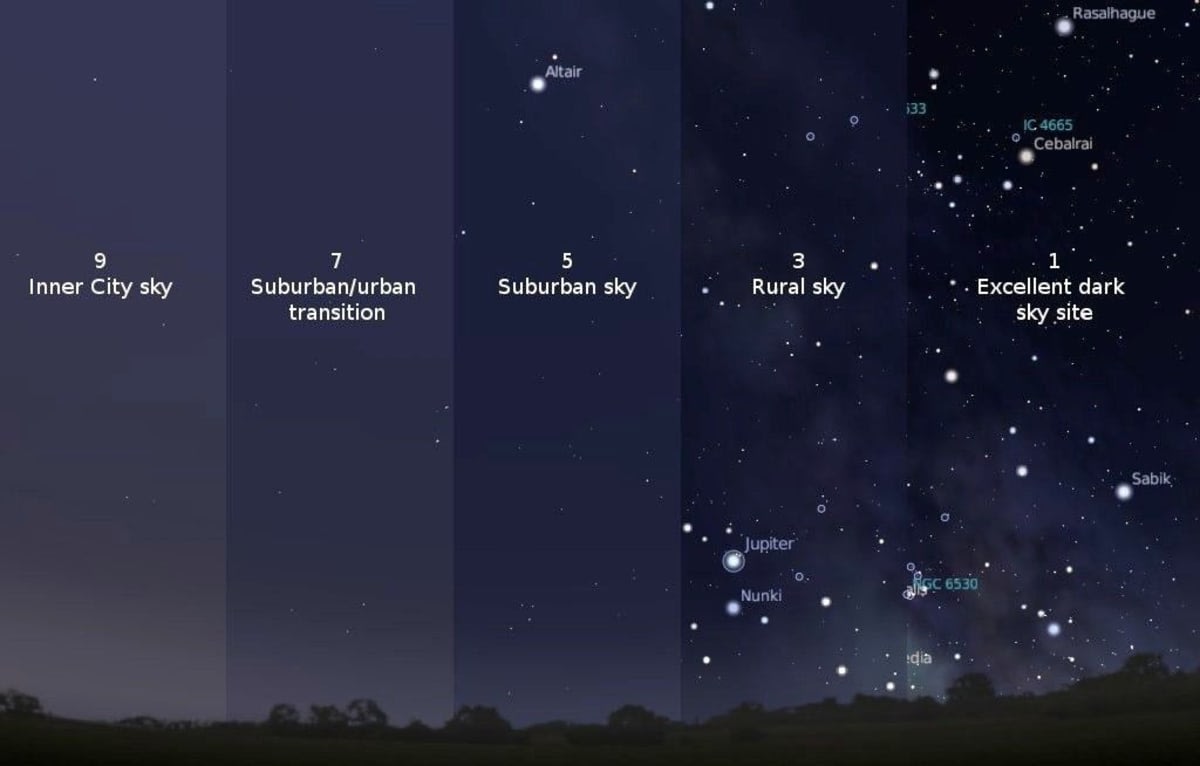
Furthermore, ensure you have an unobstructed view of the sky, positioning yourself in an area with a wide and clear horizon, free from trees or buildings. Unlike popular belief, binoculars and telescopes are not recommended for meteor showers as they severely restrict your field of vision, and Perseid meteors can appear anywhere in the sky. While the constellation Perseus marks the meteors' apparent origin, stargazing apps can help pinpoint their exact location.
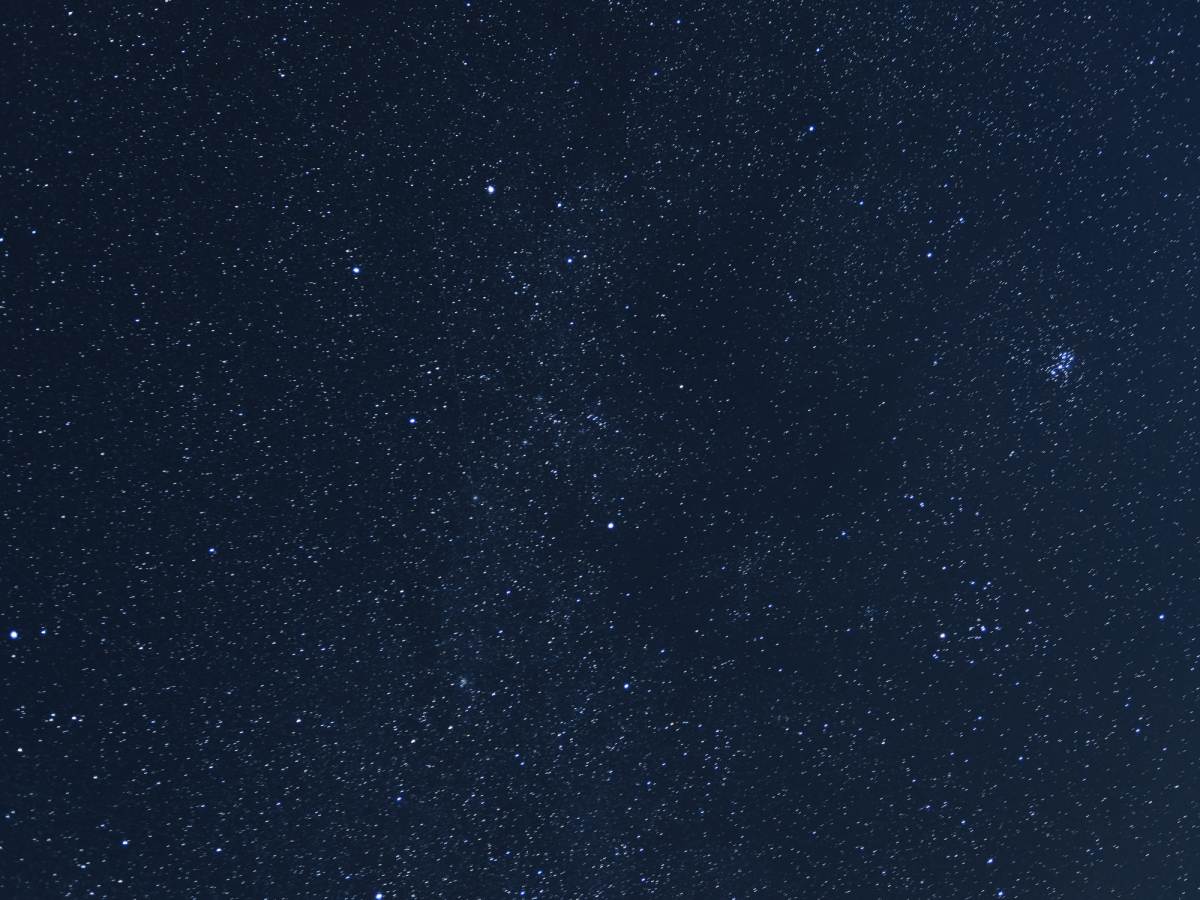
As the Perseids prepare for a challenging viewing season, a recent study has spotlighted another premier destination for celestial observation: Crater Lake National Park in southern Oregon. This park has been recognized as the top US national park for stargazing. The comprehensive study, which meticulously analyzed night sky data from the National Park Service, identified Crater Lake as the undisputed leader among the top 20 parks, awarding it a perfect 100 index score for stargazing.

Oregon's reputation for pristine night skies is further solidified by its status as home to the world's largest dark sky sanctuary. Crater Lake, already renowned as the deepest lake in the United States, extends its appeal beyond its profound depths. Its exceptional atmospheric clarity and minimal light pollution are key factors contributing to its new distinction as an unparalleled destination for viewing the cosmos.