Buck Moon 2026: 5 U.S. states most likely to offer clear views of July's Full Moon
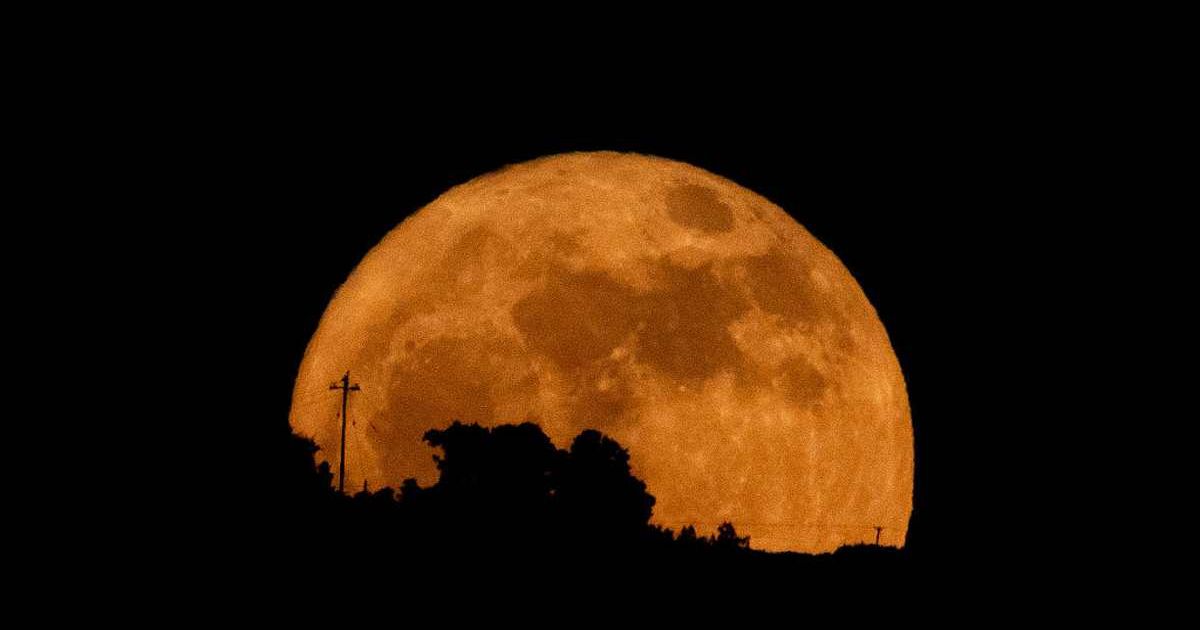
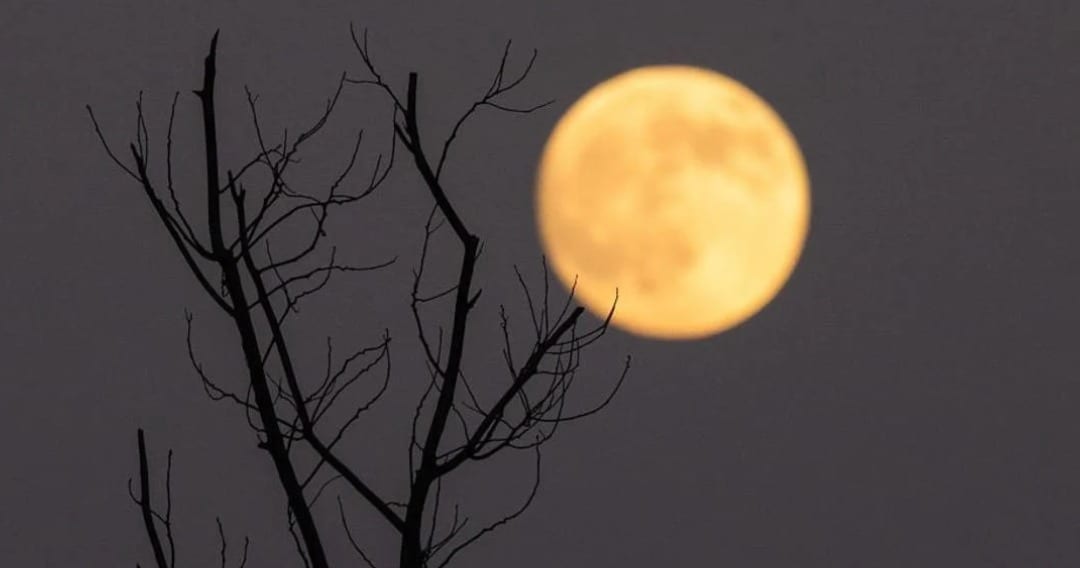
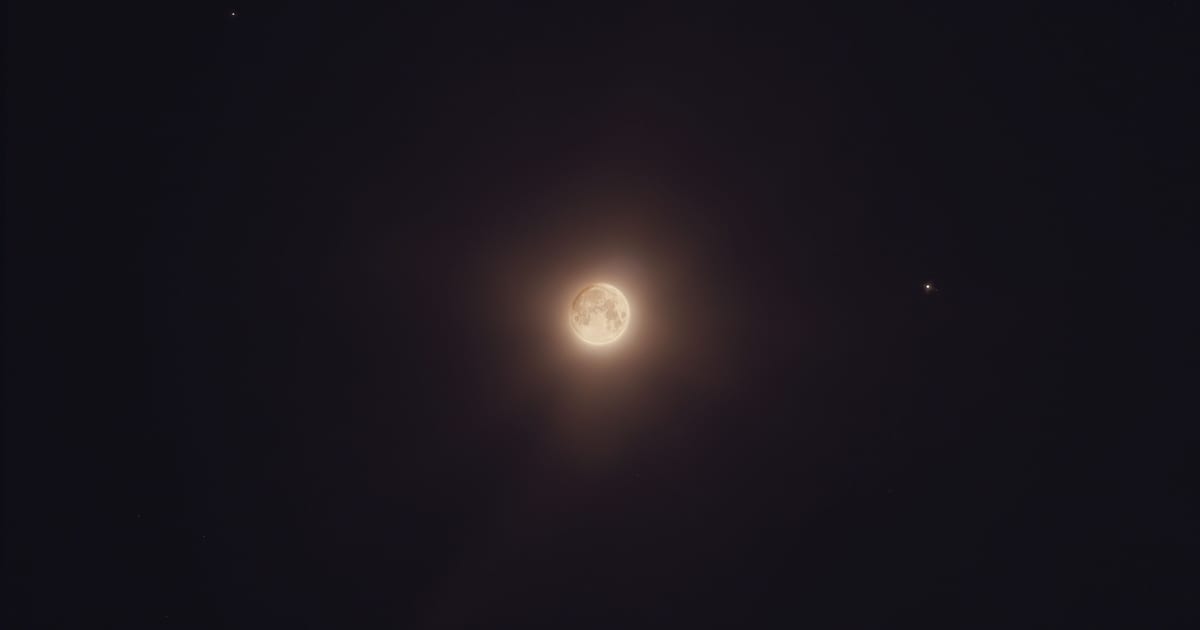
Skywatchers across the United States are in for a treat as Buck Moon makes its appearance on July 29, 2026. With peak illumination estimated for 10:36 am EDT, the eve of Wednesday as well as the evening following the Buck Moon could also provide great opportunities to view or photograph an almost-full lunar disk. However, with heavy precipitation and thunderstorms predicted in much of the Midwest, Northeast, and Southeast, skywatching conditions may not be great everywhere.

That said, residents of some states may yet have clear skies ideal for photography of the Full Moon. Based on weather maps for July 29, 2026 (which are subject to change), some of the states, along with their top skywatching spots, are listed as follows:
1. California: The Joshua Tree National Park offers some of Southern California's darkest views of the night sky and so will be a great spot to experience the Buck Moon from. The Anza-Borrego Desert State Park is also a good choice.
2. Nevada: Valley of Fire State Park and Death Valley National Park could not only offer dark skies but also allow for image composition with badlands during twilight.
3. Indiana: Indiana Dunes National Park could offer reflection shots against a lake, while Brown County State Park is ideal for capturing the Full Moon over treetops.
4. Illinois: Beall Woods State Park also has tall trees that can really elevate your Moon photos. Apple River Canyon State Park's limestone bluffs will also be a fine feature.
5. Oregon: The Columbia River Gorge National Scenic Area and the Alvord Desert will not only provide clear skies, but the latter's plains will also be ideal for panoramic shots.
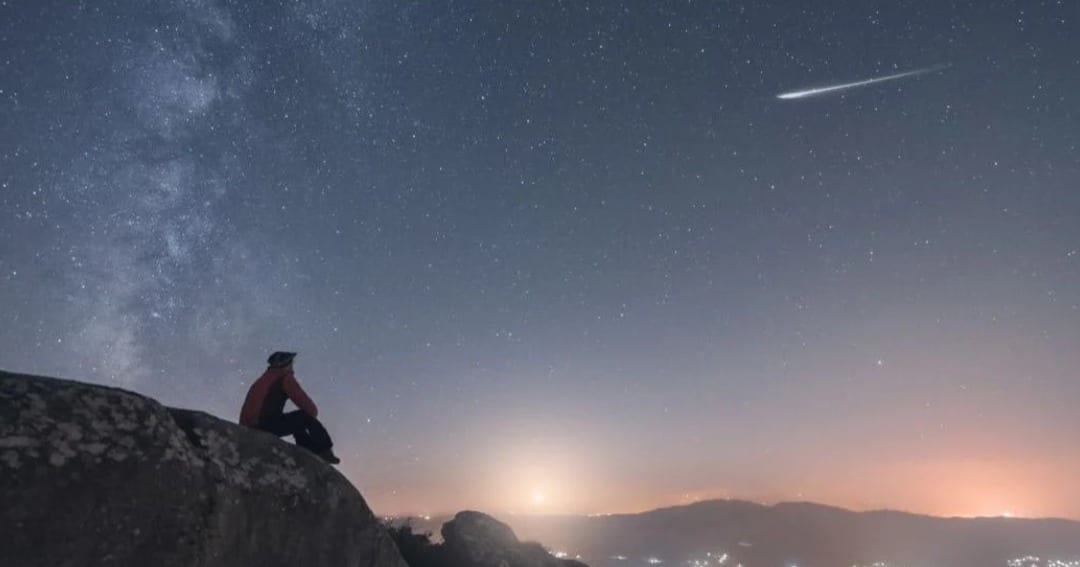
Besides Buck Moon, a few other celestial objects are also set to make appearances late in July. Being able to capture striking images of them and our natural satellite will come down to the conditions in the particular patch of the sky one is located under. Skywatchers in the US would be well-advised to follow local weather updates in the hours and minutes prior to sundown on July 28, 29, and 30; however, these aforementioned states should be a safe bet for unobstructed views given current forecasts.
Frequently Asked Questions
A. Why is July's Full Moon called the "Buck Moon?"
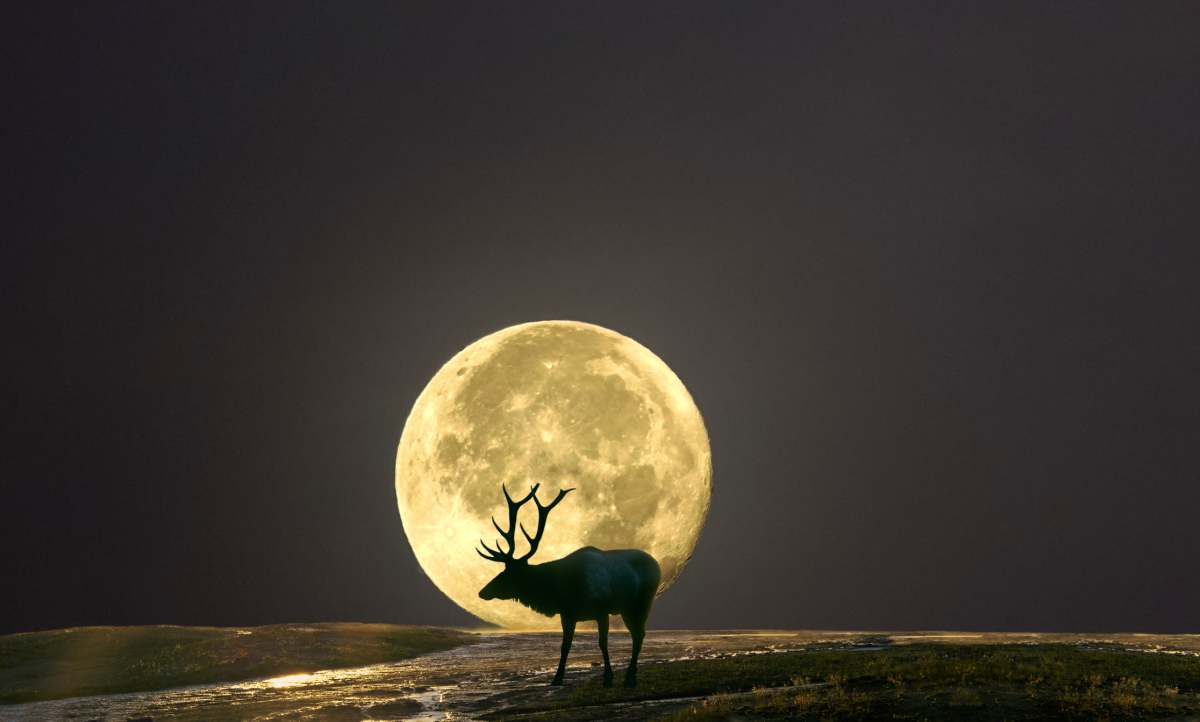
The name "Buck Moon" comes from the growth of antlers that takes place in bucks, or male deer, during this time of the year.
B. Can I see other celestial bodies during Buck Moon?
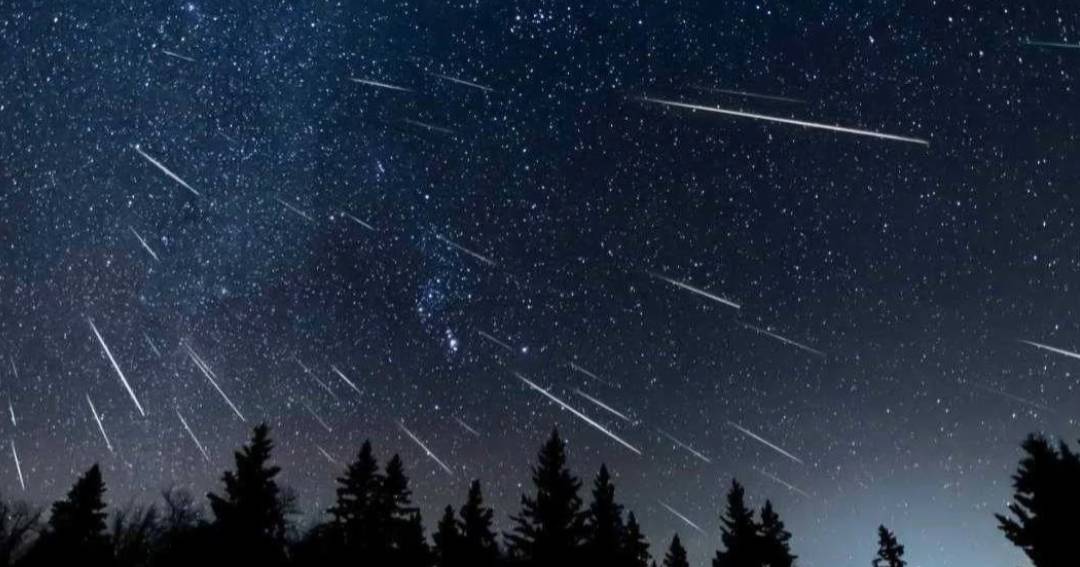
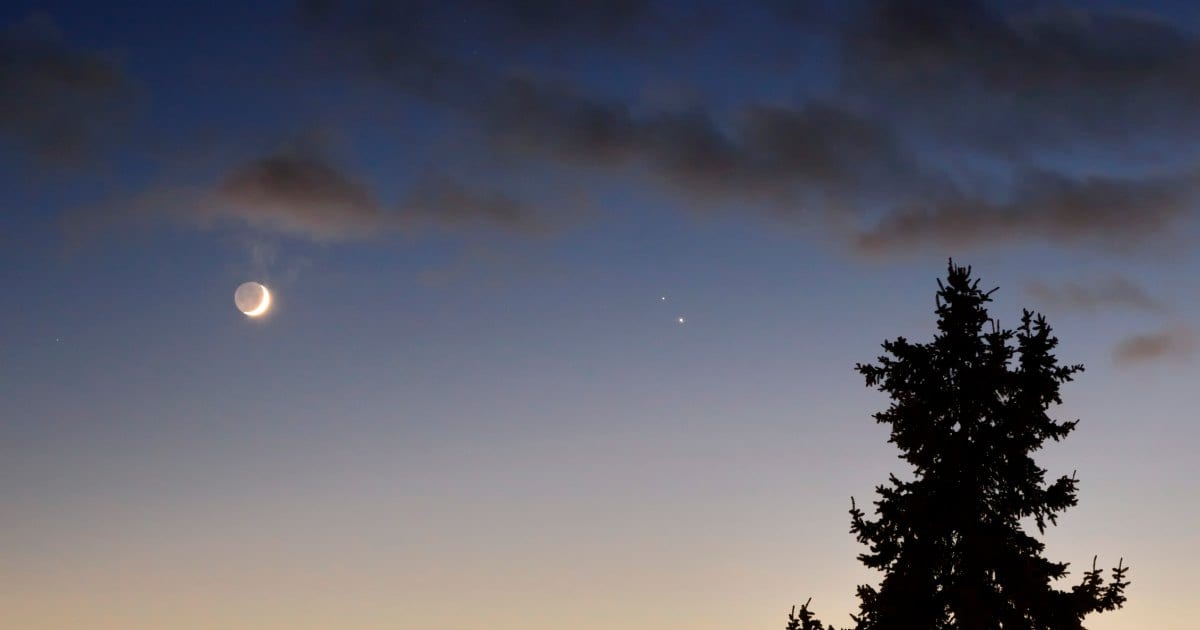
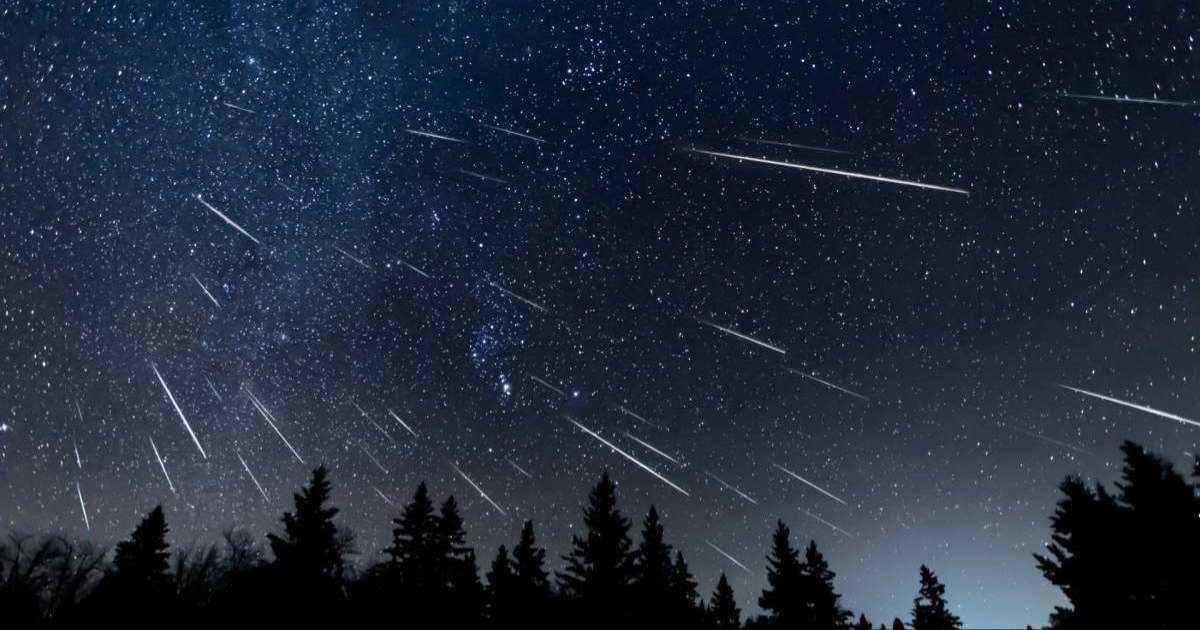
The Moon will be nestled among the 7 stars of the constellation Capricornus, the sea goat. However, its brightness will make spotting the stars difficult. The bright moonlight will also affect the visibility of the Delta Aquariid and Alpha Capricornid meteor showers that are projected to reach peak activity in the overnight hours between July 30 and 31.
C. Will Buck Moon be larger than other full moons?
The Buck Moon will not be significantly larger than other Full Moons, although observing it near the horizon will make it seem unusually large, thanks to the way our brain processes visual information.
More on Starlust
Buck Moon 2026: How does July's Full Moon affect tides on Earth?
Buck Moon myths and facts: What actually happens during July's Full Moon