Southern Delta Aquariids meteor shower to peak tonight: Will it be visible in the U.S.?
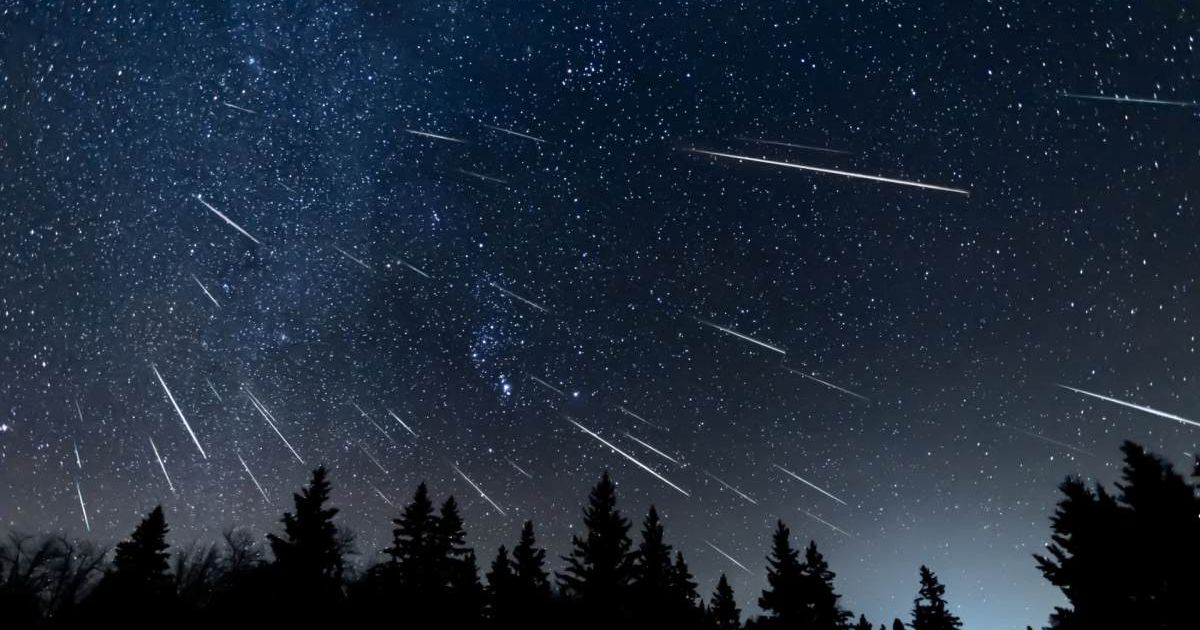
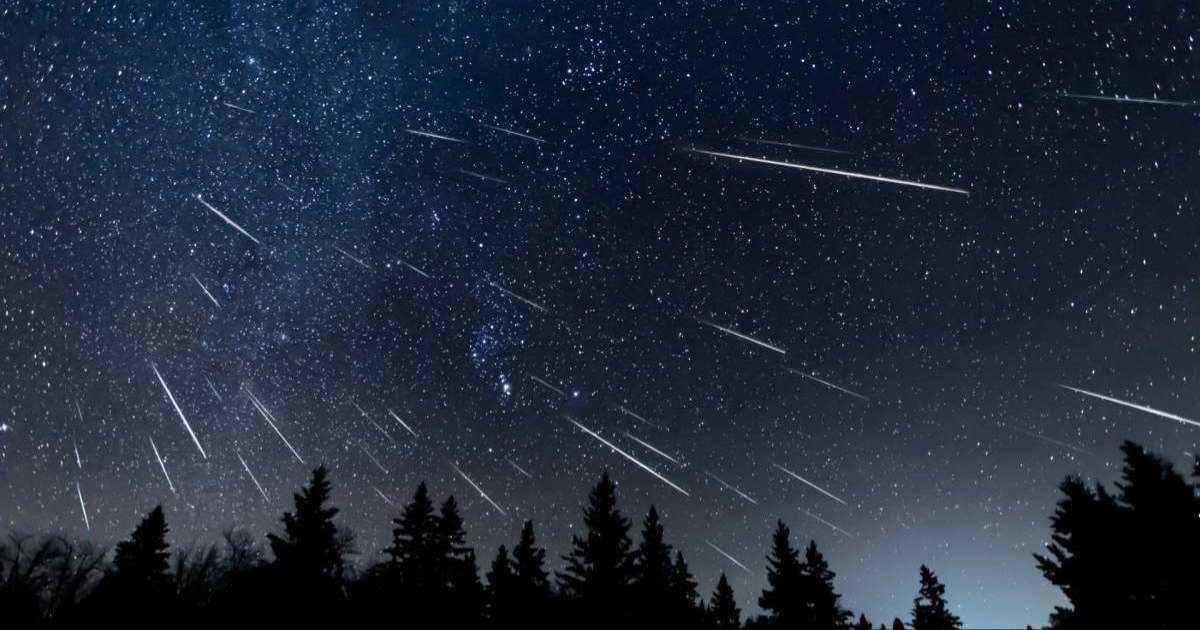
The Southern Delta Aquariid meteor shower will reach its peak tonight, July 30, into the early hours of tomorrow, July 31, says the American Meteor Society (AMS). One can spot up to 25 meteors every hour under a dark sky with no Moon. Interestingly, the Alpha Capricornids are also peaking tonight, offering skygazers the possibility of witnessing two events simultaneously. But what do the actual chances look like?
Where do the Aquariids come from?
The Aquariids meteors are suspected to originate from comet 96P/Machholz, which orbits the Sun once about every five years. Discovered by Donald Machholz in 1986, the comet measures about 4 miles (6.4 kilometers) across. As Earth passes through the debris trail of this comet, leftover chunks of material burn up in the atmosphere, creating bright streaks of light.
Where to look for the Delta Aquariid meteor shower?
The radiant (apparent point of origin in the sky) of the Delta Aquariids is the constellation Aquarius. This meteor shower's name is a combination of that of the constellation and its third brightest star, Delta.
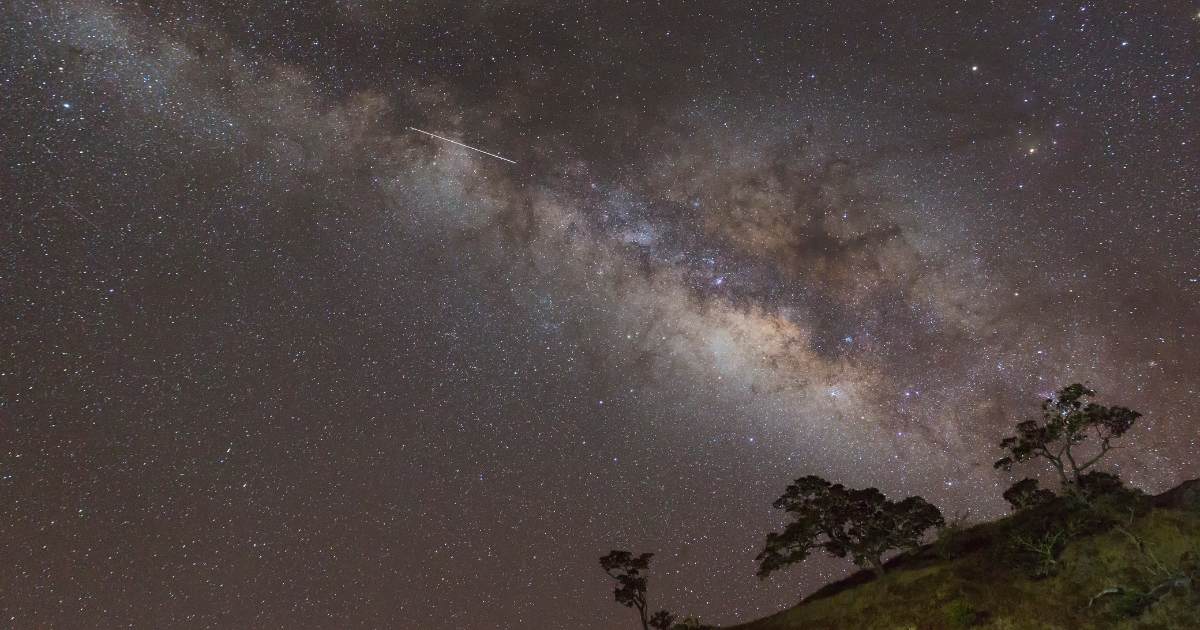
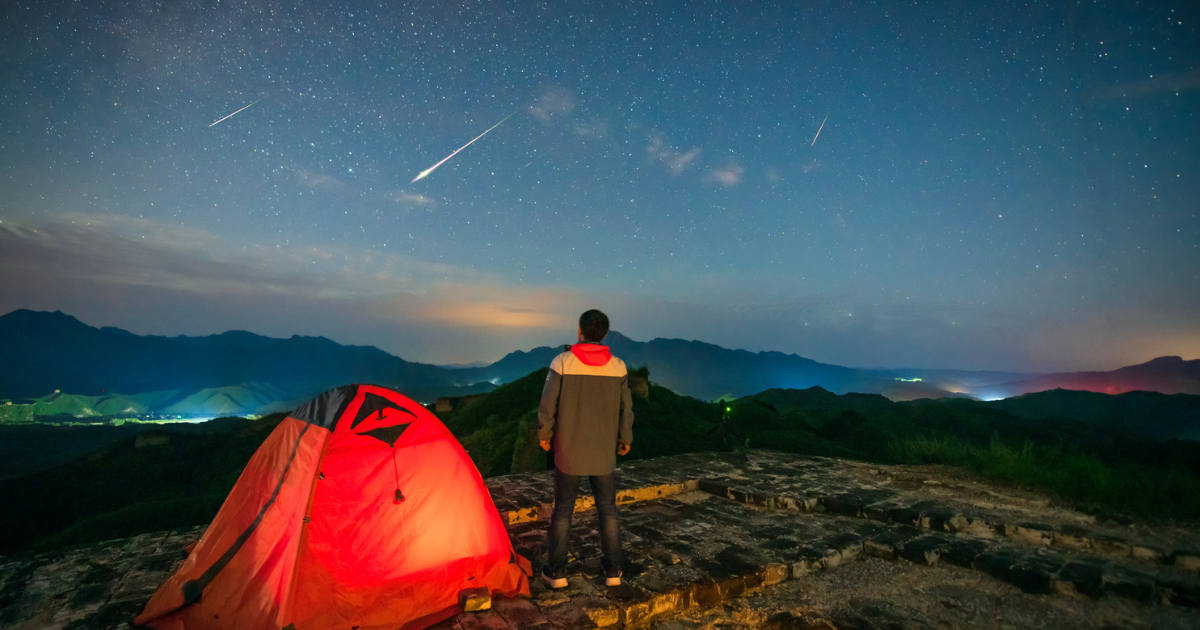
As the name suggests, the Southern Aquariids can be best viewed in the Southern Hemisphere, but viewers in southern latitudes of the Northern Hemisphere also have a fair chance to spot them. NASA advises looking halfway between the horizon and the zenith and 45 degrees from the constellation of Aquarius to observe the meteors.
Alpha Capricornids to peak with Delta Aquariids
The Alpha Capricornid meteor shower will also peak tonight, but spotting it would be hard, as it rarely produces more than five meteors per hour, says the AMS. However, this shower is known for producing bright meteors, which can be seen on either side of the equator. These meteors are said to be produced by comet 169P/NEAT, and their radiant is the constellation Capricornus.
Will they be visible in the U.S.?
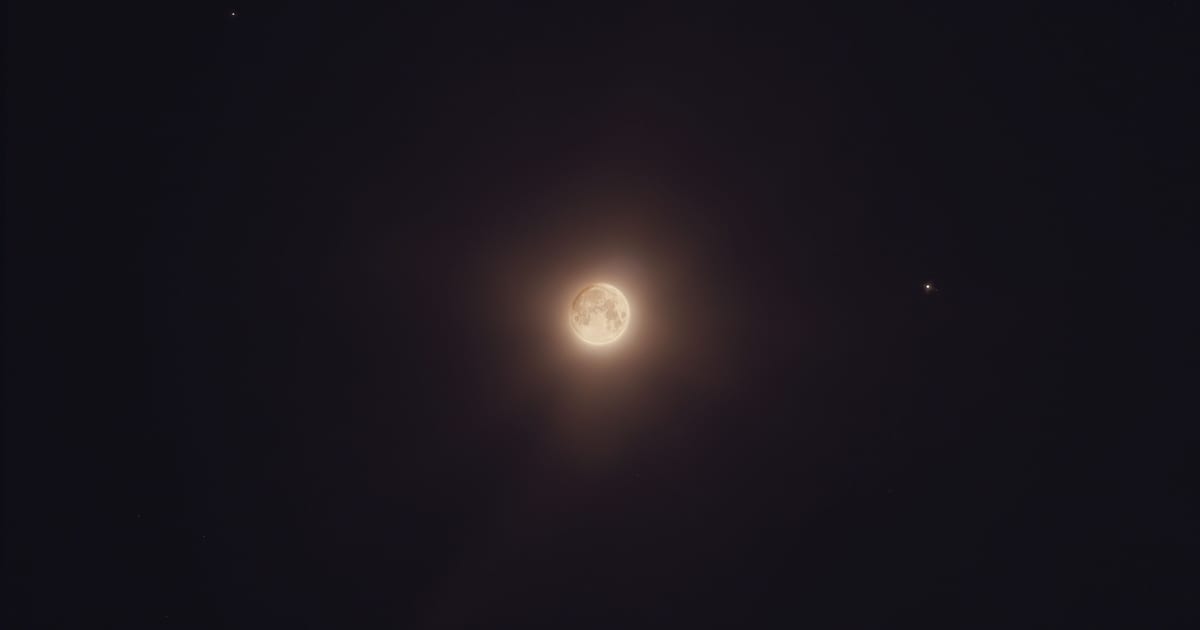
The southern latitude states like Texas and Florida could get lucky in spotting the Aquariids meteors; however, the visibility of both showers is expected to be compromised in the wake of July 29's Full Buck Moon. 100% and 97% of the Moon will be illuminated on July 30 and 31, respectively, according to NASA's Daily Moon Guide. Weather will also be a major factor.

Skywatchers can, however, still try their luck to catch a glimpse. The best time for viewing the Delta Aquariids is early morning. For the Capricornids, on the other hand, the best time is late in the night when the Moon has set, and the radiant has gained some altitude. But if not in late July, the coming month will also provide ample opportunity, with the Aquariids and Capricornids active till August 23 and 15, respectively, according to AMS. The Perseid meteor shower, which can produce between 50 and 100 meteors per hour under a clear, dark sky, is also active now and will peak on August 12, when the Moon is new.
More on Starlust
Chicxulub impact: How the dino-killing asteroid may have burned everything in an hour or two
Total Solar Eclipse 2026: City-wise timings to watch the rare August 12 event in US and Europe