✕
Astronomy Constellation Deep Sky Objects Skywatching Instruments Spaceflight Videos
Home / Galleries

NASA offers a fresh look at how astronauts could live at future Moon Base

Astronomy May 27, 2026
BY DISITA SIKDAR
Astronaut Standing On The Moon Looking Towards Sun Rise On A Distant Earth - stock photo (Image Credits: Peepo/Getty Images)
NASA unveils stunning visuals of future Moon Base living, astronaut exploration, and futuristic lunar transport vehicles.
12 Photos
1 / 12
NASA's Moon Base to become humanity's abode in the lunar South Pole
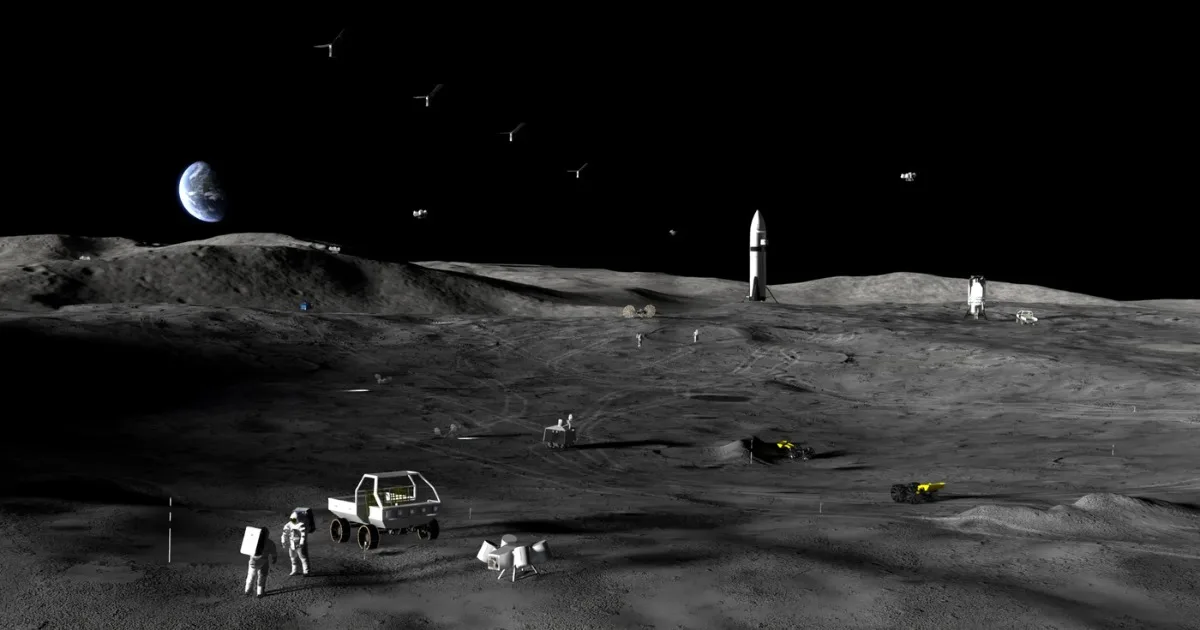
IMAGE SOURCE: NASA/EDMY S. CRUZ REYES

NASA's Moon Base to become humanity's abode in the lunar South Pole

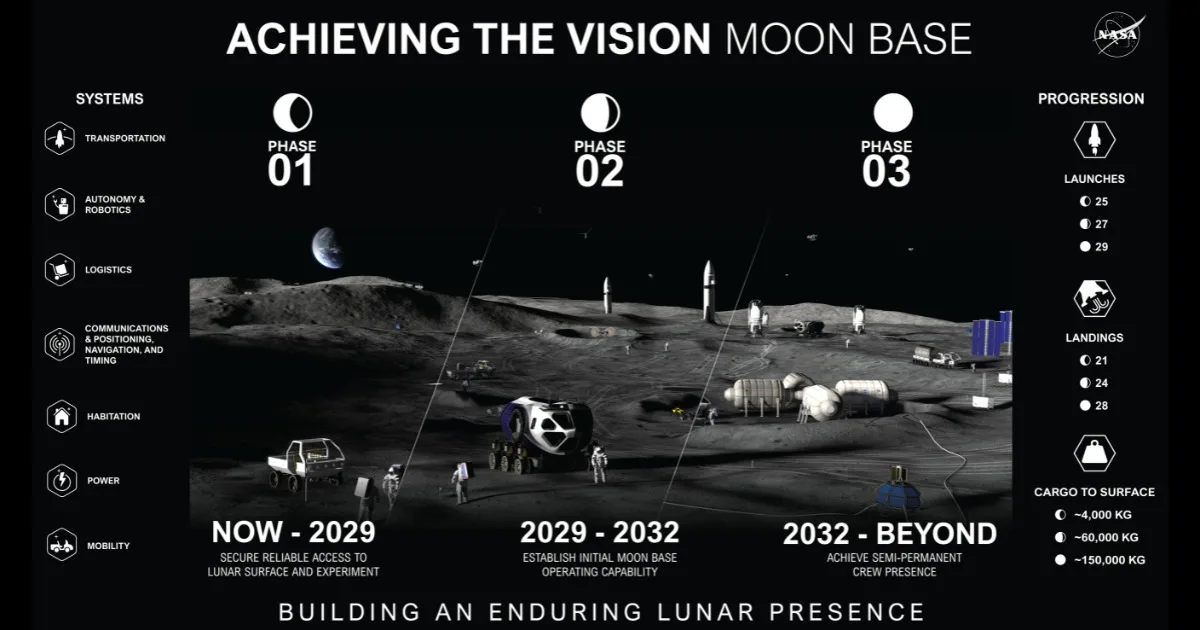
The Moon Base will serve as the home base for Artemis astronauts as NASA prepares to establish humanity’s first long-term lunar outpost near the Moon’s South Pole. For the same, NASA has joined hands with international space agencies, industry leaders, and researchers to take a step towards establishing a lunar presence in the coming years. Together, they have designed the base in a way that would enable astronauts to live and work on the Moon.

The image shows an illustration of the proposed Moon Base at the lunar South Pole. NASA recently revealed its three-phase, multi-year plan to establish a base on Earth's only natural satellite and sustain life on it.

2 / 12
Phase I marks the first steps for a permanent human presence on the Moon
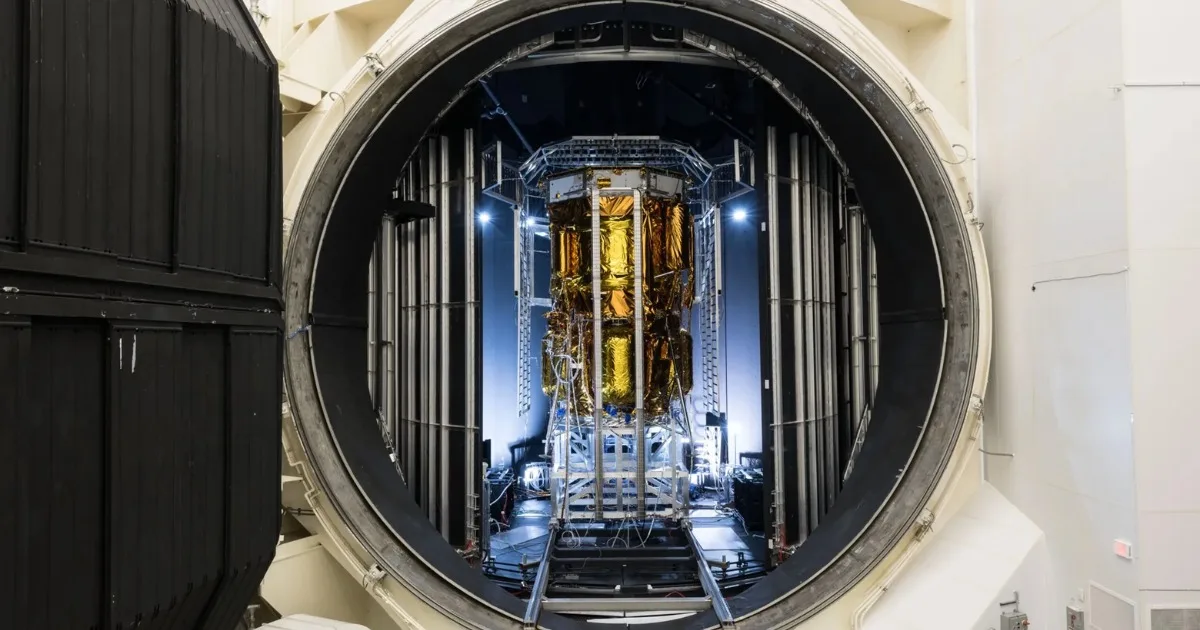
IMAGE SOURCE: NASA

Phase I marks the first steps for a permanent human presence on the Moon

The first phase of the Moon Base project runs from now through 2029, focusing primarily on learning, testing, and building. During this stage, NASA is sending a series of robotic missions to explore the Moon’s south pole region. The aim of this phase is to help scientists study the rugged terrain, test new technologies, and prepare the ground for future crewed operations on the lunar surface.

The image is an illustration shared by NASA that shows how they are planning to conduct the exploration on the lunar surface.

3 / 12
Blue Origin to play important role in Phase I of NASA's Moon Base plans

IMAGE SOURCE: NASA

Blue Origin to play important role in Phase I of NASA's Moon Base plans

Blue Origin’s uncrewed Blue Moon Mark 1 lander will support Phase One of NASA’s Moon Base development near the lunar South Pole. Part of NASA’s Commercial Lunar Payload Services (CLPS) initiative, this mission is designed to reduce risks for future Artemis landings. Named "Endurance," the lander will test critical technologies such as precision landing, cryogenic propulsion, and autonomous navigation. Endurance will also deliver NASA payloads, including Stereo Cameras for Lunar Plume-Surface Studies and a Laser Retroreflective Array, which enables orbiting spacecraft to determine precise locations using reflected laser light.

The image shows how the environmental testing of Blue Origin’s Blue Moon Mark 1 (MK1) lunar lander was completed inside the Thermal Vacuum Chamber at NASA’s Johnson Space Center in Houston.

4 / 12
Uncrewed LTVs will pave the way for human operations
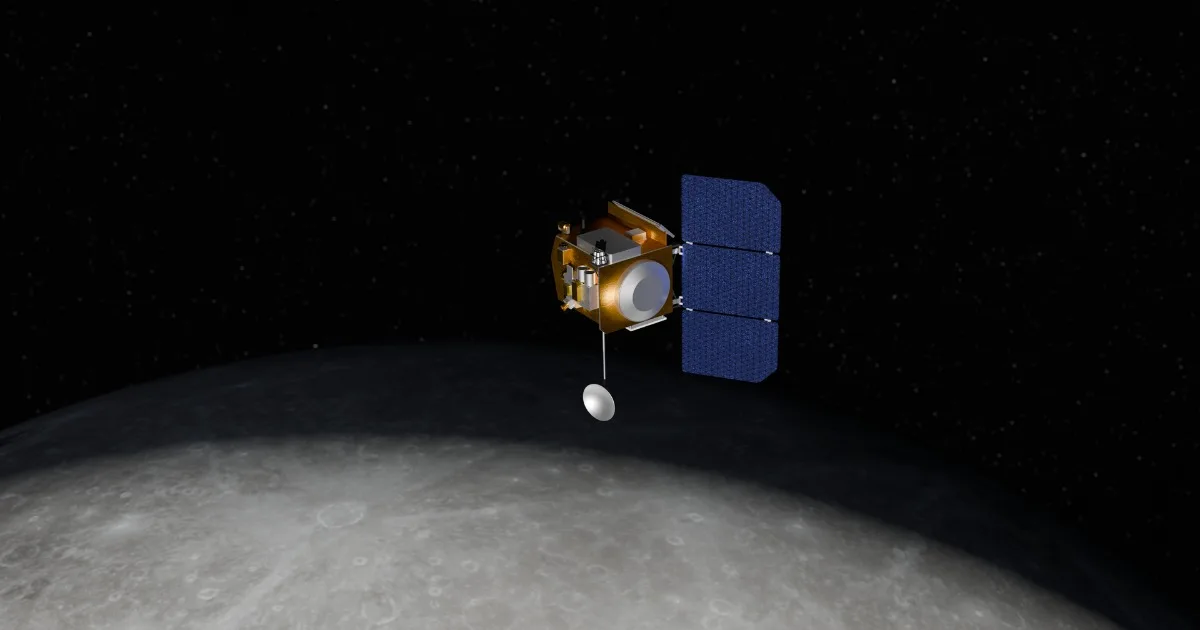
IMAGE SOURCE: NASA

Uncrewed LTVs will pave the way for human operations

NASA is aiming to deploy crewed and uncrewed Lunar Terrain Vehicles (LTVs) to establish a foundation for long-term surface mobility. Operating autonomously, uncrewed LTVs will conduct early exploration and prepare the lunar surface before human operations begin. They are expected to operate for at least one year and travel between 497 and 559 miles. Crewed LTVs will allow astronauts to move across longer distances on the rugged lunar surface. Built to endure the harsh lunar environment, these rovers can climb slopes up to 20 degrees and survive for up to 150 hours in freezing, permanently shadowed regions of the Moon.


The image portrays an artist’s concept design of NASA’s Lunar Terrain Vehicle.

5 / 12
How NASA plans to facilitate navigation and communications on the Moon
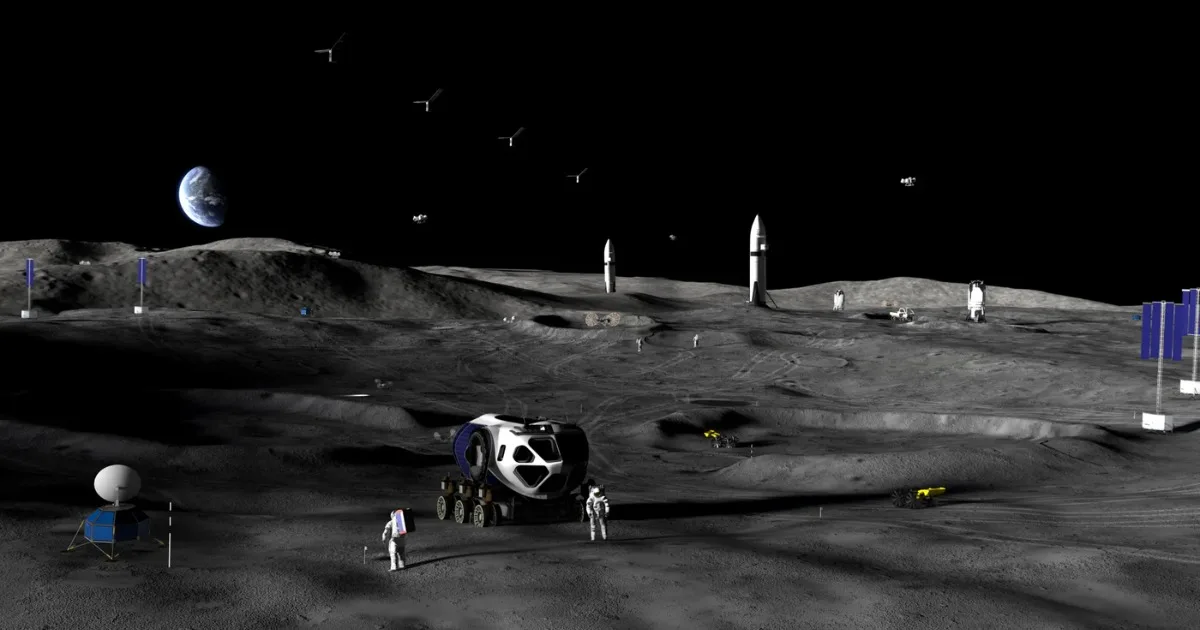
IMAGE SOURCE: NASA

How NASA plans to facilitate navigation and communications on the Moon

During Phase I of the Moon Base operations, NASA will deploy an initial network of communication and observation satellites around the Moon. Later, an additional provider-developed constellation will be added to expand these navigation services. These orbital assets will support high-bandwidth communication between Earth, cislunar space, and the lunar surface for complex science and exploration activities. Alongside this, NASA plans to test interoperability standards through LunaNet, a developing lunar communications and navigation architecture.

This image is an artist’s rendering showing a conceptual lunar orbiter designed to support communications, positioning, and navigation for future lunar exploration and operations.

6 / 12
Phase II of NASA's Moon Base will begin 2029 onwards

IMAGE SOURCE: NASA

Phase II of NASA's Moon Base will begin 2029 onwards

  1. Phase II of the Moon Base development will span from 2029 to 2032, as per NASA's current timeline. During this period, the agency is expected to deploy advanced solar power systems, fission reactors, and radioisotope power systems to sustain the base. This phase will also introduce upgraded rovers, MoonFall drones, and early habitation elements to support longer human stays.

The image is concept art depicting early human habitation on the Moon.

7 / 12
JAXA to contribute with a mobile astronaut habitat during Phase II
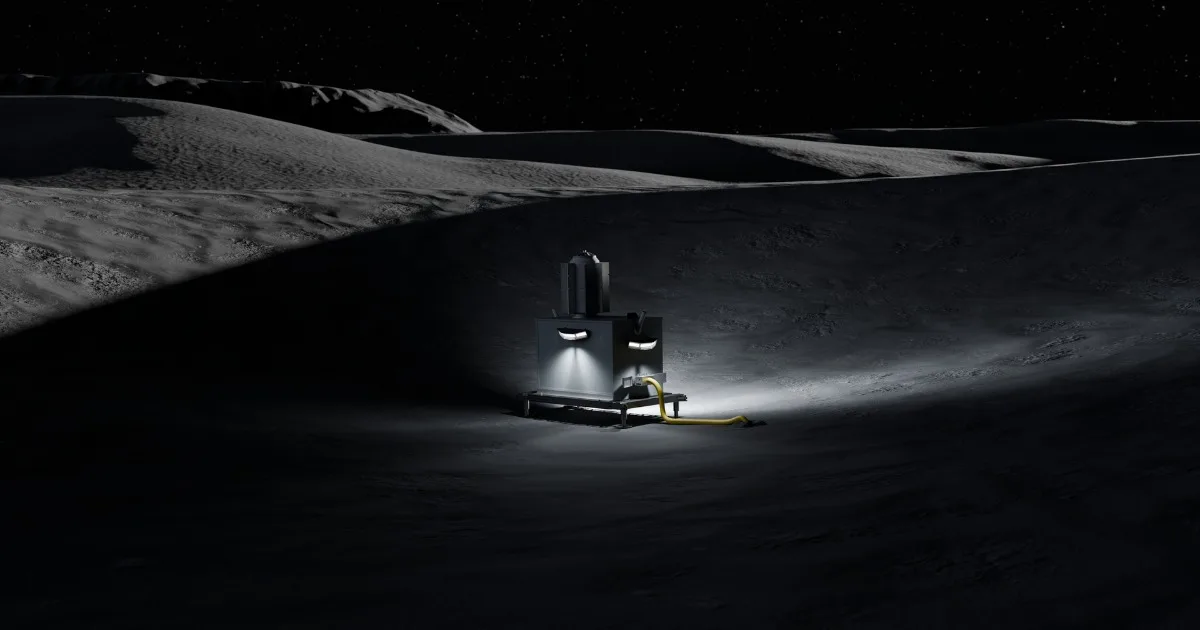
IMAGE SOURCE: NASA

JAXA to contribute with a mobile astronaut habitat during Phase II

During Phase 2, NASA will deploy a pressurized rover from the Japan Aerospace Exploration Agency (JAXA), which will allow astronauts to safely travel and operate near the lunar South Pole without wearing spacesuits inside the vehicle. Functioning as a mobile habitat, the rover can support two astronauts in a fully pressurized, life-sustaining environment for up to 30 days. Built for endurance in harsh environments, the rover has an expected lifespan of 10 years.

This is a concept image depicting JAXA’s pressurized rover on the surface of the Moon.

8 / 12
Nuclear power to sustain human presence on the Moon
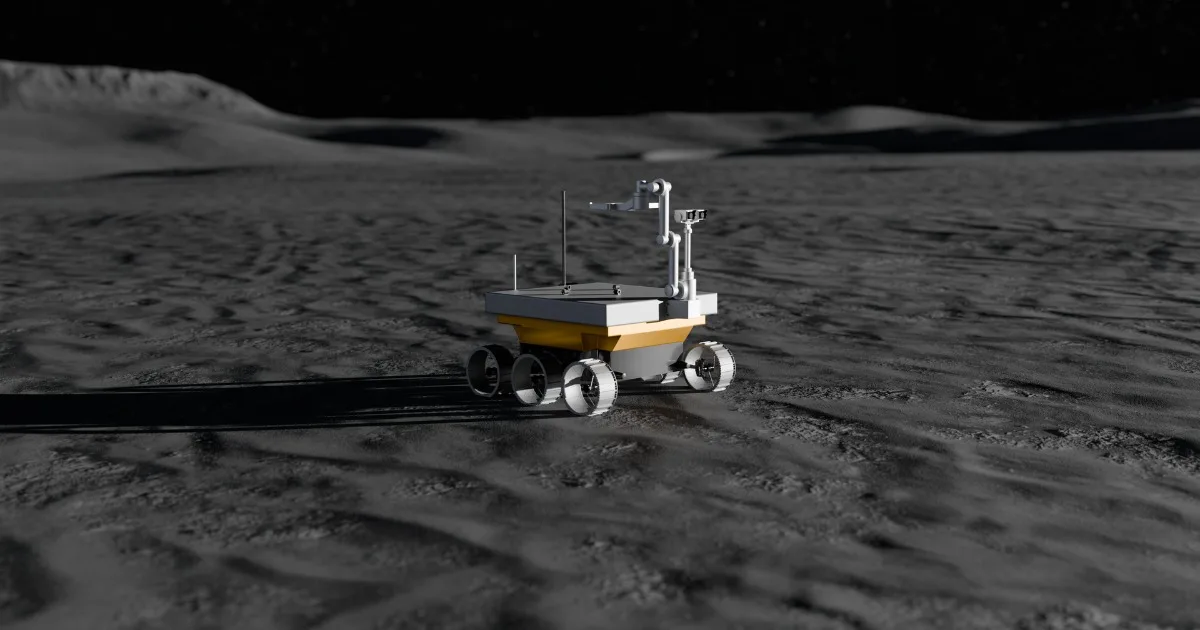
IMAGE SOURCE: NASA

Nuclear power to sustain human presence on the Moon

NASA will utilize radioisotope thermoelectric generators (RTGs) during Phase II operations to demonstrate power technology, operational efficiency, and strategies for setting up large-scale nuclear power systems for the lunar and Martian surfaces. These RTGs can produce significant amounts of continuous power, crucial for surviving the freezing lunar night and exploring permanently shadowed regions.

The image shows an artist’s concept of a Radioisotope Thermoelectric Generator (RTG) during Phase II of NASA’s Moon Base development on the lunar surface.

9 / 12
Special rovers to assist with preparing lunar sites for human habitats
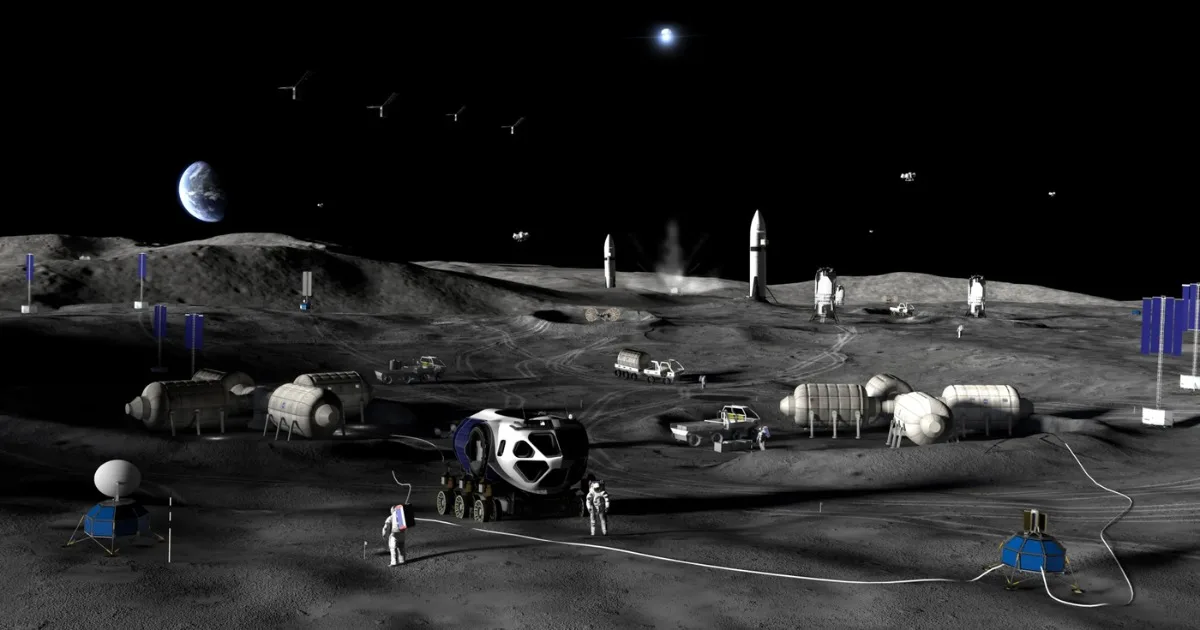
IMAGE SOURCE: NASA

Special rovers to assist with preparing lunar sites for human habitats

As Phase Two progresses, NASA will deploy specialized site preparation and logistics rovers to the lunar South Pole. The Lunar Terrain Vehicle (LTV) Gen 2 and additional rovers from industry and international partners will assist with cargo transport and logistics for base construction. These rovers will also perform regolith excavation and soil compaction to prepare the lunar surface for permanent human habitats.

The image shows an artist’s imagination of a logistics rover operating on the Moon.

10 / 12
Phase III to introduce crew rotation for sustained presence
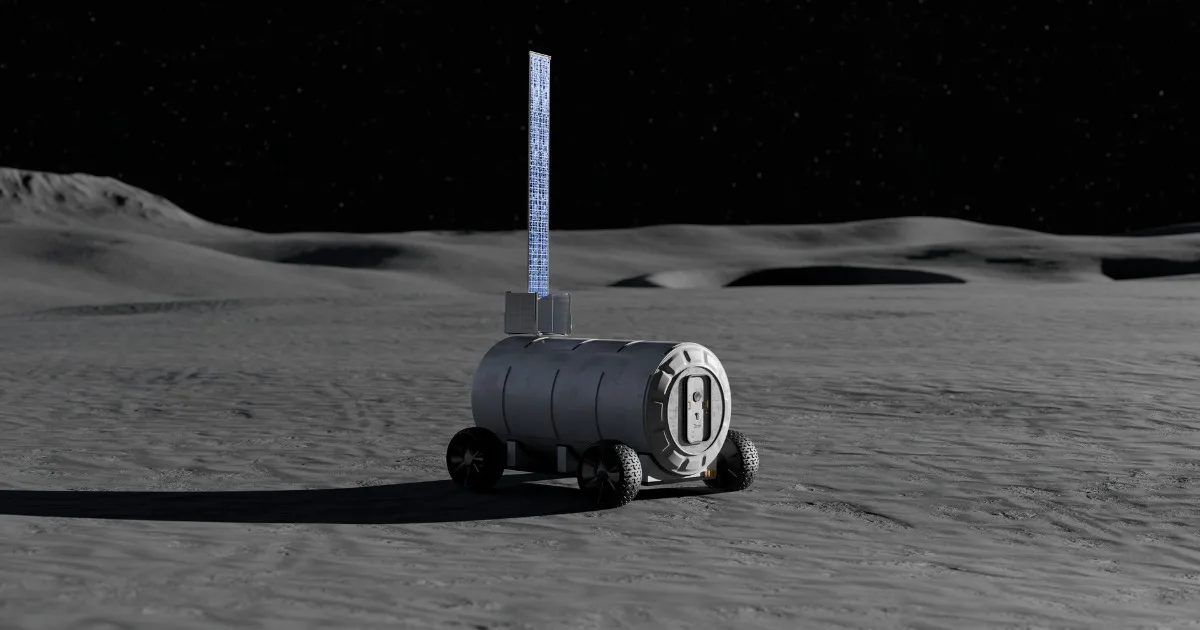
IMAGE SOURCE: NASA

Phase III to introduce crew rotation for sustained presence

  1. The final phase—Phase III—of the Moon Base development plan is expected to begin in 2032. During this phase, the primary goal is to make long-term survival on the Moon a reality. By establishing periodic crew rotations alongside continuous robotic activity on the lunar surface, NASA will use this phase to transition towards sustained lunar habitability.

The image is a conceptual rendering of sustained human presence on the lunar surface.

11 / 12
Phase III to help transition from individual modules to a unified lunar complex
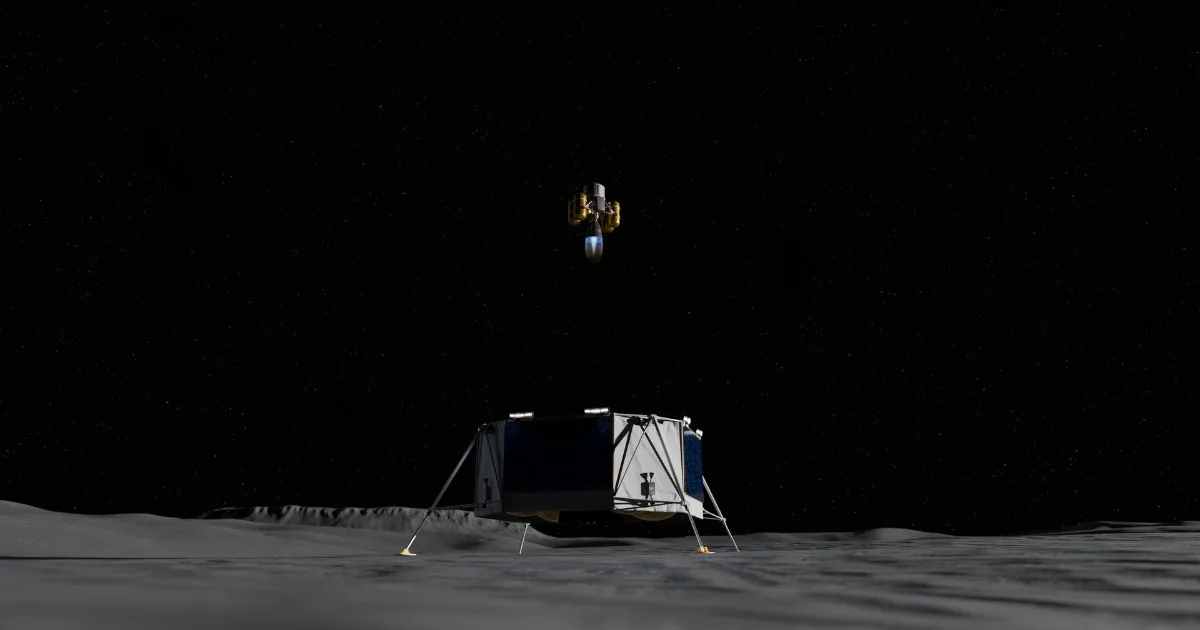
IMAGE SOURCE: NASA

Phase III to help transition from individual modules to a unified lunar complex

In Phase III, NASA plans to dramatically expand lunar habitability. Building on the foundational efforts from Phase II, the agency will start making use of larger habitation modules equipped with more advanced life support systems and environmental controls. This phase is also expected to introduce connecting airlocks and module aggregation nodes, linking individual structures into a unified lunar complex.

The image is an illustration of NASA’s planned habitation module on the lunar surface.

12 / 12
Phase III also involves return cargoes to Earth for scientific analysis
IMAGE SOURCE: NASA

Phase III also involves return cargoes to Earth for scientific analysis

During Phase III, NASA also plans to introduce systems capable of returning up to 1,102 pounds (500 kg) of material from the lunar surface to Earth. These uncrewed return cargoes will transport scientific samples, critical hardware, and research payloads for scientists to analyze.

The image shows an artist’s rendering of uncrewed cargo return activities on the Moon.

MORE GALLERIES

5 incredible facts you didn't know about the universe 5

5 incredible facts you didn't know about the universe

Jul 9, 2026
"Where are they?": Brian Cox reveals why we still haven’t found aliens 6

"Where are they?": Brian Cox reveals why we still haven’t found aliens

Jul 9, 2026
An asteroid could hit Earth with the energy of 22 atomic bombs—and NASA has a date for it 5

An asteroid could hit Earth with the energy of 22 atomic bombs—and NASA has a date for it

Jul 8, 2026
5 famous people who claimed they saw UFOs 6

5 famous people who claimed they saw UFOs

Jul 8, 2026
“Just show the alien”: Neil deGrasse Tyson urges greater transparency from government after UFO files release 4

“Just show the alien”: Neil deGrasse Tyson urges greater transparency from government after UFO files release

Jul 7, 2026
Why do many people still believe Moon landings were faked? 5

Why do many people still believe Moon landings were faked?

Jul 7, 2026
Space theories that may seem fictional but are strong possibilities 4

Space theories that may seem fictional but are strong possibilities

Jul 6, 2026
5 surprising facts about the Moon that most people don't know 5

5 surprising facts about the Moon that most people don't know

Jul 6, 2026
Why haven't aliens contacted us? Here's what a NASA-based scientist says 6

Why haven't aliens contacted us? Here's what a NASA-based scientist says

Jul 4, 2026
These 5 moons are the strangest in our solar system 6

These 5 moons are the strangest in our solar system

Jul 4, 2026
5 of the most mysterious UFO sightings ever reported 6

5 of the most mysterious UFO sightings ever reported

Jul 3, 2026
5 space facts that sound fake, but they're 100% real 6

5 space facts that sound fake, but they're 100% real

Jul 3, 2026
Strangest objects spotted in our own Solar System 6

Strangest objects spotted in our own Solar System

Jul 3, 2026
Scientists believe these 5 alien worlds could harbor life beyond Earth 6

Scientists believe these 5 alien worlds could harbor life beyond Earth

Jul 2, 2026
5 space myths everyone grew up hearing (that aren’t true) 5

5 space myths everyone grew up hearing (that aren’t true)

Jul 1, 2026
Rare images of the Soyuz 11 mission that cost its crew their lives 9

Rare images of the Soyuz 11 mission that cost its crew their lives

Jun 30, 2026
How Soyuz 11 cosmonauts made history before becoming the only humans to die in space 7

How Soyuz 11 cosmonauts made history before becoming the only humans to die in space

Jun 29, 2026
NASA identifies five space dangers that can make life in space brutal for astronauts 6

NASA identifies five space dangers that can make life in space brutal for astronauts

Jun 22, 2026
American company plans to 'create' gravity to stay longer in space 5

American company plans to 'create' gravity to stay longer in space

Jun 19, 2026
Neil deGrasse Tyson explains how Artemis missions would lay the groundwork for Mars exploration 5

Neil deGrasse Tyson explains how Artemis missions would lay the groundwork for Mars exploration

Jun 13, 2026
Starlust.org is part of the Scale Content Inc. publishing group.

Google Source

About Us
Editorial Guidelines
Privacy Policy
Cookie Policy
Terms of Use
Contact Us
Link to Facebook
Link to Instagram

© Scale Content Inc. 1178 Broadway, 3rd Floor #3469, New York, NY 10001, United States