Scientists have found a new cheap route to the Moon—and it could have solved a major Artemis II issue
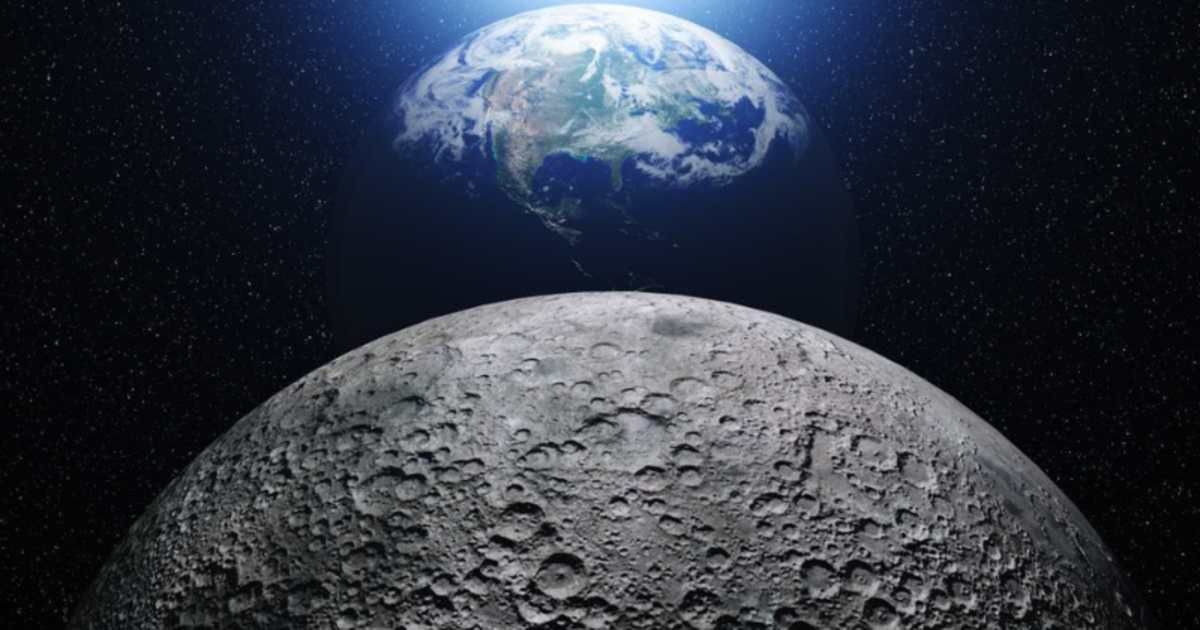
It's no secret that space missions are expensive. That is why scientists and researchers rack their brains trying to figure out the most efficient path between celestial bodies. And now, an international team of researchers claims to have found a new method of charting a more efficient route between Earth and the Moon. According to the latest study published in the journal Astrodynamics on April 10, 2026, the researchers did this by using advanced computer modeling.
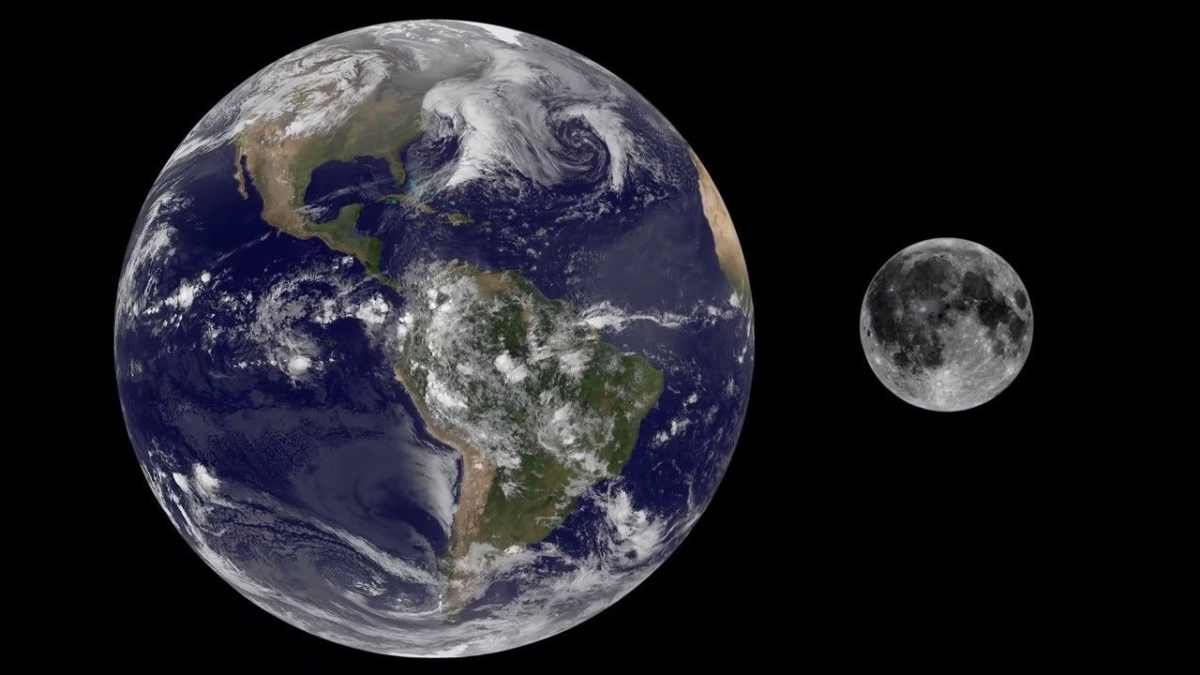
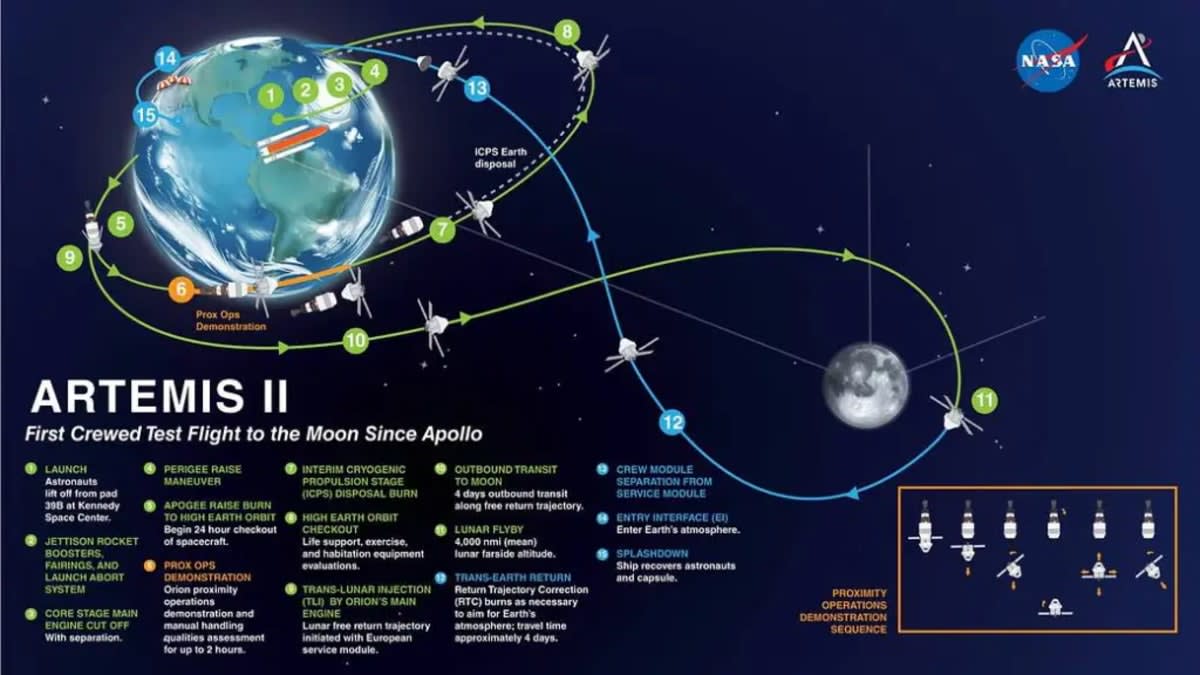
Based on the theory of functional connections, the new method helps reduce the processing power required to run complex models. Using this method, the researchers ran simulations of 30 million different routes to our closest celestial neighbor, 280,000 of which have been referenced in the study itself. While sending a spacecraft outside of the Earth, gravity is preferred as a go-to propulsion method because it saves fuel. The Artemis II mission's free-return trajectory also followed this principle. Known as the Interplanetary Transportation Network, there are several routes throughout our solar system that are determined by gravity. And in the case of the latest study, too, the cheapest route to the Moon has gravity as a major deciding factor.
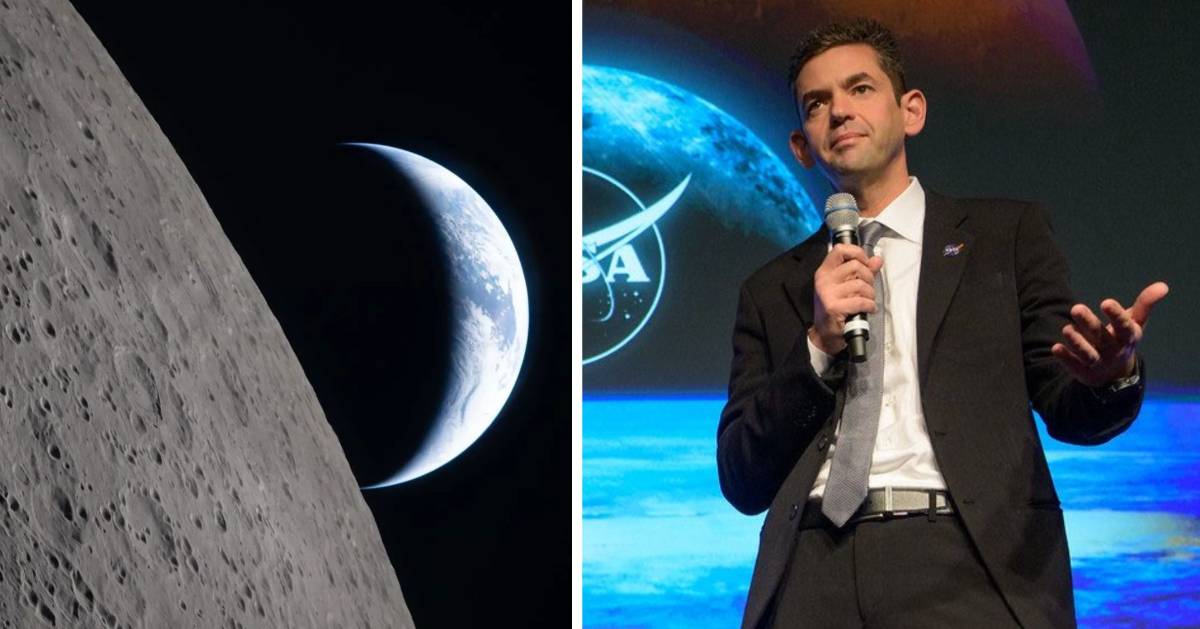
During their study, the researchers found that one need not necessarily use Earth’s closest lunar-orbit variate. Instead, it might be beneficial to opt for the variant on the opposite side. For the uninitiated, ‘variate’ refers to the natural pathway of motion that guides a spacecraft to a target orbit. "Instead of assuming it's easier to choose the part of the variate closest to Earth, we can use systematic analysis with faster methods to try to find nontrivial solutions," said co-author of the study Vitor Martins de Oliveira, a postdoctoral researcher at the Institute of Mathematics, Statistics, and Computer Science (IME) at the University of São Paulo, in a statement.
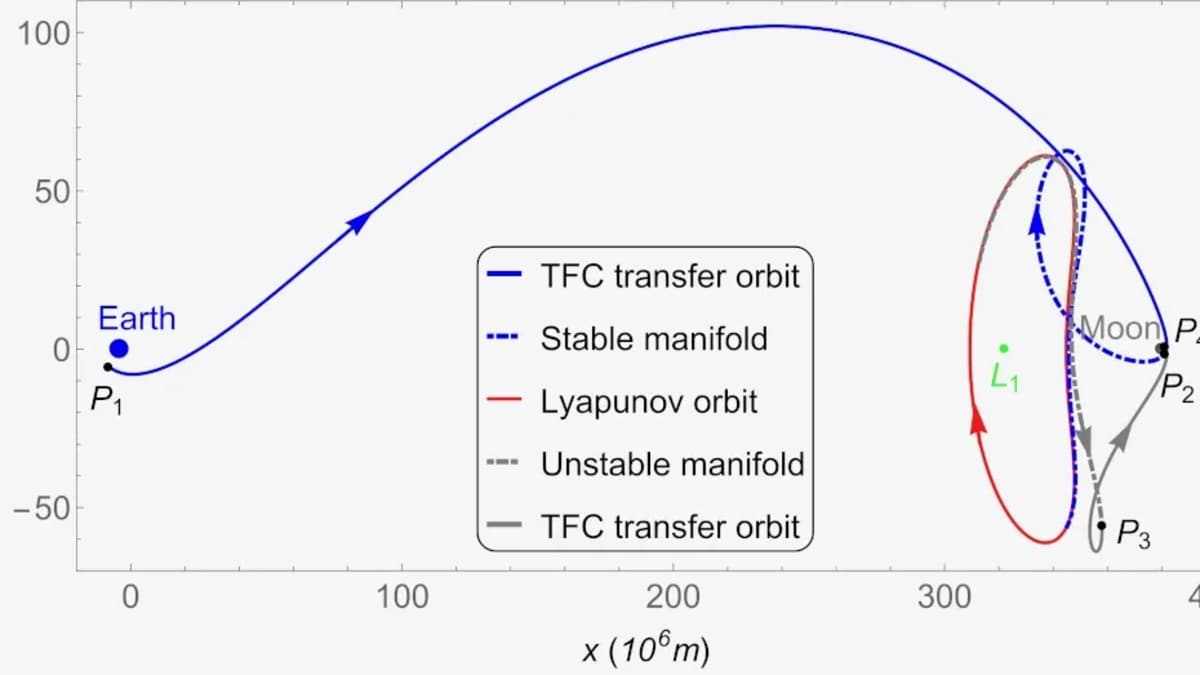
The researchers concluded that this previously hidden pathway, if used, will require 58.80 m/s less fuel than existing fuel-efficient routes. "When it comes to space travel, every meter per second equates to a massive amount of fuel consumption," noted Allan Kardec de Almeida Júnior, a researcher at the University of Coimbra and lead author of the study. Interestingly, cost-effectiveness is not the only USP of the latest reported pathway. The researchers have claimed that using this new route will help in maintaining uninterrupted communication with Earth. Citing the example of how Artemis II had its connection with the Earth interrupted for a while, Oliveira pointed out, "The Artemis II mission, for example, lost communication with Earth for a while because it was directly behind the Moon. The orbit we propose is a solution that maintains uninterrupted communication."
However, while the recently proposed route can save a significant amount of cost, this might not be the ultimate economical option for lunar travel. The researchers clarified that they only took into account the Earth's and the Moon’s gravity as the deciding factors in their study. But there can be more variables added in. And one interesting variable might be the gravity from the Sun and how it affects lunar travel. According to the team, it might just unravel even more cost-effective route maps.
More on Starlust
Earth's atmosphere hidden on the Moon may prove to be life-sustaining for future astronauts