100 'orphan galaxies' are surrounding our Milky Way—and they are just now coming into view
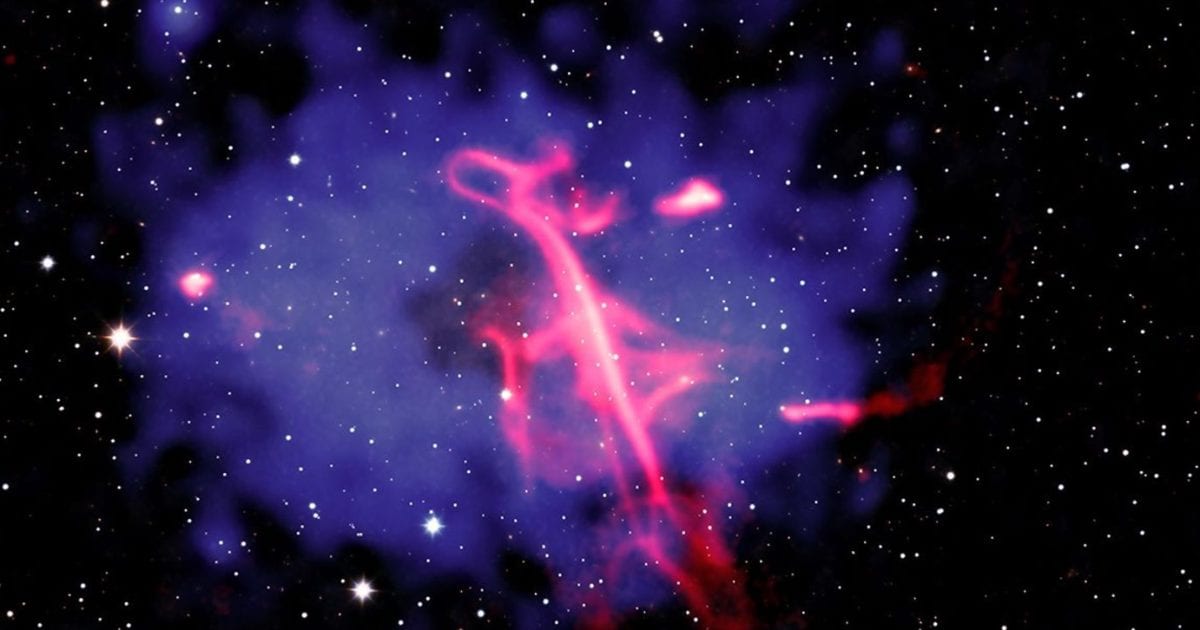
A new study by cosmologists at Durham University suggests the Milky Way may be orbited by as many as 100 undiscovered dwarf galaxies. Using a new blend of advanced supercomputer simulations and mathematical models, researchers predict the existence of these "orphan" galaxies, which have eluded detection until now. The complex calculations for the study were performed on the Cosmology Machine (COSMA), a supercomputer hosted at Durham University, per Durham University.
The findings, presented at the Royal Astronomical Society's National Astronomy Meeting at Durham University, propose that while roughly 60 satellite galaxies have been confirmed, dozens more may be orbiting our galaxy at close range. According to lead researcher Dr. Isabel Santos-Santos, these faint galaxies are "missing" from most simulations but are predicted to exist in the actual universe. The research points to these missing satellites as extremely faint galaxies, largely stripped of their dark matter by the gravitational pull of the Milky Way. This new technique, developed by the Durham team, was able to precisely track the location and characteristics of these potential galaxies.

If a new generation of powerful telescopes can observe these faint objects, it would offer strong support for the Lambda Cold Dark Matter (LCDM) model, the leading theory on the formation and large-scale structure of the universe. Professor Carlos Frenk of Durham's Institute for Computational Cosmology noted the significance of the research, stating: "If the population of very faint satellites that we are predicting is discovered with new data, it would be a remarkable success of the LCDM theory of galaxy formation."
He also highlights the collaborative power of Physics, mathematics, and advanced technology. He explains that by applying the "laws of physics" using "mathematical modelling," and solving these with a large supercomputer, scientists can make precise predictions. These predictions can then be tested by astronomers using "new, powerful telescopes." He concludes by saying, "It doesn’t get much better than this," expressing his excitement for this interdisciplinary approach that pushes the boundaries of our understanding of the universe.

The groundbreaking results were made possible by using a combination of sophisticated tools. This includes the Aquarius simulation, the most detailed model of a Milky Way-like dark matter halo ever created, and the GALFORM model, a code that has been developed over two decades to track the complex processes of galaxy evolution, as per the Royal Astronomical Society.

By integrating these models, the researchers were able to track how satellite galaxies orbiting our own for billions of years have had their dark matter and stellar mass stripped away, leaving them as extremely small, faint objects. This process, they argue, accounts for the "missing" galaxies. specficilalay, the study puts a special focus on approximately 30 newly discovered, faint objects that may be these small satellite galaxies. While scientist are still debating whether these are dwarf galaxies or just clusters of stars, the Durham researchers content they are likely a subset of the predicted faint galaxy population.
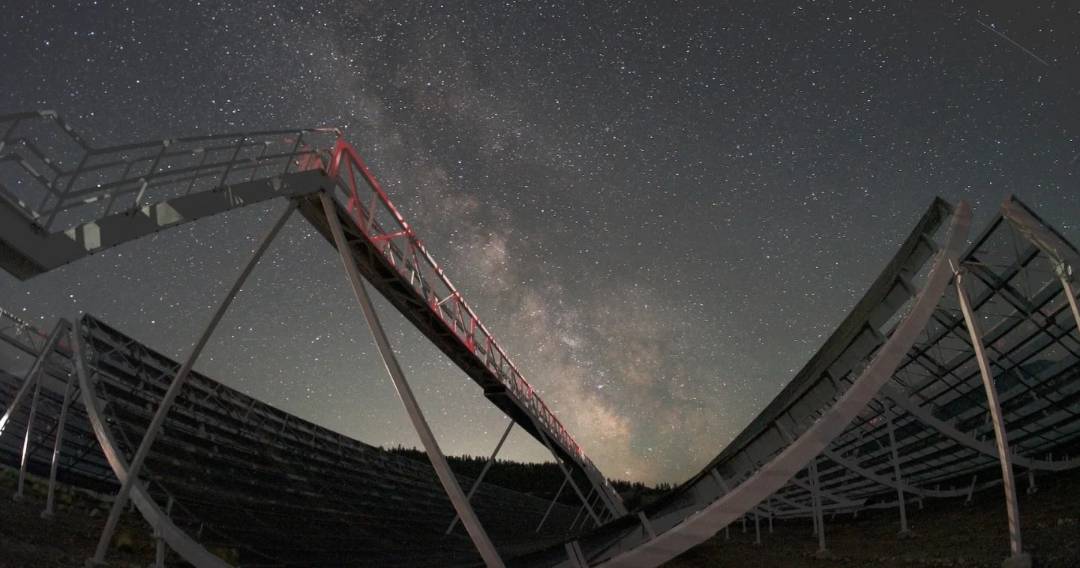
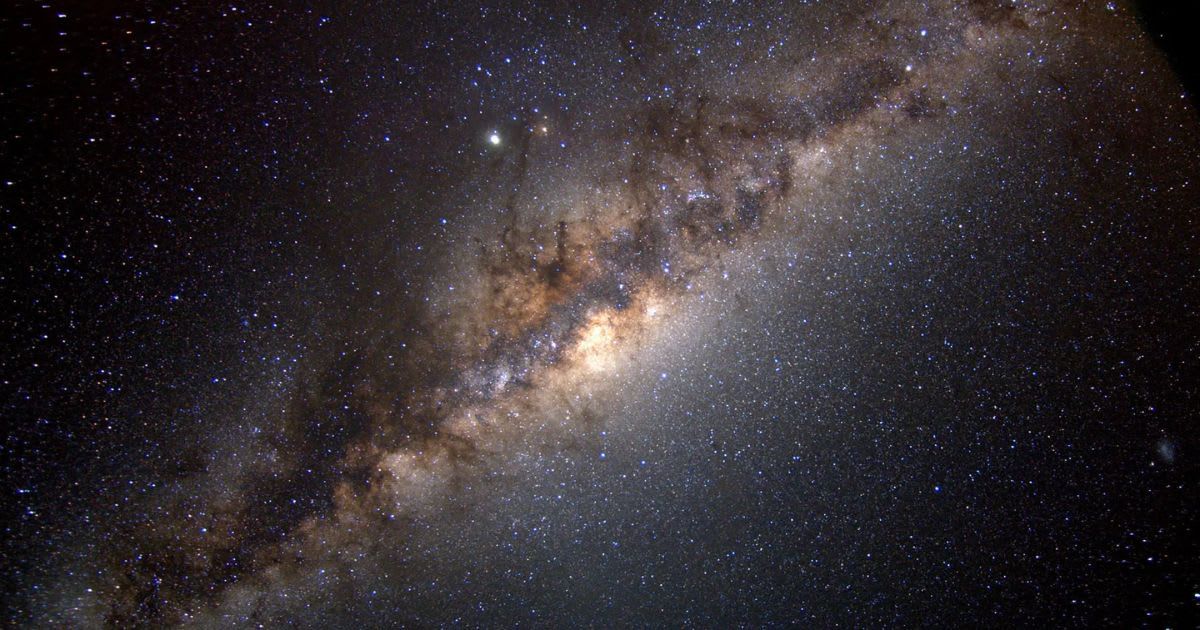
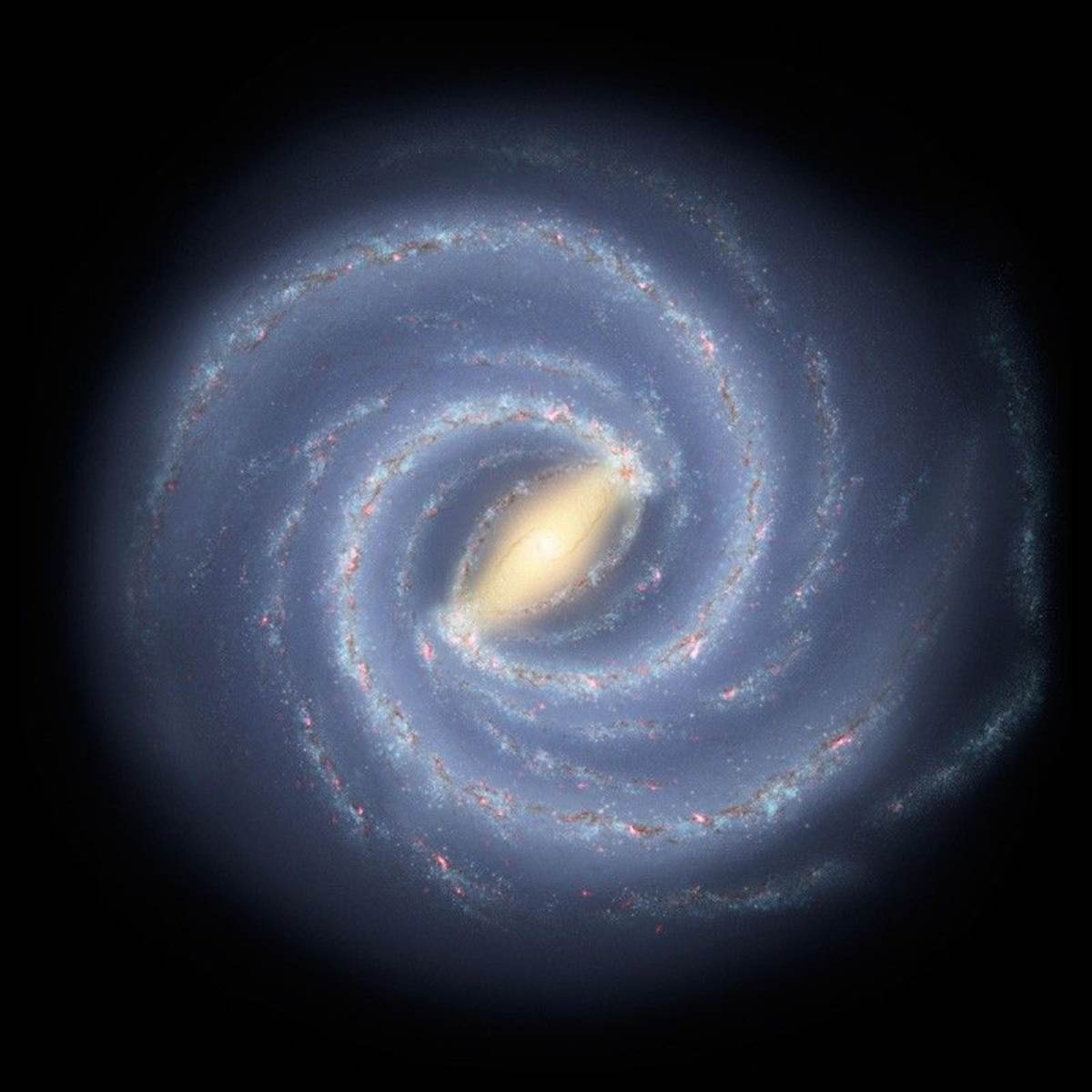
From our vantage point on Earth, the Milky Way appears as a faint, hazy band of light stretching across the night sky, giving it its name. This band is actually the central disc of our galaxy, viewed from the side. The Milky Way is a part of a galactic community called the Local Group, which contains over 50 galaxies, ranging from small dwarf galaxies to our closest large neighbor, the Andromeda galaxy, as per NASA.