Formation of universe's first stars 13 billion years ago replicated in a groundbreaking simulation
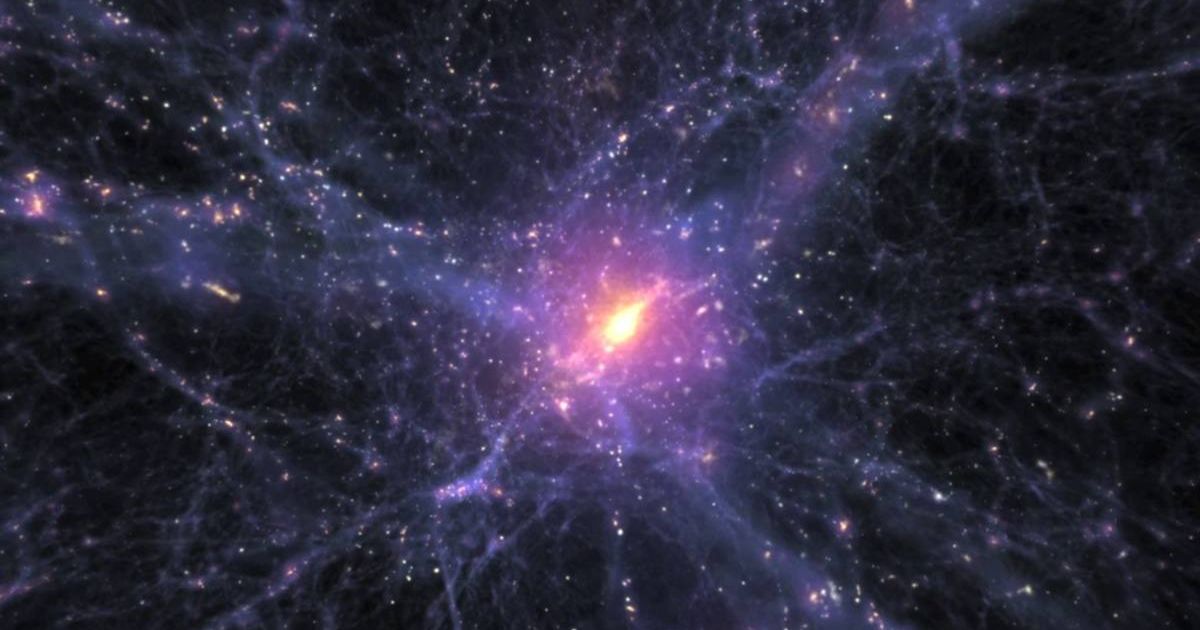
A new, highly detailed simulation has challenged long-held assumptions about how the universe's first stars formed, suggesting they emerged not from a tranquil, isolated process, but from a violent, chaotic cosmic environment. The findings, led by a team at the Academia Sinica Institute of Astronomy and Astrophysics and published in the Astrophysical Journal Letters, could rewrite our understanding of the early universe, as per the Institute of Astronomy and Astrophysics.
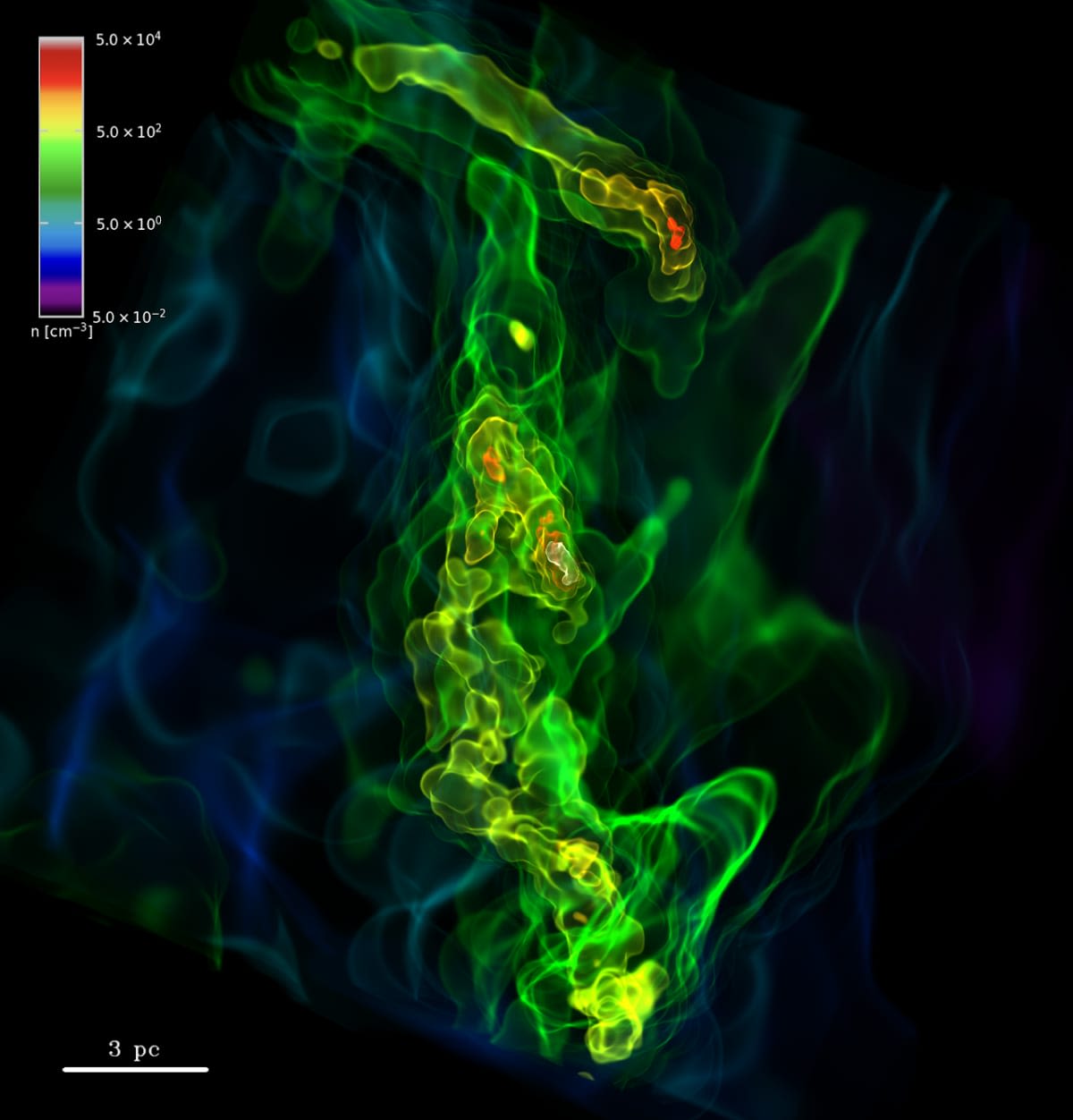
For decades, theoretical models have posited that the first stars were solitary, enormous behemoths. However, this new research, spearheaded by Ke-Jung Chen, paints a dramatically different picture. Using the advanced GIZMO simulation code and data from the IllustrisTNG project, Chen's team magnified a dark matter structure known as a minihalo to an unprecedented level of detail.
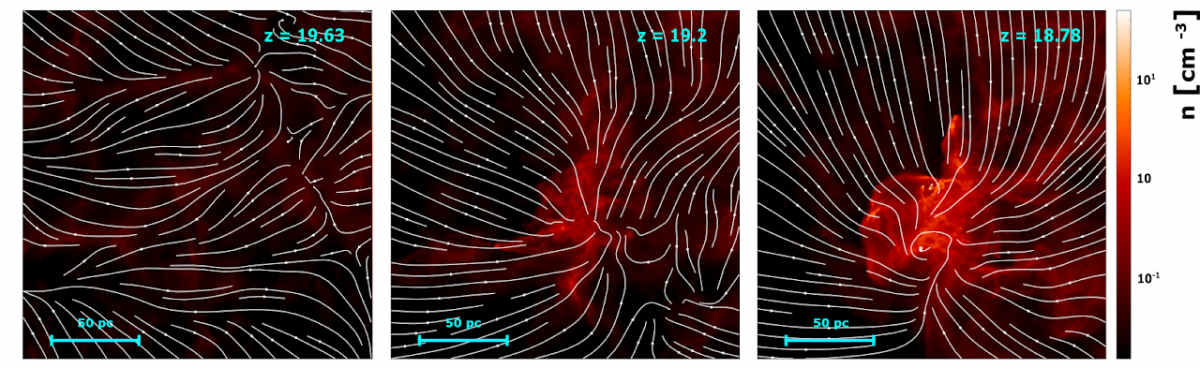
The results were astonishing: as gas funneled into the minihalo's gravitational pull, it generated supersonic turbulence, with speeds reaching up to five times the speed of sound. This powerful turbulence didn't allow for a smooth collapse. Instead, it tore the primordial gas cloud into numerous dense clumps. This suggests that the first stars were likely smaller and more plentiful than previously believed, a stark contrast to the monolithic giants envisioned in earlier theories.
This finding could solve a longstanding cosmic mystery: the puzzling absence of chemical signatures from the supermassive stars expected to have formed in the early universe. Stars over 100 solar masses are theorized to explode in a specific type of supernova that leaves behind unique elemental fingerprints, signatures that have yet to be definitively found. The new simulation supports the idea that such massive stars may have been rare, explaining their lack of a chemical trace in today's oldest stars.
“This is the first time we’ve been able to resolve the full development of turbulence during the earliest phases of the first star formation,” Chen explained. “This simulation represents a leap forward in connecting large-scale cosmic structure formation with the microscopic processes that govern star birth.” The research also opens new avenues for exploring the origins of magnetic fields and black holes in the early universe, as supersonic turbulence is known to play a key role in these phenomena in modern galaxies. By revealing the pivotal role of turbulence, the study brings scientists closer to understanding the true dawn of the cosmos.
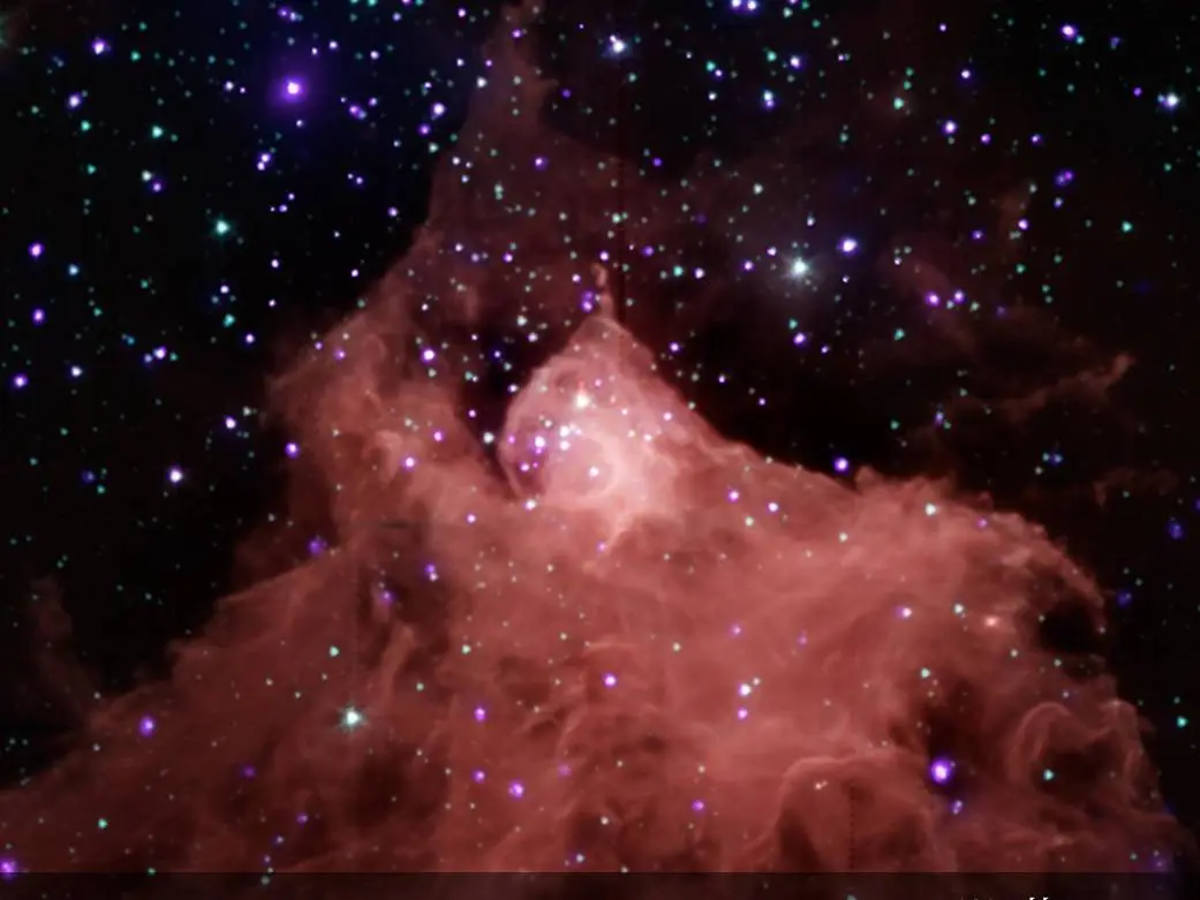
Understanding the birth of stars is a core objective of modern space science. These so-called Population III stars were the universe's first sources of light, igniting with fusion and transforming the surrounding superheated plasma left over from the Big Bang into the structured cosmos we see today. Pinpointing what preceded these stars and how they formed is a critical piece of the cosmic puzzle, as mentioned on Universe Today.
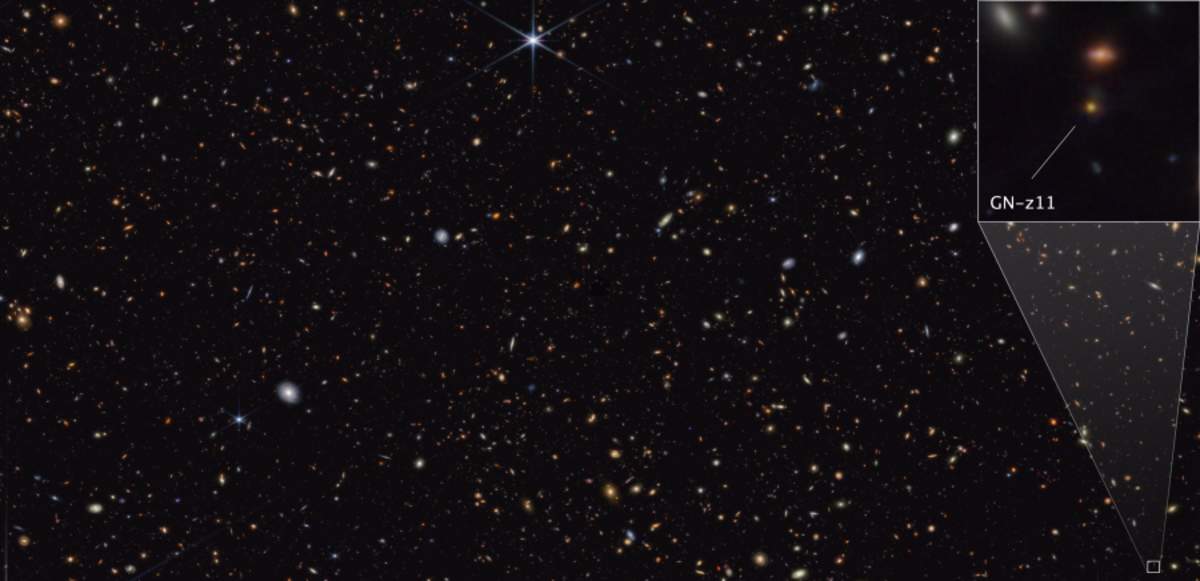
While powerful telescopes like the James Webb Space Telescope have provided a glimpse into the early universe by observing light from the first galaxies, observing the formation of individual stars from over 13 billion years ago remains virtually impossible. This is where cutting-edge supercomputer simulations, like the one conducted by Chen's team, become an indispensable tool, allowing scientists to reconstruct and study these foundational moments of cosmic history in unprecedented detail.