Severe solar storm forces Blue Origin to postpone NG-2 launch of NASA’s twin ESCAPADE spacecraft
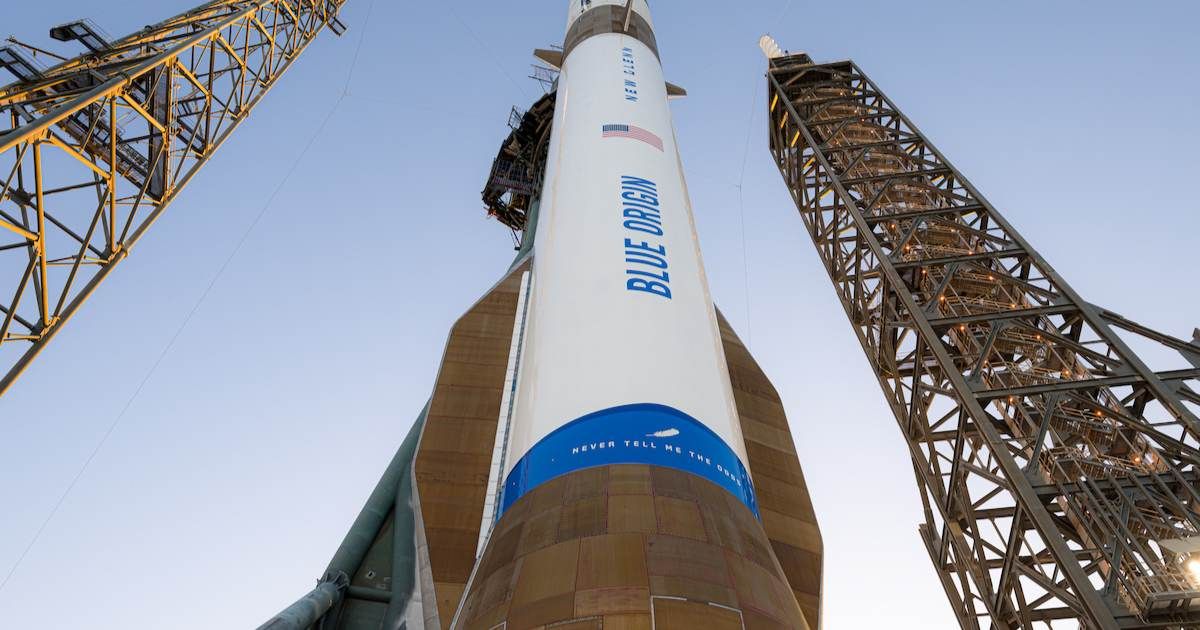
Blue Origin, an aerospace company founded by Jeff Bezos, was forced to postpone the second flight of its massive New Glenn rocket, known as NG-2, due to a severe geomagnetic storm posing a risk to its essential NASA payload. This mission, which aims to send NASA's twin orbiters to Mars, is now on hold indefinitely while space weather experts monitor the situation, according to the company's X post.
NG-2 Update: New Glenn is ready to launch. However, due to highly elevated solar activity and its potential effects on the ESCAPADE spacecraft, NASA is postponing launch until space weather conditions improve. We are currently assessing opportunities to establish our next launch…
— Blue Origin (@blueorigin) November 12, 2025
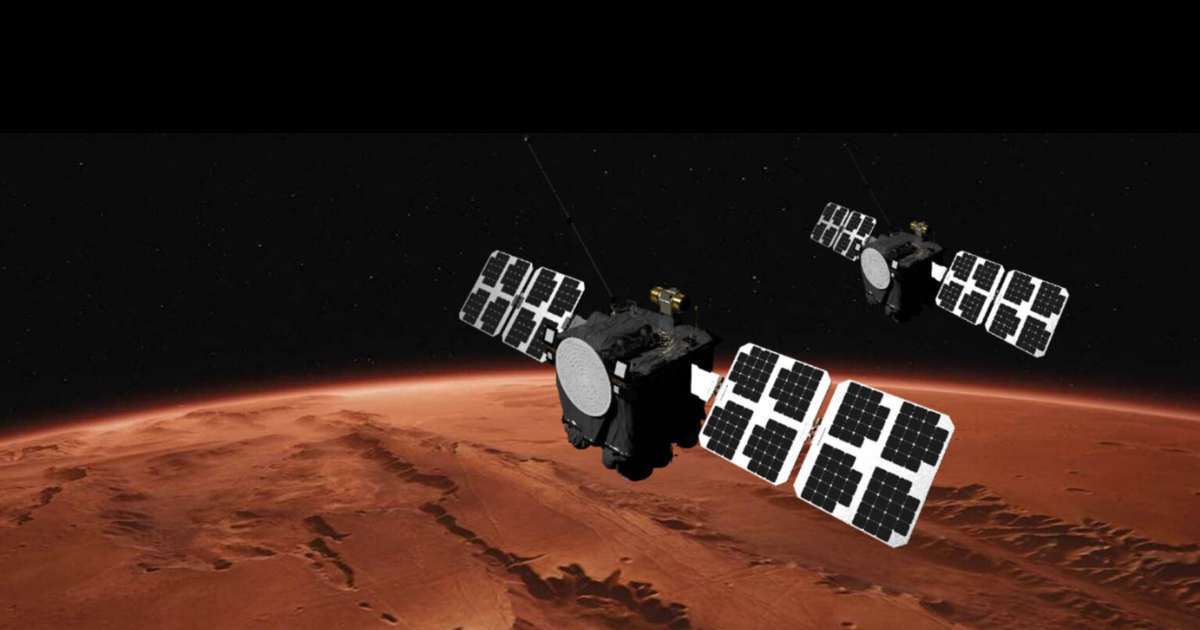
Blue Origin announced that although the 322-foot rocket was "ready to launch," the potential risk to NASA's ESCAPADE spacecraft required them to hit pause. This mission is really important for NASA because the two probes are meant to investigate the dramatic loss of Mars' atmosphere. There's also a Viasat technical demonstration payload onboard.
The delay comes at a time when Earth is dealing with a rare and powerful space weather event. Earlier, on November 12, a G4 (severe) geomagnetic storm impacted the planet's magnetic field. This storm sequence kicked off with intense activity from sunspot AR4274, which produced two major X-class solar flares (X1.7 and another on November 10). These flares probably sent coronal mass ejections (CMEs) straight toward Earth. The first flare on November 9 caused an R3-class radio blackout, which disrupted high-frequency communications around the globe.

Besides the scientific aspect, this delay also sets back a key technical goal for Blue Origin. NG-2 was set to try and achieve the first successful recovery of the New Glenn’s large reusable first stage. This booster, which is designed to handle at least 25 flights and has been nicknamed "Never Tell Me the Odds," is supposed to make a precision landing on the autonomous ship Jacklyn, hundreds of miles out in the Atlantic. Although the rocket's first flight reached orbit back in January, that crucial test for booster reusability via the landing didn’t go as planned. Blue Origin is currently collaborating with NASA and range officials to figure out a new launch window, which depends on better solar forecasts and the availability of the range.
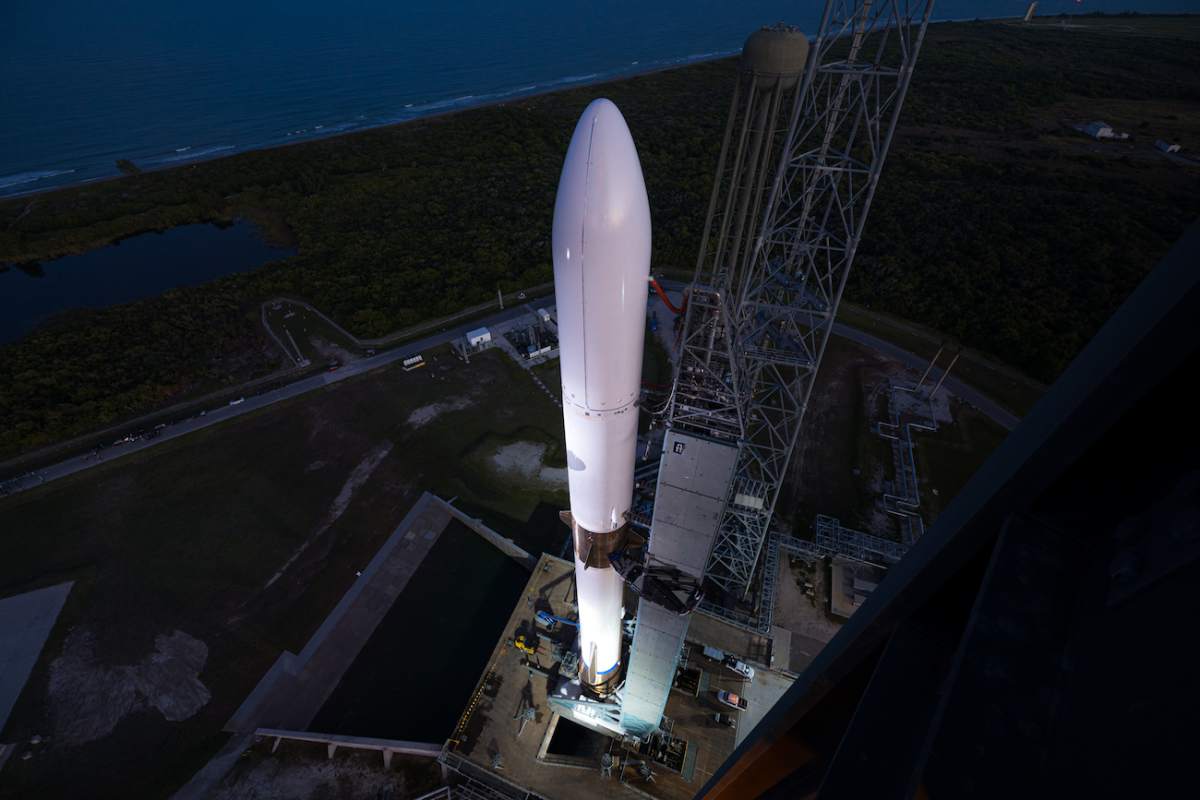
According to Blue Origin, when the New Glenn finally lifts off from Launch Complex 36 at Cape Canaveral Space Force Station in Florida, the launch sequence would be pretty much like a well-rehearsed set. Right after liftoff, the first stage guides itself back down to the Jacklyn landing platform in the Atlantic. At the same time, the second stage kicks in, firing up its two BE-3U engines to carry the payload into space. Once the nose cone comes off, the two ESCAPADE spacecraft are deployed to start their tricky journey to Mars. After all this, the second stage will be brought back down safely and made inert, sticking to NASA's strict rules on preventing orbital debris.
This advanced reusability arrangement is the key to what Blue Origin aims for: to drastically cut down the cost of flying to space. According to Blue Origin, both the New Glenn and the suborbital New Shepard are designed to take off and land vertically, allowing the boosters to be reused up to 25 times with just a bit of maintenance. This method hinges on reusable, throttleable liquid propellant engines, paving the way for a fresh economic approach to heavy-lift launch operations.
More on Starlust
Blue Origin shares fascinating details about ‘transporter’ vehicle for its Blue Moon lunar lander