Blue Origin delays NASA's ESCAPADE dual-satellite Mars mission launch due to weather
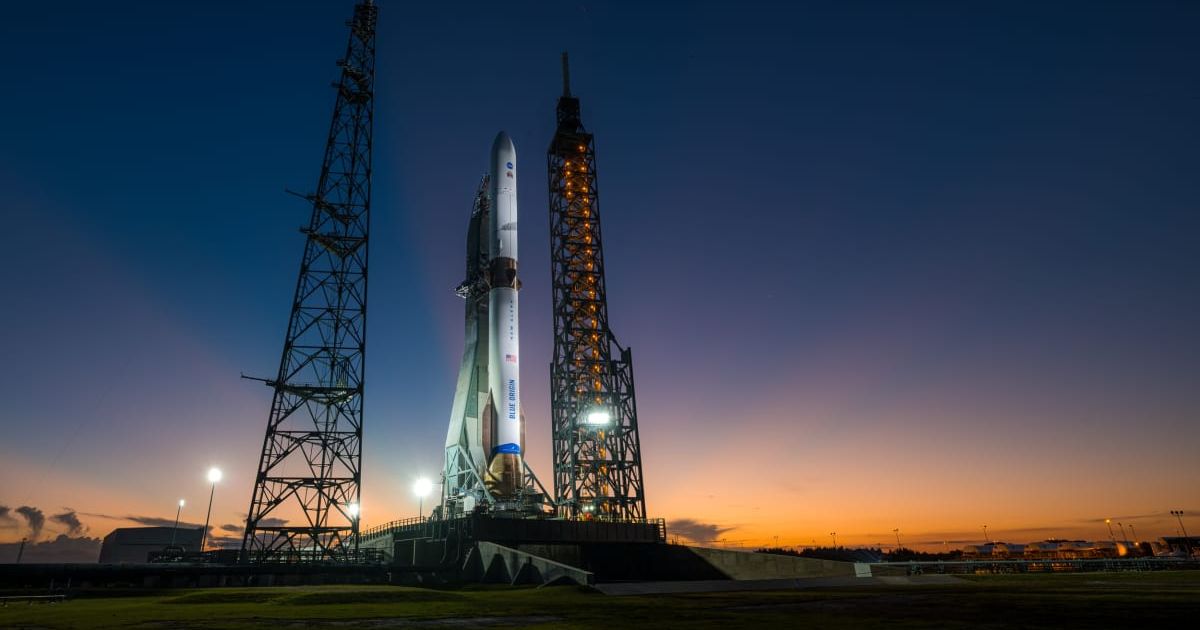
The highly anticipated inaugural launch of NASA’s ESCAPADE mission, which utilizes twin satellites to explore the Martian atmosphere, has been postponed due to inclement weather conditions. Blue Origin, contracted for the launch services, announced the scrub on its X post, citing the "cumulus cloud rule" as the primary obstruction to Sunday's scheduled liftoff.
Today’s NG-2 launch is scrubbed due to weather, specifically the cumulus cloud rule. We’re reviewing opportunities for our next launch attempt based on forecasted weather.
— Blue Origin (@blueorigin) November 9, 2025
Following the setback, Blue Origin confirmed a revised launch timeline in coordination with the Federal Aviation Administration (FAA) and range operations, according to Blue Origin's X post. The next window for the NG-2 flight is tentatively set for no earlier than Wednesday, November 12, spanning from 2:50 p.m. to 4:17 p.m. EST (19:50 - 21:17 UTC). The mission faced previous delays, having been pushed back from an initial October 2024 target.
NG-2 Launch Update: Our next launch attempt is no earlier than Wednesday, November 12, due to forecasted weather and sea state conditions. We worked with the FAA and range to select a launch window from 2:50 PM – 4:17 PM EST / 19:50 – 21:17 UTC. The live webcast starts at T-20…
— Blue Origin (@blueorigin) November 10, 2025
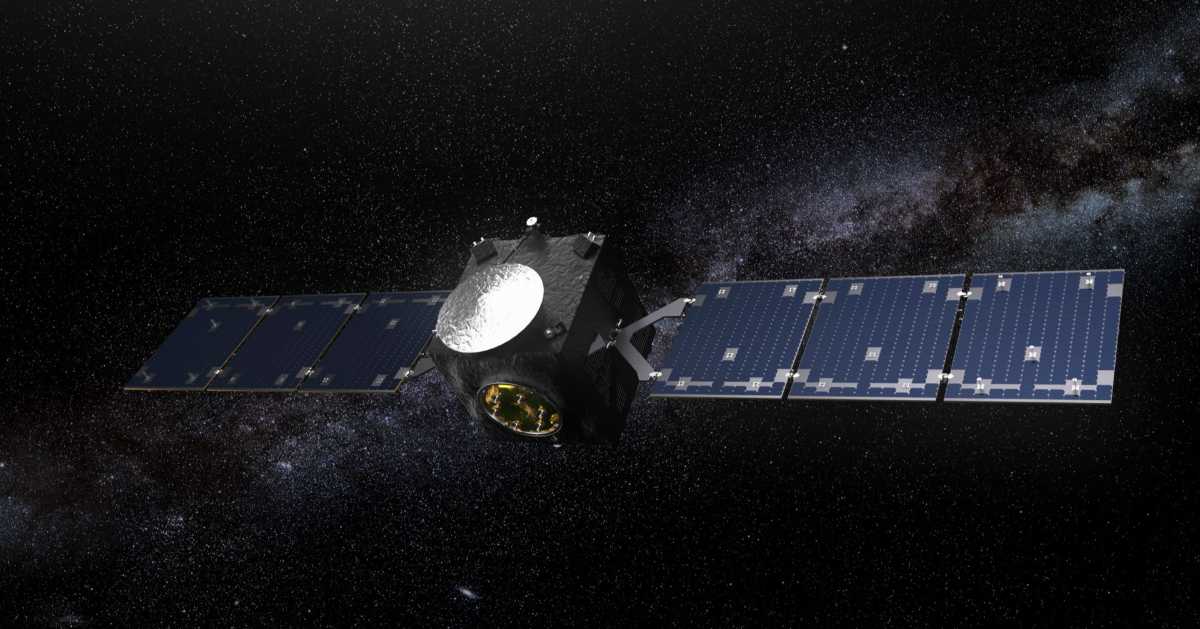
This mission marks the first time NASA is sending a dual-spacecraft endeavor to Mars in over five years, following the launch of the Perseverance rover and Ingenuity helicopter in July 2020, as per Space.com. The ESCAPADE project, valued at under $80 million, involves twin probes, dubbed Blue and Gold after the University of California, Berkeley's colors, built by Rocket Lab.
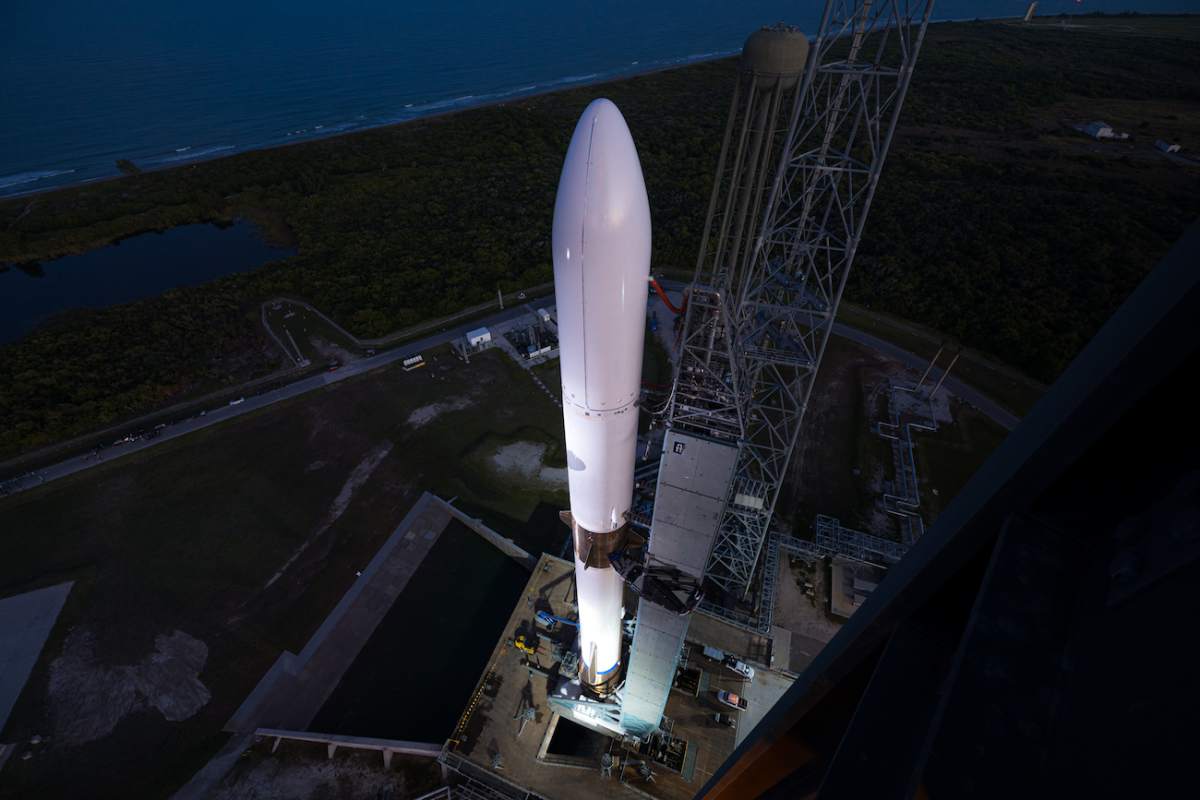
The primary objective of the ESCAPADE mission, overseen by Principal Investigator Robert Lillis of UC Berkeley, is to generate a comprehensive, three-dimensional map of Mars’s magnetic fields, ionosphere, and upper atmosphere while the probes fly in formation. Data gathered is considered critical for understanding how Mars lost its substantial early atmosphere and holds significant implications for the safety and logistics of future crewed missions. Specifically, the probes will analyze the interaction between the thin Martian atmosphere and the solar wind, providing essential data for forecasting dangerous solar storms and modeling atmospheric escape over eons.
The scrubbed liftoff also delays a significant milestone for Blue Origin’s New Glenn vehicle. This mission, designated NG-2, is scheduled to be only the second flight of the towering 321-foot-tall (98 meters) rocket, following its maiden journey in January of this year, as per Space.com. Beyond deploying the vital ESCAPADE spacecraft, the success of the NG-2 mission hinges on a key technological objective: the first successful landing of the New Glenn first stage onto a recovery barge stationed in the Atlantic Ocean. This reusability capability is central to Blue Origin’s commercial ambitions. While the rocket's inaugural flight was otherwise flawless, the stage recovery attempt during that initial test proved unsuccessful.
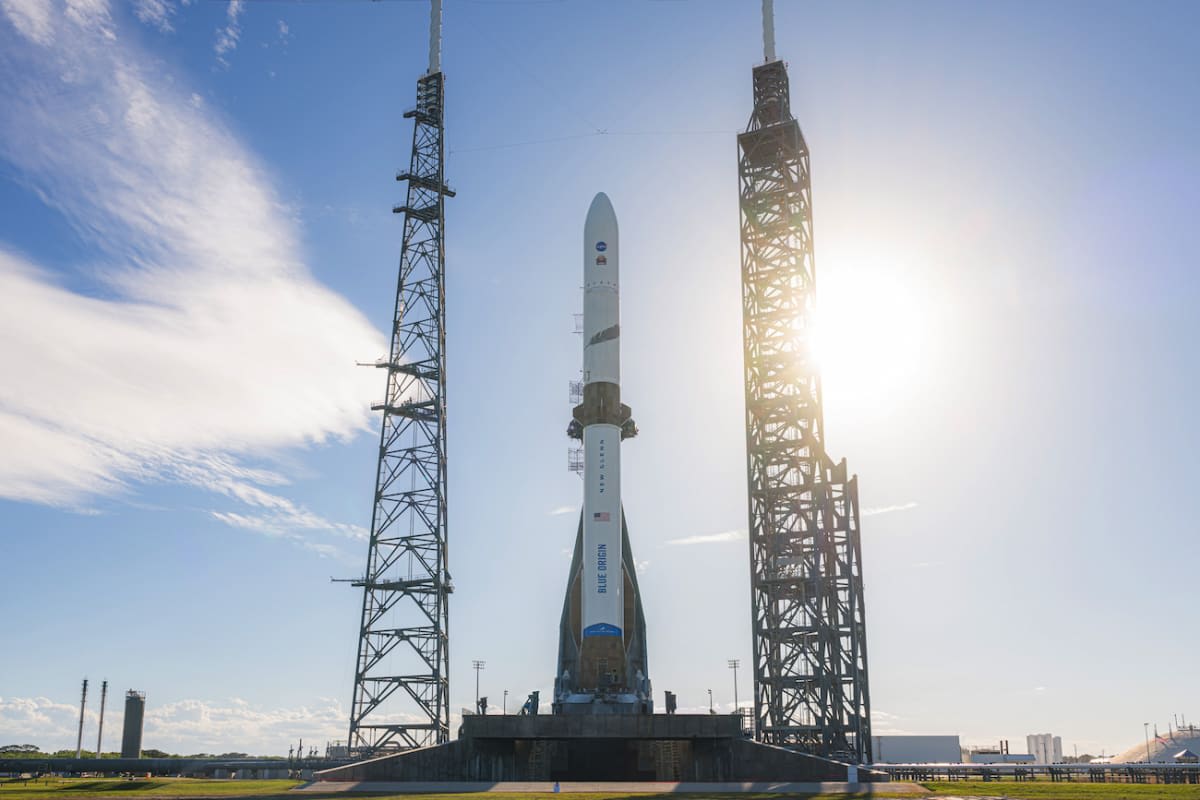
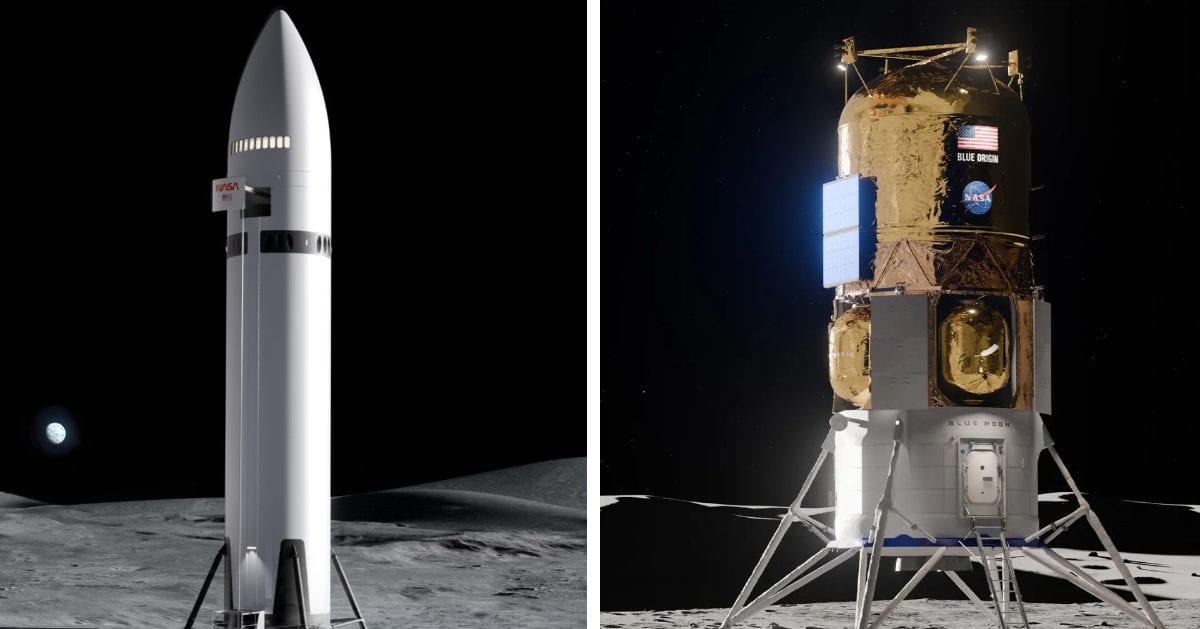
If the landing sequence achieves a positive result on Wednesday, it will clear the path for Blue Origin to position the New Glenn as a primary vehicle for future endeavors, including commercial satellite deployment, heavy-lift tasks, and eventually, crewed and uncrewed missions to the Moon utilizing their Blue Moon landers. The rocket is named in tribute to John Glenn, the pioneering American astronaut who became the first U.S. citizen to orbit the Earth, according to Blue Origin. Furthermore, the vehicle is engineered with the safety and redundancy required to fly humans, aligning with Blue Origin’s broader vision of "building a road to space for the benefit of Earth."
More on Starlust
Blue Origin shares fascinating details about ‘transporter’ vehicle for its Blue Moon lunar lander
NASA Chief suggests reconsideration of SpaceX lunar lander contract amid 'race against China'