Blue Origin’s New Glenn to lift off with NASA’s twin ESCAPADE spacecraft after November 9 scrub
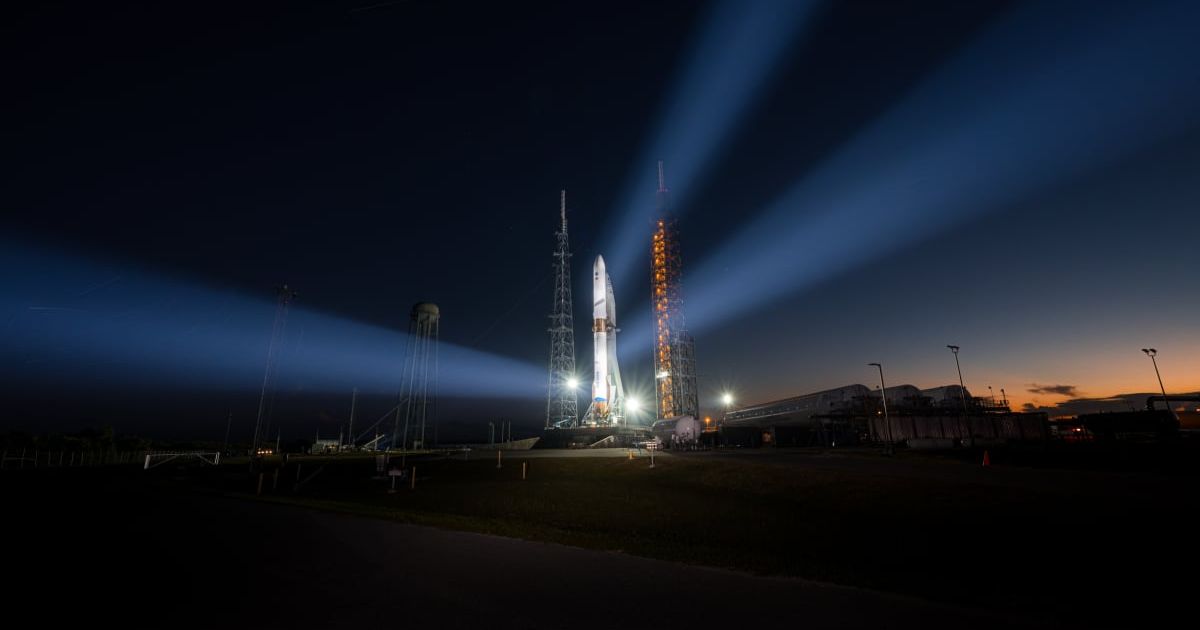
Blue Origin has announced that it's aiming for the next launch of its huge New Glenn heavy-lift rocket on Wednesday, November 12. This mission, initially set to launch on November 9, was pushed back due to bad weather, but now they’re looking at a launch time between 2:50 p.m. and 4:17 p.m. EST (19:50-21:17 UTC) from Launch Complex 36 at Cape Canaveral Space Force Station in Florida. They plan to start the live webcast 20 minutes before the launch window opens, according to Blue Origin.
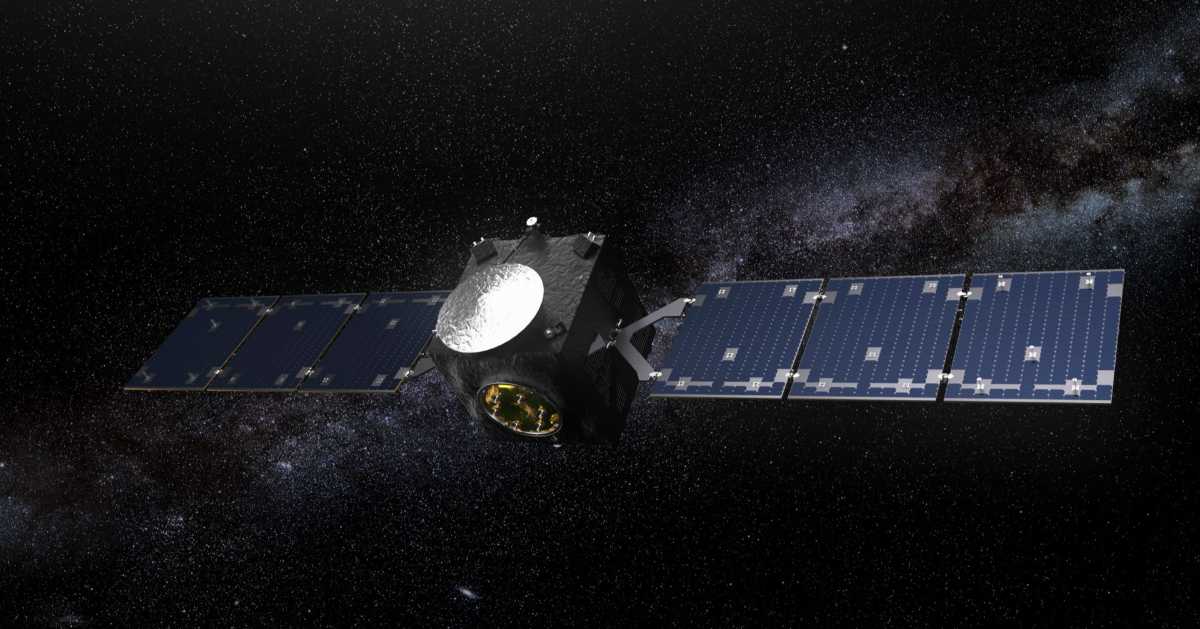
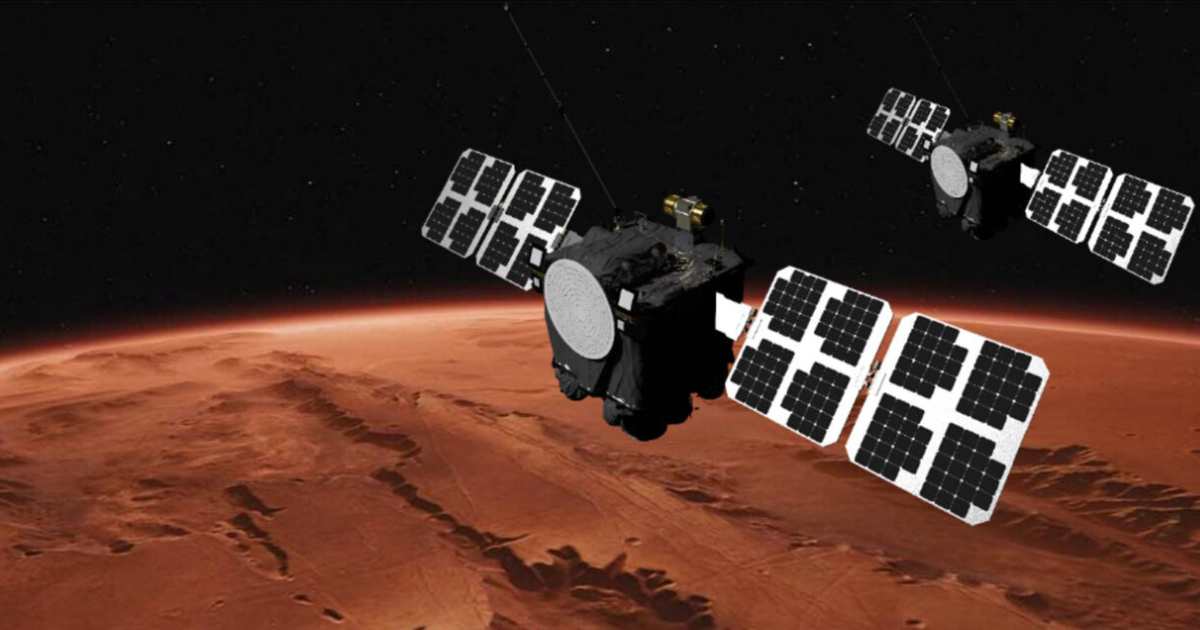
The second flight of the New Glenn rocket, known as NG-2, is set to carry an important payload: NASA's ESCAPADE twin spacecraft, which is headed for Mars. This mission will help the probes learn about how Mars lost a lot of its atmosphere. There's also a tech demo payload from Viasat included, which is part of NASA’s Communications Services Project.
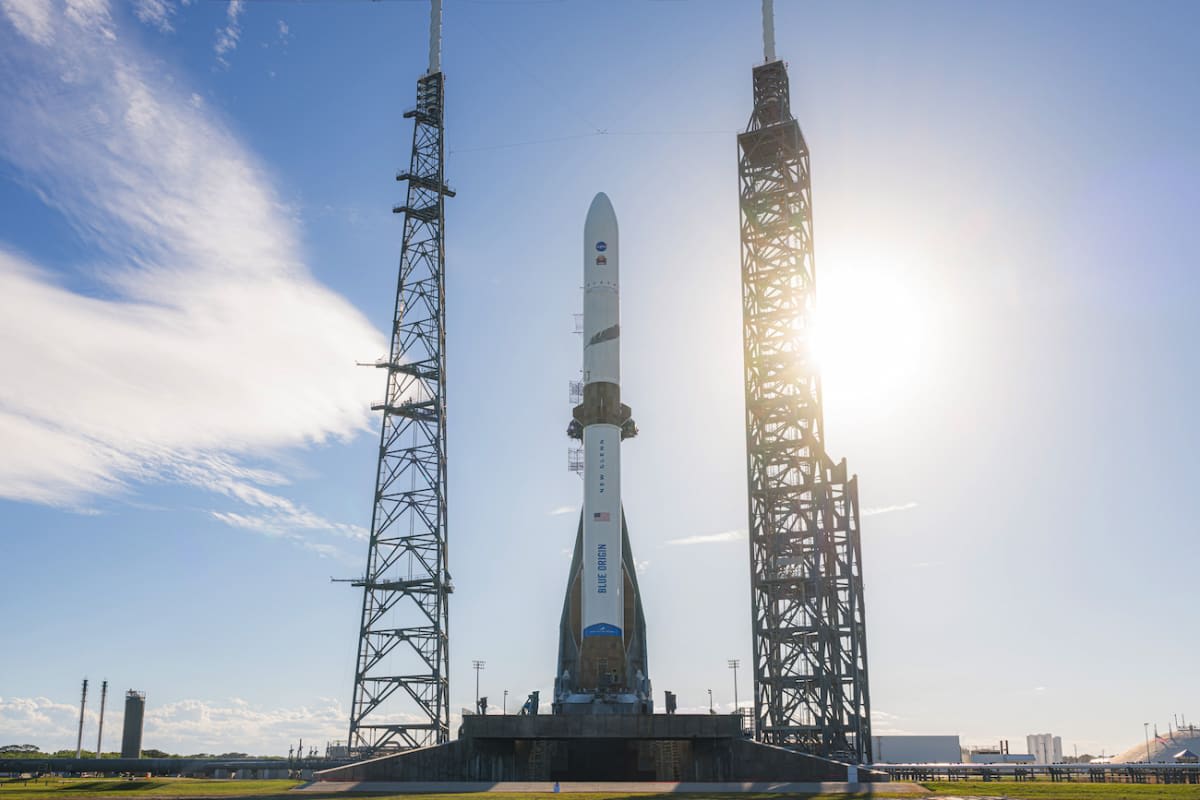
When it lifts off, the impressive 322-foot-tall, two-stage rocket, named after astronaut John Glenn, will start its climb, per USA Today. The first stage or booster, which is reusable and affectionately called "Never Tell Me the Odds," is built to handle at least 25 flights. It'll aim for a precise landing on the autonomous platform Jacklyn, located several hundred miles out in the Atlantic, as mentioned on Blue Origin.
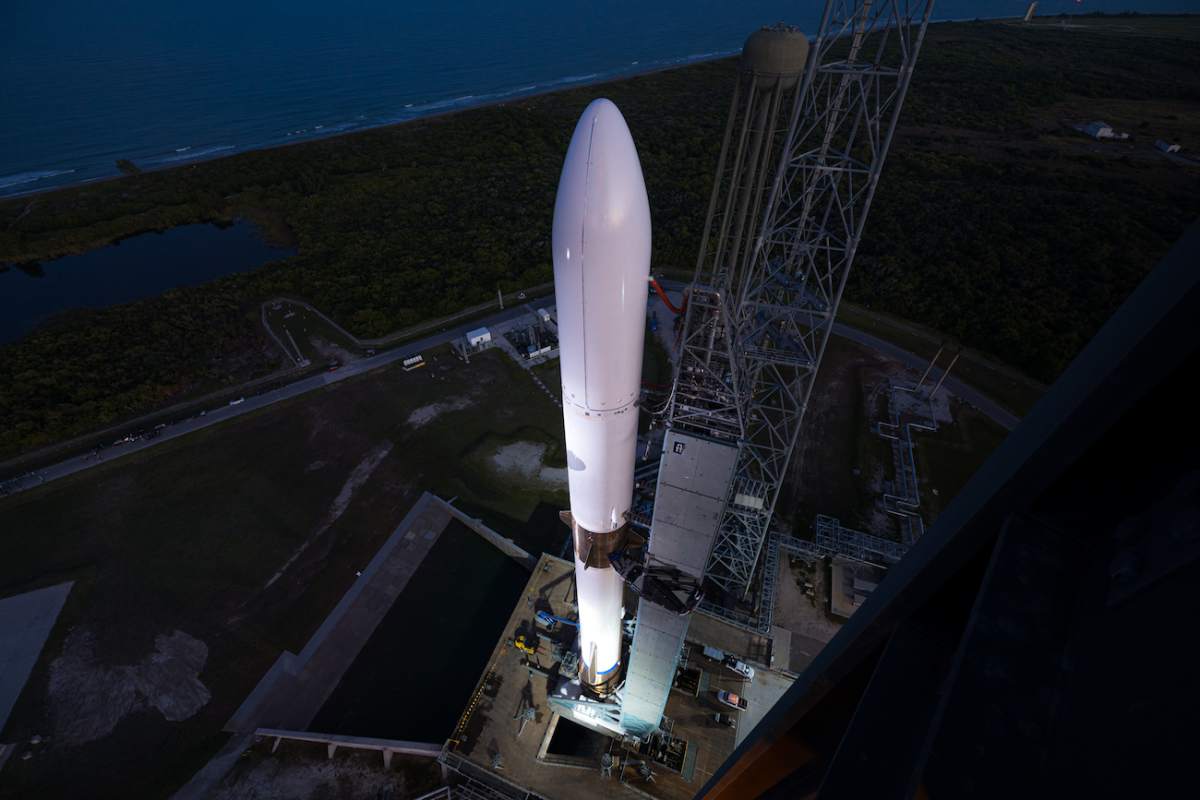
At the same time, the upper stage will keep going, powered by two BE-3U engines, per Blue Origin. After the shedding of the fairing, the twin ESCAPADE spacecraft will be launched to start their journey to Mars. After that, the upper stage will be safely deactivated to meet NASA's rules for preventing space debris. The New Glenn is among the biggest active rockets in the U.S. right now, with only SpaceX's Starship and NASA's Space Launch System (SLS) coming close. It has a 23-foot-wide fairing, which gives it room for bigger payloads. Because of that, it stands out as a serious player in the commercial satellite game. It will be able to carry Amazon's Project Kuiper, and go on other missions, including those for NASA's telecom providers.
Mars, we're coming for you! 🔴 🛰️ 🛰️
— Rocket Lab (@RocketLab) November 3, 2025
Soon, our twin Explorer spacecraft built for @NASA & @ucbssl ESCAPADE mission will begin their journey to the Red Planet to study the history of its climate.
The mission will study how the solar wind interacts with Mars’ magnetic… pic.twitter.com/fGU51EaqYW
The delay also pushed back an important technical milestone for Blue Origin: the first successful recovery of the New Glenn first stage on its landing platform at sea. NG-2 will mark just the second flight since its first launch in January. Although that initial flight made it to orbit, the critical test of reusability, the landing of the main booster, didn’t succeed.
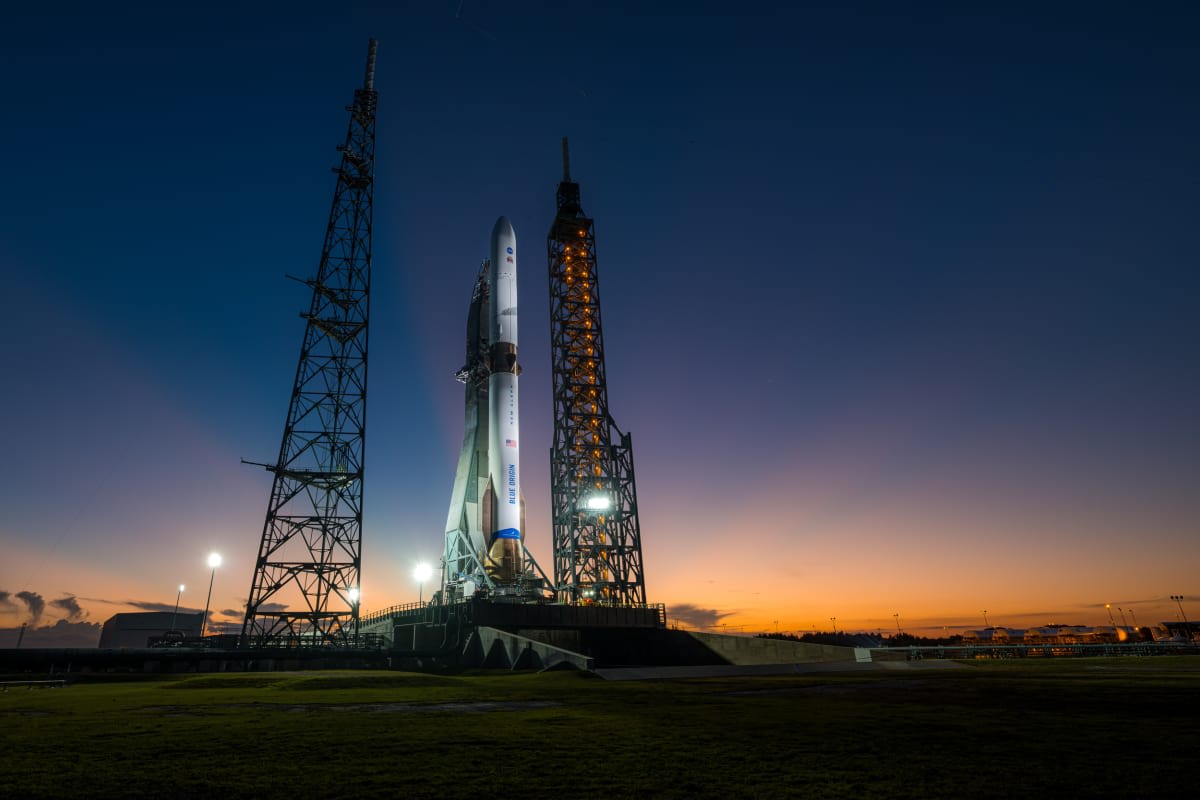
Successfully recovering and reusing the first stage is crucial for Blue Origin's commercial plans. If all goes well on Wednesday, it will not only validate the company's key technology but also help position New Glenn as a major player in heavy-lift launches. Built with the high safety and redundancy measures necessary for human spaceflight, New Glenn plays a key role in Blue Origin's vision of “building a road to space for the benefit of Earth.”
More on Starlust
Blue Origin shares fascinating details about ‘transporter’ vehicle for its Blue Moon lunar lander