How scientists traced an 800-year-old solar event using ancient trees and historical records
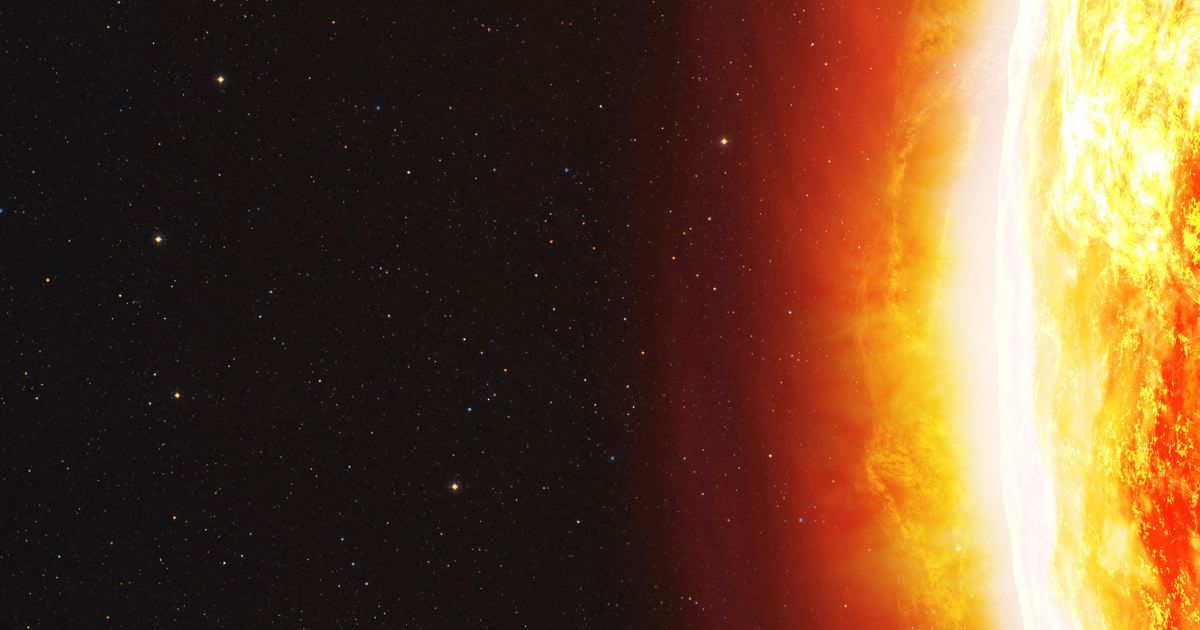
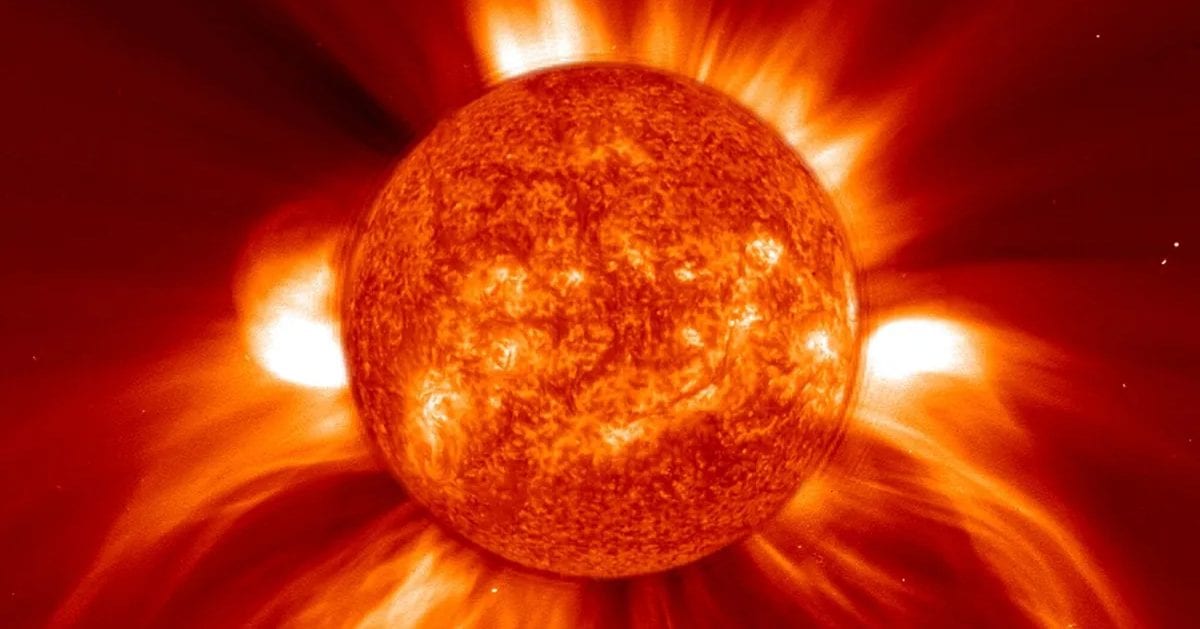
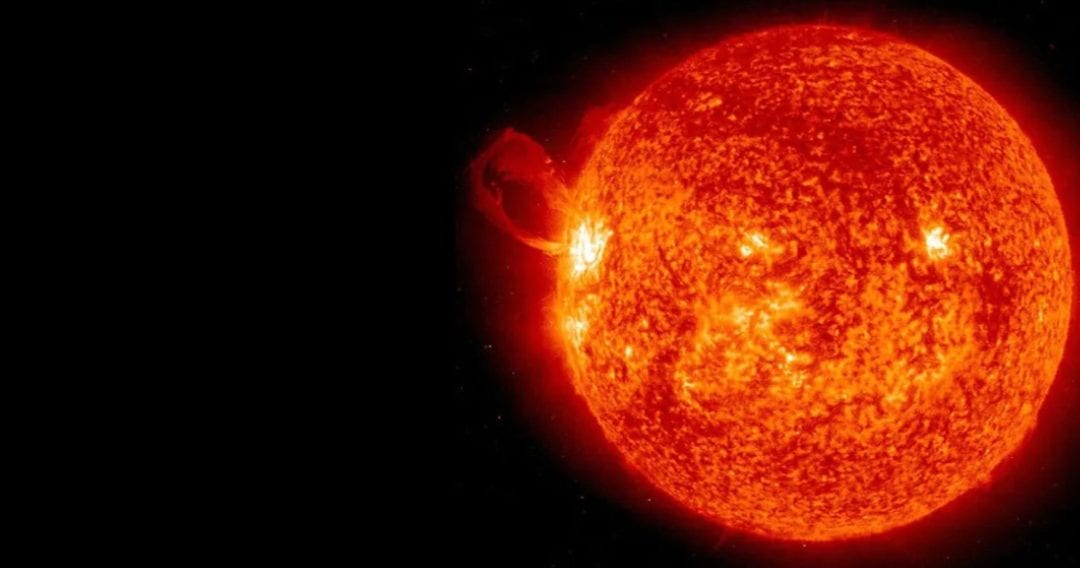
Researchers from the Okinawa Institute of Science and Technology have found evidence of a solar radiation event from more than 800 years ago. The discovery came from an unusual mix of medieval records and ultra-precise carbon-14 measurements taken from buried trees in northern Japan. Scientists believe the event was a solar proton event (or SPE), a burst of high-energy particles released by the Sun. These particles can pose serious risks to astronauts traveling beyond Earth’s magnetic field.
This study examined a "sub-extreme" proton event, a type of space weather that is statistically more frequent than more extreme solar storms, which makes these events a risk for missions in deep space. Commenting on the study, Professor Hiroko Miyahara from the Solar-Terrestrial Environment and Climate Unit said, “Previous studies on historical SPEs have focused on rare, extremely powerful events. Our paper provides a basis for detecting sub-extreme SPEs—events that occur more frequently and are around 10-30% of the size of the most extreme cases, but still hazardous.” The findings were published in the Proceedings of the Japan Academy, Series B.
A clue hidden in a medieval diary
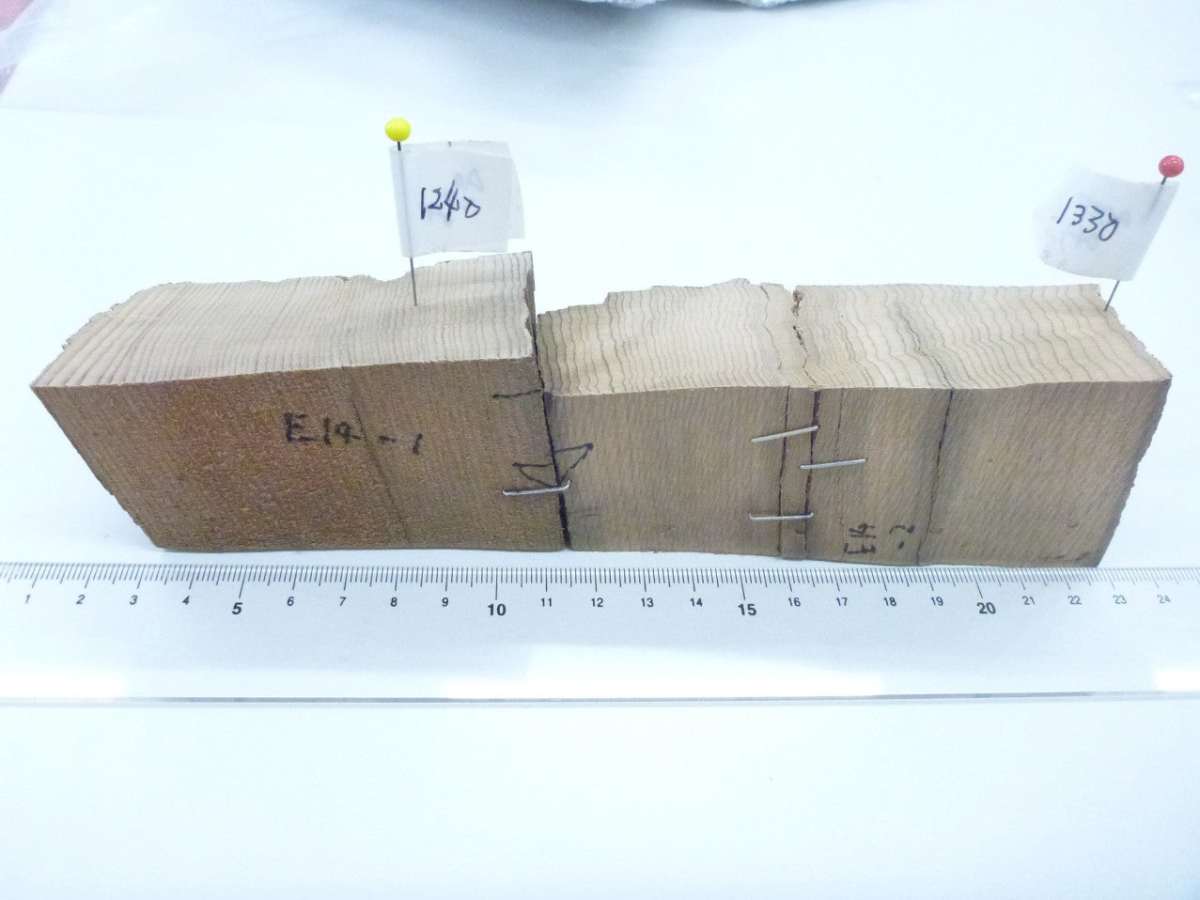
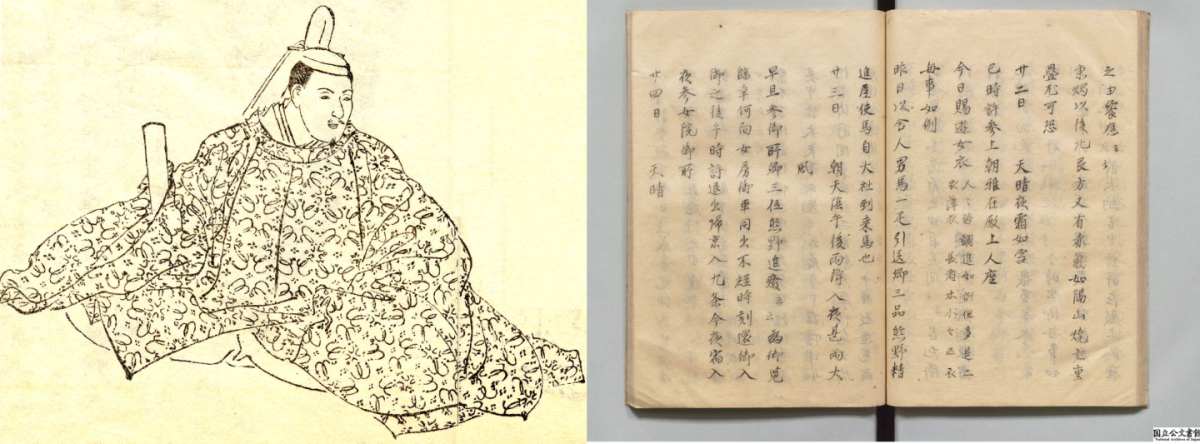
So, how did scientists trace a long-forgotten solar event? The answer lies in the approach taken by the research team. The first clue came from Meigetsuki, the diary of Japanese poet and courtier Fujiwara no Teika. In February 1204 CE, Teika described seeing unusual “red lights in the northern sky over Kyoto.” Solar proton events do not directly create auroras, but they are often linked to periods of intense solar activity that can produce them. To scientists, this description left in the diary sounded familiar. The team then examined buried asunaro trees discovered in Japan’s Aomori Prefecture. When high-energy particles collide with Earth’s atmosphere, they trigger a nuclear cascade, eventually producing carbon-14. This radiocarbon oxidizes into carbon dioxide, which gets absorbed by trees during photosynthesis and locked into tree rings. By measuring the carbon-14 levels in the wood, the team found unusual spikes linked to a sub-extreme solar proton event.
The researchers relied on ultra-precise carbon-14 measurements developed over more than a decade, which were sensitive enough to detect changes that conventional methods often miss. While these measurements detected a radioactive spike, the team needed to pinpoint the exact date when this occurred. To that end, they used a method called dendroclimatic analysis, which cross-references tree-ring growth patterns against regional climate changes to establish a chronology. This allowed the scientists to place the event sometime between the winter of 1200 CE and the spring of 1201 CE. This timeline also found support in historical records from China, which described a similar red aurora around the same period.
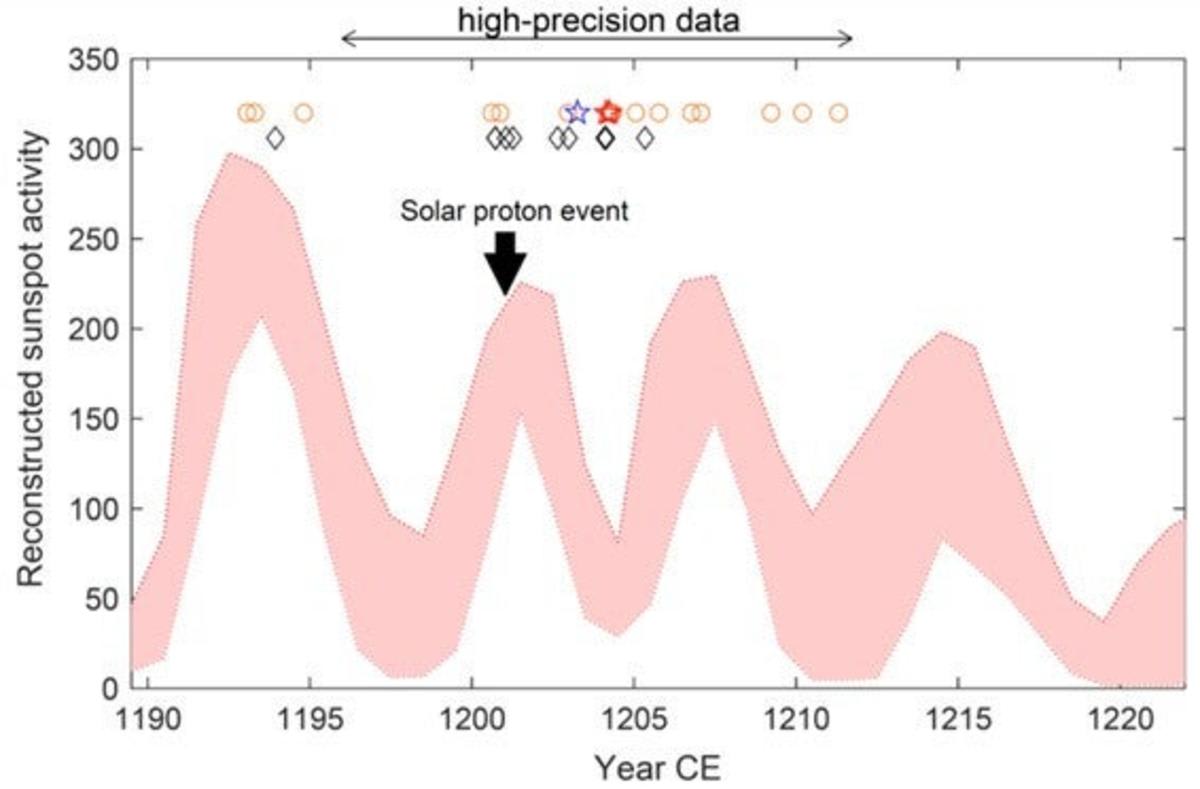
The findings also suggest the Sun behaved differently during the medieval period. “The high-precision data not only allowed us to accurately date sub-extreme solar proton events, but it also lets us clearly reconstruct the solar cycles of the period,” Miyahara explained. “Today, the Sun’s activity fluctuates over eleven-year-long cycles, but we’ve found that the cycle was just seven to eight years long back then, indicating a very active Sun.” The newly identified event appears to have happened near the peak of one of those unusually active solar cycles.
Why scientists are paying attention
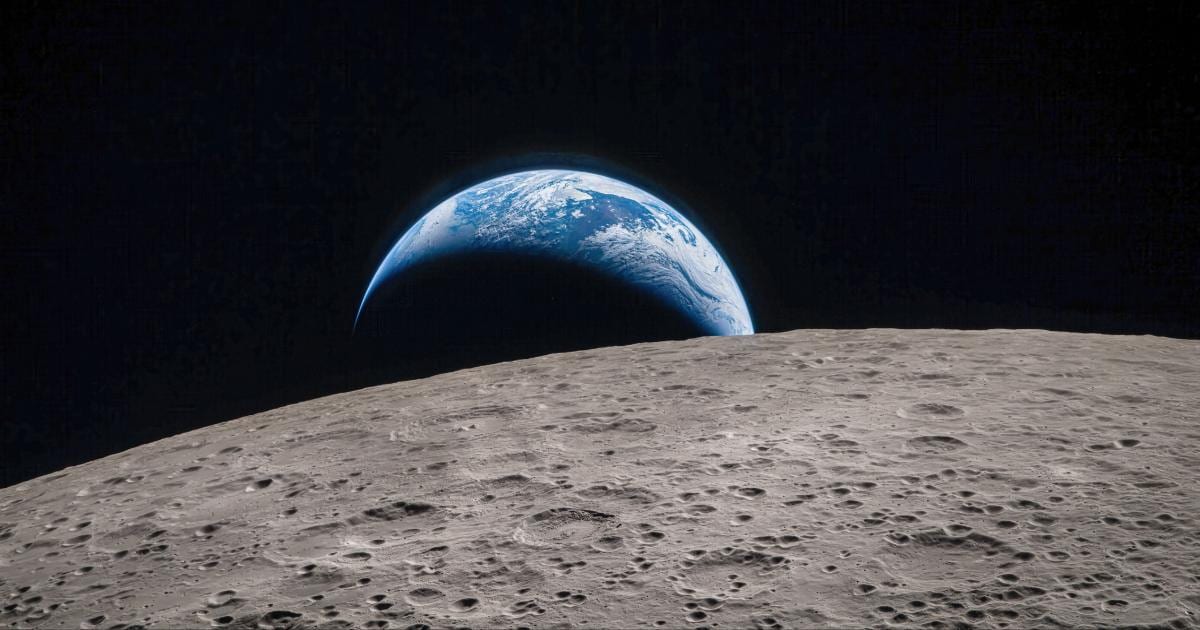
Solar proton events may seem like far-off space anomalies, but scientists warn they could become a danger for astronauts and spacecraft on future deep-space missions. In 1972, a series of SPEs occurred between NASA’s Apollo 16 and Apollo 17 Moon missions. If the astronauts had been outside Earth’s magnetic protection during those eruptions, they could have been exposed to the lethal levels of radiation. Using historical records alongside scientific data could help researchers better understand how extreme solar activity changes over time.

The study also raised new questions. While the newly identified SPE appears to line up with the peak of a solar cycle, some reports of prolonged low-latitude auroras seem to fall closer to the quieter phase of the cycle instead. Researchers now want to better understand the solar conditions that may have triggered these unexpected events.
More on Starlust
NASA discovers lava-like material that could help astronauts 'live off the land' on the Moon
Colonizers may not need to transport building tools to Mars—they could just print them, says study
Scientists turn lunar dust from a threat into a building material for Moon bases