Remembering Soyuz 11 cosmonauts: A timeline of their fatal descent to Earth in 1971
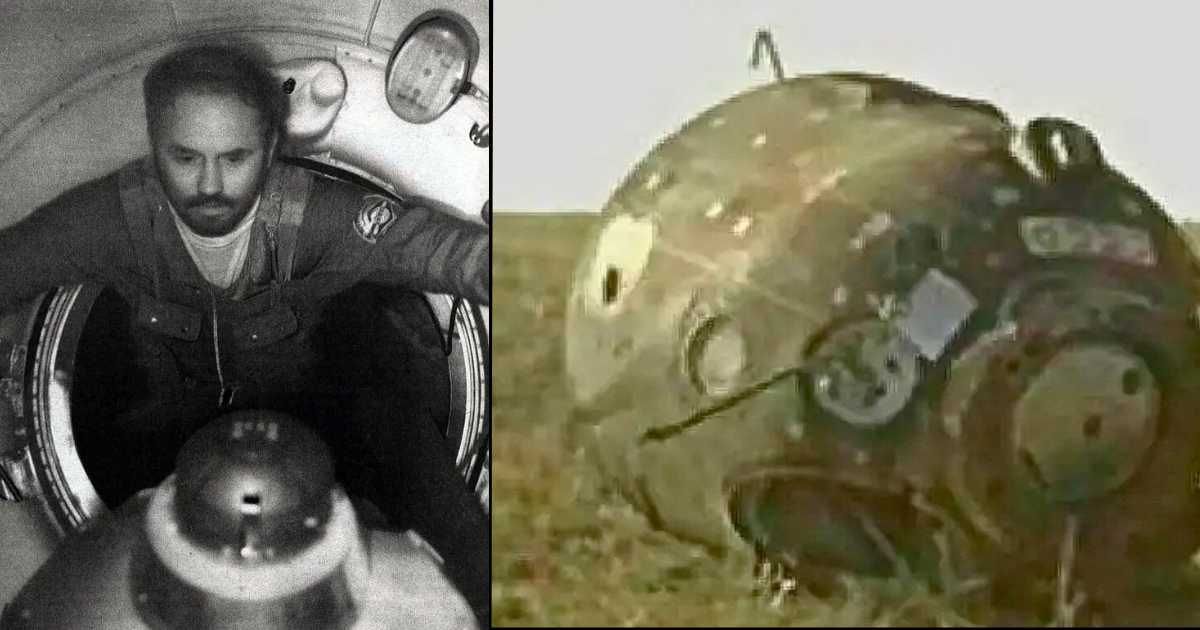
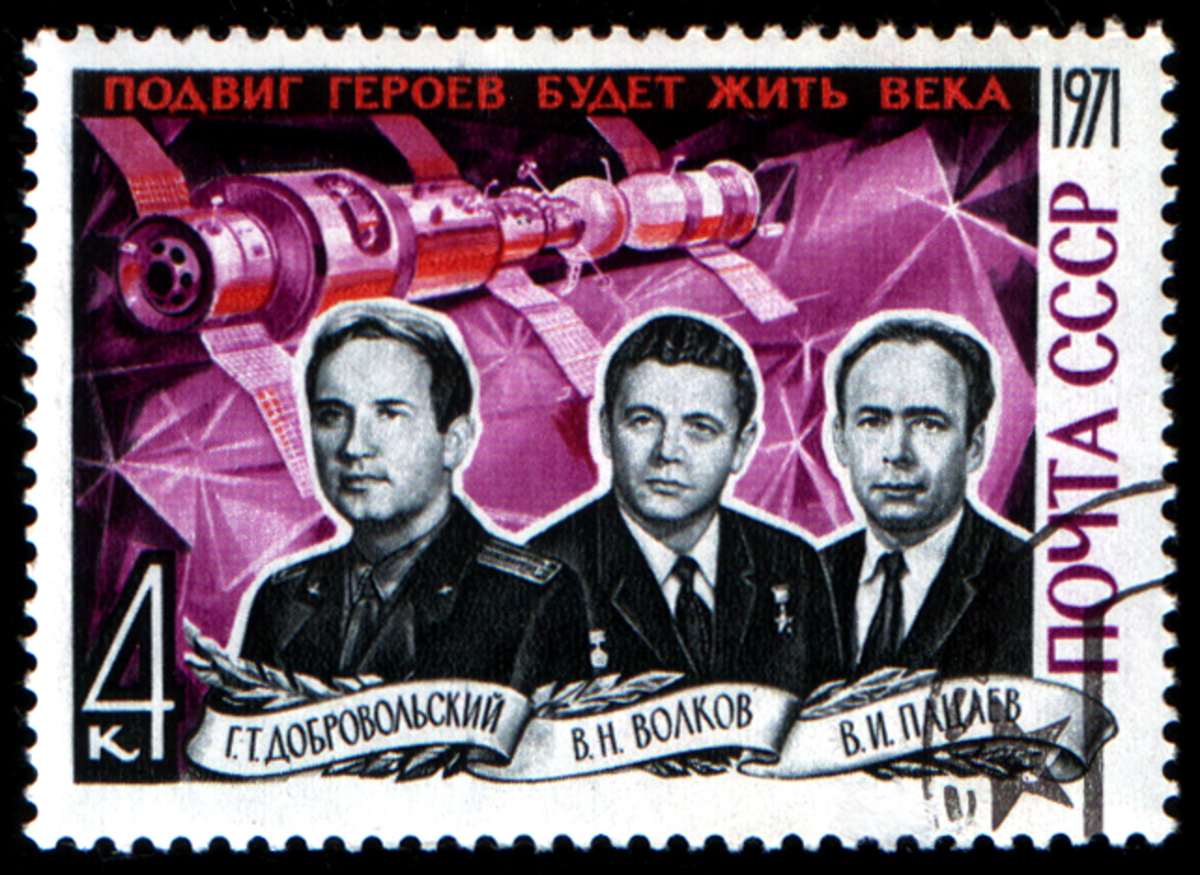
The crew of Soyuz 11, besides being celebrated as pioneers of living in space, are often remembered for their ultimate sacrifice in June 1971. After launching on June 6 and, the following day, becoming the first humans to enter Salyut 1—the world's first experimental space station—the trio of Georgi Dobrovolski, Vladislav Volkov, and Viktor Patsayev made history in the weeks that followed. By the end of the month, the Soyuz 11 crew had broken several endurance records and conducted activities in space like exercising, tending to plants, and making astronomical observations. This was decades before such routines became standard aboard the International Space Station (ISS). Unfortunately, their return, instead of being marked by celebration, was followed by mourning.
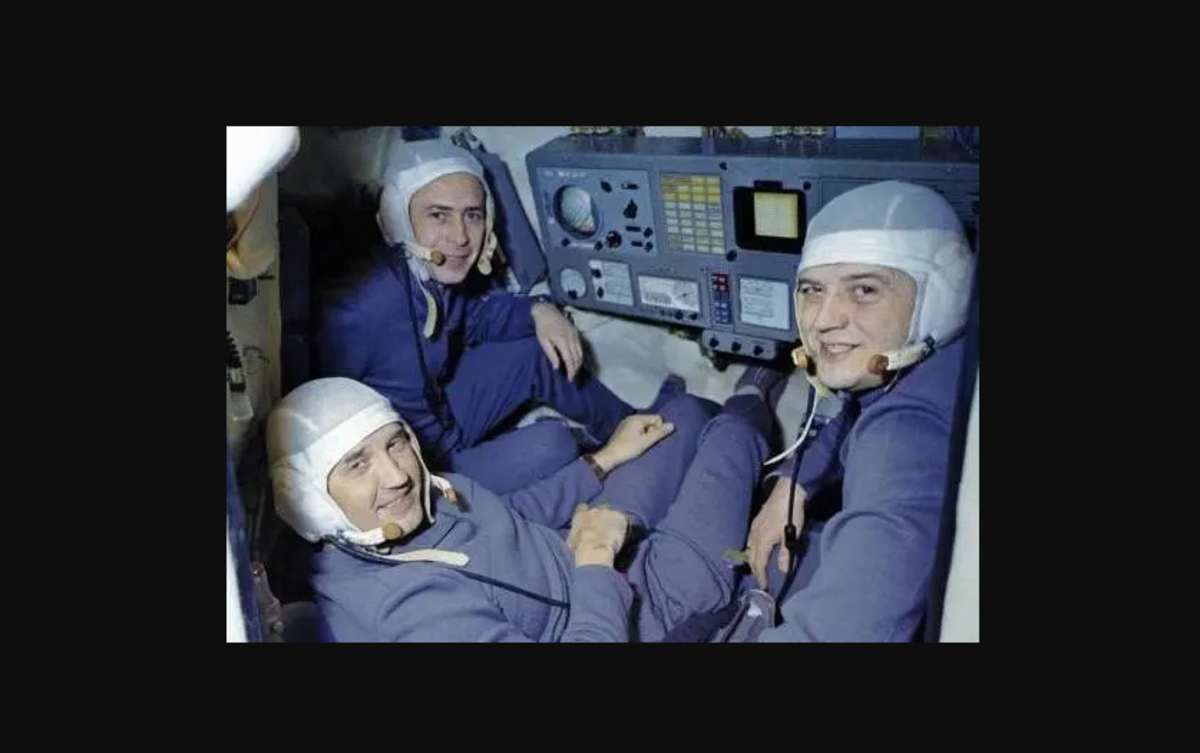
Evening of June 29: Evening of June 29: Having set Salyut up to operate autonomously and prepared their return Soyuz spacecraft, the crew moved into the middle section of the capsule, known as the descent module, and closed the hatch behind them. A light on the Soyuz instrument panel showed that the hatch didn't seem to have sealed shut. Cosmonaut Aleksei S. Yeliseyev—the crew communicator from the Flight Control Center in Yevpatoria, Crimea—walked the trio through procedures to open the hatch again and clean the seals. When they closed it again, the indicator was still on. However, everyone seemed sufficiently sure that the module was airtight. At the time, space constraints inside the early Soyuz capsule prevented a three-person crew from wearing bulky pressurized spacesuits, a risk deemed acceptable based on confidence in the capsule's structural integrity.
9:28 pm Moscow Time, June 29: With all systems looking good, Dobrovolski went ahead with the undocking of Soyuz from Salyut. The experienced cosmonaut let Mission Control know that the return journey was about to begin. "Goodbye, Yantar [Soyuz 11's call sign], till we see you soon on Mother Earth," said Mission Control, to which Dobrovolski responded, "Thank you, be seeing you. I am starting orientation."
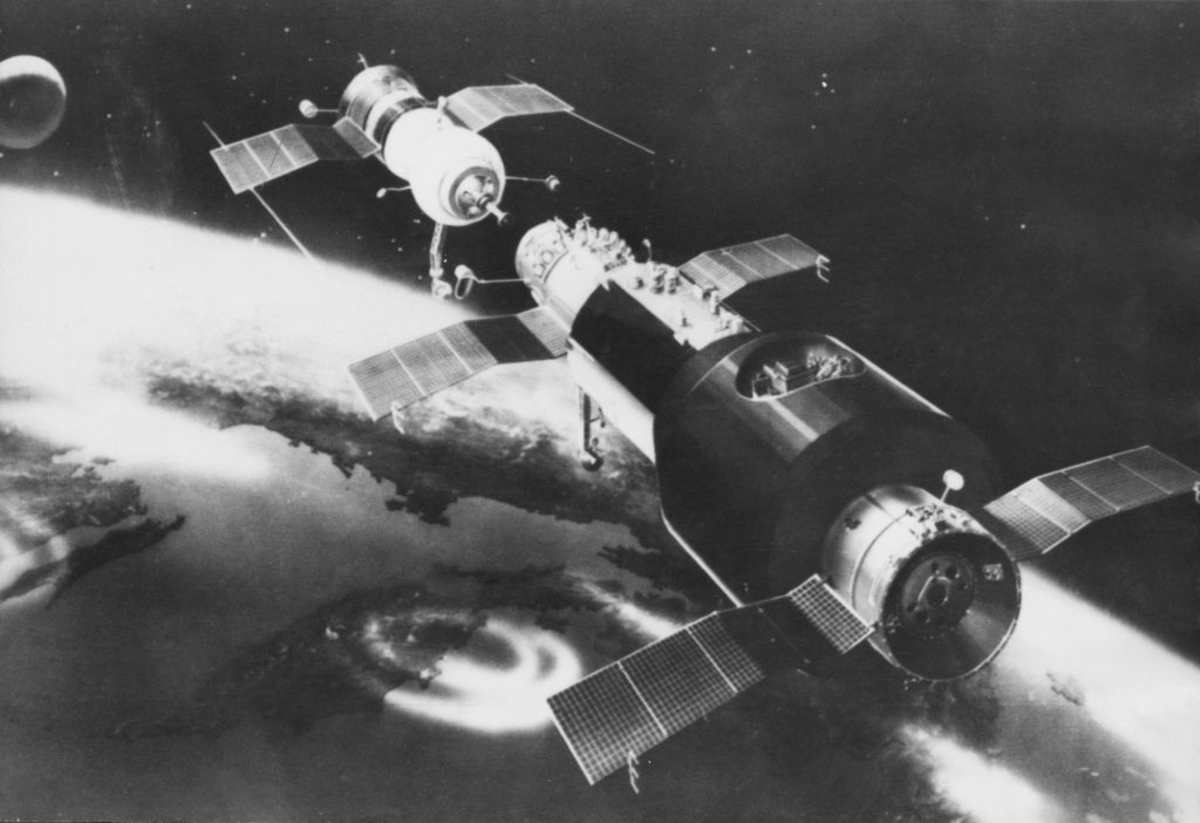
1:35 am Moscow Time, June 30: Having completed three free-flying orbits around the Earth after undocking, Dobrovolski and his crew braced themselves for an automatic, 187-second burn that put them on course for re-entry and a landing in the then-Soviet Kazakhstan. This happened after the pilot had adjusted the attitude of Soyuz in such a way that its retrorocket would push against its direction of travel, slowing the capsule down and dropping it out of orbit.
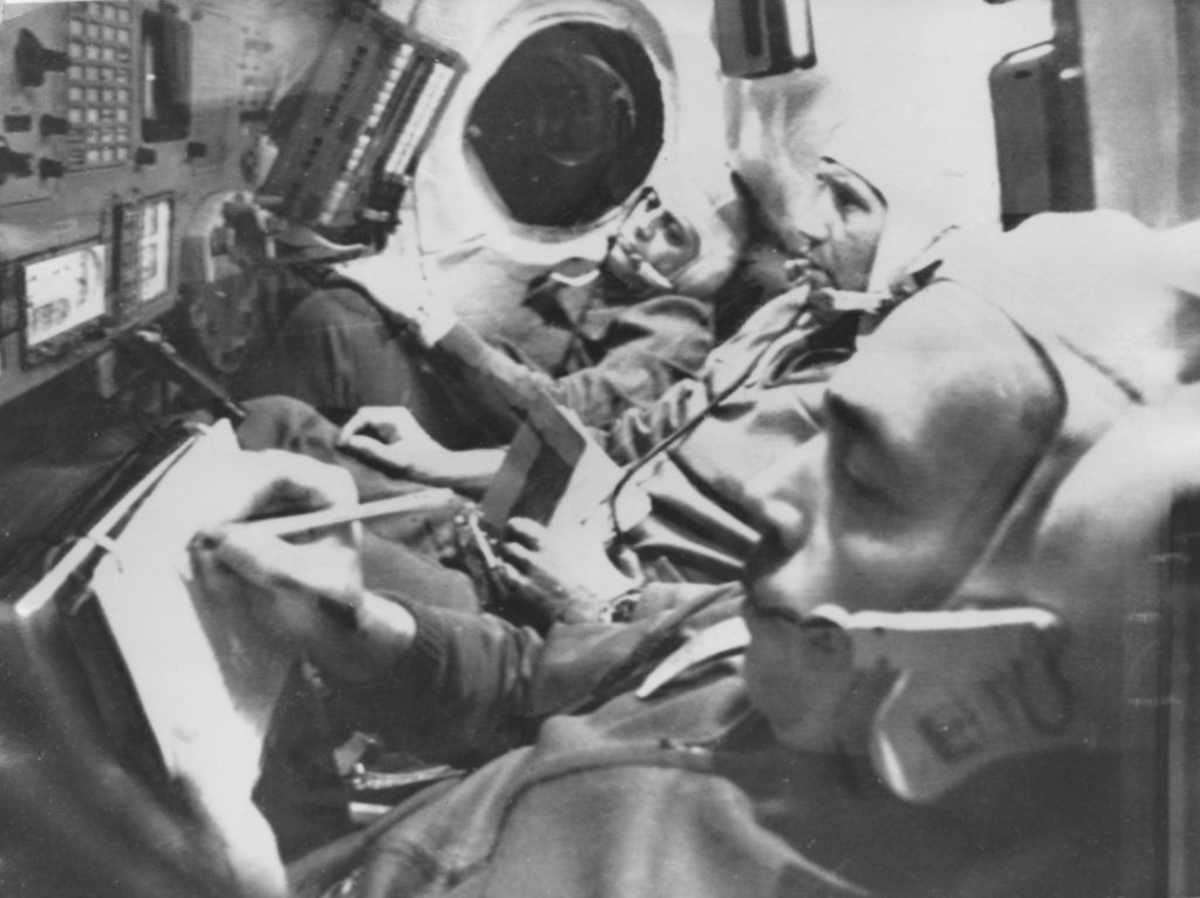
1:47 am Moscow Time, June 30: With Soyuz still at an altitude of 104 miles (168 kilometers) above Earth, the three sections of Soyuz separated using explosive bolts. This was the moment when things went horribly wrong. While the 12 pyro-cartridges for the separation were meant to fire in a sequence, they ended up firing simultaneously. The combined structural shock prematurely opened a pressure equalization valve, which was supposed to open only after the descent module had already entered the upper atmosphere and had its parachutes deployed. However, because this happened when they were still in a near-vacuum, the air inside rapidly vented out of the module, and an attempt by one of the crew members to manually block the leakage failed. As a result, the cosmonauts lost consciousness—an official NASA publication notes that the crew was exposed to the vacuum environment for 700 seconds.
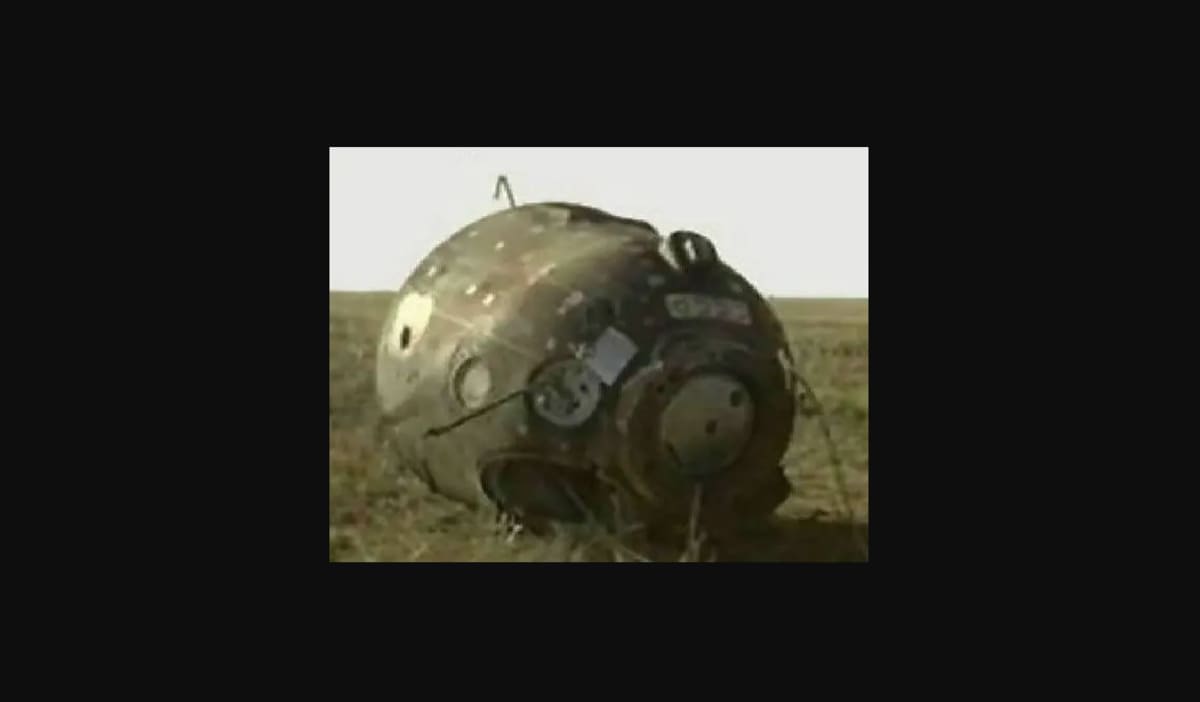
2:16 am Moscow Time, June 30: Exactly 29 minutes after the fatal separation, Soyuz 11's descent module touched down softly at a site 320 miles east of Zhezkazgan in Kazakhstan. Until this point, there had been a longer-than-usual radio silence. Unlike a normal communications blackout caused during re-entry, this silence began prematurely right after module separation, provoking severe anxiety among ground controllers who suspected a major system failure. When recovery teams opened the hatch, they found the crew lifeless, with dark-blue patches on their faces and trails of blood from their noses and ears. Investigations later revealed that the sudden drop in pressure exposed the cosmonauts to a vacuum environment. According to NASA, this sudden pressure drop and exposure to vacuum caused the oxygen and nitrogen in the crew’s bloodstreams to bubble and rupture blood vessels, resulting in deadly hemorrhaging in the brain, inner ear, and nasal cavity, which explained the trails of blood.
Subsequent investigations have shown that had it not been for the absence of many of the safety measures that are common in crewed spacecraft today, the Soyuz 11 crew would have survived. Today, NASA astronauts and cosmonauts are considerably safer as a direct result of the Soyuz 11 crew's unfortunate passing, thanks to the subsequent development of advanced leak warning systems and mandatory Launch, Entry, and Abort (LEA) pressurized suits.
More on Starlust:
NASA tests lunar spacesuit underwater in simulated Moon gravity for the very first time