On this day in 1971: How Soyuz 11's record-breaking mission ended in tragedy and changed spaceflight forever
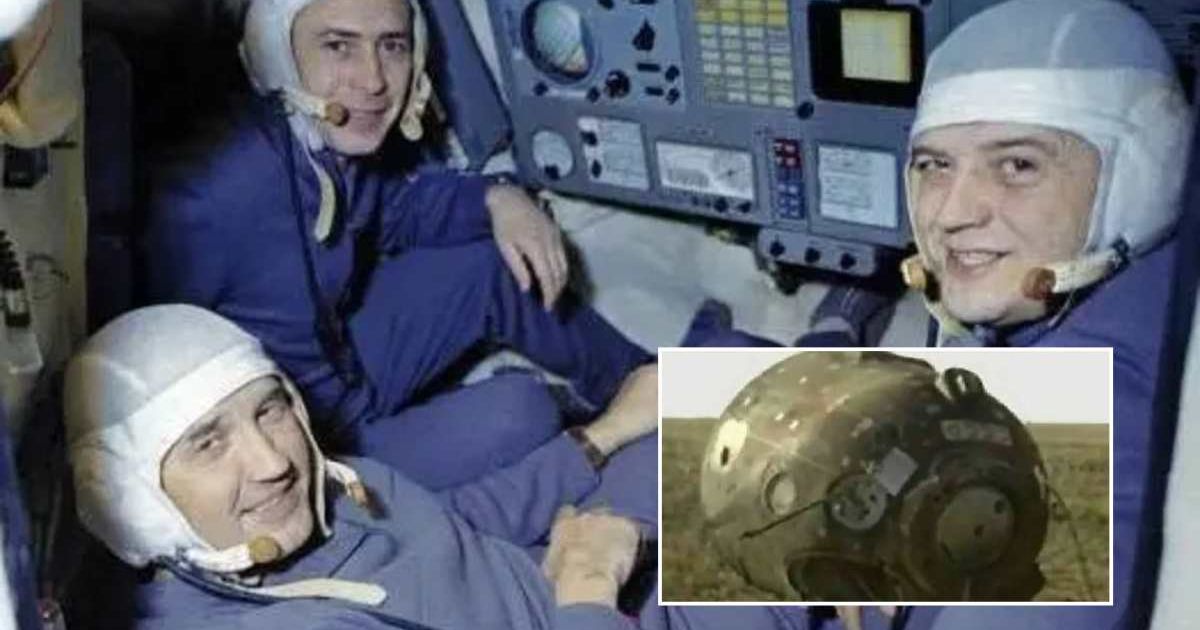
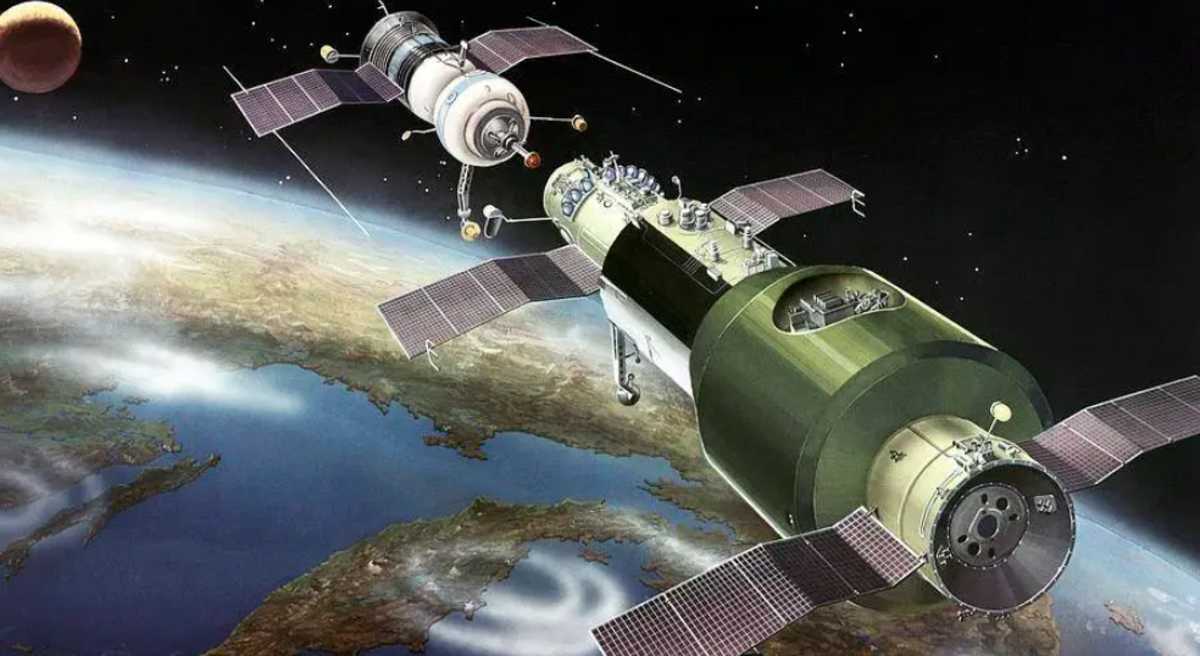
The Soviet Union achieved a monumental milestone in 1971 when Georgi T. Dobrovolskli, Vladislav N. Volkov, and Viktor I. Patsayev became the first cosmonauts to board Salyut, the world's first space station that was launched in April the same year. The trio, which had flown to the station onboard the Soyuz 11 spacecraft, spent more than three weeks living and working there, setting a new human endurance spaceflight record in the process.
However, what was otherwise a triumphant mission ended in disaster when a sudden mechanical failure caused an untimely depressurization of the Soyuz 11 descent module when the crew was on its way home. A pressure valve burst open to the vacuum of space and vented out the air inside the cabin, claiming the lives of the three crew members, who weren't wearing pressurized spacesuits.
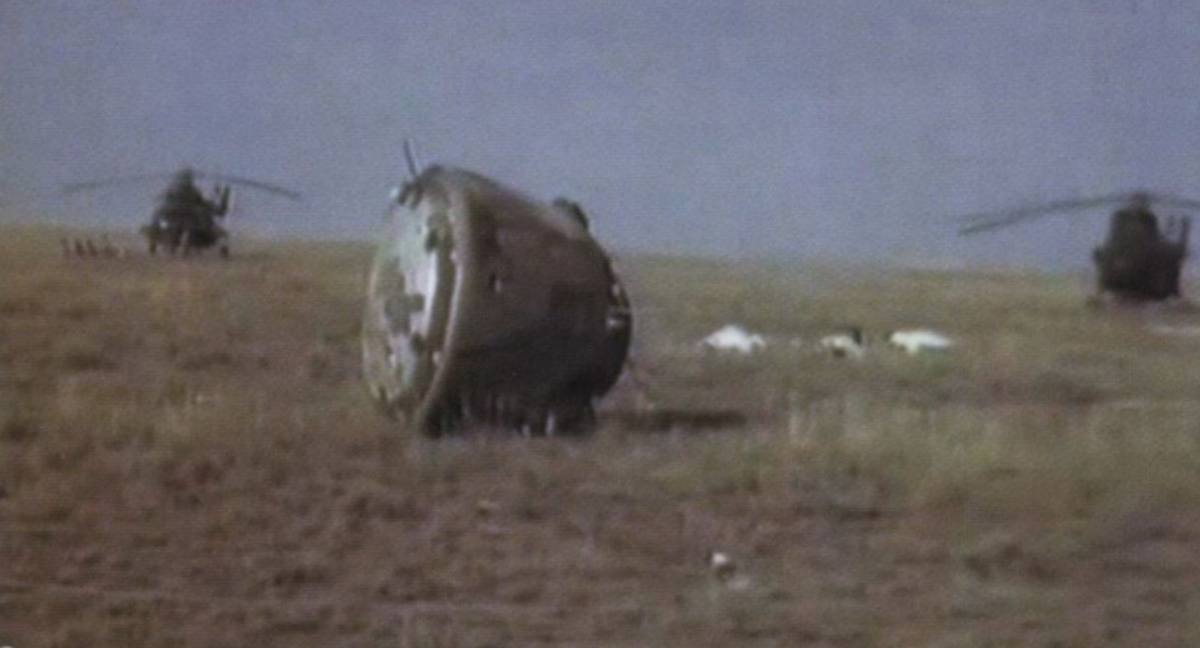
A record-setting mission
During the 23-day stay that started with the opening of the Salyut hatch for the first time ever on June 7, the Soyuz 11 crew successfully conducted a wide range of experiments inside the newly inhabited orbital outpost. The Salyut was a piece of technological marvel for its time. It was 43 feet long, weighed 40,620 pounds, had 3,500 cubic feet of habitable volume, and had been packed with 2,600 pounds of science equipment for a whole host of astronomical observations, including those of the Sun.
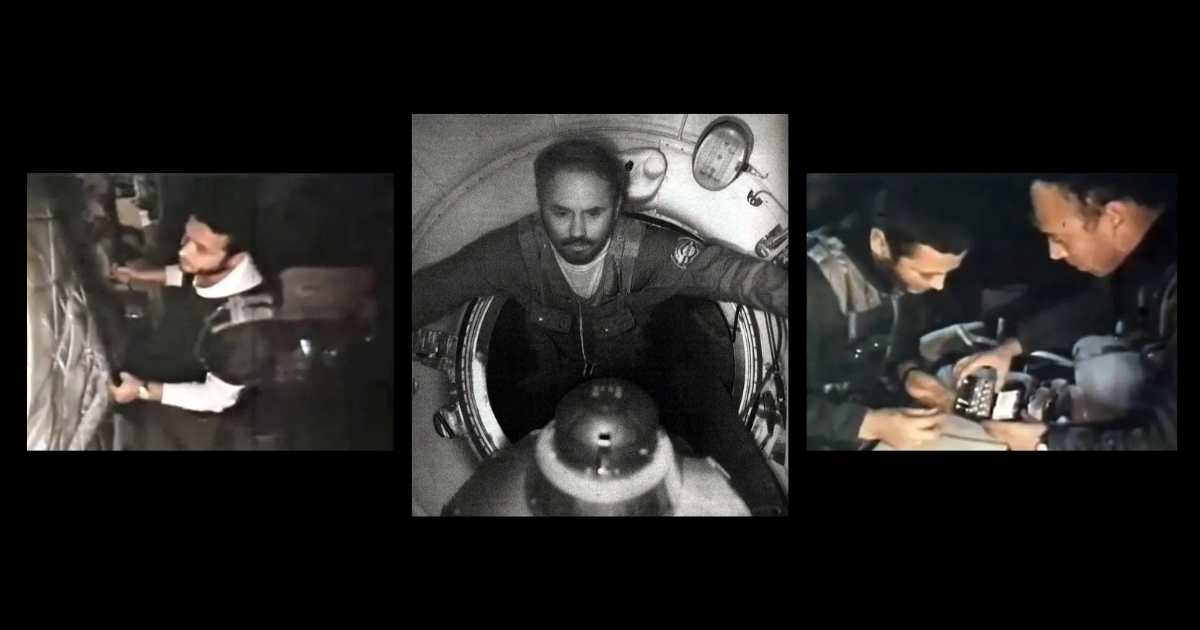
The three crew members studied how the human body adapts to long periods of weightlessness, regularly checking their health. To maintain muscle strength, they used an onboard treadmill, workout bands, and specialized suits. They enjoyed a larger food menu than previous cosmonauts and grew plants as part of their science investigations. In fact, during their stay they also broke the previous 18-day human spaceflight endurance record set by the Soyuz 9 crew in June 1970. Finally, on June 29, with the mission nearing its end, they reactivated the return spacecraft, packed films and samples that were to be brought back to Earth, and closed the hatch between Salyut and Soyuz. An instrument panel light, however, indicated that the hatch to the descent module had not been sealed properly. This triggered an inspection, after which both the crew and ground control were convinced that the seal had been properly closed even though the panel light stayed on. After separating from Salyut, the Soyuz spacecraft was oriented by Dobrovolski to perform the re-entry burn, with landing scheduled for June 30.
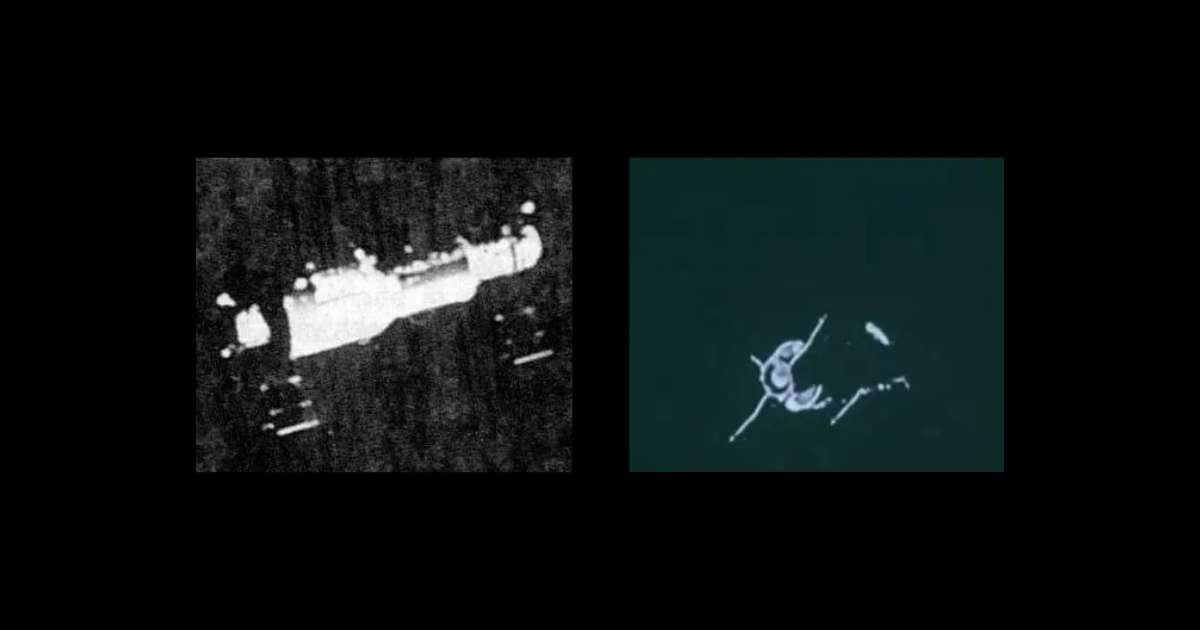
The disaster during the separation
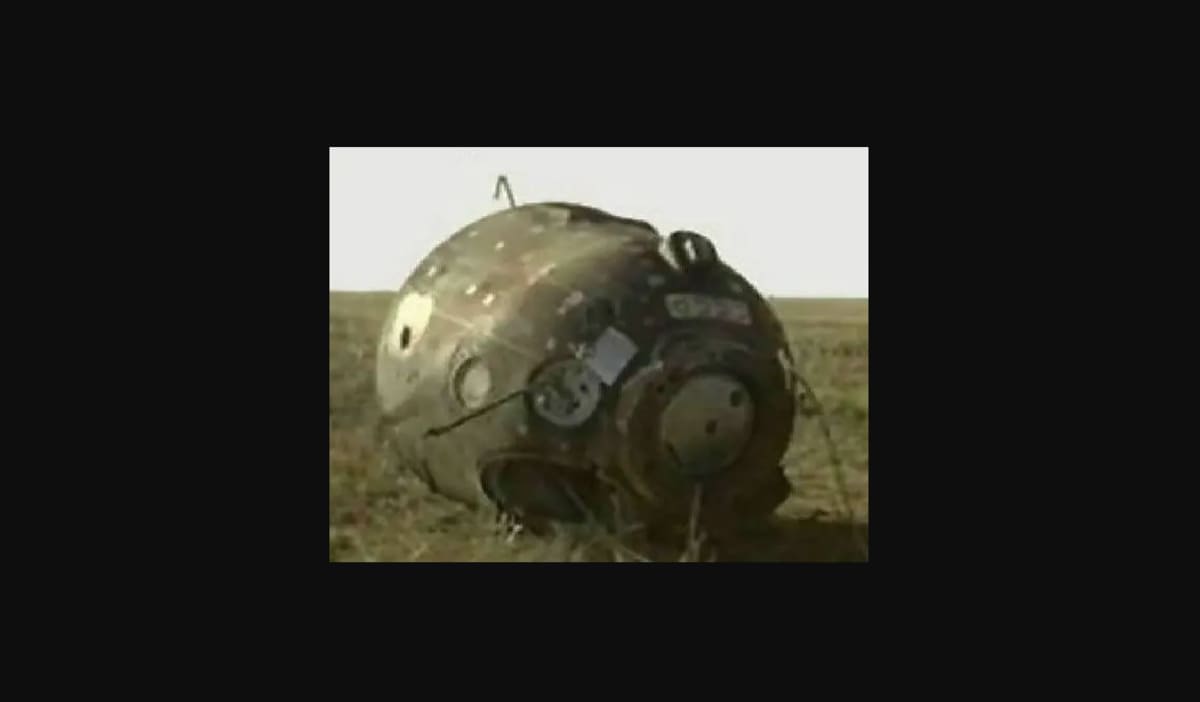
To descend back to Earth, the Soyuz spacecraft had to break apart into three different sections, with the crew being housed in the middle bell-shaped descent module. The separation of the vehicle took place with the aid of explosive bolts, which investigations later revealed fired altogether instead of sequentially. Just 30 minutes before landing, the shock from the bolt explosions going off caused a pressure valve to open prematurely, rapidly venting the air from within the Soyuz descent module.
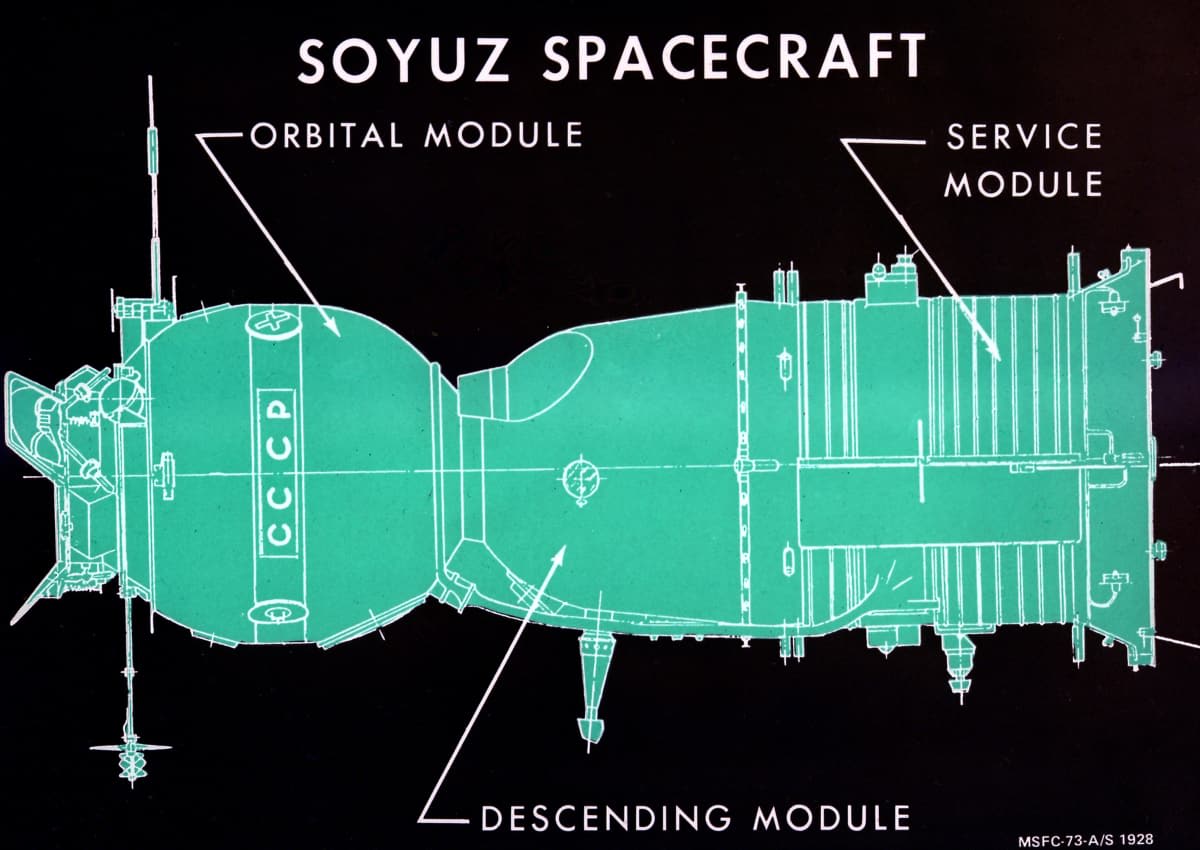
Because the open valve was located under a seat, it proved to be impossible to reach in time. The crew lost consciousness within seconds because of the drop in pressure. The spacecraft itself continued to descend using its autonomous systems, with ground controllers only worried about the lack of voice communications at the time. It was only later, when recovery teams opened the Soyuz hatch and attempted to resuscitate the crew, that it was established that the cosmonauts had perished.
Shaping the future of spaceflight
Investigation revealed that the tragedy may have been avoided had the crew been wearing pressurized spacesuits during the re-entry. As a result, mandatory flight suits during launch, entry, and abort procedures were standardized. The Sokol spacesuits worn by astronauts when going to the International Space Station were introduced in the aftermath of Soyuz 11.
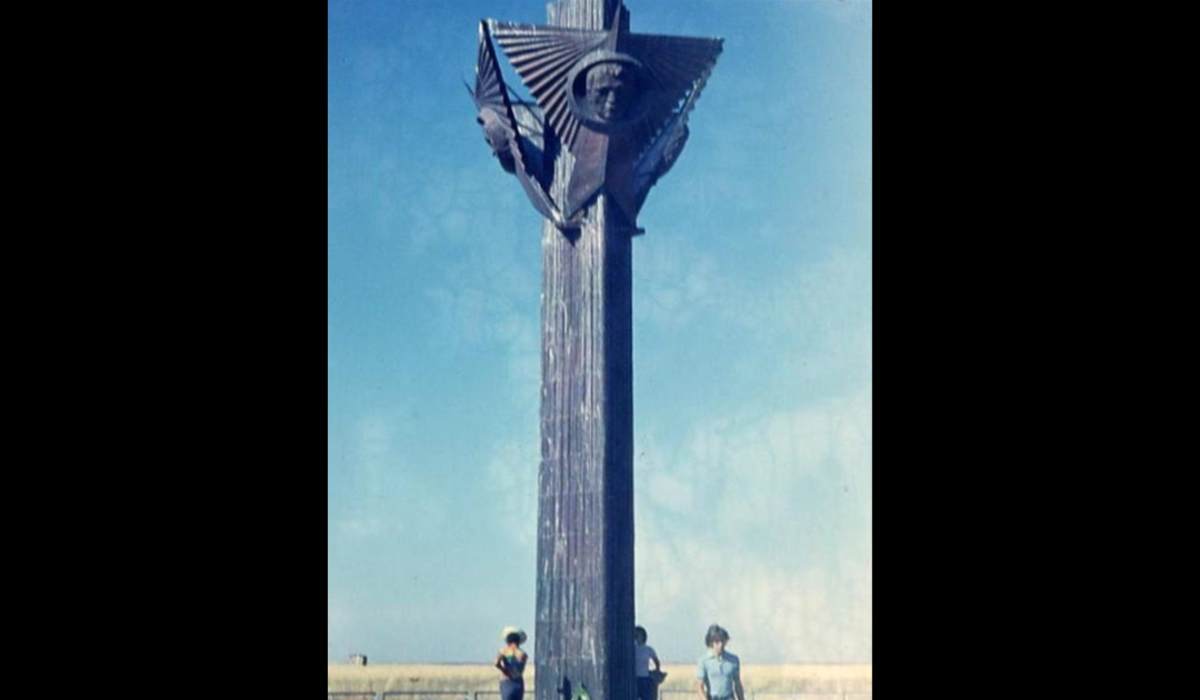
Spacecraft regulations were also fundamentally changed to dictate that any valve venting air outside must feature automatic fail-safe, with manually accessible shut-off systems. In fact, manual ventilation valve handles were added to the Soyuz spacecraft in the aftermath of the tragedy.
More on Starlust
Next-gen spacesuit delays threaten NASA's Artemis program and ISS operations, report warns
Russian segment of the International Space Station has begun leaking again, raising safety concerns