Elon Musk's SpaceX targets July 23 to launch Starship on Flight 13 after recent scrub
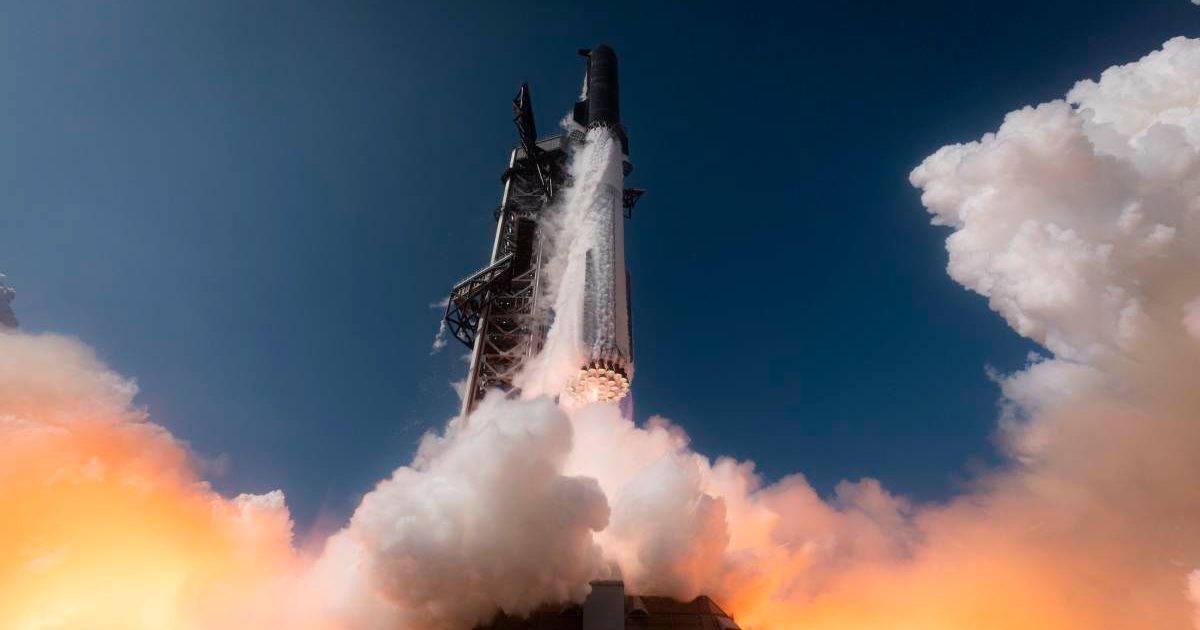
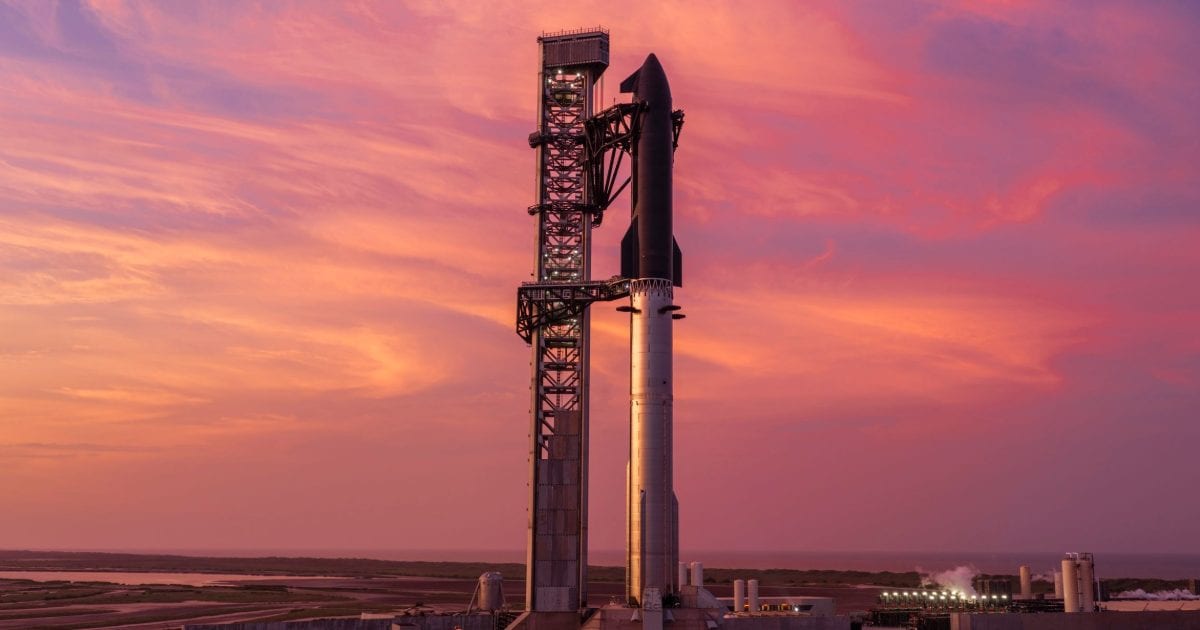
SpaceX is targeting the 13th integrated test launch of its Starship rocket on Thursday, July 23, the company announced on Monday. The liftoff is scheduled to take place from the company's facilities in Starbase, Texas, during a 90-minute launch window, which will open at 5:45 pm CDT/6:45 pm EDT. The announcement comes just days after a technical issue rendered the first attempt at launching Flight 13 unsuccessful. In a post on X, SpaceX CEO Elon Musk revealed that some of the engines of the Super Heavy booster had failed to start, triggering an automatic launch abort.
Now targeting to launch Starship’s thirteenth flight test as early as Thursday, July 23 → https://t.co/Rp7VwBzpWx pic.twitter.com/Y0YNzfc5zk
— SpaceX (@SpaceX) July 19, 2026
The next mission will be the second for Starship’s Version 3 or V3, which made its debut on May 22. While it lifted off flawlessly, the engines of both the first and the second stages malfunctioned during the flight.
Starship ready to fly with improvements
On Flight 12, five of the Super Heavy's 33 Raptor engines experienced issues when attempting to re-light, causing the boostback burn to end early. In response, SpaceX revealed it had made "hardware modifications to improve re-light reliability along with updates to engine alarms and aborts to match the conditions seen in the multi-engine flight environment" ahead of the first launch attempt of Flight 13 on July 16. After that launch was scrubbed, Musk also said that two of the engines would be replaced before the attempt that would follow. On Thursday, the booster will be tested for a successful launch, ascent, stage separation, boostback burn, and landing burn in the Gulf of America.
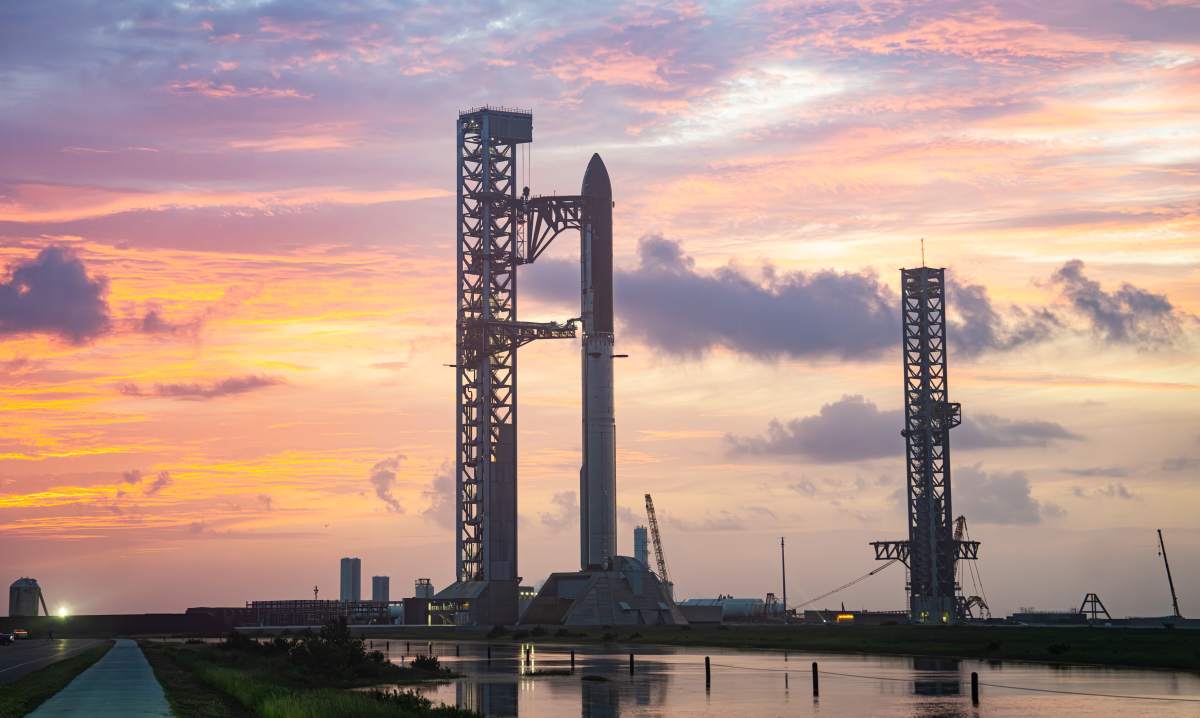
The second stage also encountered problems during Flight 12. It lost one of its three vacuum-optimized engines just 40 seconds after stage separation, although it was able to demonstrate its engine-out capability and reach its planned suborbital trajectory. The objectives for the upper stage on Flight 13 are deployment of 20 Starlink V3 satellites, a relight of a single Raptor engine while in space, and a controlled entry, descent, and splashdown in the Indian Ocean. It is the first time that Starship is carrying V3 satellites that will attempt to connect with the larger Starlink constellation via high-capacity lasers before falling back to Earth 20 minutes after deployment.
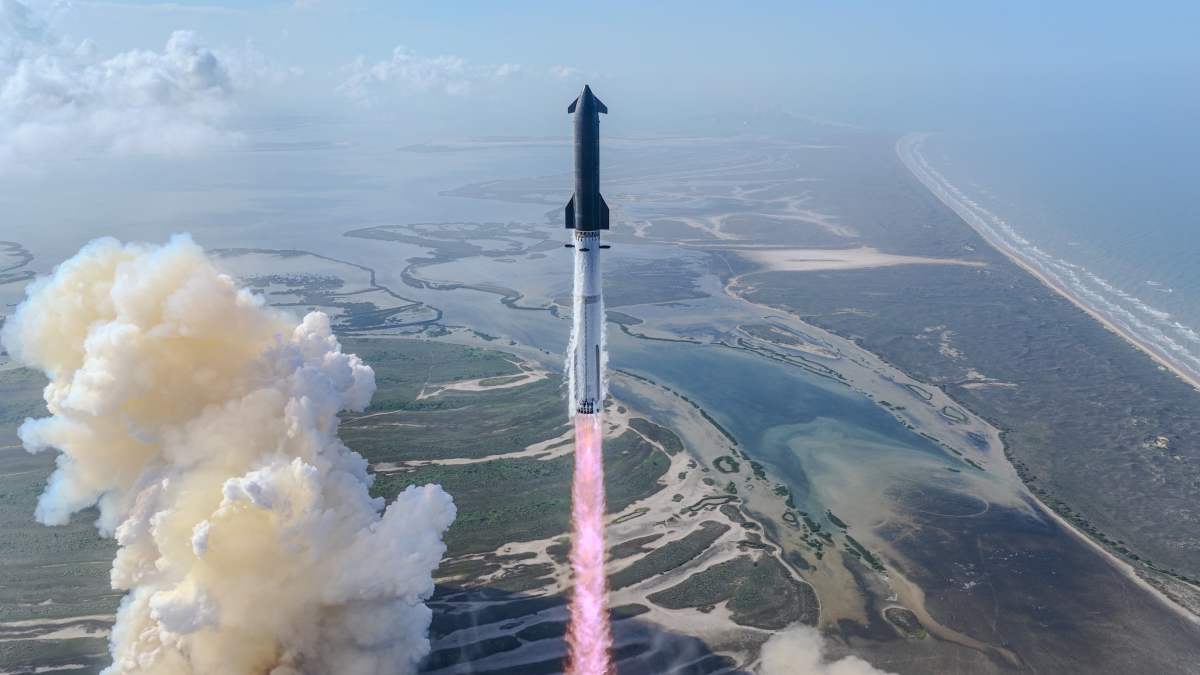
Six of those satellites will also capture Starship’s heatshield performance during atmospheric reentry. "Several upgrades and experiments related to Starship’s heatshield will also be tested to continue iteration towards a fully and rapidly reusable design," SpaceX said. Starship will play a huge role in NASA’s Artemis III, in 2027, where a Starship lander test article will rendezvous and dock with the crewed Orion spacecraft in Earth orbit. The mission will pave the way for Artemis IV, which will take astronauts back to the surface of the Moon the year after, onboard either Starship's Human Landing System or Blue Origin's Blue Moon Mark 2 lander.
More on Starlust
NASA reveals finer details of how Artemis III's design will shape future crewed lunar missions
How SpaceX's Starlink will give you a front row seat to NASA's Artemis III mission