Partial Lunar Eclipse on August 27-28, 2026: Will weather affect visibility in the U.S.?
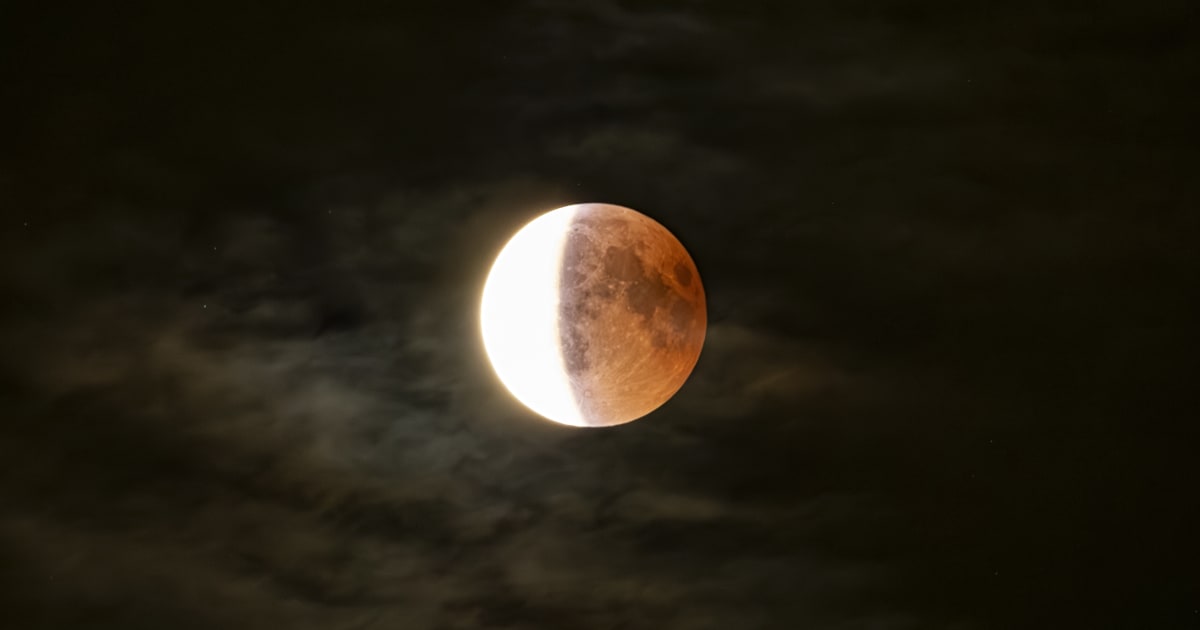
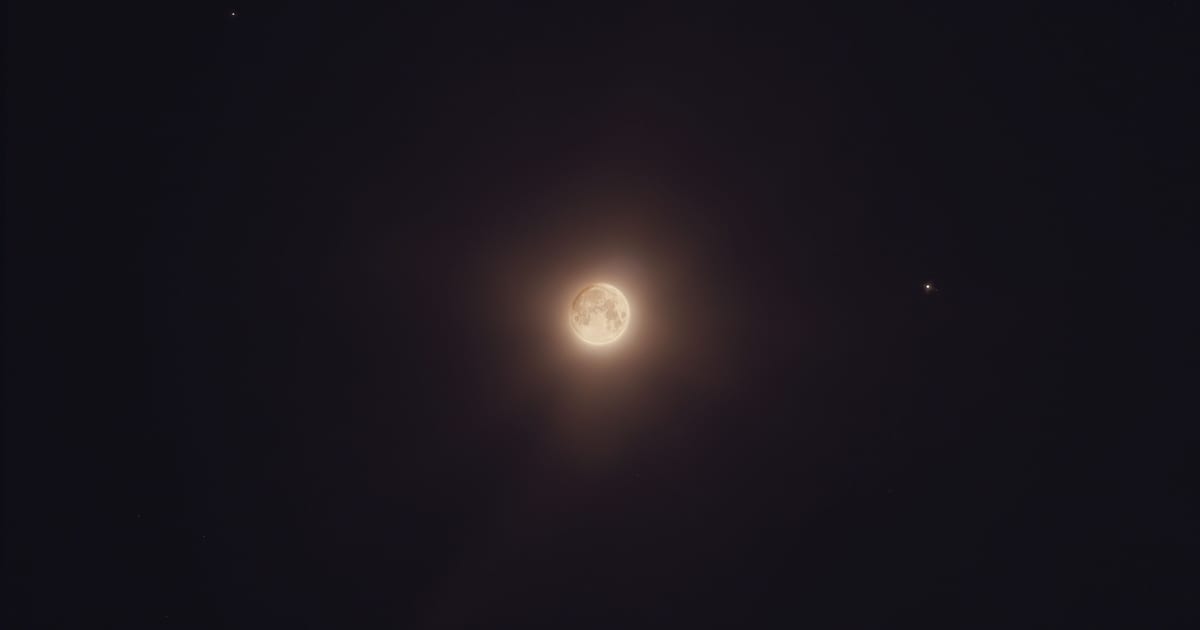
In a few days from now, a partial lunar eclipse featuring a coppery-red Moon will be seen over the U.S. and other parts of the world. On the night of August 27–28, 2026, skywatchers will be offered spectacular views of our only natural satellite. However, there is a chance that weather could affect visibility in some places. Here's what you need to know about weather conditions and cloud cover over different regions of the U.S. on the night of the eclipse.
What conditions to expect on the night of the August 27–28 eclipse?
Cloud cover is one of the biggest impediments to observing an eclipse. However, there's good news for skywatchers. Given that it's still summer in the U.S., large-scale storm systems that spread clouds far and wide are less likely to develop.
Further, a heat dome—a weather phenomenon that hinders the development of clouds—anchored in the Southwest of the U.S. is likely to keep skies clear of clouds over parts of the country, reported The Weather Channel. Region-specific forecasts are given below.
Northeast
According to the channel's forecast models, the Northeast might experience scattered showers and thunderstorms, which could hinder visibility from the Mid-Atlantic to New England.
Midwest
There's good news for skywatchers in the Midwest, as viewing conditions are expected to be favorable and largely cloud-free. Viewers in parts of Kansas and Nebraska, however, could have a hard time as scattered thunderstorms are expected. While Iowa and Missouri are not expected to get storms of their own, clouds from Kansas and Nebraska could drift over, causing some visibility issues.
West
Great viewing conditions are expected throughout the West of the country, with only isolated showers and thundershowers forecast for the Rockies and Desert Southwest.
South
Weather conditions in most of the southern states are expected to allow skywatchers a view of the eclipse, with Oklahoma and Texas expected to have great conditions. That said, there is a possibility of scattered showers and storms on the southeastern side, from Virginia through the two Carolinas to Florida, as well as in the Lower Mississippi Valley, according to The Weather Channel.
About the August 27–28 lunar eclipse
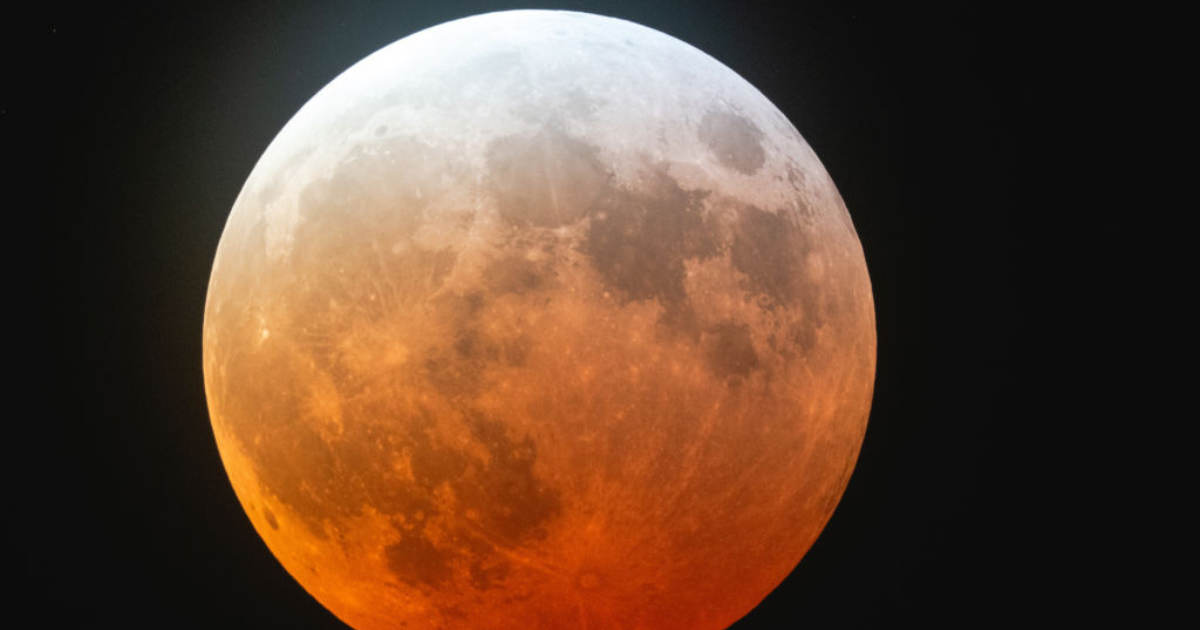
The August 27–28 lunar eclipse is just short of a total eclipse and will see 96.3% of the Moon slip into Earth's umbra, the central part of the shadow of our planet, where the Sun is completely blocked. Notably, this will be the deepest partial lunar eclipse for over two years, and a 96% coverage won't be seen again until December 31, 2028. As for the coppery red hue of the Moon during the eclipse, that color comes from sunlight bending through Earth's atmosphere and hitting the shadowed part of the Moon, the phenomenon that also causes a 'Blood Moon'.
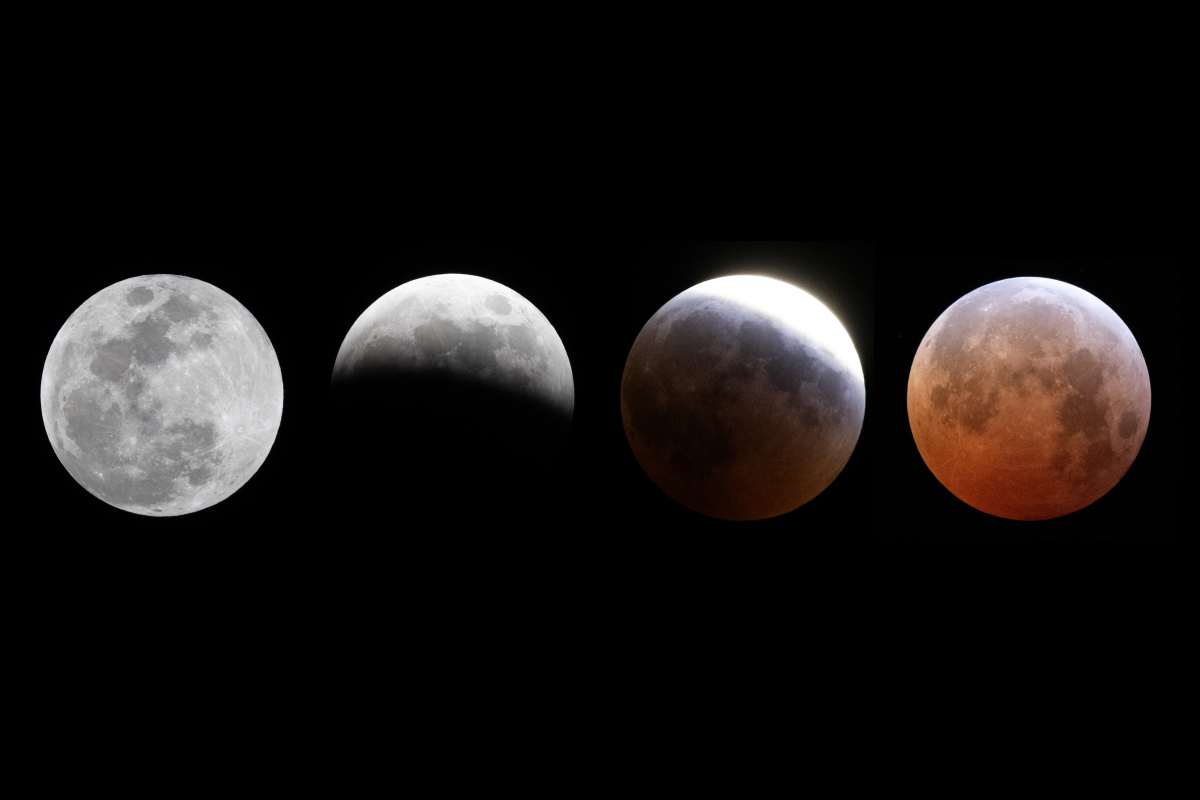
The eclipse will begin at 10:33 p.m. EDT on the night of August 27 (2:33 a.m. UTC on August 28) and reach its deepest point, called maximum eclipse, at 12:12 a.m. EDT on August 28 (6:33 a.m. UTC on August 28). Apart from the U.S., it will be visible to viewers in all of North America, South America, Europe, Africa, and Western Asia. Check details on best viewing locations here.
More on Starlust:
Moon Phases 2026: What will the Moon look like on August 27-28?
August 27-28, 2026 Partial Lunar Eclipse: How to watch the spectacular event live online