August 27-28, 2026 Partial Lunar Eclipse: How to watch the spectacular event live online
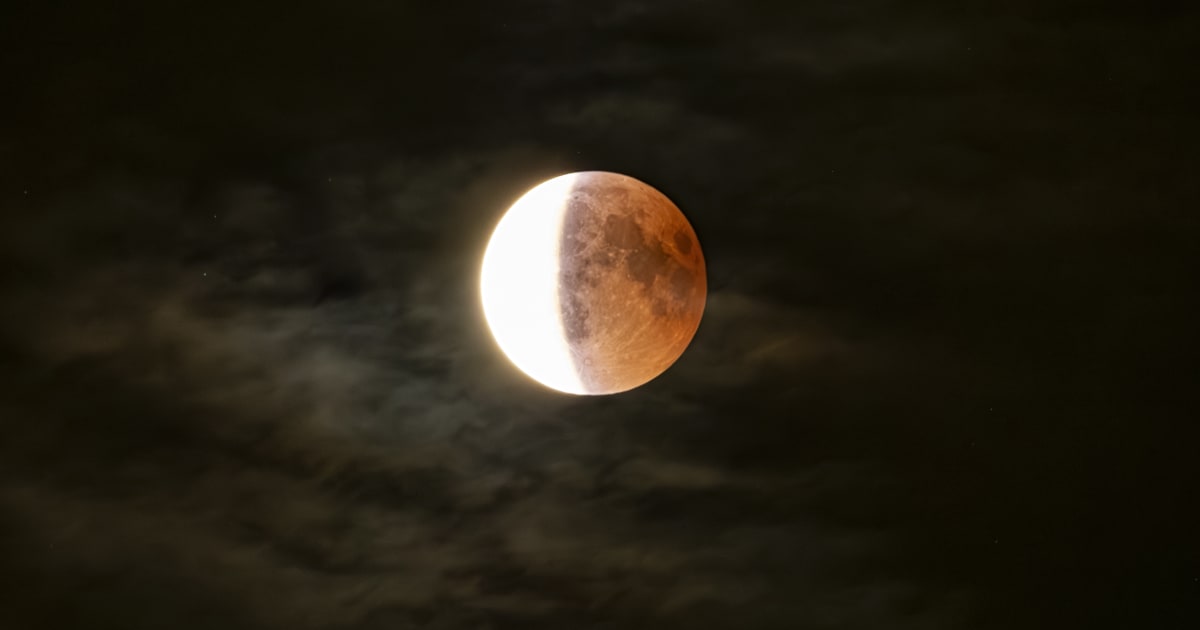
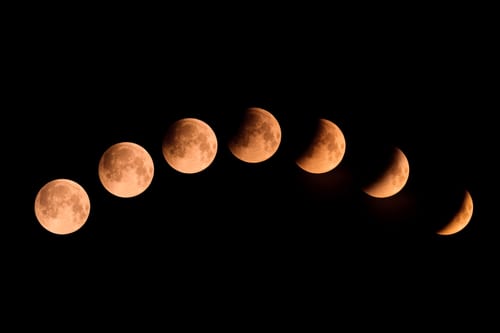
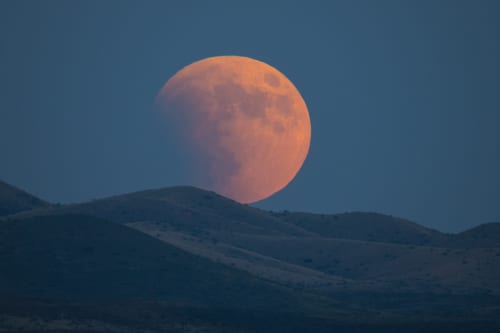
We are just days away from another rare celestial event that will take place next week. A very deep partial lunar eclipse will occur on August 27-28 and it will be visible to billions of residents across the Americas, Europe and Africa. During the eclipse, the Moon will turn almost into a ‘blood Moon’ turning coppery red as it moves through Earth’s shadow.
When does the eclipse start?
According to NASA, the eclipse will start at 8:23 pm CDT on August 27—that’s when the Moon starts entering Earth’s outer shadow called the penumbra.
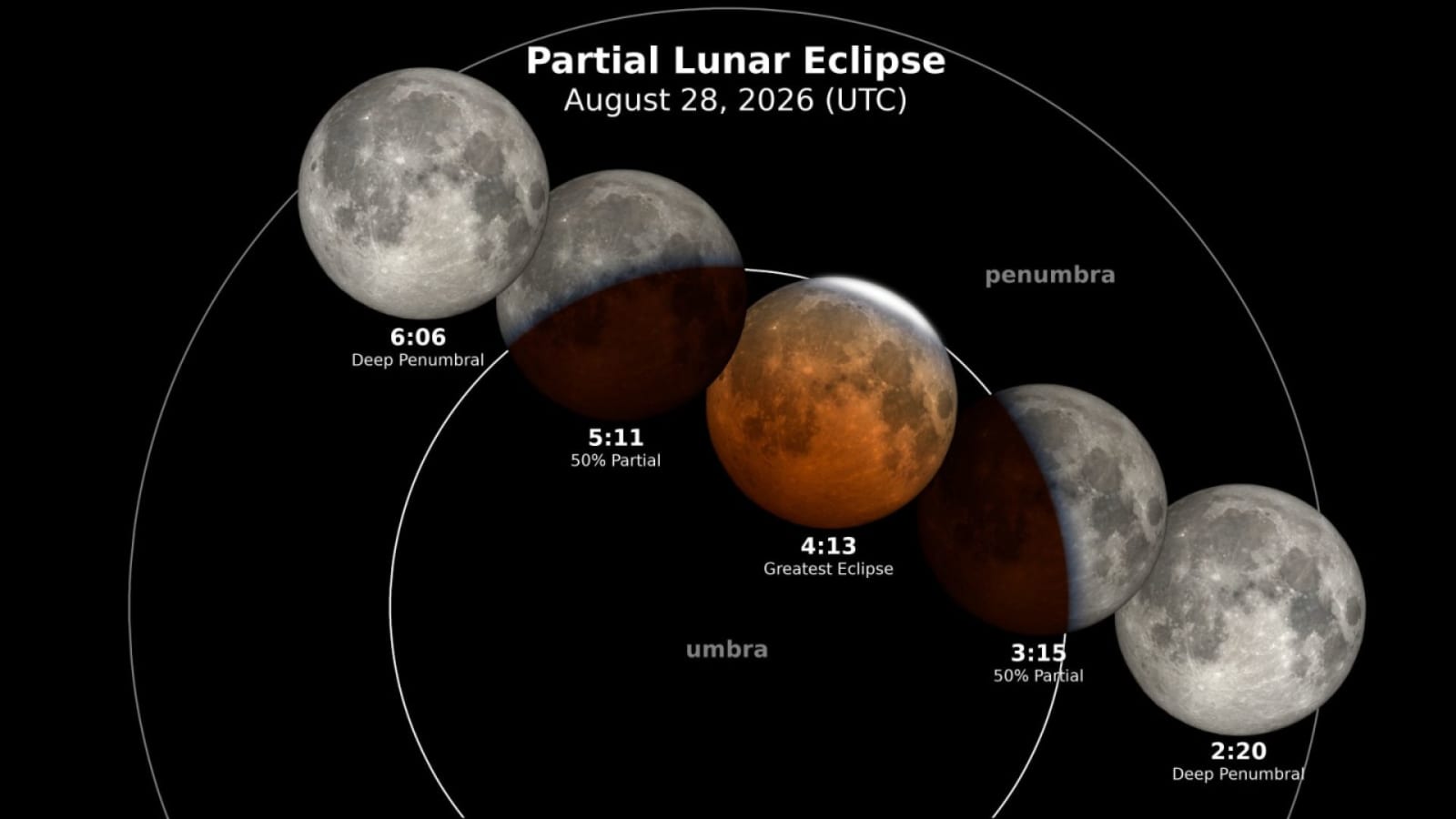
At 9:33 pm, the Moon will enter the inner shadow called the umbra and the eclipse will peak at 11:12 pm turning the lunar surface into coppery red. The Moon will remain in the umbra until 12:52 am CDT on August 28, and the eclipse will end when the penumbral phase is over at 2:02 am.
How to watch the event live?
There are several webcasts planned to watch the event live. Timeanddate.com will begin its livestream at 9 pm CDT on August 27 on its YouTube channel which you can access here. The Virtual Telescope Project has also scheduled a livestream on YouTube which will begin at 8:30 pm CDT on August 27.
NASA will also most likely organise a livestream of the event and details of the webcast is currently awaited. The eclipse won't be visible for skywatchers in Australia, India, China, and Japan as the Moon will sit below the horizon during the eclipse window but they can still follow the event via these livestreams.
Prepare for a rare deep partial lunar eclipse
The upcoming lunar eclipse is partial but a deep one, meaning the entire Moon won’t be covered in Earth’s shadow but it will go deep into the umbra. Nearly 96 per cent of the lunar surface will be eclipsed next week, and such an event won’t occur again until December 31, 2028. The phases of the eclipse will be visible equally to everyone on the night side although timings may differ locally.
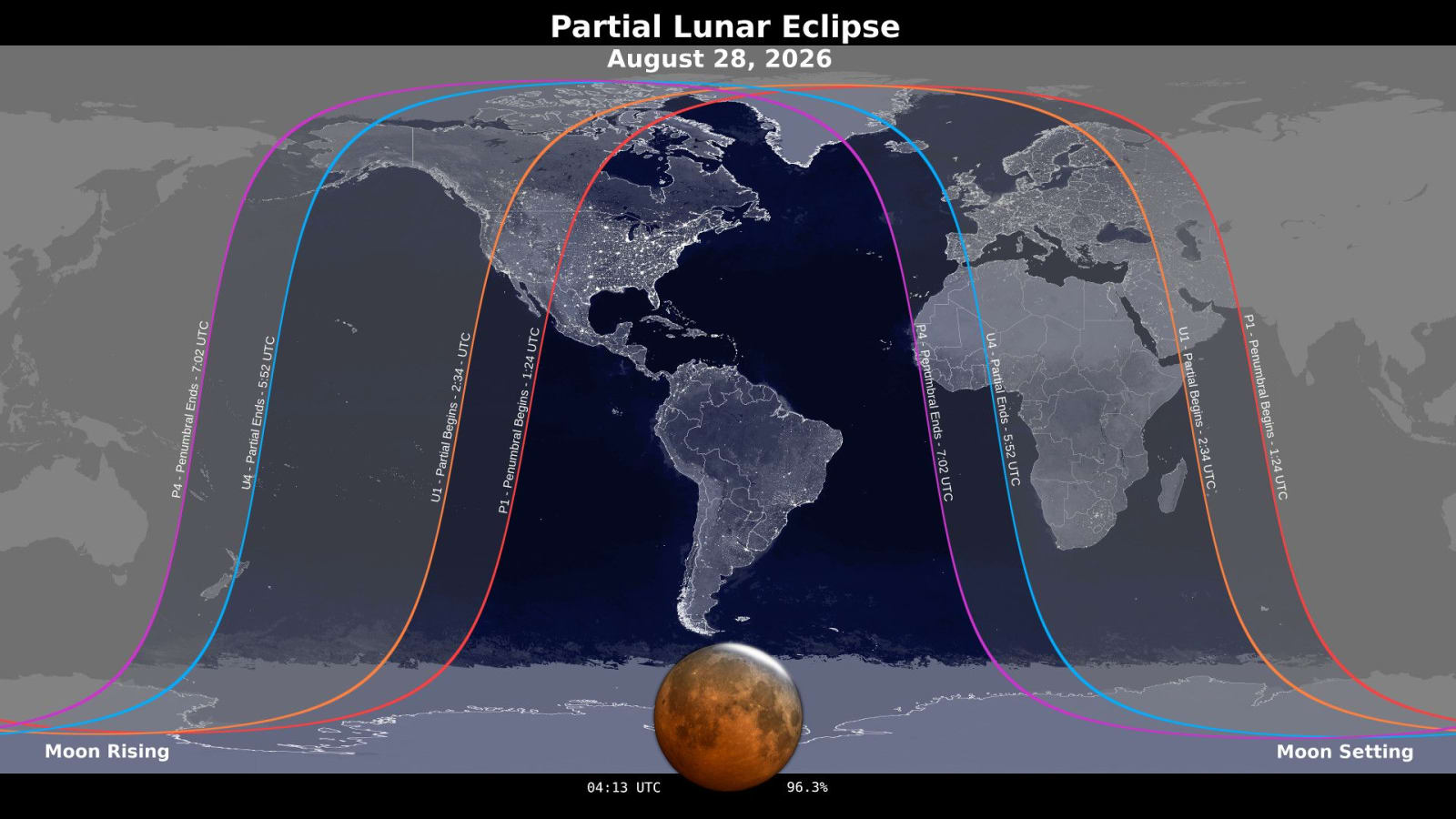
In North American cities of Los Angeles and Portland on the west coast, the maximum eclipse will occur just after midnight local time along with cities such as New York and Jacksonville along the east coast. In the UK and much of Europe, skywatchers will have to stay awake in the late pre-dawn hours—the eclipse there will reach its peak in the western horizon before sunrise. You won’t need any special equipment to watch it but a decent pair of binoculars or a small telescope will definitely make the viewing experience more pleasant.
According to NASA, this lunar eclipse is a member of the Saros 138 series and eclipses in this series are separated by 18 years, 11 days, 8 hours. The previous eclipse of the Saros series occurred on August 16, 2008, and the next one will occur on September 7, 2044.
More on Starlust
Partial lunar eclipse August 27-28, 2026: Time, visibility, and how to watch from the US