Partial Lunar Eclipse on August 27-28, 2026: Best places to watch in America, Europe, Africa and Asia
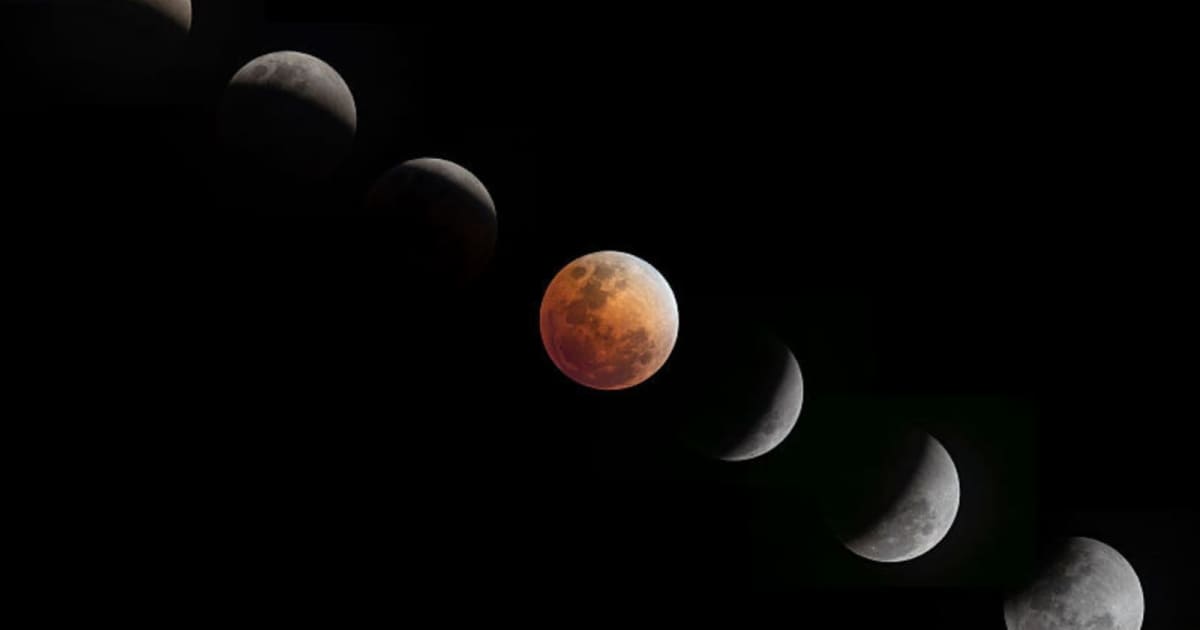
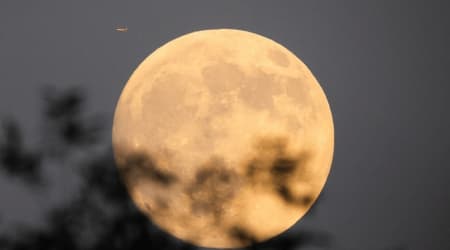
On the night of August 27, billions of people in dozens of cities will experience a deep partial lunar eclipse that will turn the Moon red. The eclipse will last several hours after sunset in the Americas, Africa, and Europe in what will be the best lunar eclipse until December 31, 2028. It will begin when the Moon starts entering Earth’s outer shadow, called the penumbra, at 8:23 pm CDT, and at 9:33 pm, it will enter the inner shadow called the umbra—that’s when the Moon will start taking on a coppery red hue, turning almost into a ‘blood Moon.’
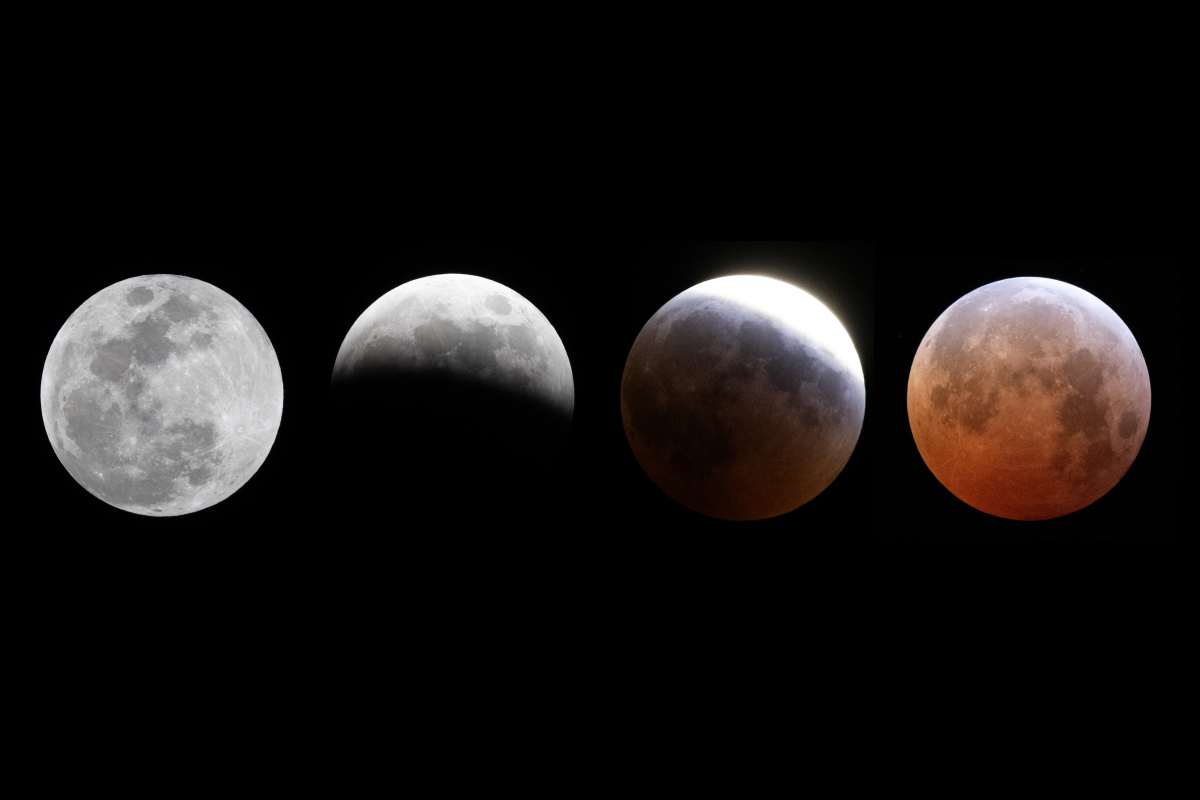
At 11:12 pm, the eclipse will reach its peak and end at 2:02 am on August 28. The entire event will last five hours and 38 minutes, but the local clock times of the eclipse will vary depending on the time zone. About 12 per cent of the world's population (roughly 987 million people) will see all phases of the eclipse while around 16 per cent (1.3 billion) will see all of the partial phase, according to Time and Date.
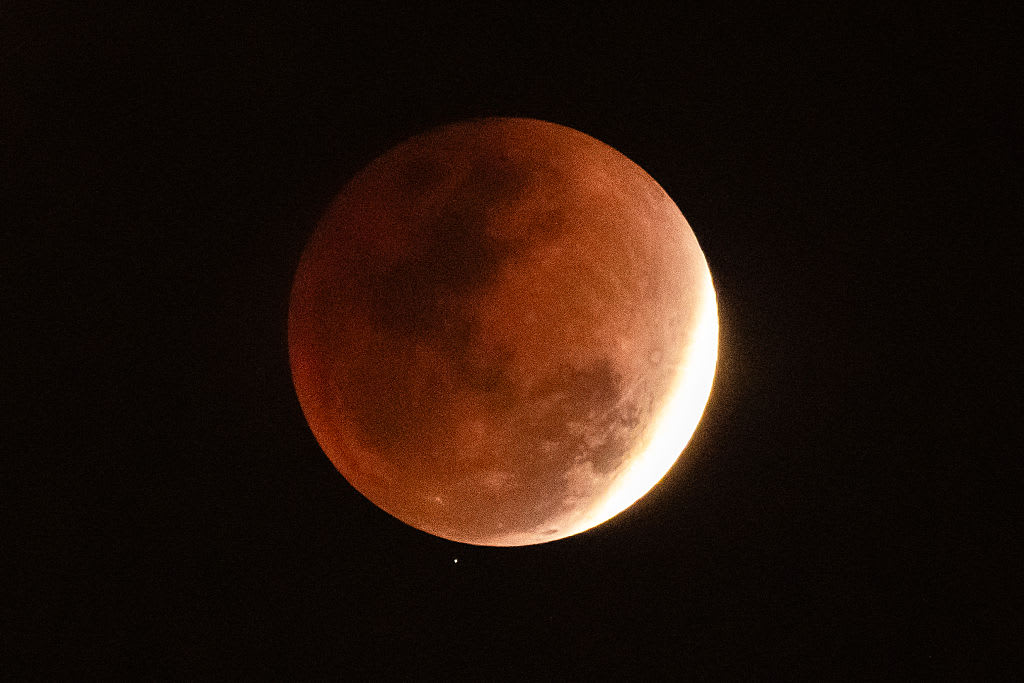
Interestingly, the Moon during this eclipse will be almost a blood Moon and nearly 96 per cent of its surface will be covered in Earth’s shadow.
Major US cities with partial lunar eclipse visibility
The western hemisphere is well placed for the lunar eclipse and both North and South American cities will witness the Moon turn red during the peak. Following is a list of cities in the US where the entire eclipse will be visible:
Washington DC, District of Columbia
New York City, New York
Philadelphia, Pennsylvania
Chicago, Illinois
Detroit, Michigan
Austin, Texas
Dallas, Texas
Kansas City, Missouri
Atlanta, Georgia
Miami, Florida
Boston, Massachusetts
Cleveland, Ohio
Baltimore, Maryland
Indianapolis, Indiana
Pittsburgh, Pennsylvania
U.S. cities where the maximum and ending phases will be visible:
Seattle, Washington
Portland, Oregon
San Francisco, California
Los Angeles, California
San Diego, California
Las Vegas, Nevada
Phoenix, Arizona
Tucson, Arizona
Salt Lake City, Utah
Albuquerque, New Mexico
Major European cities with eclipse visibility
Rome, Italy
Budapest, Hungary
Vienna, Austria
Paris, France
Brussels, Belgium
Lisbon, Portugal
Amsterdam, The Netherlands
Dublin, Ireland
Madrid, Spain
London, UK
Berlin, Germany
Notably, the eclipse in Europe and Africa will occur shortly before sunrise and the Moon will rest low towards the western horizon.
Major African cities with eclipse visibility
Lagos, Nigeria
Casablanca, Morocco
Johannesburg, South Africa
Algiers, Algeria
Cairo, Egypt
Khartoum, Sudan
Abuja, Nigeria
Nairobi, Kenya
Major West Asian cities with eclipse visibility
Because the Moon will set just as the Sun rises in the Middle East, observers in this region will only catch the earliest stages of the eclipse. Cities further east, such as Dubai, Muscat, and Riyadh, will miss the dark partial phase entirely because the Moon will set before it begins. The cities below will see the initial eclipse phases before moonset:
Istanbul, Turkey
Tel Aviv, Israel
Beirut, Lebanon
Damascus, Syria
Baghdad, Iraq
Major South and Central American cities with eclipse visibility
Santiago, Chile
Caracas, Venezuela
Lima, Peru
San Salvador, El Salvador
Mexico City, Mexico
Havana, Cuba
Buenos Aires, Argentina
Guatemala City, Guatemala
Rio de Janeiro, Brazil
Where to watch the eclipse live?
In regions such as Australia and most of Asia where the eclipse won't be visible, skywatchers can resort to livestreams that are scheduled for August 27. Time and Date will begin its stream at 9 pm CDT on its YouTube channel, and the Virtual Telescope Project has scheduled a stream at 8:30 pm CDT on August 27.