Moon Phases 2026: What will the Moon look like on August 27-28?
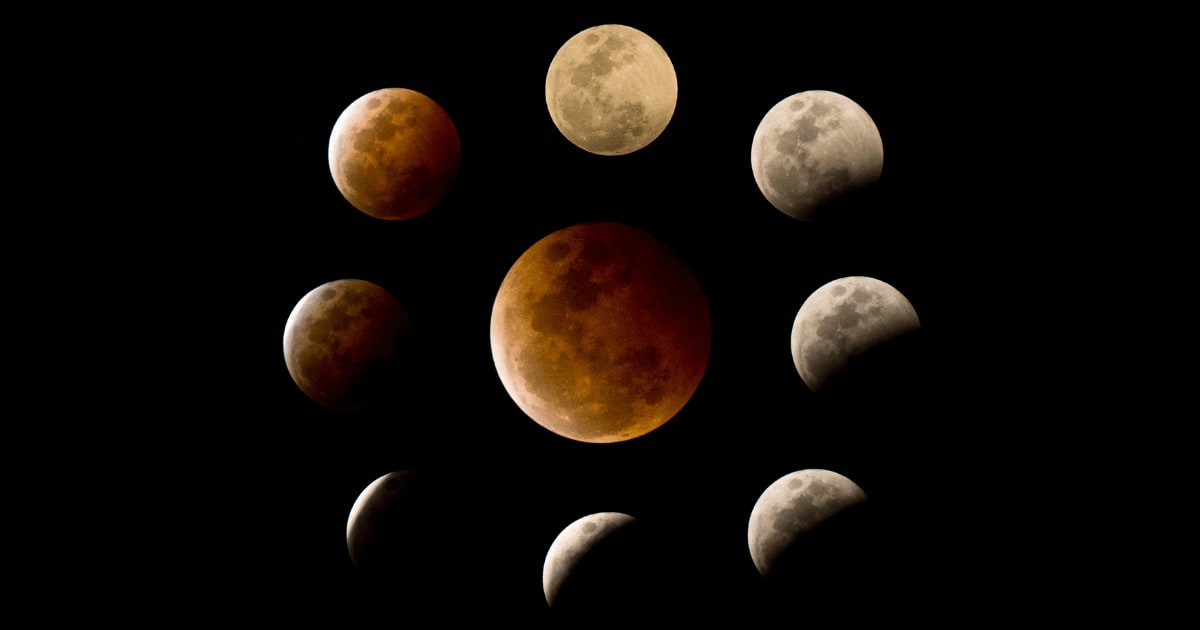
Skywatchers, mark your calendars and set up the alarm, as the 2026 Partial Lunar Eclipse is just a few days away. The event will start on August 27 and stretch past midnight into August 28, 2026. During this event, viewers will see the full moon step into Earth’s shadow, which will also cause the Moon to appear slightly red for a few hours.
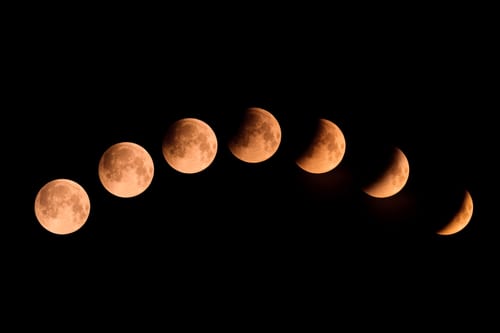
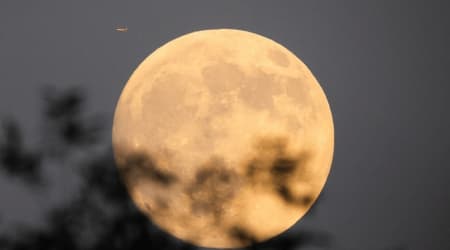
In the days leading up to the eclipse, the Moon will sit in a waxing gibbous phase, where it’s more than half-lit but not yet full. It will grow brighter with each passing day. As per NASA, “On August 28, 2026 (the evening of the 27th in some time zones), the Moon passes into the shadow of Earth, creating a deep partial eclipse. At the moment of greatest eclipse, 4:13 a.m. Universal Time, 96.3% percent of the Moon's disk is within Earth's umbra, the central part of the shadow where the Sun is completely blocked by Earth.”
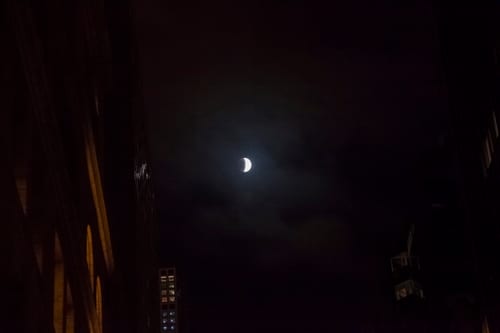
What will the Moon look like on August 27-28?
Stage One: A faint shadow creeps in
The eclipse will officially start at 9:23 p.m. EDT on August 27 (1:23 a.m. GMT on August 28). During this, the outer edge of Earth’s shadow will slide across the Moon’s surface. At this stage, many viewers might not notice the subtle difference, but the darker inner shadow will slowly start to appear.
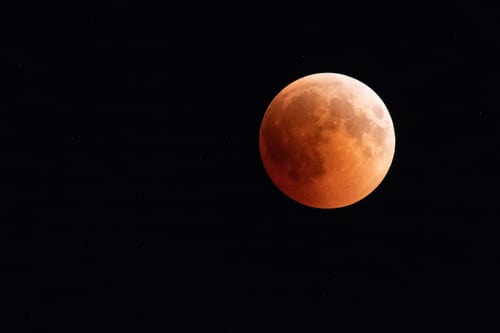
Stage Two: The partial eclipse kicks off
Viewers will see the Earth's inner shadow take a bite out of the Moon at 10:33 p.m. EDT (2:33 a.m. GMT). This marks the start of the partial phase. That shadow will first appear as a small dark curve near two lunar plains called Oceanus Procellarum and Mare Humorum, on the Moon's southwestern edge. Soon after, it will spread across the rest of the surface.
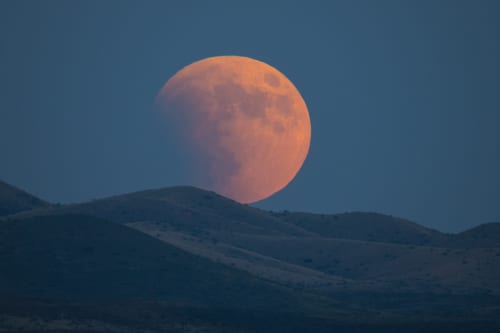
Stage Three: The eclipse peaks
The maximum eclipse will appear at 12:12 a.m. EDT (4:12 a.m. GMT) on August 28. This is when Earth's shadow covers 96% of the Moon and leaves only a thin, sunlit sliver glowing along its northern edge. Around this peak, the shadowed portion of the Moon may take on a reddish tint. This is caused by sunlight, as it bends through Earth's atmosphere before landing on the lunar surface.
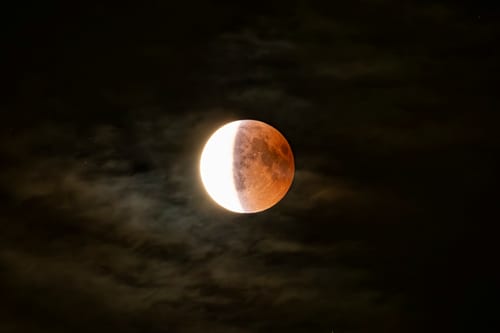
Stage Four: The shadow pulls back
After the peak, Earth's inner shadow will move away from the Moon and the reddish glow will fade. More of the surface will return to direct sunlight with impact. Viewers will see the inner shadow leave the Moon’s surface by 1:51 a.m. EDT (5:51 a.m. GMT). The Moon will then return to its normal brightness. The outer shadow will leave the surface at 3:01 a.m. EDT (7:01 a.m. GMT). You don’t need a telescope to watch this event, as it will be visible with the naked eye.
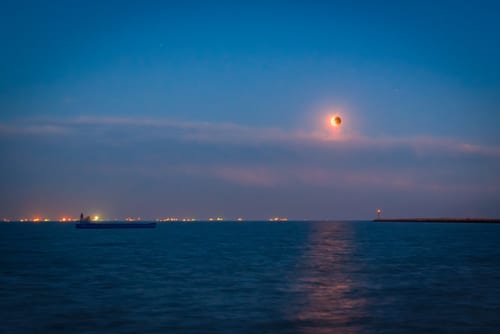
When and where to watch the Partial lunar eclipse on August 27-28, 2026?
This year’s partial lunar eclipse will be visible to skywatchers from North America, South America, and parts of Europe and Africa. Those watching from the UK and Europe will see it in the early morning. Check the city-wise timing for the event below.
| City | Start of partial eclipse (EDT) | Maximum eclipse (EDT) | End of partial eclipse (EDT) |
| New York | 22:33 (Thu, Aug 27) | 00:12 (Fri, Aug 28) | 01:51 (Fri, Aug 28) |
| Los Angeles | 19:33 (Thu, Aug 27) | 21:12 (Thu, Aug 27) | 22:51 (Thu, Aug 27) |
| Chicago | 21:33 (Thu, Aug 27) | 23:12 (Thu, Aug 27) | 00:51 (Fri, Aug 28) |
| San Francisco | 19:33 (Thu, Aug 27) | 21:12 (Thu, Aug 27) | 22:51 (Thu, Aug 27) |
| Boston | 22:33 (Thu, Aug 27) | 00:12 (Fri, Aug 28) | 01:51 (Fri, Aug 28) |
| Seattle | 19:33 (Thu, Aug 27) | 21:12 (Thu, Aug 27) | 22:51 (Thu, Aug 27) |
| Washington, D.C. | 22:33 (Thu, Aug 27) | 00:12 (Fri, Aug 28) | 01:51 (Fri, Aug 28) |
| Houston | 21:33 (Thu, Aug 27) | 23:12 (Thu, Aug 27) | 00:51 (Fri, Aug 28) |
Those who don’t see their locations mentioned can visit TimeandDate.com to get their local time for the event. The Partial Lunar Eclipse 2026 will not be visible to those from Australia, India, China, and Japan, but viewers can still watch it live via Timeanddate.com or The Virtual Telescope Project. Get more details here!
More on Starlust
Partial lunar eclipse August 27-28, 2026: Time, visibility, and how to watch from the US