Partial Lunar Eclipse on August 27-28, 2026: City-wise timings for the United States
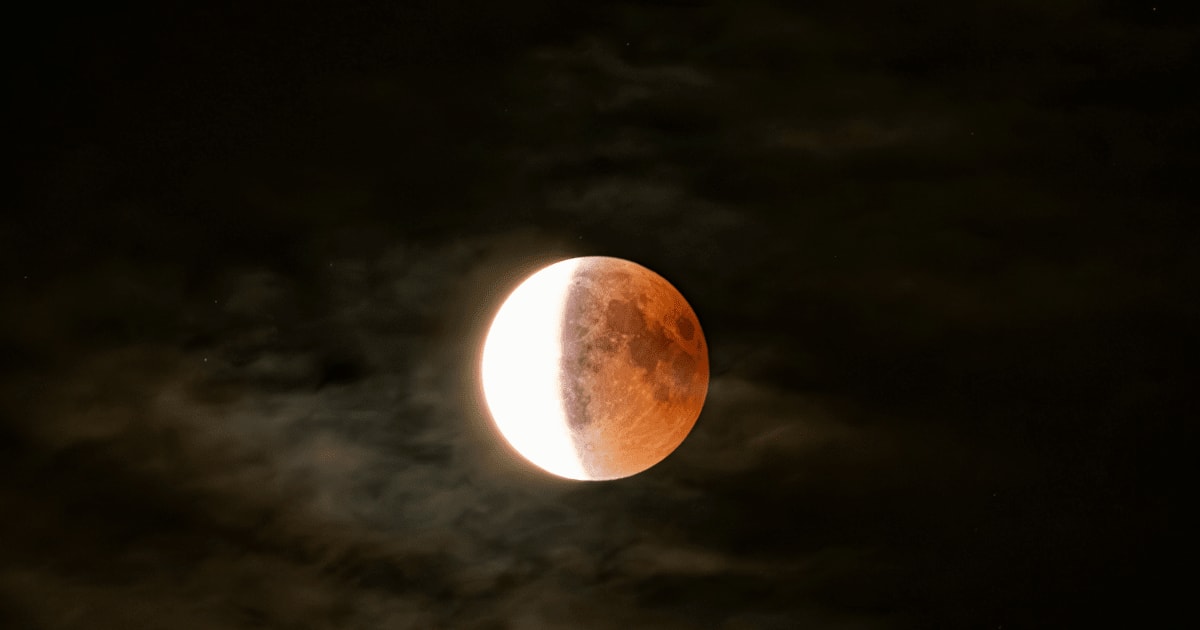
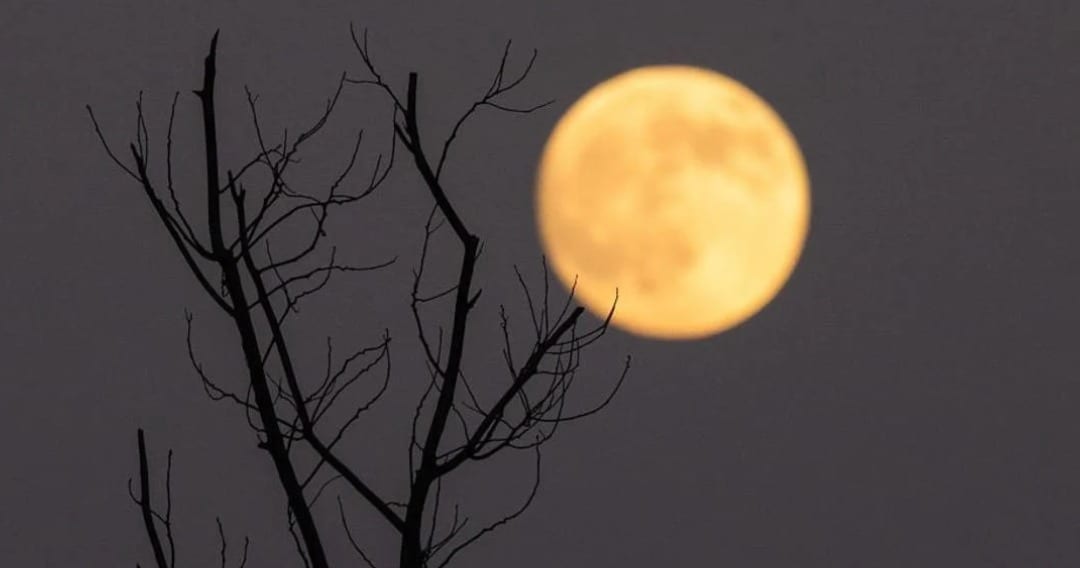
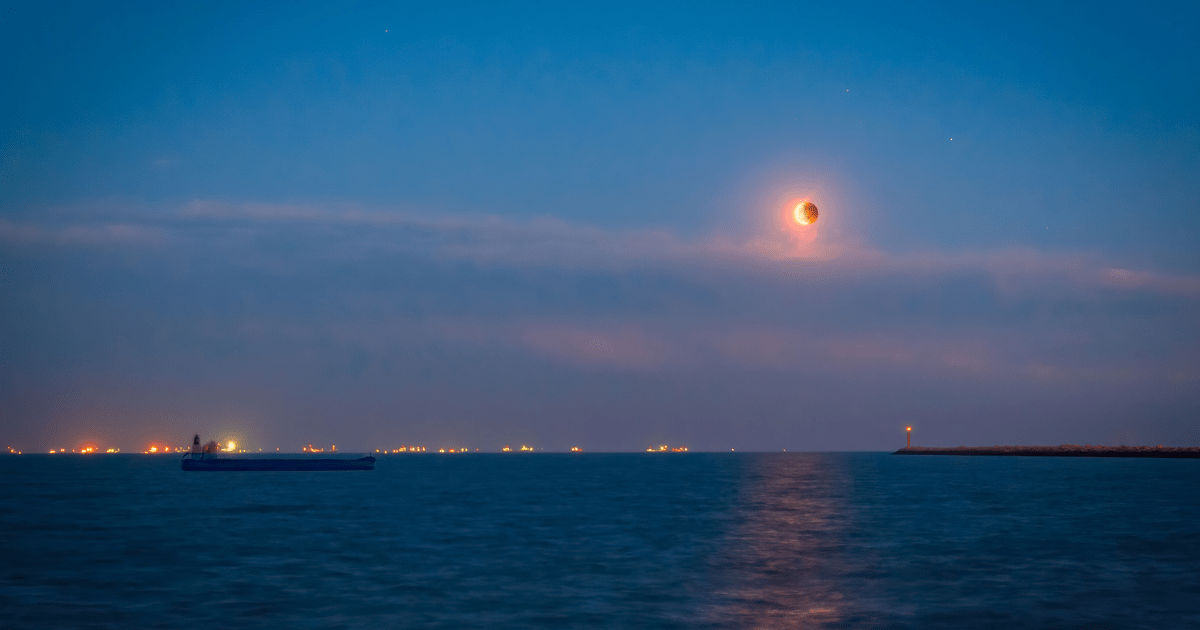
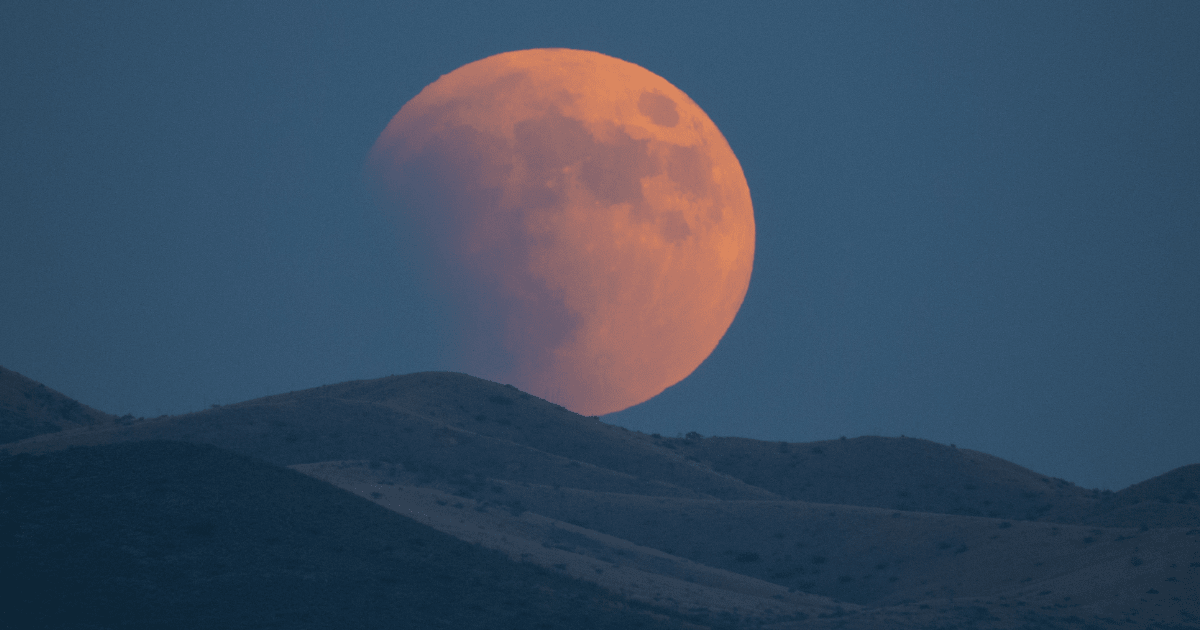
Get ready to witness a big chunk of the Moon take on a coppery red glow during the deep partial lunar eclipse on August 27-28. The eclipse will be visible in the Americas and parts of Europe and Africa.
When, where, and how to watch
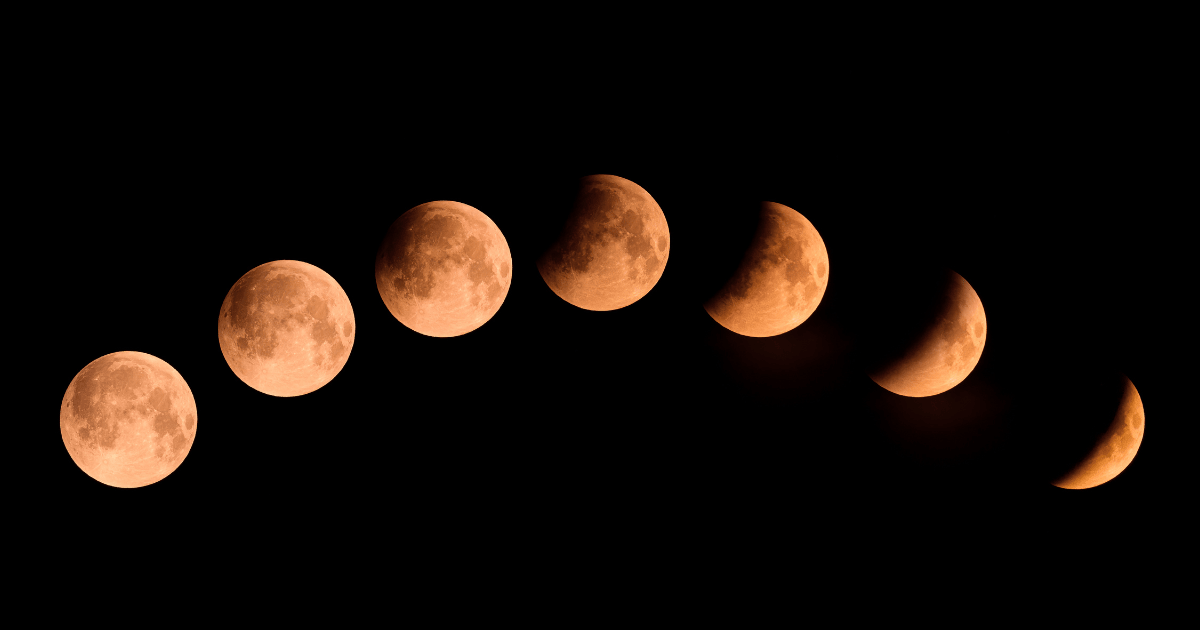
The partial lunar eclipse will commence at 10:33 p.m. EDT on August 27 and will peak at 12:12 a.m. EDT on August 28, when the largest portion of the Moon will be covered by Earth's shadow. The partial eclipse will end at 1:51 a.m. EDT. With all phases of the eclipse taking place simultaneously for everyone watching from Earth, exact timings will vary based on location. For instance, on the West Coast of the U.S. (including cities such as Los Angeles and Portland), the maximum eclipse will be visible some hours after sunset. People living in the East Coast cities (such as New York and Jacksonville), meanwhile, will witness the peak around midnight. Eclipse watchers in the U.K. and Africa will be able to see the maximum eclipse only during the wee hours before sunrise on August 28.
The following table shows the timing of the eclipse in some of major cities in the U.S. You may visit TimeandDate.com if you don't see your city listed here:
| City | Start of partial eclipse (in EDT) | Maximum eclipse (in EDT) | End of partial eclipse (in EDT) |
| New York | 22:33 (Thu, 27 Aug) | 00:12 (Fri, 28 Aug) | 01:51 (Fri, 28 Aug) |
| Los Angeles | 19:33 (Thu, 27 Aug) | 21:12 (Thu, 27 Aug) | 22:51 (Thu, 27 Aug) |
| Chicago | 21:33 (Thu, 27 Aug) | 23:12 (Thu, 27 Aug) | 00:51 (Fri, 28 Aug) |
| San Francisco | 19:33 (Thu, 27 Aug) | 21:12 (Thu, 27 Aug) | 22:51 (Thu, 27 Aug) |
| Boston | 22:33 (Thu, 27 Aug) | 00:12 (Fri, 28 Aug) | 01:51 (Fri, 28 Aug) |
| Seattle | 19:33 (Thu, 27 Aug) | 21:12 (Thu, 27 Aug) | 22:51 (Thu, 27 Aug) |
| Washington, D.C. | 22:33 (Thu, 27 Aug) | 00:12 (Fri, 28 Aug) | 01:51 (Fri, 28 Aug) |
| Houston | 21:33 (Thu, 27 Aug) | 23:12 (Thu, 27 Aug) | 00:51 (Fri, 28 Aug) |
A lunar eclipse can be viewed safely with the naked eye, as in this case, you would be viewing the Earth’s shadow on the Moon and not looking at direct sunlight. Use a telescope or binoculars to enhance the viewing experience.
Why do eclipses happen?
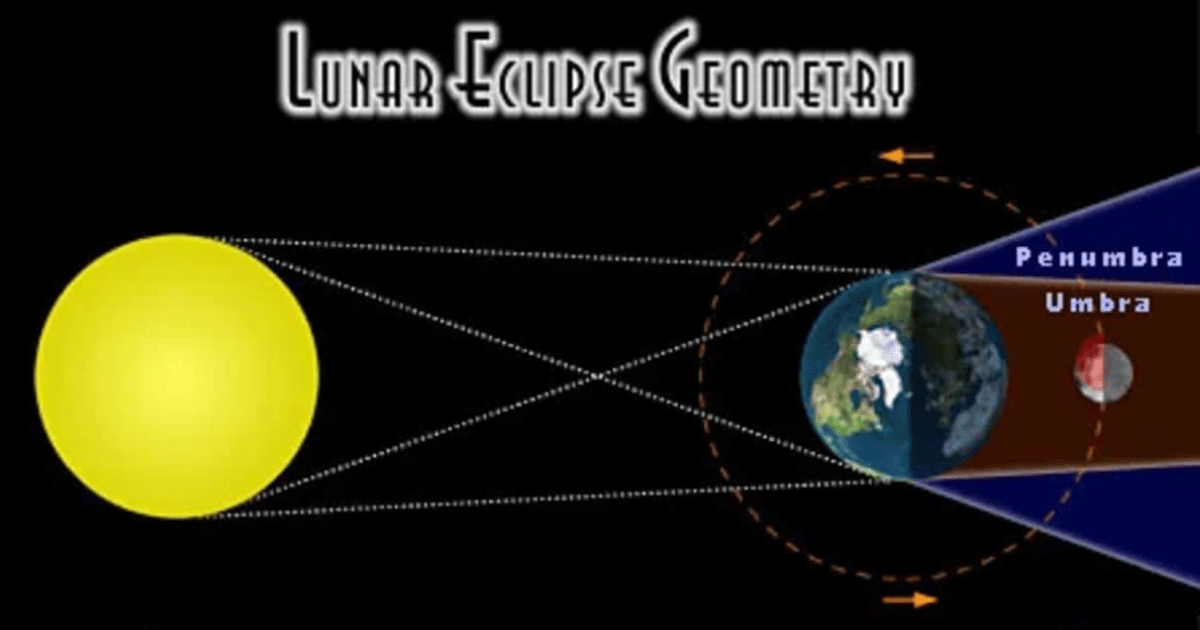
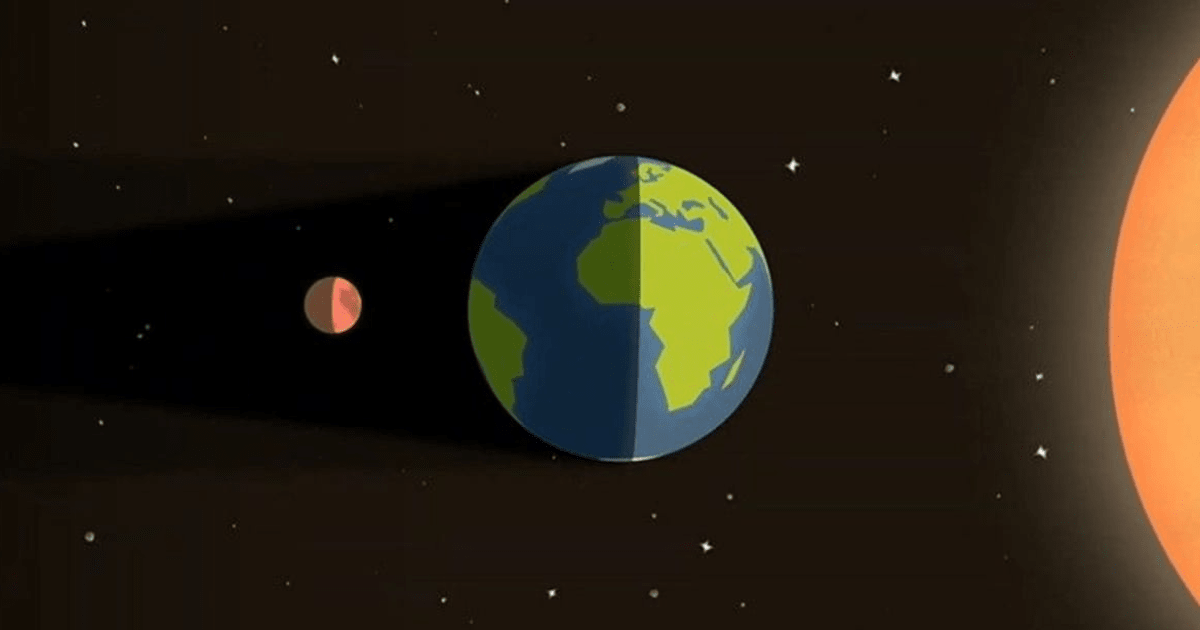
Eclipses occur when the celestial trinity, i.e., the Earth, Sun, and Moon, get aligned and one celestial body blocks sunlight from reaching the other. In case of a solar eclipse, the Moon gets positioned between the Earth and Sun, and it prevents sunlight from reaching the Earth. A lunar eclipse is when the Earth is located between the Moon and the Sun, with the Earth casting its shadow on the Moon’s surface.
What is a partial lunar eclipse?
Now, what exactly is a partial lunar eclipse? You guessed it right; it’s when the eclipse is not complete. The Earth’s shadow screens only a portion of the Moon, with the rest being exposed to sunlight. The amount of the portion covered depends on the way the Sun, Moon, and Earth get aligned. In the eclipse to be witnessed in the coming days, 96% of the Moon will be shielded by the Earth’s inner shadow. This dark, central shadow of the Earth is referred to as the 'umbra.'
Why does the Moon look red during a lunar eclipse?
During a total lunar eclipse, the sunlight propagating through the Earth’s atmosphere undergoes refraction and gives a reddish-orange color to the Moon completely covered in its shadow. This phenomenon is referred to as a “Blood Moon.” The eclipse this week will just fall short of a Blood Moon, with 96% of the visible lunar side taking on the red hue.
When is the next lunar eclipse due?
The eclipse on August 27-28 will be the deepest partial lunar eclipse till December 31, 2028. So make sure you don't miss it.
More on Starlust
August 2026 skywatching: lesser-known meteor showers worth catching this month